
Skip to content

The Famous Walled City of Lugo

Lugo is a small city in central Galicia, about 100 km east of Santiago de Compostela. This historic city is full of ancient wonders — walls and Roman baths, a magnificent cathedral and delicious regional cuisine. Here are our 12 reasons why you should tour the famous walled city of Lugo at least once.

To see the most complete Roman walls in Europe

Built by the Romans in the late 3rd and 4th centuries, the walls are one of the best examples of Roman construction in Europe — a UNESCO World Heritage Site, about 2,117 m long. Locals use them as a park for evening walks or to walk the dog.

The famous walled city of Lugo

To explore the old town

Inside the walls, Lugo’s old town is small but full of Baroque, Gothic and Roman architecture, a maze of narrow streets and pretty squares — great to get lost in.

To step back in time

Lugo has so many ancient sights and historic buildings, it feels like going back to Roman times.

To enjoy its delicious cuisine

Lugo is known across Galicia for its tasty regional food — fresh seafood from the Cantabrian Sea, meats, dairy and fresh vegetables. The saying goes “And for eating, Lugo”. Try Galician empanadas, boiled octopus and seafood.

Galician empanadas Lugo

To buy traditional crafts

Lugo is a good place to buy Galician crafts — ceramics, carved stone, handmade furniture and textiles. The old town has the most authentic shops.

To visit its magnificent cathedral

Lugo’s cathedral, Santa María, was originally built in the 12th century in Romanesque and Gothic style. The grand neoclassical façade is by Sánchez Bort and dates to 1769.

Cathedral of Santa María, Lugo

To learn more about Roman history at the Casa de los Mosaicos

Underground, the Casa de los Mosaicos was once a rich Roman’s home — remains of an original mosaic called Domus Oceani with geometric forms and motifs. An AV display shows how the house looked.

To visit some of the region’s most beautiful churches

Some of the best: the Lorenzana church and monastery, the Carmel chapel, San Domingo, San Roque and San Pedro.

Lorenzana Lugo monastery

To walk over a Roman bridge

It’s not often you can walk over a roughly 2,000-year-old bridge. Lugo’s Roman bridge crosses the Miño river with six elegant arches.

To visit the ancient Roman Baths

Just outside the walls inside the Hotel Balneario de Lugo. The Roman-era population used them to bathe, relax in steam rooms and visit cold rooms for circulation.

Provincial Museum

In some rooms of the old Convent of San Francisco plus a new building. Great view of the area’s history — religious art, ceramics, glass, painting and sculpture.

To visit the Ribeira Sacra region

The Ribeira Sacra is a natural area of forests, meadows and rugged gorges not far from Lugo. Known for nature, vineyards and wineries.

Essential Things about Galicia

There are many essential things about Galicia — a green land of roaring rivers and fragrant eucalyptus forests, of noble palaces and pristine beaches that look straight from the Caribbean. Here’s a tour of them all.

Essential things about Galicia

Forget flamenco and paella — this distinctive region is coloured by its rich Celtic heritage, by locals who play the bagpipes and speak a unique language called Galician.

And there’s also the famous seafood and wine. Meals that will keep you going through the days. And the famously proud and welcoming people who’ll go out of their way to make sure you enjoy your route through Galicia.

Welcome to the world of Albariño

Say “Galicia” to any Spanish wine lover and the first thing they’ll think of is the region’s Albariño white wines.

Home to the revered Rías Baixas Denomination of Origin, this green landscape uses its stormy climate to produce one of the best white wines in the world — an essential thing about Galicia.

Welcome to the world of Albariño

With its refreshing acidic taste, Albariño is absolutely perfect with fish and seafood — convenient, since Galicia is famous across Spain for the country’s best seafood.

Walking to Santiago de Compostela

Galicia’s capital has an almost mythical status worldwide. Beyond having one of the world’s oldest universities, it’s the final destination of the Camino de Santiago pilgrimage.

Hundreds of thousands of pilgrims make their way here every year. Arrival marks the end of weeks or even months of introspection, stunning landscapes and more than a few aches.

Walking to Santiago de Compostela

The Old Town of Santiago de Compostela

Another essential — Santiago is a city you can wander aimlessly for days and still stumble on hidden corners. Whitewashed walls and exposed stone, red tiles and brave palm trees. Small shops, bars and restaurants line the cobbled streets and narrow alleys.

The iconic Cathedral of Santiago de Compostela

The cathedral’s Gothic spires and imposing façade are iconic. The interior is equally impressive, with bright frescoes and gilded furnishings. It is, after all, the final resting place of Saint James the Greater, one of the 12 apostles of Jesus.

You can tour the cathedral and its upper floors and terraces for spectacular views, plus the museum.

Pazo de Galegos

About 15 km from Santiago, this rural mansion houses one of Galicia’s oldest vineyards and has a colourful history. The vines belonged to writer Antonio López Ferreiro — canon of Santiago Cathedral and founding member of the Royal Galician Academy. He was even responsible for discovering Saint James’s tomb.

Dive into Galicia’s famous seafood in Vigo

Daily life in the charming port city of Vigo revolves almost entirely around the sea. Famous for its thriving fishing industry — see why Galicia is so regarded for the best seafood restaurants.

The exceptional fish quality is the result of coastal upwelling, making the waters extremely nutrient-rich. Add a few bottles of Albariño and you may not want to leave…

The Old Town of Vigo

Plaza de la Constitución, the heart of Vigo’s old town

Vigo’s old town smells of the sea — perfect to enter the local lifestyle. Find a sunny terrace and order a drink. Every drink comes with a small free tapa.

Oyster Street

Rúa da Pescadería, or “Oyster Street”, is a must in Vigo. Order drinks from the bar owners, then oysters from the women on the street. Drizzle with lemon and pair with wine.

Eat like a sailor in Bouzas

Vigo’s old fishermen’s neighbourhood. Locals eat fresh, affordable seafood. Try squid in its ink and the classic pulpo a la gallega. Don’t miss the lobster rice and house wine served in huge clay jugs.

Live like a king in Cambados

A small gem in Pontevedra — natural beauty, historic buildings, an imposing palace, local wines and great people.

Views from the Pazo de Fefiñanes rooftop

Pazo de Fefiñanes

The 16th-century palace built by Don Juan Sarmiento Valladares, advisor to King Philip II. Passed to the Marquises of Figueroa, whose descendants still live here. Wide bedrooms and dining rooms seemingly untouched for centuries. An impressive rooftop terrace on the fortress-like tower offers spectacular views.

Secret gardens

Storybook Baroque gardens transport you to a time of melancholic romance — boat ponds, hidden cosy corners for romantic interludes, intricate mazes, thriving vegetable patches and glorious sculptures.

Castro de Santa Trega Archaeological Site

The highlight — hiking up Mount Santa Trega through pine and eucalyptus forests to the ancient Castro de Santa Trega site, inhabited between 100 BC and 100 AD and surprisingly well preserved. Its elevated position offers spectacular views over the Miño estuary into Portugal.

Galicia’s Dramatic Coast of Death

Galicia, the north-west province of Spain, is undoubtedly one of Spain’s most dramatic parts. The adjective applies not only to the landscape but also to the history and the many tales and legends of saints, witches and the devil that abound here. The Coast of Death of Galicia is a place you can’t miss on your route.

The Coast of Death of Galicia

The Coast of Death covers a long stretch of the Atlantic from Cape Finisterre to Camariñas and beyond. The name comes from the many shipwrecks claimed by fierce storms and dangerous rocks. Local tradition says not all disasters were nature’s work — human scavengers also played a part, tying torches to cows’ horns to mimic lighthouse fires and lure unsuspecting sailors to their deaths.

The coast is best explored from Santiago de Compostela to the east or La Coruña to the north. There are 85 km of winding roads from Santiago to Finisterre, first to Muros and then Finisterre.

Cape Finisterre

For many pilgrims, the final destination isn’t Santiago’s cathedral but the lighthouse on top of Mount Facho marking the “End of the World” as Romans called it. Cape Finisterre is not the westernmost point of Europe though — Cape da Roca in Portugal is, 16 km further on.

At the foot of the lighthouse, perched on a rock, is a bronze boot where many pilgrims symbolically celebrate the end of their spiritual journey by burning their travel clothes and shoes.

The lovely coastal fishing town of Finisterre is nearby. Walking from the cape offers great views and spectacular beaches like O Rostro, Arnela or Langosteira. White sand and crystal-clear water — but you’ll need a really hot summer day to venture in, the water is much colder than the Mediterranean.

Cape Finisterre

Beyond tourism, Finisterre lives off fishing. Don’t miss La Lonja, the open hall where the latest catches are noisily auctioned.

A fishing museum next to La Lonja exhibits and documents the harsh life of fishermen and the most spectacular shipwrecks on the Coast of Death.

The region’s Celtic origins are evident in sacred stone tables and chairs — local tradition says lying or sitting on them brings spiritual strength.

Camariñas

The trip from Finisterre to Camariñas leads through the most typical example of rural Galicia. Stone bridges cross small rivers, pine forests line both sides, sheep and cows graze in meadows and people live in low stone houses, some very small.

Camarinas

Rural Galicia

Everywhere you’ll find one of Galicia’s typical features: hórreos. At first glance they look like chapels because they all have a cross on top, but they’re actually storage units for grain and food. Made of stone with ventilation slots and erected on stone stilts to keep grain dry and out of reach of mice, rats and other vermin.

Back on the Atlantic, Camariñas is a quiet, picturesque fishing village. Built around a semicircular bay that invites a walk along the seafront. Camariñas is also Spain’s lace centre — shops along the main street sell beautiful curtains, scarves, pillowcases, tablecloths and many other lace-decorated items.

Rural Galicia

Visit the Lace Museum, exhibiting everything related to lace and fine examples of Spanish designer dresses decorated with Camariñas lace.

Cape Vilán

The spectacular Cape Vilán lighthouse is nearby. The road leads along Monte Blanco, Europe’s largest sand dune. The whole area is a nature reserve due to its vegetation and seabirds — kittiwakes, cormorants and gannets.

Cape Vilán is the site of one of the most tragic shipwrecks in the Coast of Death’s history. In 1890, a tall British ship called The Serpent, carrying 175 naval cadets, crashed on rocks near Cape Vilán. All but three sailors drowned. The dead were buried in what’s called the English Cemetery — a monument to the tragedy. A tribute is held every year. Since the 15th century there have been over 800 shipwrecks here.

After The Serpent’s crash, a new lighthouse was built in 1896 — the tallest in Spain at the time and the first to run on electric light.

Galicia's dramatic Coast of Death

A visit to the Coast of Death gives unique insight into the region’s rural life, untouched nature, abundant wildlife and the true nature of the sea.

Plans to Travel to Galicia

Planning to travel to Galicia soon? This Spanish autonomous region is one of the favourites for great holidays or a weekend getaway. Here’s a guide to plan your trip.

Cuisine, history, art, architecture, coast and sea — just a few things you can enjoy in this fascinating region. Family, friends or partner — you’ll have a wonderful trip.

Galicia is a big region, so pick what to visit: ancient villages, beaches, museums, food, the Way of Saint James and more.

Best time to travel to Galicia

Evaluate the climate. Experts say there are two months when it’s a must to visit — but it’s worth visiting any time.

Best time to travel to Galicia

Summer! The best time — June to August, warm and sunny, 20–25°C. Perfect for coastal walks, the Camino, beach, squares, tapas and wine.

In winter, 10–12°C. Many enjoy this winter climate. Note that autumn and spring are very rainy.

Places to travel to in Galicia

Way of Saint James

Not exactly a place but the most popular activity. The pilgrimage to the tomb of Saint James the Greater at the Cathedral.

Places to travel

Rías Baixas

A summer option with many unmissable cities — Pontevedra, Vigo, Cíes Islands. Beaches and natural parks, sports activities, architecture and history.

Rías Baixas

Ribeira Sacra

For hiking — wild landscapes and pure nature. The best option for nature and forests, adventure and a couple’s getaway.

Best routes to travel to Galicia

Bus, car, plane — depends on your budget and time.

Plans to travel to Galicia

By plane to Santiago de Compostela, then start the trip. Renting a car is a good option to move freely and visit magical villages on the way.

You can also take buses at good prices on set schedules. Remember you can walk or use bicycles in some cities. Include these costs in your plans.

Pontevedra, Sanxenxo and Portonovo

If you’re planning a trip to Pontevedra, Sanxenxo and Portonovo in the coming days, here’s what to know about the best places in these hidden territories of Galicia with great potential.

What can you do in Pontevedra, Sanxenxo and Portonovo?

The main advantage is that these Galician towns are very close to each other, so you can go from one to another in minutes and see the best of each.

Some must-dos:

Get to know the Juan Carlos I Marina

If you want to try Galicia’s wonderful wine, the Juan Carlos I Marina in Sanxenxo is a great plan. Bars and terraces offer a drink and excellent Galician food while you watch the yachts go by.

Portonovo Fishing Port

Another must — try the best Galician fish here or buy it to cook at home with family or friends.

The Craft Fair

In Portonovo there’s a popular market with a craft fair. Buy souvenirs and support local crafters. Only between June and September.

Visit Panadeira Beach

One of the smallest beaches but among the most welcoming. Great for enjoying the calm waters of Galicia, with views of the marina and the Pontevedra estuary.

what to do in Pontevedra, Sanxenxo and Portonovo

How to visit Pontevedra, Sanxenxo and Portonovo?

There are several options. By private car, planning your itinerary; or — recommended — hire a tour company specialised in Galicia.

Some tips:

Consider the experience

Hire an experienced agency for great service at accessible prices.

Watch your budget

Budget matters — food and lodging are inevitable. A specialised tour agency offers a more affordable rate considering the number of travellers.

How to visit Pontevedra, Sanxenxo and Portonovo?

The best places to visit

You’d need several days to see all the offerings. With a tour company you’re guaranteed to see the most important spots and learn the local history.

Pontevedra, Sanxenxo and Portonovo

Ten Different Plans to Do in Galicia

Galicia is, ultimately, a unique territory where you can enjoy the amazing traditions of its local culture. During autumn it’s one of the best destinations to be wrapped up by its magical lands. Here we’ll go through the best different plans to do in Galicia during your stay.

The best different plans to do in Galicia

Galicia is authentic and would take a couple of weeks to tour entirely. Organising a trip here means setting a defined itinerary so you can enjoy everything during your stay.

Here are the best different plans to do in Galicia:

1. Walk the Lighthouses Route

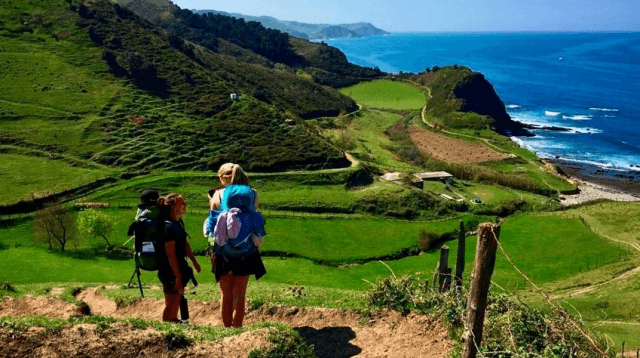
If you’re a hiker, the Lighthouses Route is a must — over 200 km from Malpica to Finisterre, stopping at each lighthouse. Fun but physically demanding — prepare beforehand, or take a shorter section.

2. Visit the Chavasqueira thermal area

One of the must-do plans is the unforgettable thermal waters. Chavasqueira is a thermal circuit running on zen philosophy.

3. Stay at Carris Casa de la Troya hotel

It was Doña Generosa’s house — widowed, she turned it into student lodging. Over the years it became a hotel. It inspired Alejandro Pérez Lugín’s novel “La casa de la Troya”.

4. Walk the Rías Baixas Wine Route

A series of stops at wineries to taste the best flavours Galicia exports.

ten different plans to do in Galicia

5. Spend a night near Estaca de Bares lighthouse

Hotel Semáforo de Bares — a 19th-century military building. Just 6 rooms, very private. Views of the lighthouse and cape.

6. Walk the shellfish route

Seafood is a hallmark of Galicia. The shellfish route starts with the descent to the beach to see the process up close.

7. Eat in A Coruña

Restaurants offer tasting menus and high-cuisine flavours focused on regional dishes.

8. Go for a picnic

Beautiful spots for a picnic — forest, beach or mountain.

best different plans to do in Galicia

9. Tour the museums of Galicia

For history lovers — the Science and Technology Museum and Domus Museum stand out.

10. Visit a virtual reality centre

If you have young kids, a VR centre is an innovative, fun plan.

visit a virtual reality centre

Tour Galicia: Don’t Miss a Thing

Galicia is undoubtedly one of the most beautiful regions in Spain; it has a lot to offer travellers — unbeatable landscapes, great food, great drinks, contact with nature, rest and a great story to tell. If you’re planning to visit, take a Tour Galicia and enjoy the best of trips.

What can you see on a Tour Galicia?

What you can see on a Tour Galicia

Galicia is an extremely beautiful region with much to offer. There are many companies that provide guided tourism services; to live the best trip of your life, just hire a Tour Galicia.

You’ll see everything from the majestic Way of Saint James to unbeatable vineyards that put you in touch with nature and let you unwind. With this tour you can clear your mind completely and enjoy the best adventure.

Some of the most popular sites in this lovely region that you’ll surely want to know are:

Cathedral of Santiago de Compostela

A symbolic landmark that has drawn pilgrims since the Middle Ages. It was also declared a UNESCO World Heritage Site. A place you can’t miss.

Finisterre Lighthouse

Located in an area once considered the end of the world. It is magical and enigmatic. From here you can enjoy an unmatched view.

North coast

If you visit the northwest you can take surfing lessons, since cliffs and untouched beaches abound. For a beautiful sunset, sand and sea, this is ideal.

Fragas do Eume

For an excursion to leafy forests and contact with nature, don’t miss this place.

Sil Canyon

From here you can enjoy a panoramic view from a hanging viewpoint.

Baiona and Sanxenxo

Welcoming towns where you can see magical vineyards and learn a little about wine history.

There are many more places to visit, each with its own magic and beauty. To give you a taste: the old town of Tui, the Cíes Islands of Pontevedra, Mount Santa Tecla or the capital, Santiago de Compostela. Galicia is full of treasures worth knowing.

destinations included on Galicia tours

Galicia is a unique place worth exploring, with countless cultural, historical and natural sites. It’s the perfect destination if you want to relax and forget about everything for a while.

What can a company offer you for your trip?

Galicia is a unique Spanish region with an excellent appeal — it has a medieval atmosphere, plus vineyards, beaches, history and World Heritage Sites, perfect to draw visitors. Many companies offer tour packages to different parts of the region.

If you plan to travel and want to make the most of it, hiring one of these companies is the best idea. There are several packages available; just choose one based on your interests. Here’s what a company like Tour Galicia can offer:

Tour Galicia

  • Your trip will be led by an expert who will guide you to other places and share their history.
  • You’ll be guided to unique places that will surprise you with their scenery, culture, traditions, cuisine, art and history. You’ll also get detailed information about Galicia’s most iconic sites.
  • Trips by sea or land using the best transport — modern, comfortable buses and comfortable boats with the best operators.
  • Multilingual advice and information available both in print and digital.

Don’t think twice — book a Tour Galicia and let its beautiful places win you over. A travel company that will take you to the most stunning scenery for the best trip of your life.

Galicia Tourism

For a great variety of landscapes and routes, nothing beats Galicia tourism. Its lovely, unique scenery creates a deep connection with nature. If you want a real escape from routine, these beautiful routes will draw you into the charm of an unmatched trip. Let’s look at some aspects to keep in mind about this place.

Benefits of Galicia tourism

benefits of Galicia tourism

Water is what strikes most in this landscape, thanks to its abundance. Rivers and seas surround it in a captivating way, with natural beauty from springs. Over time, erosion has created appealing natural shapes with rocks and mountains.

The place offers elegance not only visually but also in its incomparable cuisine. You’ll find top-quality wines to taste, and the routes adapt to your ability and interests.

  • There are many routes and kilometres to cover, an advantage over other destinations. Even on the same trip, parts of the family can split into different routes without trouble.
  • Thanks to the influx of visitors, several tourist guides have been created over time so people can plan ahead. A great advantage for selecting the spot more carefully.
  • Besides the gastronomy, accommodation venues often host musical events like concerts. You can enjoy attractions beyond nature itself.
  • Architecture and legend are clear attractions, with very old architectural models in several settings. You’ll also find tales of the ancient Celtic culture, said to have lived in parts of the region.

You can enjoy both ancient and modern attractions. These are some of the benefits; there are many more that will impress you.

Some emblematic places to consider

When deciding to visit, you’ll want a guide of specific places. Below are at least the ones we recommend:

The Tower of Hercules

For history and mythology, the Tower of Hercules is essential — a Roman-origin lighthouse dating to the 1st and 2nd centuries A.D., with later renovations.

Tower of Hercules

Santiago de Compostela

Undoubtedly one of the most eye-catching places in Galicia tourism, with beautiful beaches and lovely valleys providing a wonderful experience.

Ourense thermal waters

Galicia tourism

Tourists always seek out these baths; the open air and therapy processes are very interesting. There are appealing natural parks, and octopus is central to the area, with many festivities around it.

Castro de Santa Tecla

To walk a beautiful hill, Castro de Santa Tecla is a must. It has temples and churches dating far back, making it one of the most outstanding sites on the Galician coast.

Galicia is a unique Spanish tourist destination. It’s worth letting people know about the many things on offer so they can enjoy this beautiful land. Come and visit!

Explore Celtic Beauty with Guided Tours in Galicia: History and Nature

Galicia, in north-west Spain, is a charming region that blends a rich history with unmatched natural beauty. If you long for an authentic experience to explore this land of Celtic roots, guided tours of Galicia are the ideal choice.

In the lines below we’ll guide you through a passionate journey, diving into the fascinating history and impressive nature of Galicia, so you discover for yourself the enigmatic and captivating Celtic beauty this destination has in store for adventurers and culture lovers. Get ready for an unforgettable trip to this unique corner of Spain.

The history of Galicia: a journey through time

Let’s step into Galicia’s history, an exciting journey through time that reveals the secrets and traces left by the region’s earliest inhabitants. From the Stone Age to the fascinating Celtic era, we’ll explore the vestiges of an enriching past.

The first inhabitants

Galicia’s history stretches back thousands of years. The earliest inhabitants date to the Stone Age, leaving traces in the mysterious petroglyphs still visible in some areas. Guided tours of Galicia will take you to these archaeological sites, where you can contemplate the marks of the ancient Celts.

The Celtic era

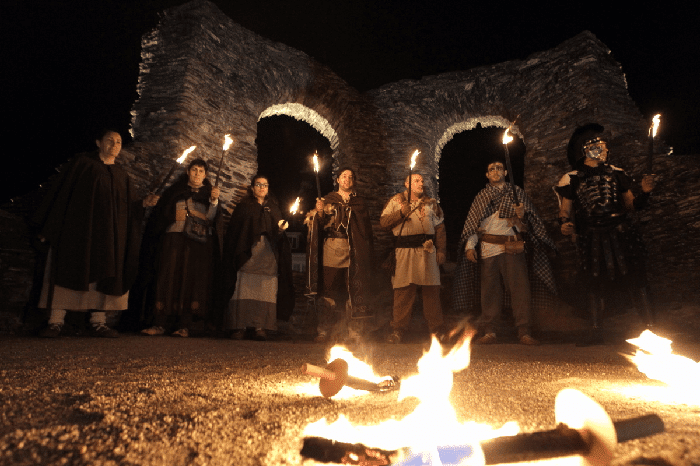
During the Iron Age, Galicia was inhabited by Celtic tribes. These bold warriors and their cultural traditions left an indelible mark on the region. Guided tours will immerse you in the Celtic world, showing you ancient hillforts and strongholds that are living testimonies of that fascinating time.

guided tours

The pilgrimage route

Galicia holds a special place in the hearts of pilgrims around the world, as it’s the final destination of the renowned Way of Saint James. This historic path, which has drawn travellers for centuries, becomes an unforgettable experience when you join a guided tour.

You’ll step into a journey that goes beyond the physical, exploring the spirituality that flows along every step and connecting with the rich history that has shaped this route. You’ll discover the authenticity of Galicia as you walk ancient paths and experience the magic of this iconic pilgrimage.

Galician nature: a green paradise

Welcome to the lush Galician nature, a true green paradise where the golden coast, magical forests and majestic mountains intertwine in a symphony of natural beauty. In this chapter we’ll dive into this idyllic setting, exploring its most impressive corners.

The charm of the coast

Galicia’s coast is simply spectacular. With its golden beaches, impressive cliffs and crystal-clear waters, it’s a paradise for nature lovers. Guided tours will take you to places like the Cíes Islands, considered by many as the Caribbean of northern Spain.

Magical forests on the guided tours

At the heart of Galicia, lush forests offer total immersion in nature at its most pristine. These wooded spaces shelter a surprising variety of flora and fauna, creating a vibrant and diverse ecosystem.

tours of Galicia

Our tours give you the chance to venture along trails that lead to hidden corners of the region, where you can discover the hidden beauty of these forests, hear the whisper of the leaves and watch wildlife in its natural habitat.

Guided tours along rivers and mountains

Galicia’s rivers and mountains offer a paradise of adventures for nature and adrenaline lovers. Whether kayaking down the Miño river or pushing your limits climbing the Ancares mountains, Galicia has something for every skill level.

Our guided tours are designed so you can enjoy these thrilling experiences in complete safety, with the chance to connect with nature and live unforgettable adventures in this beautiful Galician setting.

Discover Celtic beauty with guided tours in Galicia

Guided tours of Galicia give you the chance to explore the region’s rich Celtic heritage and enjoy its stunning natural beauty. From ancient hillforts to idyllic beaches and magical forests, Galicia has something for every taste.

guided tours of Galicia

So if you’re looking for an unforgettable experience, get ready to explore Celtic beauty with guided tours of Galicia! Don’t miss the chance to dive into Galicia’s history and nature. Book your guided tour today and discover everything this region has to offer.

Activities in Galicia: Unique Adventures and Experiences with TourGalicia

Once you discover all the activities in Galicia, this place becomes your next destination. In this region of Spain you’ll find natural wonders, charming villages and a fascinating history around every corner. Let our travel agency guide you through the attractions of Galicia that will turn your dreams into real-life experiences.

Sail to the Cíes Islands

sail to the Cíes Islands

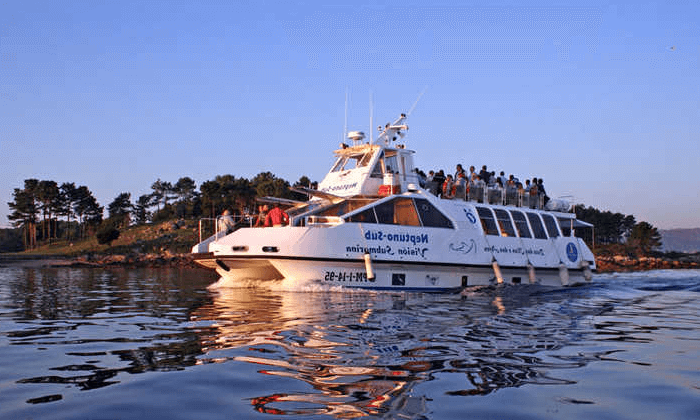
Head to the province of Pontevedra, facing the Vigo estuary, and board a ferry to the wonderful Cíes Islands. This group of formations in the middle of the sea is currently a Spanish National Park and protected for its great natural value.

There are very few human structures and modifications on these islands, so they are fantastic landscapes in their original state. Daily visits are limited, so you must book in advance, especially if travelling as a group.

Walk the last stretch of the Way of Saint James

The capital of Galicia is Santiago de Compostela, and the region as a whole is a World Heritage Site. It holds great spiritual value for the Catholic Church, and is also rich in monuments, friendliness and a very hospitable population.

Throughout most of the year you can watch foreign pilgrims walking towards the cathedral. This is one of the most enriching and entertaining activities in Galicia: you can listen to stories of amazing lives and miracles.

If you enjoy long walks, you’ll have plenty of squares and natural parks at your disposal. Before you know it, the day will be ending and you’ll be wrapped up in the magic of this city.

Take a photo at the Tower of Hercules

Taking a photo by the Eiffel Tower is a dream for many, and each year hundreds of tourists travel there. While that’s a romantic idea, Galicia offers a slightly more original proposal: a selfie next to the majestic Tower of Hercules.

take a photo of the Tower of Hercules

In the city of A Coruña you’ll find this icon and World Heritage Site, considered the oldest working lighthouse in the world. You’ll also enjoy an incredible view of the deep-blue Atlantic Ocean dotted with boats of all sizes.

The Tower of Hercules is surrounded by beautiful gardens and a plaza where tourists can take their time to enjoy the view and learn the incredible story behind the building. While you’re in A Coruña you can also join various activities around the city.

Be amazed by the natural architecture of As Catedrais

Man-made architecture can be truly incredible, but nature can also build structures that take your breath away. Such is As Catedrais, which isn’t a church but a rock formation shaped by the water over time, recalling a great cathedral.

Note that before heading to these beaches you must check the tide, since visitors are only allowed access at low tide. In high season the number of daily visitors is also limited, so book ahead.

Discover the charming village of Combarro

activities in Galicia

One of the most enjoyable activities in Galicia is a visit to the village of Combarro. It’s a fishing village with a sea-faring vibe where boat trips for every taste take centre stage.

Here you can board boats and sailing vessels that offer parties and guided tours. Plus, if you want to enjoy the colourful streets full of life, just start walking down any of them — you’re sure to be captivated by the beauty of the view.

There are many activities in Galicia for your next trip. For more information about routes, destinations and accommodation, contact our company. We’ll give you the advice and seasonal availability info you need.