
Skip to content

Galician Landscapes Worthy of a Film

Galicia has everything needed to become a film location. With its impressive landscapes, cities and villages, vast coastline, surf beaches, tall mountains and beautiful historic stones, it has often served as a set for every genre.

Galicia is magical and filmmakers know it — directors increasingly come to film these four provinces. International directors like Roman Polanski and Spanish names like José Luis Cuerda (a lover of the land), Alejandro Amenábar or Pedro Almodóvar — productions that are now part of celluloid history.

Many Spanish actors and actresses have come, as well as international stars like Cary Grant, Frank Sinatra and Sophia Loren.

Films featuring Galician landscapes

Don’t miss these films featuring Galician corners that are now part of the big screen’s history.

Mar Adentro (The Sea Inside), Alejandro Amenábar (2004)

Almost entirely shot in Galicia, with some sequences in Madrid or Catalonia. Beach of As Furnas, places in the Arousa estuary, Muros and Noia, and the A Coruña town hall. The story of Ramón Sampedro, left tetraplegic after an accident, and his fight for legal euthanasia and a dignified death.

Los Girasoles Ciegos (The Blind Sunflowers), José Luis Cuerda (2008)

Shot entirely in Ourense — its old town and the San Clodio monastery hotel in Leiro. Set in 1940s Spain, an adaptation of Alberto Méndez’s novel.

Butterfly (La Lengua de las Mariposas), José Luis Cuerda (1999)

Set in Civil War Spain, this Spanish cinema masterpiece shows inland Galician landscapes — the Sil canyons, Ribeira Sacra monasteries and the medieval villages of Ribadavia and Allariz.

The Enchanted Forest (El Bosque Animado), José Luis Cuerda (1987)

A magical world among trees. Cambre’s fraga, the rural inland landscapes and the village of Sobrado, together with Alfredo Landa.

Elisa y Marcela, Isabel Coixet (2019)

Set in late-19th-century Galicia, based on a true story — the first known precedent of same-sex marriage in Spain. Isabel Coixet’s film.

Días Azules (Blue Days), Miguel Santesmases (2006)

Filmed and set in the Ferrol area, especially Doniños beach. Three siblings spend a last summer at the family home. Soundtrack by Galician artist Iván Ferreiro.

Bad Education (La Mala Educación), Pedro Almodóvar (2004)

Shot in places like Ortigueira, A Coruña.

The Skin I Live In (La Piel Que Habito), Pedro Almodóvar (2011)

Begins on one of Santiago’s most central streets. Also Ponte Ulla in A Coruña and Pazo de Oca in A Estrada, Pontevedra.

Mondays in the Sun (Los Lunes al Sol), Fernando León de Aranoa (2002)

Galicia in the difficult shipyard industry and unemployment situation. Exteriors in Vigo’s most emblematic locations — streets near the harbour, Berbés neighbourhood and the Vigo estuary.

Galician landscapes worthy of a film

Heroin (Heroína), Gerardo Herrero (2005)

Set in late-1980s Galicia. Filmed in Pontevedra, Vigo, Vilanova de Arousa, Tui and Santa María de Oia — locations like Pazo Baión and the Vigo harbour, key to Galician drug-trafficking history.

The Most Significant Typical Galician Things

Say “Galicia” — images, foods, objects come to mind: typical Galician things that this region is remembered for once we leave Herculean lands.

What are the most significant typical Galician things?

Here are some of the universal things by which we all recognise Galicia:

Bateas

These are where the delicious mussels and oysters you just ate grew. On ropes submerged in the sea. There are even tours to see them.

bateas in Galicia

The tides

Tides go up and down several metres. Unwritten rule: don’t leave your towel on the lower sand if you’re going away. At least check a tide table — they’re not random.

Pilgrim’s shell

Many in Galicia arrive after walking the Camino. The best souvenir from this green land is the pilgrim’s shell — the classic scallop — a reminder that hard, sacrificing tasks bring greater satisfaction.

pilgrim's shell typical of Galicia

Capelas

Stone chapels, Catholic places of worship — architecturally independent or part of a church or palace.

Galician capela

Ceramic bowl

Called cunca, a small Galician artwork for any liquid — wine, broth, milk… Why use different containers when one does it all?

Padrón Peppers

Part of the thrill — some are hot, some aren’t. Never claim victory before the second bite — some have delayed effect.

Botafumeiro

Liturgical thurible that swings along the cathedral’s transept — born from the great pilgrim traffic. Its name says it all: literally “smoke spewer”.

Tarta de Santiago

An established delight. Its almond fame extends beyond the region’s borders.

Coffee Liqueur

Famous especially after meals, as a shot with a slice of bica. Recipe is one of the best-kept secrets — you won’t reproduce it exactly.

Stone hórreo

Traditional construction used in the past and today to preserve corn — typically Galician.

typical Galician things

The meiguiñas

Galicia is land of party and music, but also of magic. Meigas — traditional witches — can appear anywhere. “Whether they exist or not, they exist”.

Sargadelos ceramics

On holidays in A Mariña Lucense, visit the Cervo council and the Sargadelos ceramic factory. Admire the pieces and buy one to take home.

Jet jewellery

Famous jet jewellery — typical Galician, especially from Santiago de Compostela. Craft dating back to the Middle Ages.

Pipers

Characters representing the most traditional music and festivals. They remember the Celtic origins of the first inhabitants. Bagpipes and pipers are at the top of typical Galician things.

typical Galician pipers

Wine

Galicia’s wine-making tradition and quality: Ribeiro, Albariño, Godello…

Sunset is later

Same time zone as Spain, but in a different solar zone — sunset is later than the rest of the Spanish map.

Humidity

You can fight it with a dehumidifier or pretend it doesn’t exist, painting the wall and watching it reappear. Finally, you accept its presence and watch it grow.

Galician summer

Never trust a Galician summer. Never! Those 30°C will vanish with the sun — you’ll thank that jacket when the thermometer suddenly hits 17°C.

Educational Farms in Galicia

Today we show a complete list of educational farms in Galicia, so you can plan your Galicia tour differently and the little ones can be protagonists too. We list the farms currently open with guided visits and more info.

Educational farms in Galicia

Casa Grande de Xanceda

One of the best-known. Recommended for family visits — tour the farm, bottle-feed calves and enjoy the rural playground with tractors and a corn maze. Finish tasting cheese, biscuits and yoghurts from their organic brand. In Xanceda, Mesía, near Ordes, A Coruña. www.casagrandedexanceda.com

Educational farms in Galicia

Granja El Kiriko

Near Vigo, in Fornelos de Montes. A space to reconnect kids with nature. Leisure areas and summer activities including camps. Always book ahead. www.kirikonatura.com

Granxa Escola Fervenza da Toxa

In Silleda. Leisure, adventure, sport and farming for adventurous kids. School visits, group visits, camps, plus pool, vegetable garden, greenhouse and outdoor sports.

list of educational farms in Galicia

Granxa de Barreiros

In Sarria, Lugo province. Beyond visits and activities, it adds traditional music courses and contests and an environmental education project with decades of history.

Granxa Garabullos

In Cospeito, Lugo. A wide offer with camps, family visits, school visits and any celebration in nature. www.garabullos.com

Casa do Queixo

For cheese lovers (kids and adults). Workshops to put culinary and craft skills into practice. In Sobrado dos Monxes, A Coruña. www.casadoqueixo.com

One of the best-known educational farms in Galicia

Granxa Bostelo

In Viveiro — a family farm in a privileged area 10 km from the Lugo coast. Small-group visits and activities: bread-making workshops, interpretive route along the royal-path’s pathways or visit to the farm facilities.

Granxa Escola Belelle

One of the most typical visits for A Coruña schools, in Neda — activities ideal for the youngest.

Granxa Escola Serantellos

In Cambados. School and group visits — call to book.

Granxa Escola de Bergando

One of the reference educational farms for Santiago de Compostela kids — in Negreira, 15 minutes from the city. Visits, workshops, celebrations and camps. www.staapolonia.net/granja

complete list of educational farms in Galicia

Granxa O Cancelo

Not exactly an educational farm, but offers guided visits to the farm where the milk for “Bico de xeado” ice cream is sourced. See the cows, bottle-feed them, then taste the delicious ice creams. The Parchís children’s leisure centre organises the visits.

Hope this list of educational farms in Galicia helps and that you enjoy any of these fantastic places full of activities and fun.

10 Things You Didn’t Know About Galicia

Galicia is in the top-west of Spain, right above Portugal. A unique part of the country with its own customs, culture, food and even language. Here are 10 things you didn’t know about Galicia.

Things you didn’t know about Galicia

Some of Spain’s most beautiful beaches are here

Forget the Costa del Sol or the Costa Dorada — Galicia is home to some of Spain’s best beaches. With the Atlantic Ocean and the Bay of Biscay around 1,200 km of coast, and many spectacular beaches. La Playa de Rodas in the Cíes Islands is one of the most picturesque.

Some of Spain's most beautiful beaches are here

The end of the world is here

In A Coruña province, on the Coast of Death, lies Finisterre — “the end of the world”. Once thought to be Spain’s westernmost point, but the Azores in Portugal are actually Europe’s westernmost point.

The end of the world is here, Finisterre

Home to many thermal baths

Galicia is dotted with natural pools heated by thermal waters, mostly in Ourense province — perfect to stay warm during Galicia’s cold winters. One of the best open-air spas is Termas Prexigueiro with a thermal circuit of five different hot pools.

Home to many thermal baths

A paradise for food lovers

Galicia may not be globally known for its food like Valencia for paella or the Basque Country for pintxos, but it has a unique, savoury cuisine. Galician octopus, Santiago almond cake — portions here are huge, you won’t go hungry.

It has its own language

Many parts of Spain have their own language. Galicia speaks Galician — official alongside Spanish, spoken by about 2.4 million people. A Romance language with much in common with Spanish and Portuguese.

Much in common with Celtic regions

Galicia shares much with Brittany, Wales, Ireland and Scotland. Galicians even have their own local bagpipes, played at special occasions like festivals.

They set fire to their drinks

Galicia’s most famous drink is queimada, often served at parties and special events. Made with aguardiente, sugar, coffee beans, lemon peel and cinnamon sticks, set on fire and stirred until all the sugar melts. Often called “witches’ brew”.

Some of the best seafood in Spain

Bordering both the Atlantic and the Bay of Biscay, Galicia is one of Spain’s leading seafaring regions — many famous dishes are fish or seafood. The famous Festival do Marisco in O Grove celebrates seafood. Find oysters, mussels, octopus, spider crabs and goose barnacles.

Home to unique festivals

Galicia celebrates many festivals. The Carnival of Os Peliqueiros in Laza is unique — characters in huge masks and colourful uniforms parade with whips. Another highlight is Rapa das Bestas in Sabucedo, capturing wild mountain horses.

The climate differs from the rest of Spain

Galicia is famous for its rainy, cold climate — unpredictable even in summer. Bring layers and a raincoat plus your swimwear. The wet climate is exactly what makes it so beautiful — part of “Green Spain”, full of rolling hills and lush forests.

10 things you didn't know about Galicia

The Famous Walled City of Lugo

Lugo is a small city in central Galicia, about 100 km east of Santiago de Compostela. This historic city is full of ancient wonders — walls and Roman baths, a magnificent cathedral and delicious regional cuisine. Here are our 12 reasons why you should tour the famous walled city of Lugo at least once.

To see the most complete Roman walls in Europe

Built by the Romans in the late 3rd and 4th centuries, the walls are one of the best examples of Roman construction in Europe — a UNESCO World Heritage Site, about 2,117 m long. Locals use them as a park for evening walks or to walk the dog.

The famous walled city of Lugo

To explore the old town

Inside the walls, Lugo’s old town is small but full of Baroque, Gothic and Roman architecture, a maze of narrow streets and pretty squares — great to get lost in.

To step back in time

Lugo has so many ancient sights and historic buildings, it feels like going back to Roman times.

To enjoy its delicious cuisine

Lugo is known across Galicia for its tasty regional food — fresh seafood from the Cantabrian Sea, meats, dairy and fresh vegetables. The saying goes “And for eating, Lugo”. Try Galician empanadas, boiled octopus and seafood.

Galician empanadas Lugo

To buy traditional crafts

Lugo is a good place to buy Galician crafts — ceramics, carved stone, handmade furniture and textiles. The old town has the most authentic shops.

To visit its magnificent cathedral

Lugo’s cathedral, Santa María, was originally built in the 12th century in Romanesque and Gothic style. The grand neoclassical façade is by Sánchez Bort and dates to 1769.

Cathedral of Santa María, Lugo

To learn more about Roman history at the Casa de los Mosaicos

Underground, the Casa de los Mosaicos was once a rich Roman’s home — remains of an original mosaic called Domus Oceani with geometric forms and motifs. An AV display shows how the house looked.

To visit some of the region’s most beautiful churches

Some of the best: the Lorenzana church and monastery, the Carmel chapel, San Domingo, San Roque and San Pedro.

Lorenzana Lugo monastery

To walk over a Roman bridge

It’s not often you can walk over a roughly 2,000-year-old bridge. Lugo’s Roman bridge crosses the Miño river with six elegant arches.

To visit the ancient Roman Baths

Just outside the walls inside the Hotel Balneario de Lugo. The Roman-era population used them to bathe, relax in steam rooms and visit cold rooms for circulation.

Provincial Museum

In some rooms of the old Convent of San Francisco plus a new building. Great view of the area’s history — religious art, ceramics, glass, painting and sculpture.

To visit the Ribeira Sacra region

The Ribeira Sacra is a natural area of forests, meadows and rugged gorges not far from Lugo. Known for nature, vineyards and wineries.

Essential Things about Galicia

There are many essential things about Galicia — a green land of roaring rivers and fragrant eucalyptus forests, of noble palaces and pristine beaches that look straight from the Caribbean. Here’s a tour of them all.

Essential things about Galicia

Forget flamenco and paella — this distinctive region is coloured by its rich Celtic heritage, by locals who play the bagpipes and speak a unique language called Galician.

And there’s also the famous seafood and wine. Meals that will keep you going through the days. And the famously proud and welcoming people who’ll go out of their way to make sure you enjoy your route through Galicia.

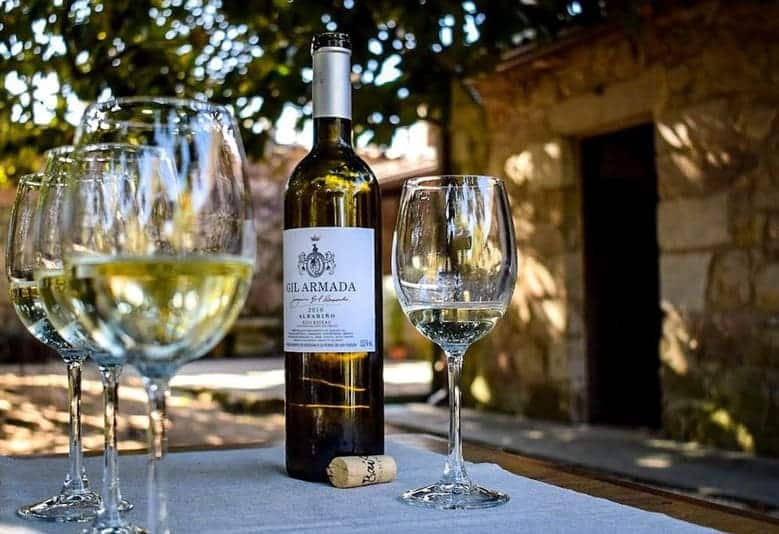
Welcome to the world of Albariño

Say “Galicia” to any Spanish wine lover and the first thing they’ll think of is the region’s Albariño white wines.

Home to the revered Rías Baixas Denomination of Origin, this green landscape uses its stormy climate to produce one of the best white wines in the world — an essential thing about Galicia.

Welcome to the world of Albariño

With its refreshing acidic taste, Albariño is absolutely perfect with fish and seafood — convenient, since Galicia is famous across Spain for the country’s best seafood.

Walking to Santiago de Compostela

Galicia’s capital has an almost mythical status worldwide. Beyond having one of the world’s oldest universities, it’s the final destination of the Camino de Santiago pilgrimage.

Hundreds of thousands of pilgrims make their way here every year. Arrival marks the end of weeks or even months of introspection, stunning landscapes and more than a few aches.

Walking to Santiago de Compostela

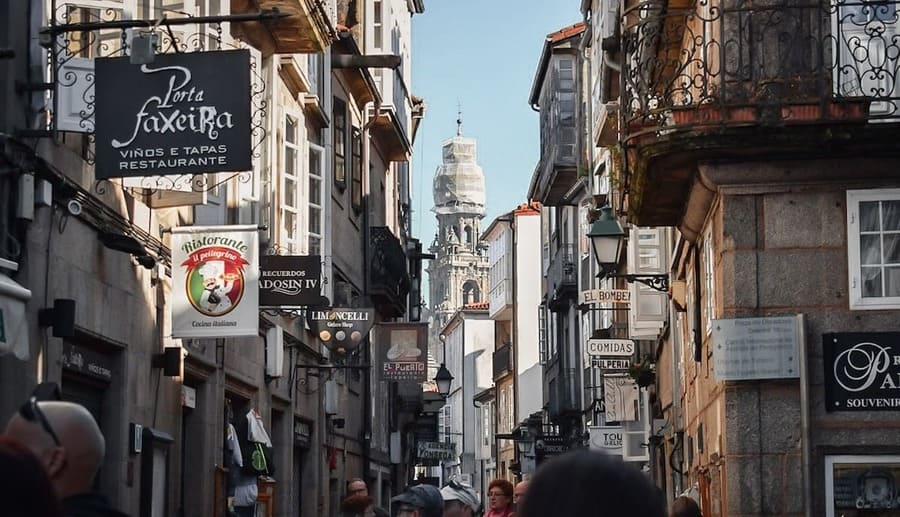
The Old Town of Santiago de Compostela

Another essential — Santiago is a city you can wander aimlessly for days and still stumble on hidden corners. Whitewashed walls and exposed stone, red tiles and brave palm trees. Small shops, bars and restaurants line the cobbled streets and narrow alleys.

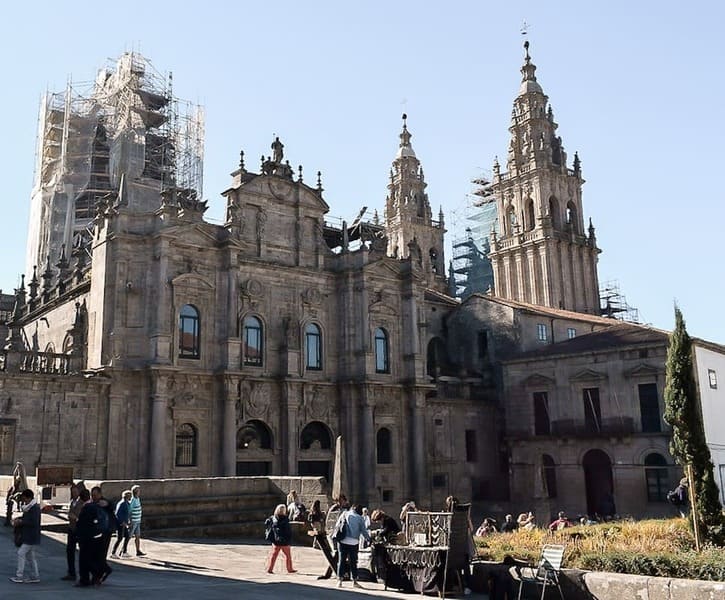
The iconic Cathedral of Santiago de Compostela

The cathedral’s Gothic spires and imposing façade are iconic. The interior is equally impressive, with bright frescoes and gilded furnishings. It is, after all, the final resting place of Saint James the Greater, one of the 12 apostles of Jesus.

You can tour the cathedral and its upper floors and terraces for spectacular views, plus the museum.

Pazo de Galegos

About 15 km from Santiago, this rural mansion houses one of Galicia’s oldest vineyards and has a colourful history. The vines belonged to writer Antonio López Ferreiro — canon of Santiago Cathedral and founding member of the Royal Galician Academy. He was even responsible for discovering Saint James’s tomb.

Dive into Galicia’s famous seafood in Vigo

Daily life in the charming port city of Vigo revolves almost entirely around the sea. Famous for its thriving fishing industry — see why Galicia is so regarded for the best seafood restaurants.

The exceptional fish quality is the result of coastal upwelling, making the waters extremely nutrient-rich. Add a few bottles of Albariño and you may not want to leave…

The Old Town of Vigo

Plaza de la Constitución, the heart of Vigo’s old town

Vigo’s old town smells of the sea — perfect to enter the local lifestyle. Find a sunny terrace and order a drink. Every drink comes with a small free tapa.

Oyster Street

Rúa da Pescadería, or “Oyster Street”, is a must in Vigo. Order drinks from the bar owners, then oysters from the women on the street. Drizzle with lemon and pair with wine.

Eat like a sailor in Bouzas

Vigo’s old fishermen’s neighbourhood. Locals eat fresh, affordable seafood. Try squid in its ink and the classic pulpo a la gallega. Don’t miss the lobster rice and house wine served in huge clay jugs.

Live like a king in Cambados

A small gem in Pontevedra — natural beauty, historic buildings, an imposing palace, local wines and great people.

Views from the Pazo de Fefiñanes rooftop

Pazo de Fefiñanes

The 16th-century palace built by Don Juan Sarmiento Valladares, advisor to King Philip II. Passed to the Marquises of Figueroa, whose descendants still live here. Wide bedrooms and dining rooms seemingly untouched for centuries. An impressive rooftop terrace on the fortress-like tower offers spectacular views.

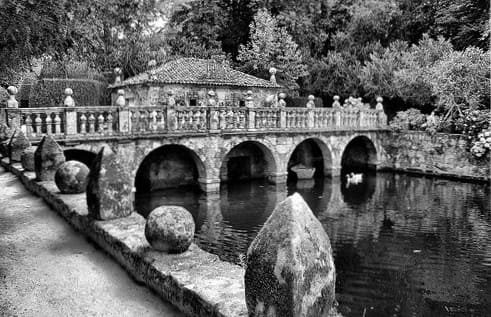
Secret gardens

Storybook Baroque gardens transport you to a time of melancholic romance — boat ponds, hidden cosy corners for romantic interludes, intricate mazes, thriving vegetable patches and glorious sculptures.

Castro de Santa Trega Archaeological Site

The highlight — hiking up Mount Santa Trega through pine and eucalyptus forests to the ancient Castro de Santa Trega site, inhabited between 100 BC and 100 AD and surprisingly well preserved. Its elevated position offers spectacular views over the Miño estuary into Portugal.

Galicia’s Dramatic Coast of Death

Galicia, the north-west province of Spain, is undoubtedly one of Spain’s most dramatic parts. The adjective applies not only to the landscape but also to the history and the many tales and legends of saints, witches and the devil that abound here. The Coast of Death of Galicia is a place you can’t miss on your route.

The Coast of Death of Galicia

The Coast of Death covers a long stretch of the Atlantic from Cape Finisterre to Camariñas and beyond. The name comes from the many shipwrecks claimed by fierce storms and dangerous rocks. Local tradition says not all disasters were nature’s work — human scavengers also played a part, tying torches to cows’ horns to mimic lighthouse fires and lure unsuspecting sailors to their deaths.

The coast is best explored from Santiago de Compostela to the east or La Coruña to the north. There are 85 km of winding roads from Santiago to Finisterre, first to Muros and then Finisterre.

Cape Finisterre

For many pilgrims, the final destination isn’t Santiago’s cathedral but the lighthouse on top of Mount Facho marking the “End of the World” as Romans called it. Cape Finisterre is not the westernmost point of Europe though — Cape da Roca in Portugal is, 16 km further on.

At the foot of the lighthouse, perched on a rock, is a bronze boot where many pilgrims symbolically celebrate the end of their spiritual journey by burning their travel clothes and shoes.

The lovely coastal fishing town of Finisterre is nearby. Walking from the cape offers great views and spectacular beaches like O Rostro, Arnela or Langosteira. White sand and crystal-clear water — but you’ll need a really hot summer day to venture in, the water is much colder than the Mediterranean.

Cape Finisterre

Beyond tourism, Finisterre lives off fishing. Don’t miss La Lonja, the open hall where the latest catches are noisily auctioned.

A fishing museum next to La Lonja exhibits and documents the harsh life of fishermen and the most spectacular shipwrecks on the Coast of Death.

The region’s Celtic origins are evident in sacred stone tables and chairs — local tradition says lying or sitting on them brings spiritual strength.

Camariñas

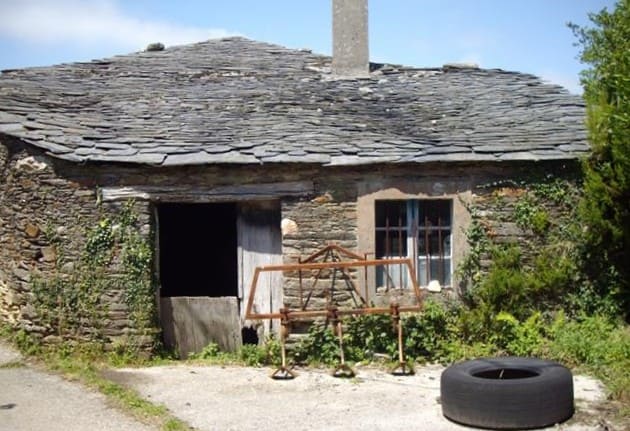
The trip from Finisterre to Camariñas leads through the most typical example of rural Galicia. Stone bridges cross small rivers, pine forests line both sides, sheep and cows graze in meadows and people live in low stone houses, some very small.

Camarinas

Rural Galicia

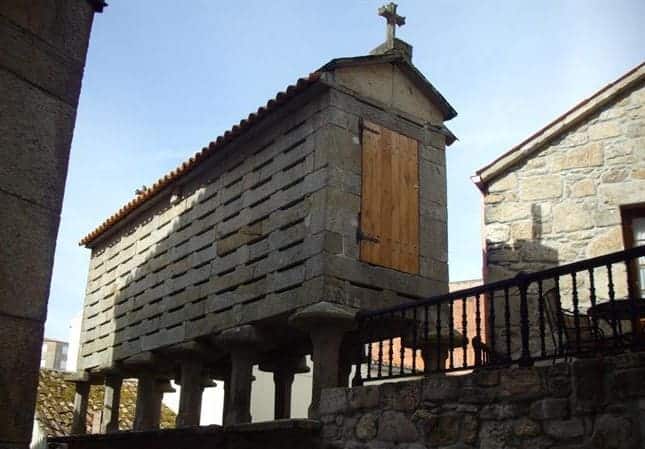
Everywhere you’ll find one of Galicia’s typical features: hórreos. At first glance they look like chapels because they all have a cross on top, but they’re actually storage units for grain and food. Made of stone with ventilation slots and erected on stone stilts to keep grain dry and out of reach of mice, rats and other vermin.

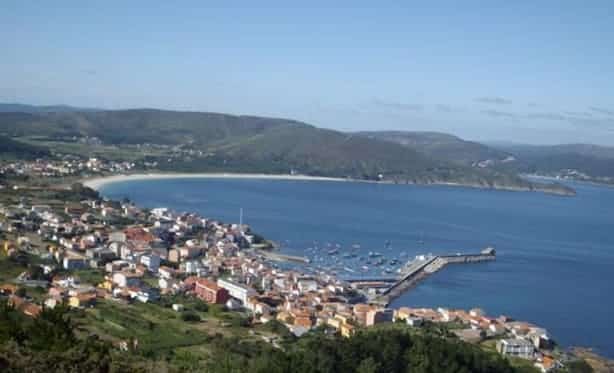
Back on the Atlantic, Camariñas is a quiet, picturesque fishing village. Built around a semicircular bay that invites a walk along the seafront. Camariñas is also Spain’s lace centre — shops along the main street sell beautiful curtains, scarves, pillowcases, tablecloths and many other lace-decorated items.

Rural Galicia

Visit the Lace Museum, exhibiting everything related to lace and fine examples of Spanish designer dresses decorated with Camariñas lace.

Cape Vilán

The spectacular Cape Vilán lighthouse is nearby. The road leads along Monte Blanco, Europe’s largest sand dune. The whole area is a nature reserve due to its vegetation and seabirds — kittiwakes, cormorants and gannets.

Cape Vilán is the site of one of the most tragic shipwrecks in the Coast of Death’s history. In 1890, a tall British ship called The Serpent, carrying 175 naval cadets, crashed on rocks near Cape Vilán. All but three sailors drowned. The dead were buried in what’s called the English Cemetery — a monument to the tragedy. A tribute is held every year. Since the 15th century there have been over 800 shipwrecks here.

After The Serpent’s crash, a new lighthouse was built in 1896 — the tallest in Spain at the time and the first to run on electric light.

Galicia's dramatic Coast of Death

A visit to the Coast of Death gives unique insight into the region’s rural life, untouched nature, abundant wildlife and the true nature of the sea.

Plans to Travel to Galicia

Planning to travel to Galicia soon? This Spanish autonomous region is one of the favourites for great holidays or a weekend getaway. Here’s a guide to plan your trip.

Cuisine, history, art, architecture, coast and sea — just a few things you can enjoy in this fascinating region. Family, friends or partner — you’ll have a wonderful trip.

Galicia is a big region, so pick what to visit: ancient villages, beaches, museums, food, the Way of Saint James and more.

Best time to travel to Galicia

Evaluate the climate. Experts say there are two months when it’s a must to visit — but it’s worth visiting any time.

Best time to travel to Galicia

Summer! The best time — June to August, warm and sunny, 20–25°C. Perfect for coastal walks, the Camino, beach, squares, tapas and wine.

In winter, 10–12°C. Many enjoy this winter climate. Note that autumn and spring are very rainy.

Places to travel to in Galicia

Way of Saint James

Not exactly a place but the most popular activity. The pilgrimage to the tomb of Saint James the Greater at the Cathedral.

Places to travel

Rías Baixas

A summer option with many unmissable cities — Pontevedra, Vigo, Cíes Islands. Beaches and natural parks, sports activities, architecture and history.

Rías Baixas

Ribeira Sacra

For hiking — wild landscapes and pure nature. The best option for nature and forests, adventure and a couple’s getaway.

Best routes to travel to Galicia

Bus, car, plane — depends on your budget and time.

Plans to travel to Galicia

By plane to Santiago de Compostela, then start the trip. Renting a car is a good option to move freely and visit magical villages on the way.

You can also take buses at good prices on set schedules. Remember you can walk or use bicycles in some cities. Include these costs in your plans.

Pontevedra, Sanxenxo and Portonovo

If you’re planning a trip to Pontevedra, Sanxenxo and Portonovo in the coming days, here’s what to know about the best places in these hidden territories of Galicia with great potential.

What can you do in Pontevedra, Sanxenxo and Portonovo?

The main advantage is that these Galician towns are very close to each other, so you can go from one to another in minutes and see the best of each.

Some must-dos:

Get to know the Juan Carlos I Marina

If you want to try Galicia’s wonderful wine, the Juan Carlos I Marina in Sanxenxo is a great plan. Bars and terraces offer a drink and excellent Galician food while you watch the yachts go by.

Portonovo Fishing Port

Another must — try the best Galician fish here or buy it to cook at home with family or friends.

The Craft Fair

In Portonovo there’s a popular market with a craft fair. Buy souvenirs and support local crafters. Only between June and September.

Visit Panadeira Beach

One of the smallest beaches but among the most welcoming. Great for enjoying the calm waters of Galicia, with views of the marina and the Pontevedra estuary.

what to do in Pontevedra, Sanxenxo and Portonovo

How to visit Pontevedra, Sanxenxo and Portonovo?

There are several options. By private car, planning your itinerary; or — recommended — hire a tour company specialised in Galicia.

Some tips:

Consider the experience

Hire an experienced agency for great service at accessible prices.

Watch your budget

Budget matters — food and lodging are inevitable. A specialised tour agency offers a more affordable rate considering the number of travellers.

How to visit Pontevedra, Sanxenxo and Portonovo?

The best places to visit

You’d need several days to see all the offerings. With a tour company you’re guaranteed to see the most important spots and learn the local history.

Pontevedra, Sanxenxo and Portonovo

Ten Different Plans to Do in Galicia

Galicia is, ultimately, a unique territory where you can enjoy the amazing traditions of its local culture. During autumn it’s one of the best destinations to be wrapped up by its magical lands. Here we’ll go through the best different plans to do in Galicia during your stay.

The best different plans to do in Galicia

Galicia is authentic and would take a couple of weeks to tour entirely. Organising a trip here means setting a defined itinerary so you can enjoy everything during your stay.

Here are the best different plans to do in Galicia:

1. Walk the Lighthouses Route

If you’re a hiker, the Lighthouses Route is a must — over 200 km from Malpica to Finisterre, stopping at each lighthouse. Fun but physically demanding — prepare beforehand, or take a shorter section.

2. Visit the Chavasqueira thermal area

One of the must-do plans is the unforgettable thermal waters. Chavasqueira is a thermal circuit running on zen philosophy.

3. Stay at Carris Casa de la Troya hotel

It was Doña Generosa’s house — widowed, she turned it into student lodging. Over the years it became a hotel. It inspired Alejandro Pérez Lugín’s novel “La casa de la Troya”.

4. Walk the Rías Baixas Wine Route

A series of stops at wineries to taste the best flavours Galicia exports.

ten different plans to do in Galicia

5. Spend a night near Estaca de Bares lighthouse

Hotel Semáforo de Bares — a 19th-century military building. Just 6 rooms, very private. Views of the lighthouse and cape.

6. Walk the shellfish route

Seafood is a hallmark of Galicia. The shellfish route starts with the descent to the beach to see the process up close.

7. Eat in A Coruña

Restaurants offer tasting menus and high-cuisine flavours focused on regional dishes.

8. Go for a picnic

Beautiful spots for a picnic — forest, beach or mountain.

best different plans to do in Galicia

9. Tour the museums of Galicia

For history lovers — the Science and Technology Museum and Domus Museum stand out.

10. Visit a virtual reality centre

If you have young kids, a VR centre is an innovative, fun plan.

visit a virtual reality centre