Skip to content

Tips for Walking the Camino de Santiago

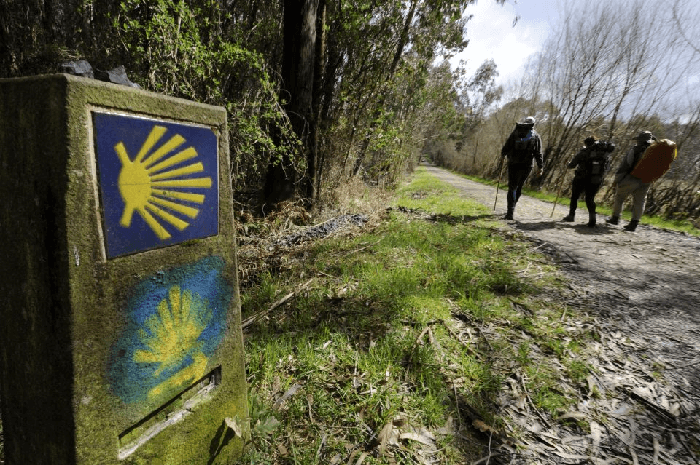
The Camino de Santiago is one of the largest Christian pilgrimages, and the oldest — dating to medieval times. It heads to the tomb of Saint James the Greater in the Cathedral of Santiago. Several routes — here are tips for walking the Camino.

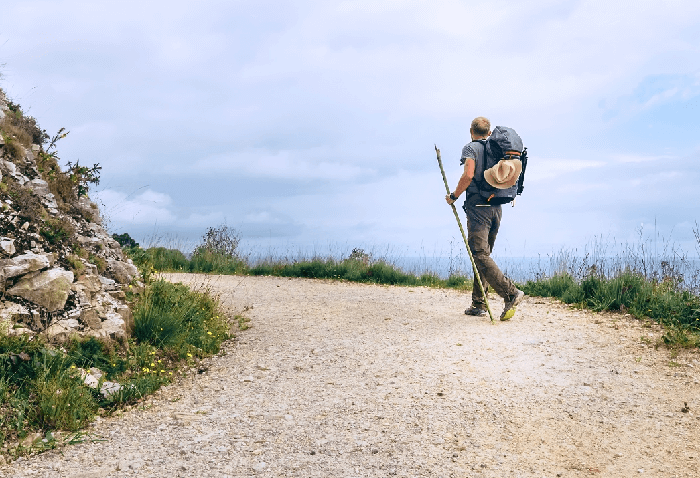
If this is your first time, remember it takes physical and mental effort and good preparation. Backpack, footwear, suitable clothing, food and more matter.

Multiple starting points exist; depending on which you choose, duration and kilometres vary — from five days to a month. It adapts to your time and conditions.

Tips for the Camino: what to bring

It demands physical and mental effort, plus prior preparation. Aspects to know before setting off:

Backpack weight

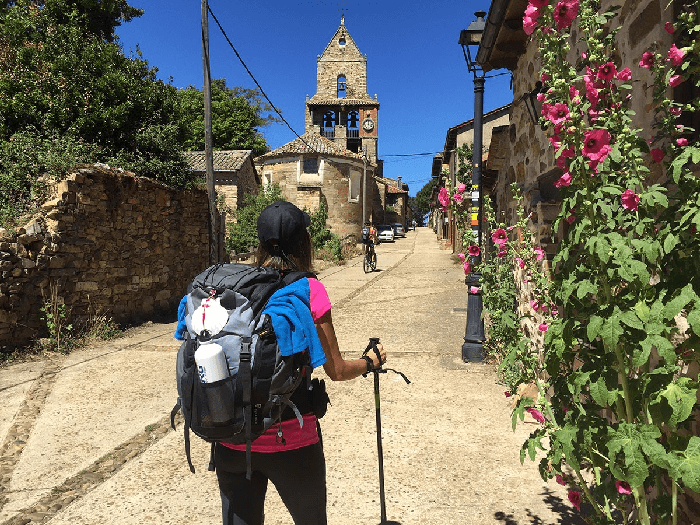
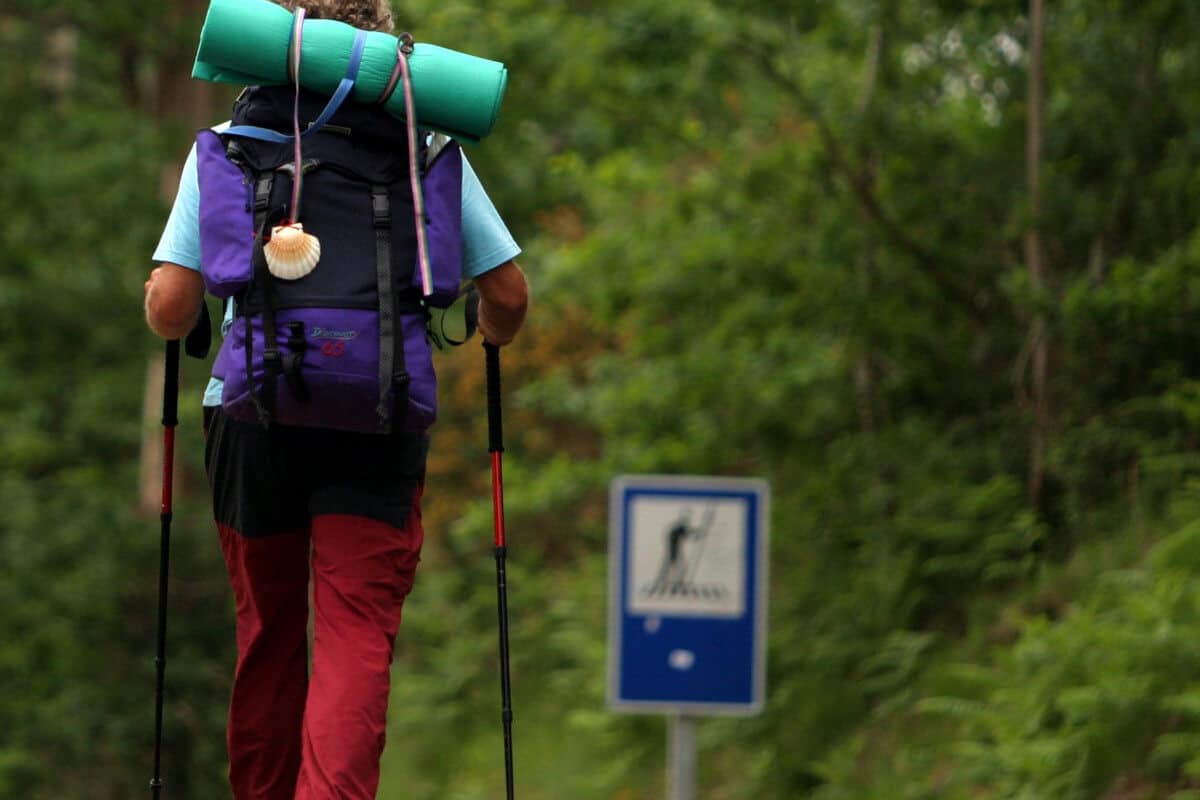
The first key tip. Keep it as light as possible. Basic rule: weight should not exceed 10–12{0c4b52101edf59c43bd9ea9c33002dad18a168785976cd7d994d2e239557c454} of your body weight. Never over 10 kg, including water. Carry only the essentials — you’ll carry it for a week or up to a month.

A model with waist strap is recommended for proper weight distribution. Pack the sleeping bag at the bottom and clothes on top; keep small items in side pockets for easy access.

things to bring on the Camino

Right footwear

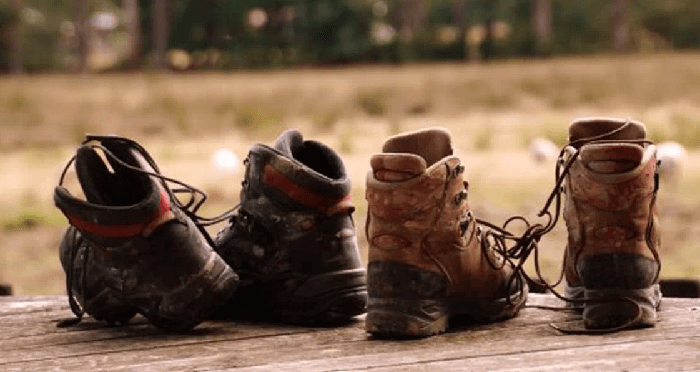
Your feet should be as comfortable as possible. If no rain, sports shoes with anti-blister or breathable socks. If raining, waterproof boots.

clothing for the Camino

Massage your feet while walking to boost circulation. Apply Vaseline before putting on socks to prevent blisters; carry plasters as backup. Recommended: rest shoes or spares, plus flip-flops for hostel showers.

At the hostel, stuff newspaper into your shoes to remove moisture. Some use sanitary towels to absorb sweat — it protects your feet.

Clothing

Bring the minimum: a long trouser, shorts, a hoodie and several t-shirts. Socks and underwear can be enough. You can wash in hostels and rotate clothes.

Food

Bring only what you need for the day — nuts, fruit, chocolate, protein bars. Three stops per day; buy the next day’s food the night before.

Carry plenty of water. There are fountains along the way but not always nearby — keep a good reserve.

Tips for the Camino

tips for walking the Camino

  • Physical preparation: at least two months in advance. Train with the shoes you’ll wear, starting short and increasing distance, slopes and obstacles.
  • Best time of year: spring (late April to May) and early autumn (all September and first half of October). Many do it in summer for time off.
  • Plan the route: choose the starting point, daily distance, hostels and breaks. Planning helps you meet the schedule.

routes to walk the Camino

Camino de Santiago Pilgrim Credential

If this is the year you’ve decided to walk the historic Camino de Santiago, here’s all you need to know to make it unforgettable. Getting the Credential is vital — here’s what it does and where to get it.

This passport-like document lets you collect stamps from the hostels and places you pass through. It’s also needed to stay at hostels and to obtain the Compostela in Santiago.

The Credential is a triptych with boxes for stamps, pilgrim data, maps, routes and Camino information. There are different models; the official one is recommended — though not mandatory, some hostels require it to issue the Compostela.

What is the Camino Credential for?

Uses of the Camino Credential

The Credential is the easiest way to identify each of the thousands of pilgrims who walk every year. It’s also used to collect the stamps you get at hostels and waypoints to request the Compostela on arrival.

Recommended for all pilgrims for easier hostel access. “La Compostela” is only issued after proving you walked a set distance — the Credential serves as proof through its stamps.

Space for stamps is limited — stamp only where you sleep so you don’t fill the document. If you want every stamp, keep a separate diary.

How to get the Camino Credential

How to get the Camino Credential

Quite simple — usually requested at a church or its institutions; you can even ask in your own city with time. Associations of Friends of the Camino and public institutions can also issue them.

Symbolic price of €1.5–€2 depending on the issuer. You must present your ID or passport, and the request must be made in person.

If you’re travelling to Galicia for the Camino, try to get it before leaving. Otherwise you can do so on arrival at Camino churches or some hostels. At the Church of Santa María la Real of O Cebreiro you can request it for €1.50.

Where to get the Camino Credential

Where to request the Camino Credential

Easiest to request at Camino churches and parish churches in many points of Spain and Europe by prior arrangement. Also at Jacobean Associations — some accept online or phone requests. On route you’ll find many refuges and hostels too. Many websites offer online applications.

Some places to get the Credential:

  • Cathedral of Santiago, Pilgrim’s Office — tel. 981 562419, fax 981566030, oficina.peregrinos@planalfa.es. Recommended for large groups.
  • Roncesvalles: Pilgrim’s Office.
  • Larrasoaña: Hostel, ask for D. Santiago Zubiri.
  • Pamplona: Hostel. Also at the University of Navarra campus.
  • Estella: Hostel.
  • Logroño: Hostel.
  • Santo Domingo de la Calzada: Hostel, Brotherhood of the Saint.
  • Burgos: Hostel.
  • León: Municipal hostel.
  • Astorga: Municipal hostel.
  • Ponferrada: La Encina Parish, Hostel and Association.
  • Molinaseca: Alfredo’s hostel.
  • Villafranca del Bierzo: Ave Fénix hostel.
  • O Cebreiro: Church and hostel.
  • Sarria: Hostel.
  • All Camino Associations.

The Connection Between the Goose Game and the Way of Saint James

Many of us played this famous game as children, but few know how it came to be. The Goose Game and the Way of Saint James share a close origin. Here’s why.

History and connection between the Goose Game and the Camino

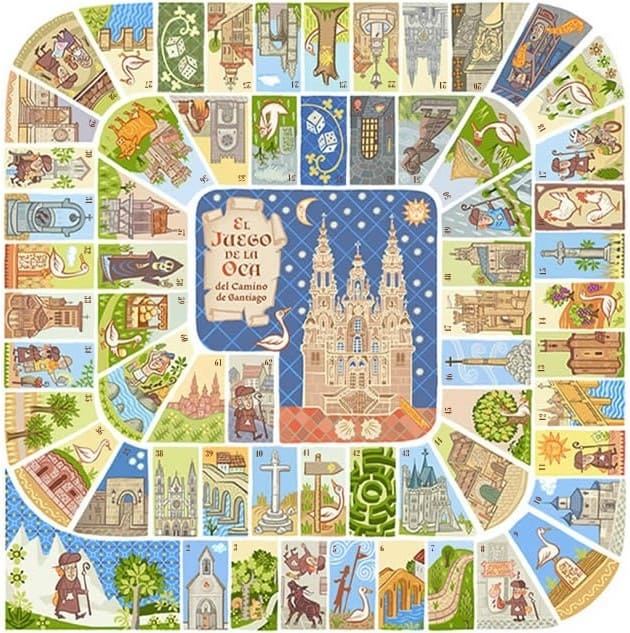
Some theories say the Goose Game was created by the Knights Templar, who protected pilgrims on their way to holy cities like Santiago, Rome or Jerusalem. It’s a game from the French Way starting in Somport, beautifully represented on the boards showing the famous stops along the way.

The link is more than obvious. The “Callis Ianus” route between Cape Creus and Touriñán was divided into 63 stages (24 km each), matching the 63 squares of the Goose Game. After the Christianisation of the route, those who knew the original way preserved it as a board game. To ensure pilgrims reached Santiago safely, creators included hazards corresponding to truly difficult places — some in Castile and León.

Examples of squares on the board

You’ll find Puente de la Reina in Jaca, Puente de la Reina in Navarre, the Estella bridge, San Marcos Hospital in León (a prison), O Cebreiro (the goose square), Santiago (the dead square) and Finisterre (the final goose).

There are other symbolic spots: La Posada (representing inns), Los Pozos (the inevitable bad days during the pilgrimage), El Laberinto (possible physical losses) and Los Dados (the element of chance — delays and progress).

examples of squares on the board

Why the goose?

The game was originally used as a guide. As most of the population was illiterate, they needed a map with images. The goose was chosen because it’s a migratory animal that flies east to west, finally reaching Finisterre. A clear symbol of wisdom, always present in the daily life of Camino inhabitants, who serve as its guardians.

This animal also appears in stop names: Castrojeriz (city of geese), Villafranca Montes de Oca, El Ganso, Ocón, Puerto de Oca, Manjarín (man of geese) and the Arga river.

Why the goose?

Curiosities and connection between the Goose Game and the Camino

The number 9 also plays a key role:

  • Between each goose square there are 4 or 5 squares (5+4=9).
  • The last square (the “Great Goose”) is square 63 (6+3=9).
  • There were 9 founders of the Knights Templar.
  • In tarot, the 9th card is the Pilgrim, who with a staff advances in darkness to find wisdom.
  • The designers of the Cathedral of Santiago and its Pórtico de la Gloria built it around the number 9.

The connection between the Goose Game and the Camino

What does the game involve?

A spiral board with 63 numbered spaces. Players roll dice and move their piece forward. Each space has an image; depending on where you land, some rules apply (re-roll, return to start, advance a number of spaces…). It’s called the “Goose Game” because many spaces have a goose — landing on one means you can roll again.

what does the game involve?

The Way of Saint James as an Example of Tourism Respectful with the Environment and Traditions

At the Iacobus Mundi International Congress: Jacobean Cities and Territories of the World, held in Compostela, the President of the Xunta of Galicia, Alfonso Rueda, noted that the Way of Saint James is a great example of tourism respectful with the environment, due to the tourist and traditional activities carried out along it.

The Way of Saint James — Spain’s best example of respectful tourism

benefits of ecotourism

The Way of Saint James is one of the most famous routes in Spain, walked every year by thousands of tourists heading to the cathedral where the remains of Saint James the Apostle rest. This tradition has been kept alive for centuries in Galicia and is one of the main worldwide tourist attractions.

That’s why the Iacobus Mundi International Congress is held periodically, attended by representatives from different countries where Jacobean routes exist. It’s one of the most important congresses for tourism in Galicia. During the opening, the President of the Xunta unveiled the Camino as a perfect example of environmentally respectful tourism.

Why is it considered the best example of environmentally respectful tourism?

Once Covid-19 restrictions ended, the Camino was taken up again with greater momentum. In 2022 over 400,000 tourists walked the routes, with more than 2,000 reaching the central pilgrimage point each day.

Why is it the best example of environmentally respectful tourism?

Walking the Camino is a challenge that demands physical and spiritual capacity. Pilgrims can truly connect with natural spaces preserved for centuries.

The routes to Santiago have been the best example of environmentally respectful tourism because they’ve focused for centuries on preserving these paths symbolic of tradition and faith.

The President also highlighted that, beyond spiritual, sporting and tourist reasons, another reason thousands of tourists come every year is that this is the fruit of centuries working to turn Compostela into a true capital of faith.

Benefits of ecotourism

Ecotourism, or environmentally respectful tourism as experienced in Santiago, is a perfect example for all other tourist points in Spain. Ecotourism brings great benefits, including:

  • Biodiversity in natural areas is maintained.
  • Local culture and traditions are respected — customs, values and even architecture.
  • It generates new employment opportunities while caring for native traditions.
  • It enables local prosperity.
  • It provides satisfaction to tourists, who want to return and encourage others.

Environmentally respectful tourism cares for natural spaces while enjoying them. Compostela has attracted tourists and pilgrims for centuries, and now that caring for the environment is more important than ever, it’s necessary to move spaces towards sustainable tourism.

How to visit Santiago de Compostela?

If you want to know Compostela, no better way than on your next holidays — through all the possibilities offered to tourists and pilgrims. Hire a specialist tour agency for advice and company along the way.

The Camino as an example of environmentally respectful tourism and traditions

In short, Santiago de Compostela is the best example of environmentally respectful tourism — worth experiencing in person.

RTVE Premieres “Caminos de Santiago. Between Heaven and Earth”

The Way of Saint James is one of the most important routes in Galicia. Year after year it welcomes thousands of tourists to the cathedral of Santiago de Compostela, where the remains of one of the most important disciples in Catholicism rest. RTVE has now paid tribute and told its story.

What is “Caminos de Santiago”?

Caminos de Santiago is the title of the TV movie recently unveiled by RTVE on its second channel. It’s a collection of seven episodes that delve into the paths leading to one of the most important tourist destinations in Europe.

reception of this TV movie nationally

The first episode is an introduction to the miracle of Xacobeo, the tradition that holds it all. The second details the Northern Way, one of the most important routes used by thousands of pilgrims through history.

Other episodes include one devoted to King Alfonso II of Asturias, known as the first pilgrim to Santiago, who created the Primitive Way.

Episode four shows the pilgrimage in Oporto; episode five looks at the French Way through Navarre and La Rioja.

Episodes six and seven tell of the Old Castile and León route, through Burgos. The TV movie ends in the “field of little stars”, where the landscape makes all the sacrifice of the trip worth it.

National reception of “Caminos de Santiago”

The TV movie has been well received — a very well produced piece that aims to transport viewers to a sense of national feeling. 4K quality scenes make it excellent material.

It’s not just 4K — drones and helicopters were used for better landscape shots.

What is Caminos de Santiago?

What is the Way of Saint James?

With 800,000 km and over 300 routes spread across Europe, here we can replace “all roads lead to Rome” with “all roads lead to Santiago”.

Today, it’s much more than a religious pilgrimage. Thousands of tourists worldwide identify Santiago de Compostela as the capital of pilgrimage, contemplation and popular piety.

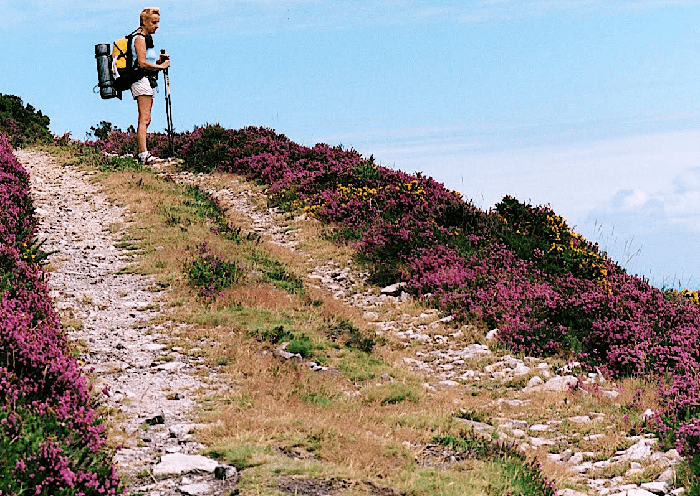
Walking the Camino isn’t only about religious fervour — it’s also a chance to see unforgettable landscapes, with stones, bridges, hermitages and even monasteries.

The Way of Santi

RTVE premieres Caminos de Santiago

The TV movie opens with the first part, “Santi’s Way”, the appetiser of the whole documentary, with a very interesting and entertaining story.

It begins with a reunion of old friends who decide to walk the Camino from their respective countries to meet in Compostela. Days before the start, Santi, one of the most charismatic friends, is diagnosed with a tumour.

Santi asks them to walk in his name and share their progress on social media. So they set off, recounting the most memorable points.

The Xunta Promotes the Winter Way with an Exhibition

The Way of Saint James is one of Galicia’s main tourist attractions, drawing countless visitors year-round. The Xunta has now started promoting the Winter Way with the exhibition “Caminamos para parar” (“We Walk to Stop”).

What is the Winter Way?

the Winter Way, a forgotten path

To reach Santiago de Compostela, there are different Jacobean routes — paths leaving from many parts of Europe and leading to the cathedral where the remains of Saint James lie.

The Winter Way is a route to Santiago that, during medieval times, was used in the harshest part of the year so pilgrims could arrive even in very cold seasons like winter — hence the name.

While winter is the ideal season for it — it avoids the heavy snow on other routes — it can be walked at any time of the year, including summer.

The Winter Way is a forgotten path

Although the route offers great advantages, today it’s one of the least travelled. It’s estimated that only 500–700 pilgrims walk it each year.

That’s why several promotional efforts are being made to invite tourists to discover Galicia via this fascinating route.

The Xunta has unveiled an exhibition to promote the route

The Xunta of Galicia took this on as a task, presenting “Caminamos para parar. El camino de Invierno” with renowned artists such as Miguelanxo Prado and Rita Sabler.

The aim is to make this route known, starting in Ponferrada, through the illustrations and perspective of these two recognised artists.

How was the presentation done?

What is the Winter Way?

To design the show, the two artists walked the Winter Way themselves. Leaving in September, it took them nine days to complete the route.

From O Barco de Valdeorras to Santiago, they portrayed the landscapes and standout elements that caught their attention — buildings, churches and landscapes.

The project also includes postcards, photographs and videos that will be shown at the Pilgrimage Museum of Santiago de Compostela, so tourists can get close to the artists’ experience.

Visitors will get a black-and-white postcard as a souvenir to send as a gift to someone special.

The importance of the Camino in tourism

The Camino is one of the most important tourism points in Galicia. Many tourists head there for piety, physical activity or to be close to the apostle’s resting place.

The Xunta promotes the Winter Way with an exhibition

New alternatives are being explored to bring the Camino to the world, and highlighting the less travelled paths is an excellent strategy.

The Winter Way is one of the routes with great relevance to the history of pilgrimage to Santiago. The exhibition raises great expectations.

Ten Routes to Reach Santiago: The Official Paths to the Apostle

The Way of Saint James is one of the most important pilgrimage routes in the world. There are several routes to visit the relics of Saint James the Apostle, so today we’ll tell you all about the most popular paths to Santiago.

The 10 most popular paths to Santiago

Today, it’s said there are so many paths to Santiago that they’re not easy to count. The tradition has been around for centuries, and new routes have allowed pilgrims to reach Santiago from many parts of Europe.

1. The French Way

Of all the paths to Santiago, the French Way is the best known and most popular. The route has been documented since the early 1100s, making it one of the oldest.

the French Way

The French Way can start from Roncesvalles or Somport as the entry to Spain. It then passes through Santo Domingo, Burgos, León, Ponferrada and El Bierzo. On reaching Galicia, the path is the traditional route to Santiago.

2. The Mozarabic Way via Vía de la Plata

You enter through southern Spain, starting in Andalusia or Extremadura. One of the most important paths in the Middle Ages: 27 stages that let you enter Galicia via Vía de la Plata.

3. The Primitive Way

Considered the oldest pilgrimage route. It starts in Oviedo, and reaching Galicia, nine stages take you to Santiago de Compostela.

In 2015 it was declared a UNESCO World Heritage Site.

4. The Way of Fisterra and Muxía

Known as the epilogue/continuation of the Way of Saint James. It doesn’t end in Santiago — it starts there, heading to Cape Fisterra.

Ten paths to reach Santiago

Pilgrims who want to discover more of Galicia after reaching Santiago take this route to see another natural wonder.

5. The English Way

The English Way dates back to early centuries, when British and Irish people used these routes. Through A Coruña and Ferrol, they headed to Santiago, passing the Tower of Hercules, Andrade Castle and As Fragas do Eume.

6. The Northern Way

One of the lesser-known today, but very relevant in the Middle Ages. It was used especially in cold weather, i.e. winter. You enter Galicia via the Ribadeo estuary and walk about 190 km to Santiago.

7. The Winter Way

Along with the Northern Way, the Winter Way is well known for cold weather. You enter Galicia traditionally, starting in Ponferrada.

8. The Portuguese Way

It starts directly in Lisbon and from there a route enters Galicia through Tui. It’s a perfect example of the global recognition of the Camino.

the 10 most popular paths to Santiago

9. The Portuguese Coastal Way

Another path starting in Portugal, this time from the Miño river. Goes through A Guarda, Oia, Baiona and Vigo to Redondela, where it follows the same route as the Portuguese Way.

10. The Sea Route

A maritime route that honours the journey the apostle’s body took to reach Galicia, after his martyrdom in the year 44.

The Way of Saint James (History and Today)

The Way of Saint James, one of the world’s most visited pilgrimage routes, remains one of the most thrilling places to discover in Spain.

Its history dates back to very remote times and today it still welcomes thousands of faithful on its paths, hoping to meet all the spirituality these trails hold.

The 1,600 kilometres of more than 1,000 years of age that make up the Way of Saint James all share the same final point: the Cathedral of Santiago de Compostela, where the remains of the apostle Saint James rest.
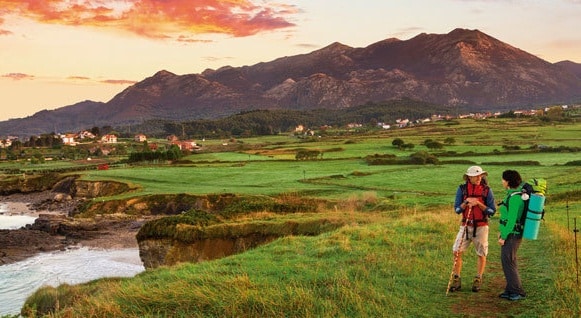
What is the Way of Saint James

History of the Way of Saint James

The history of the Way of Saint James is full of mysteries and legends that enrich the natural appeal of these Catholic pilgrimage paths.

The apostle Saint James

The official history tells that the body of the apostle Saint James, who had died some 800 years earlier, had been carried by two disciples to the city of Iria Flavia in Galicia in a boat guided by angels.

It is said that this route, known as the Way of Saint James, was the one the apostle used in his evangelising mission, and that is why his remains were buried at the furthest point he visited.

The body of the apostle Saint James was discovered by a shepherd named Pelayo in a field in Galicia, and he was the one who would notify King Alfonso II of the discovery.

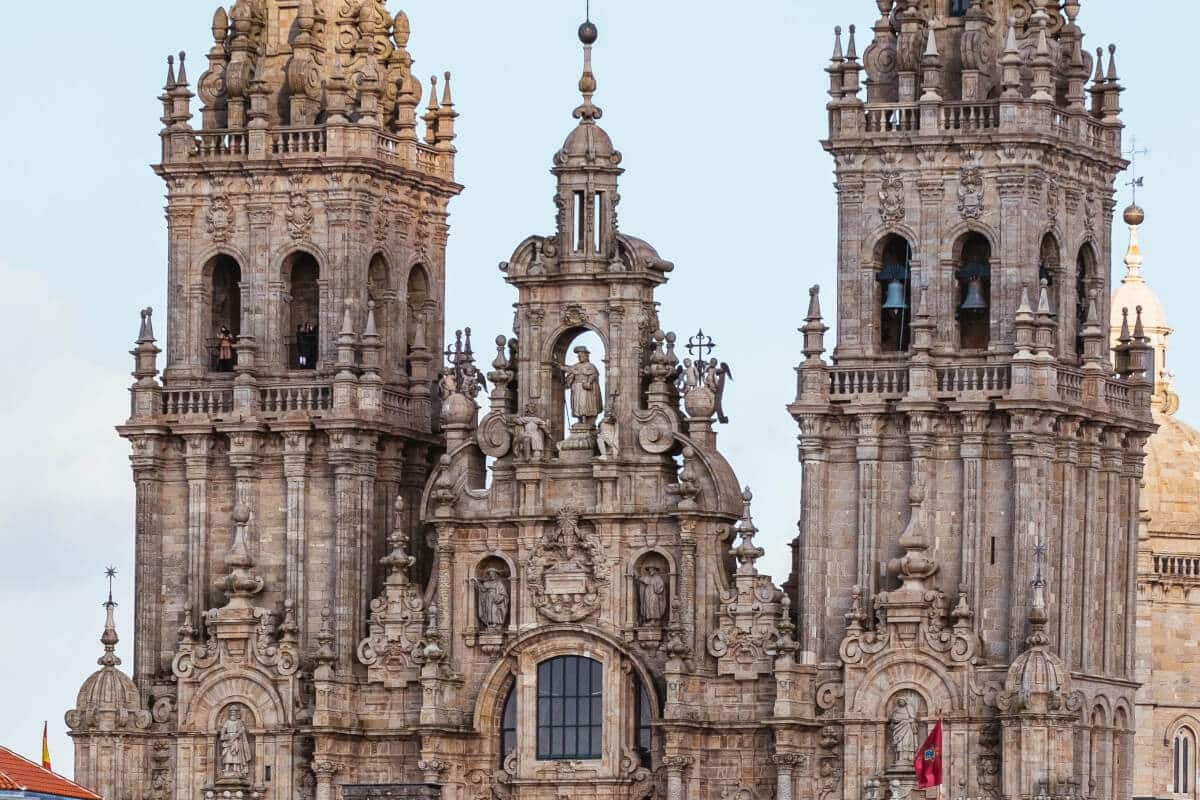
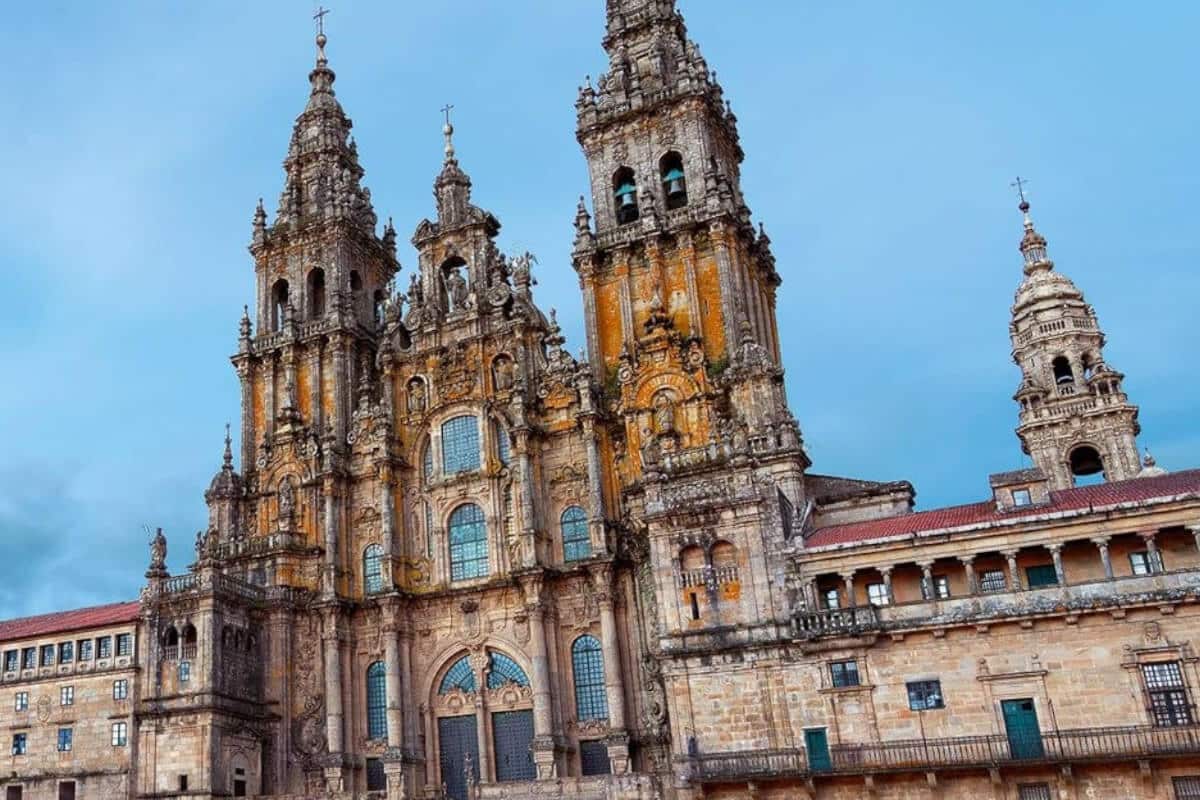
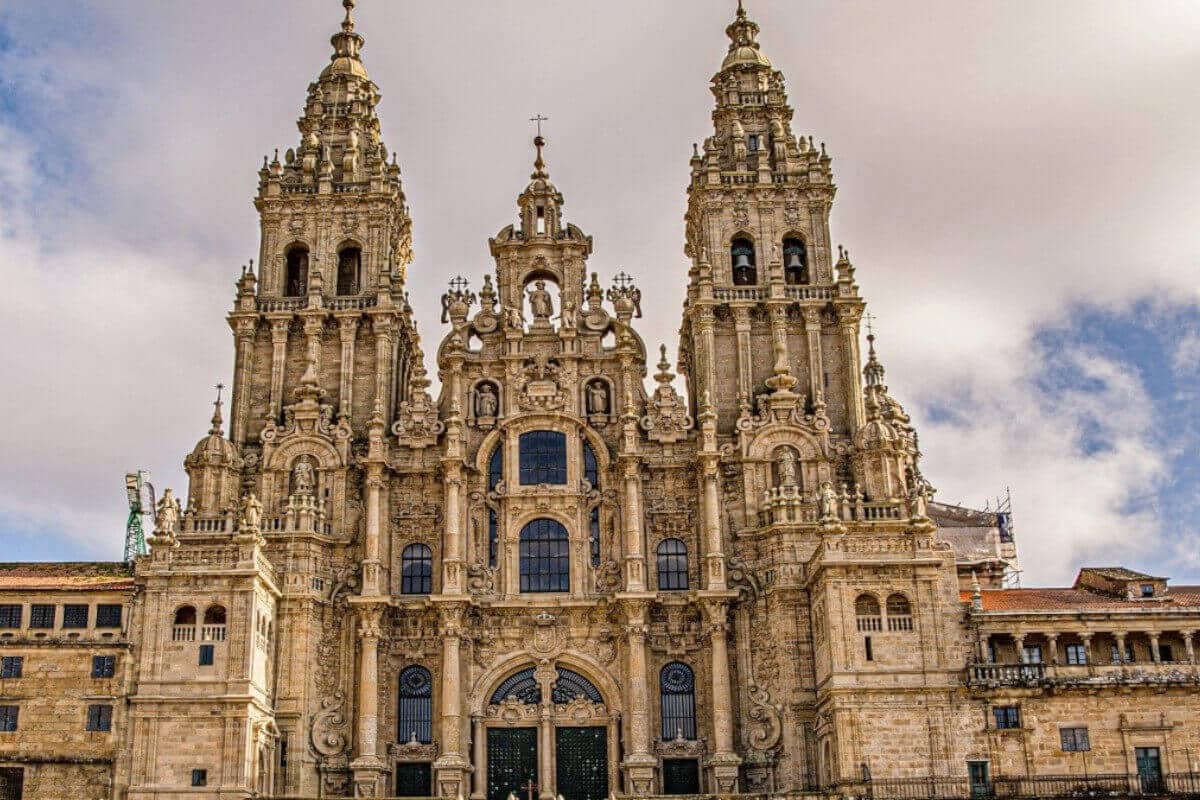
Once the fact was confirmed, a small chapel was built on the spot where the apostle Saint James was buried, which would decades later become the Cathedral of Santiago de Compostela, one of the most famous religious buildings in Spain.

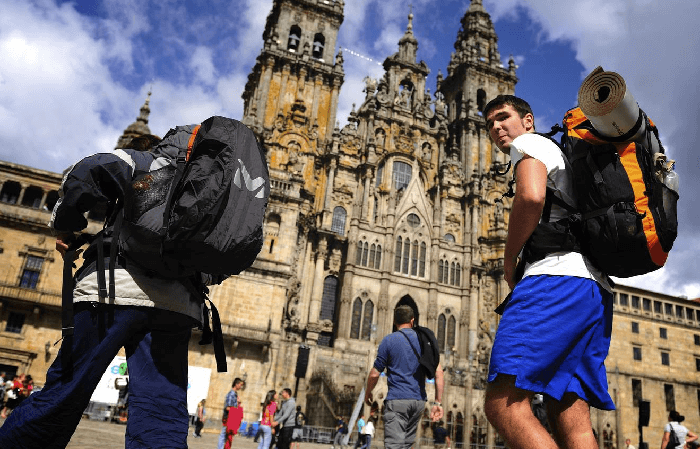
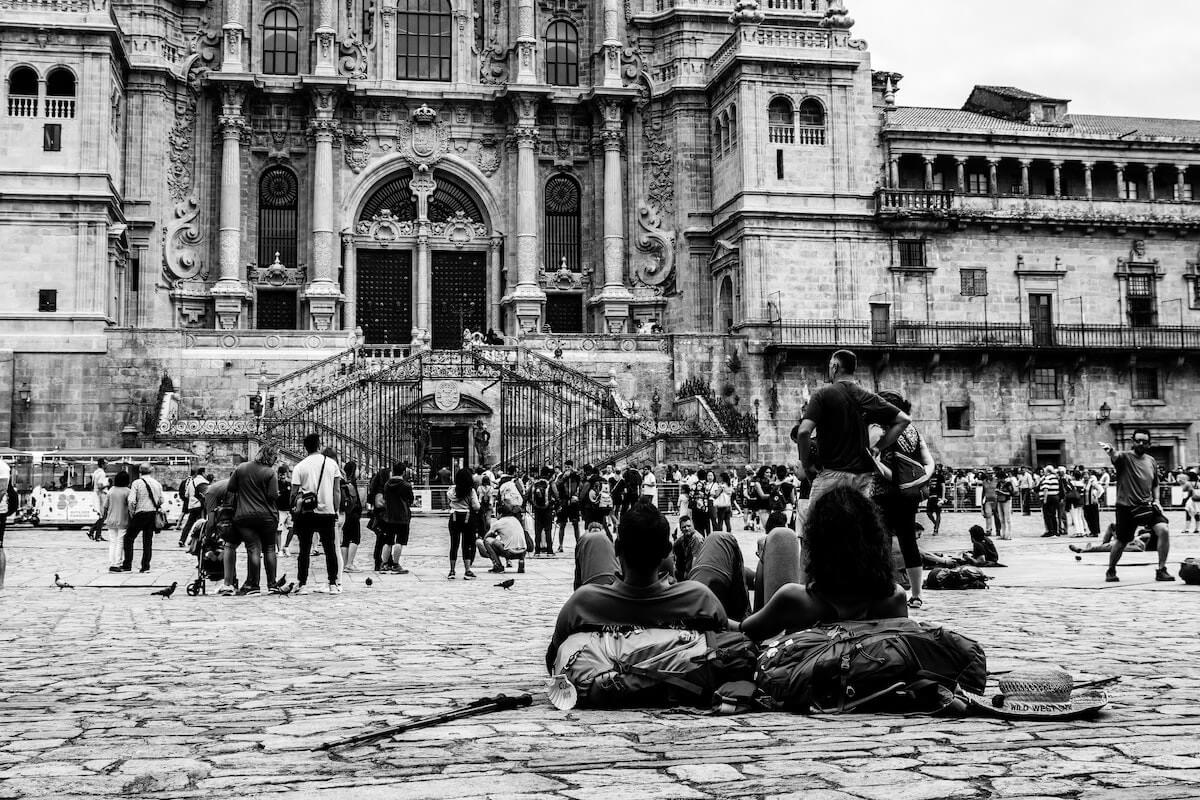
The imposing religious building, one of the most beautiful in Europe, today draws thousands of visitors to the city of Santiago de Compostela, capital of the autonomous community of Galicia.

Santiago de Compostela

The Way of Saint James was vital to the development of the city where the trails reach their final point. The city of Santiago de Compostela, where thousands of years ago a Roman villa was settled and which was later known as the Sanctuary of Saint James the Great, remains one of the most important destinations in Europe.

Today, Santiago de Compostela is the capital of the autonomous community of Galicia, and the value of its historic streets was recognised as a UNESCO World Heritage Site.

The Way of Saint James, beyond all the religious aspect surrounding it, was decisive for politics due to the great number of faithful who travelled across northern Iberia and settled along the way, building cultural ties with the rest of Europe.
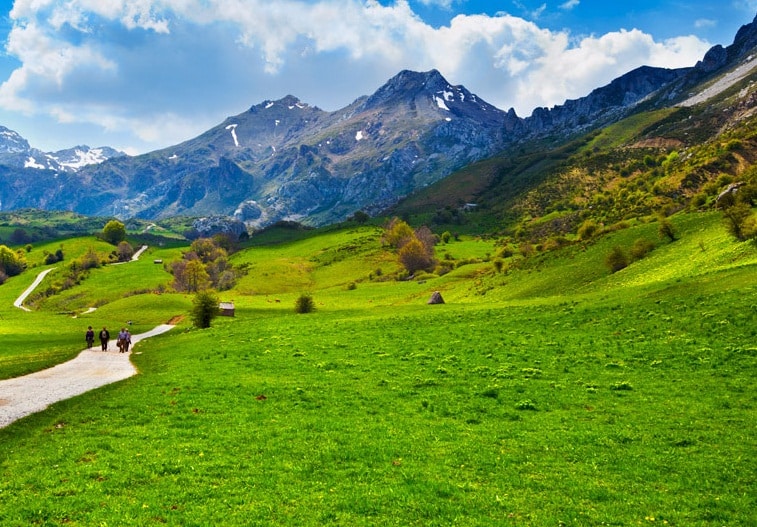
Everything about the Way of Saint James

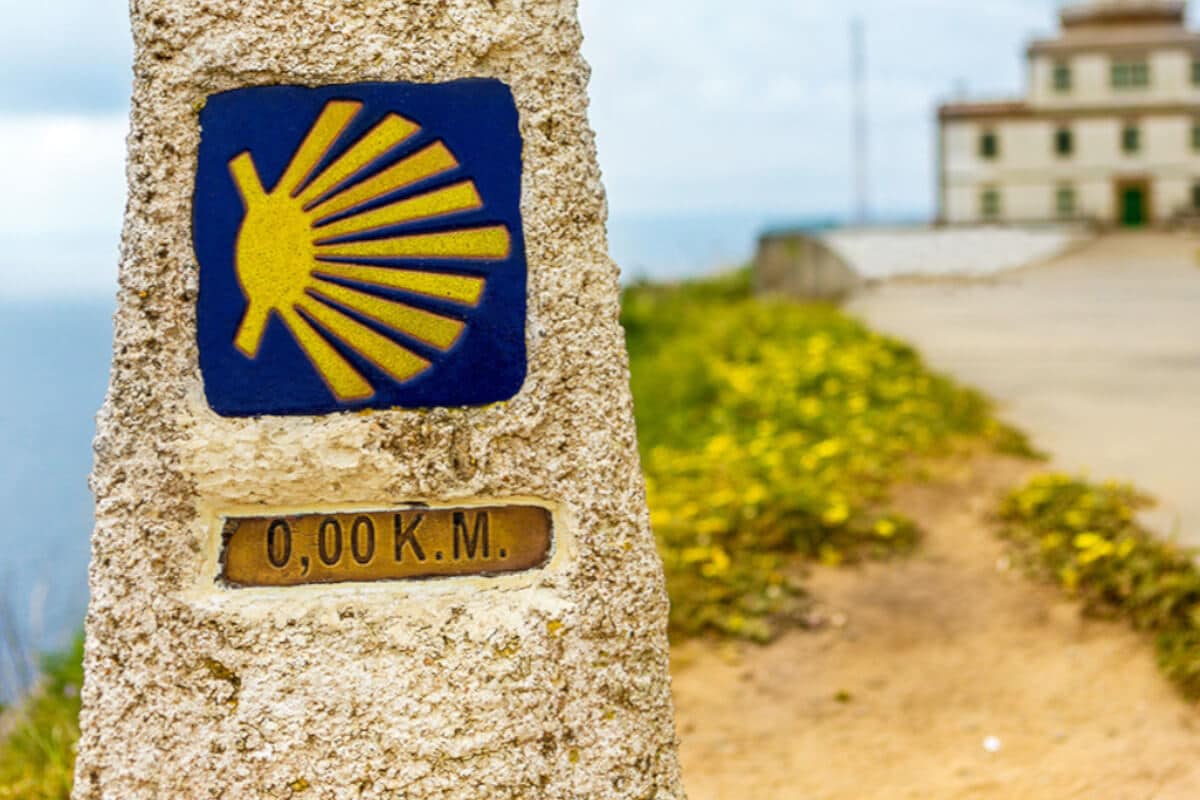
Finisterre

Even before the pilgrimage route of the Way of Saint James was known, its trails already had history.

Even before the 8th century, pilgrims were already drawn by this path that followed the Milky Way to reach Finisterre or, as it was believed in those times, “the end of the world”.

The routes

With the building of the cathedral, the golden age of the pilgrimages of the Way of Saint James began.

At the start, the safest routes to reach the place where the apostle Saint James’s remains rest were the Northern Way and the Primitive Way, the latter being the oldest and the one King Alfonso II would use in the 9th century on the first expedition.

A little later came the French Way, used by kings Sancho the Great and Alfonso VI, which crosses the territories of Navarre and León, after they were recovered from the influence of the Moors.

The kings developed monasteries, hospitals and important structures to protect the pilgrims of the Way of Saint James and even granted privileges to the populations that settled along this route, which became the most popular.

In the 12th century, the first guide for the pilgrims of the Way of Saint James was written, the Codex Calixtinus, showing the importance of the early route to this day.
History of the Way of Saint James

The way of salvation

In the 12th and 13th centuries the Way of Saint James welcomed around 250,000 pilgrims each year. Some were called to this place by their Catholic faith, but there were also other reasons.

Some pilgrims walked the trails of the Way of Saint James to seek sure salvation, and others to carry out penances.

Another good reason that drove the huge number of people to visit the route at this time was the “promise of salvation”. When 25 July, Saint James’s day, fell on a Sunday, Pope Calixtus II declared a “Holy Year”.

The Way of Saint James in modern times

By 1990, the Way of Saint James had a great resurgence thanks to the tourist promotion of this destination and the efforts of those faithful to the Way, such as the parish priest of O Cebreiro, Elías Valiña, who worked to bring about a new golden age for this route.

Today, the Way of Saint James remains a route of cultural exchange and understanding among the citizens of Europe who continue to visit its trails.

In the 1980s only 1,245 pilgrims visited Santiago de Compostela, but the numbers passed 100,000 by 1993, when it was declared a UNESCO World Heritage Site.

In 2010, its Holy Year, the Way of Saint James reached 270,000 pilgrims.

Today the Way of Saint James remains an impressive destination that blends history and spirituality.

There are a great many agencies with packages that bring tourists from all over the world together at this point on Earth.

Beyond the Way’s routes, the Cathedral of Santiago de Compostela and the city’s old town offer many more attractions that bring great numbers of people together year after year.

The hikers and pilgrims of the Way of Saint James continue to recount the wonderful journey along these ancient trails that connect with the oldest parts of our history as a civilisation.