

Essential Souvenirs from Your Visit to Santiago de Compostela
Discover the stories behind Santiago’s souvenirs
Explore the medieval streets, squares and monuments of Santiago de Compostela with a local guide before choosing the perfect keepsake.
Explore the medieval streets, squares and monuments of Santiago de Compostela with a local guide before choosing the perfect keepsake.
One of the best ways to know the charm of Galician towns is through their markets. As a traveller, spend a few hours strolling and learning more about culture, food and the feel of each city via Galicia’s traditional markets.
The whole Galician region is full of markets held at various times of the year. Some are seasonal, others weekly or monthly. Visiting Galicia’s traditional markets helps you connect with any town you visit.
You’ll find crafts, local dishes and products. Here are some of the best traditional markets:
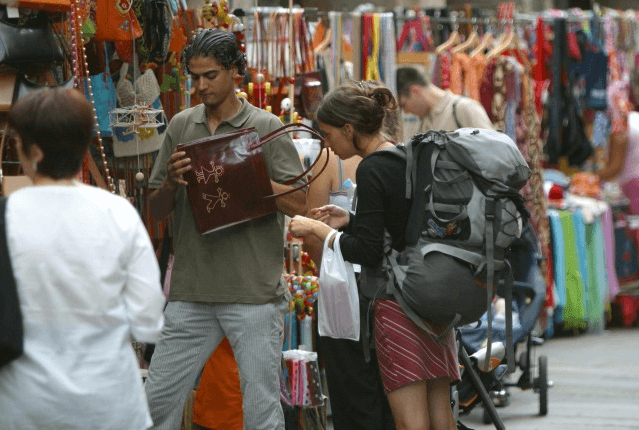
In Santiago de Compostela every Thursday. Around 250 stalls — almost anything you want in leather: crafts, clothes, shoes and more. Open 10:00–14:00.
If you love antiques, also on Thursdays visit the antiques market at Plaza Cervantes in Santiago, open from 9:00. Unique items for collectors and unique souvenirs.
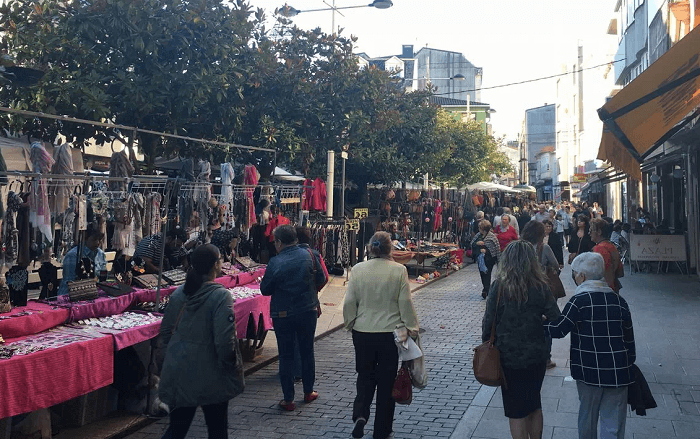
If you’re in A Coruña on a Saturday afternoon — this fair starts at 17:00 along the seafront. Crafts, clothes and rural products. One of the most entertaining traditional markets.
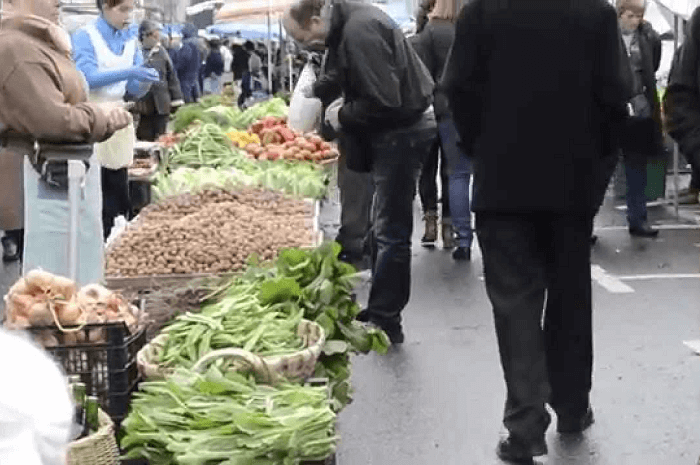
Also in A Coruña, in Padrón — one of Galicia’s best-known traditional markets. Every Sunday from 9:00 with over 700 stalls between Paseo do Espolón and Campo do Souto. Textiles, meats, vegetables, regional dishes and lots of local crafts.
Pontevedra is one of the most visited areas — find O Grove’s market by O Corgo every Friday (except holidays). About 100 stalls in the harbour area with local products of all kinds.
The Flower Market is held the first Saturday of every month in Ourense, 10:00–14:00. The next day an antiques fair is organised. To taste the city’s food and see crafts and local products, visit it at Plaza de Saco e Arce.
Would you rather explore Galicia without driving or coordinating each day separately? Our 3, 4 or 5-day Galicia package combines guided day trips from Santiago with local guides and free cancellation.
History is one of the main reasons travellers visit Galicia. Its cities and towns are steeped in magic and culture from past centuries. Celts and Romans left many monuments now preserved as great tourist attractions.
If you enjoy ancient architecture, here’s a simplified list of the most popular monuments of Galicia chosen by travellers.
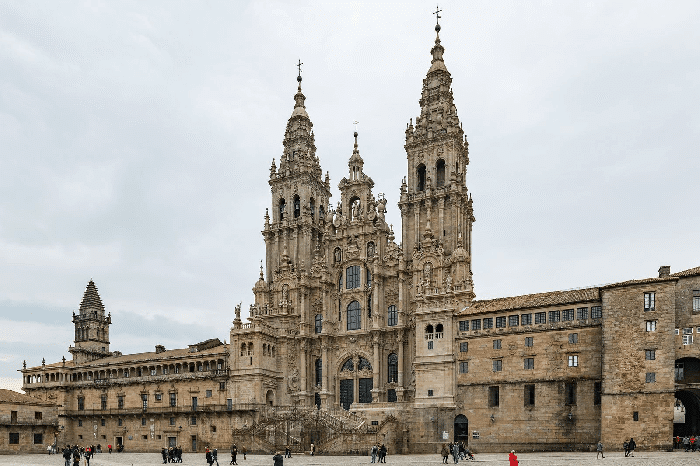
Impossible to start without this one. The most visited attraction in Galicia, in Santiago de Compostela — at least 8 million people from around the world visit yearly. Visitors often combine it with the Way of Saint James, which ends at the Cathedral. A must.
Located where Romans believed the land ended, and where the Apostle James travelled to spread his message. The westernmost point of continental Europe — thousands of pilgrims arrive yearly and old rituals honour the Jacobean tradition.
Built in 1853 — among the most emblematic in Europe. Sweeping Atlantic views.
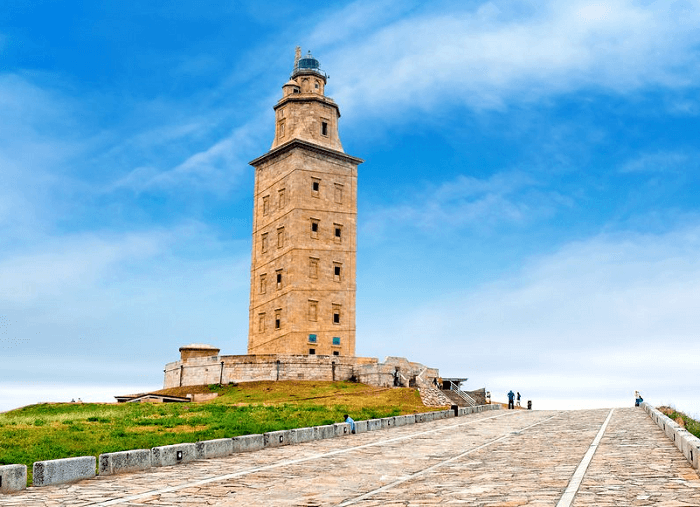
In A Coruña — the oldest working lighthouse in the world. UNESCO recognises it as one of the continent’s most outstanding maritime monuments.
Rebuilt by Romans in the 1st century; used as a fortification in the Middle Ages. The current facade is from an 18th-century neoclassical remodel. Over 2 million visitors a year.
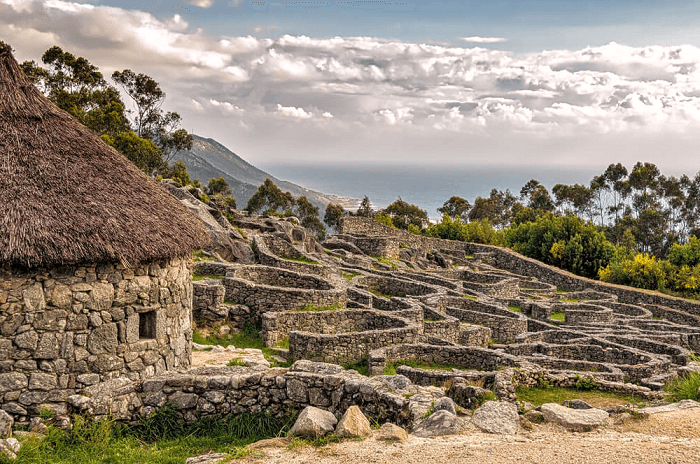
In A Guarda, Pontevedra — Mount Tecla rises between the Atlantic and the Miño river with one of Galicia’s most impressive landscapes. About a million people climb yearly for the panoramic view over A Guarda’s harbour, the O Rosal valley and the A Valga mountains.
Also known as Santa Tegra in Galician, this archaeological site sits at about 341 m. Of the Castro culture, one of the most visited castros. Declared a National Historic Artistic Monument in 1931.
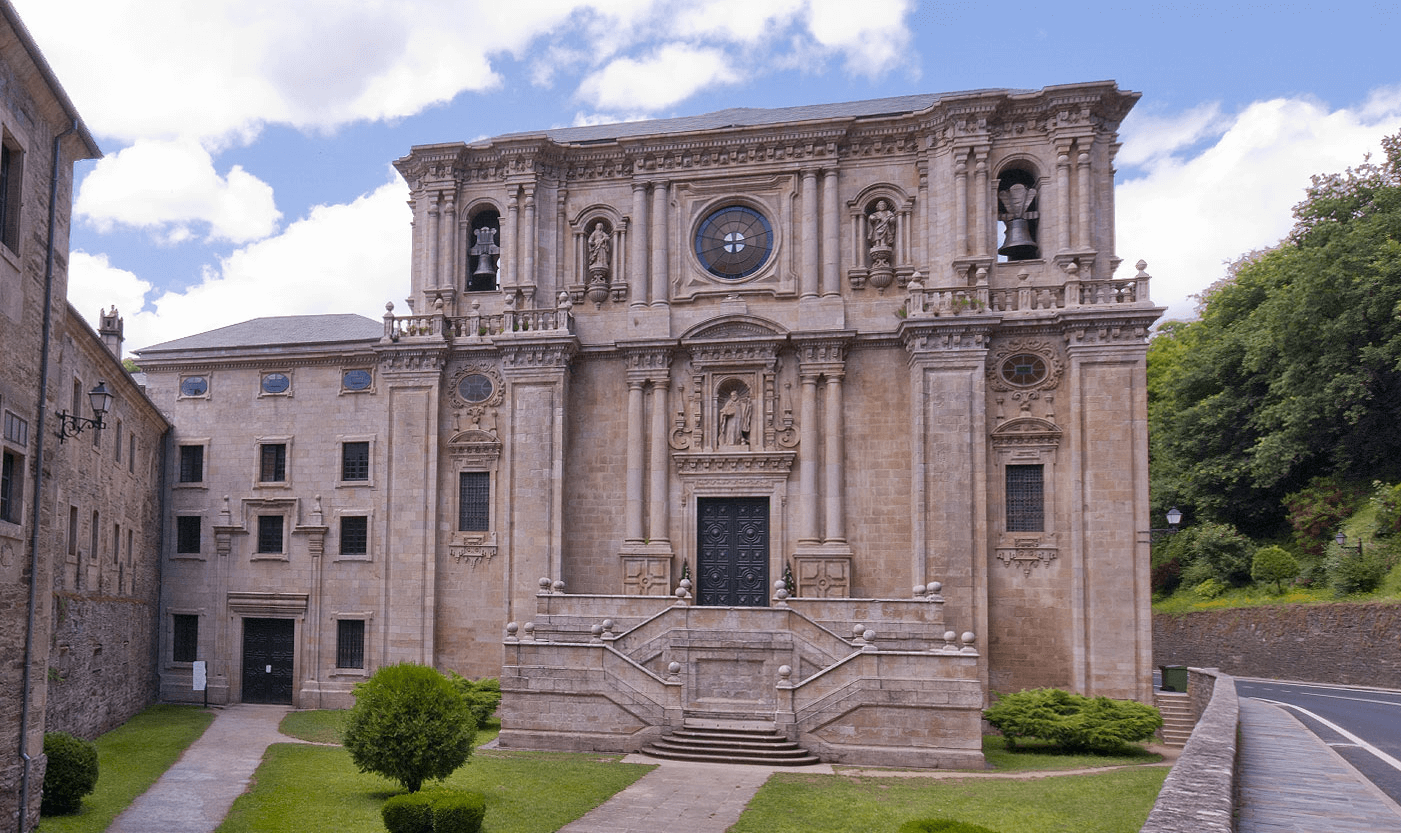
Last but not least. A great architectural work mixing Gothic, Renaissance and Baroque styles. Church, gallery, cloisters, sacristy and more form one of Galicia’s most outstanding works. Tourists and pilgrims visit every year to admire its beauty.
Museums are an essential part of any tour, and Galicia is no exception. Here are five museums you can’t miss.
Art is one of the best ways to spend your time, and Galicia — a region with so much history — has rich museums.
This route through five museums teaches you about the region in many areas. Tip: visit each museum’s website before going, as some offer free admission on certain days.
In Vigo on Spain’s north-west coast — part of the Cíes Islands area. Created in 2002, it exposes everything related to Galician sea life. Scientific and cultural — three buildings of permanent exhibitions including an aquarium. Café and restaurant too.
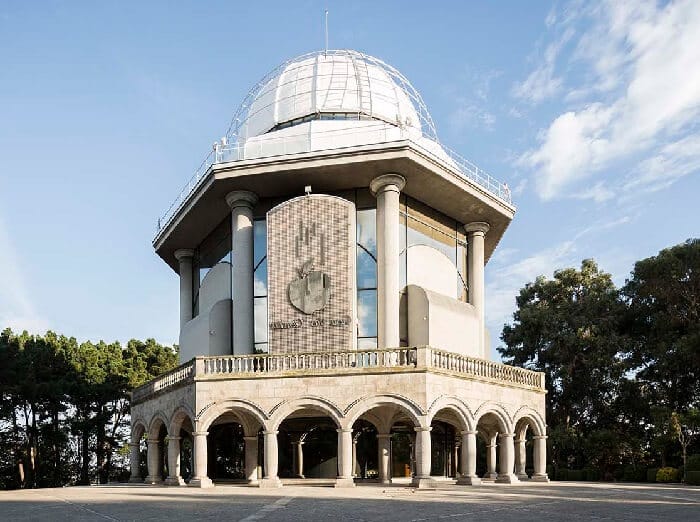
The Casa de las Ciencias in A Coruña. Interactive — one of the most fun, you can interact with the exhibits. A planetarium too — an hour of magic and learning. Sister museums in the same family: Domus and the Finisterrae Aquarium.
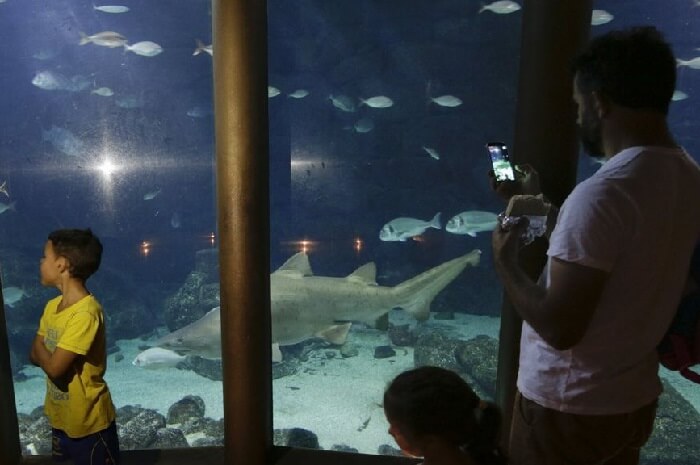
One of the most important for Galician history and anthropology. Nine permanent exhibition halls covering life and history, the sea, the countryside, music and more. In Santiago de Compostela.
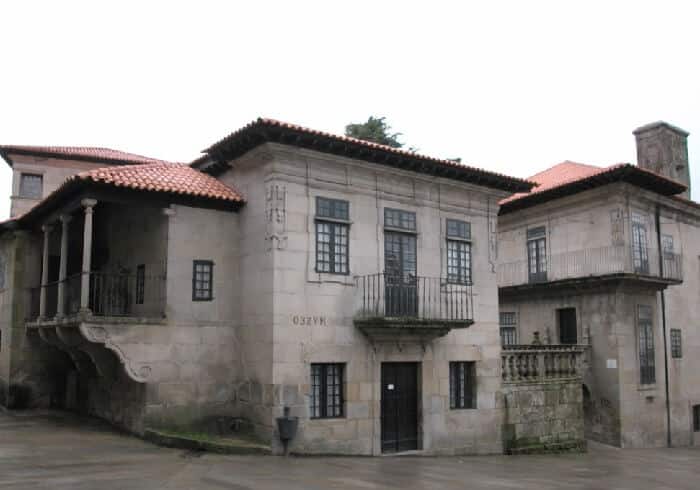
Dedicated to art in Galicia. Documents local art to develop Galician culture. Five buildings with different exhibitions across Pontevedra. Stands out for its library and related publications.
Galicia is a very religious region — this museum is hugely important and holds many historical treasures of the Jacobean see.
Permanent and temporary exhibitions including conservation and display of old cathedral pieces. Spaces include the annex cloister, the crypt, the Royal Pantheon and the Pazo de Xelmírez.
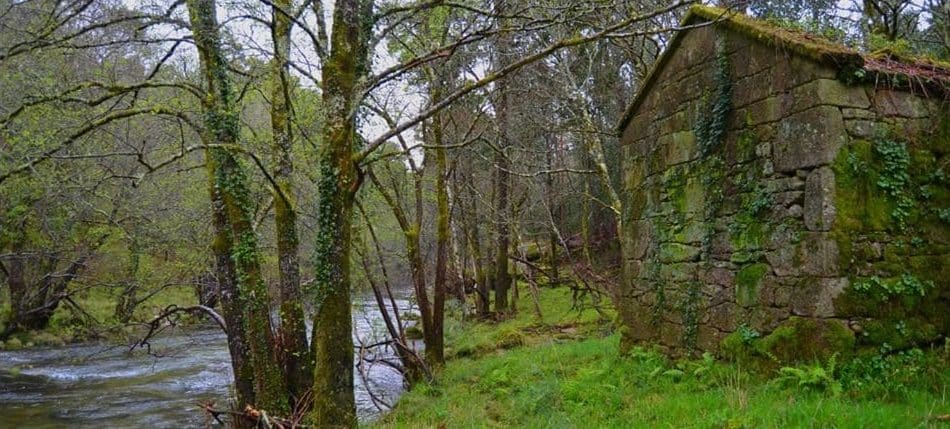
Galicia treasures much history and memory — much of it abandoned and forgotten. Discover Galicia’s forgotten villages — fascinating for the history and magic kept in their spaces, structures and ruins.
We’re used to touring the busiest places, but there are hidden corners full of magic that interest many.
These villages hold charm and history to discover. Although most are uninhabited, you can see the ruins of what was left behind. Part of Galicia’s tourism offer.
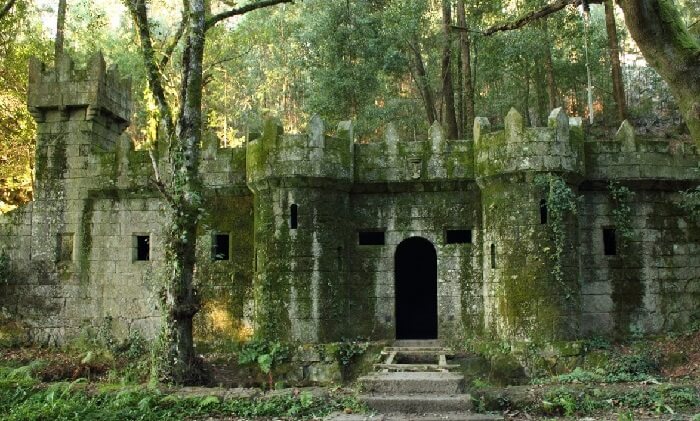
Known as the Enchanted Forest — a magical place built for a noble family as a leisure space. A great family walk to enjoy a series of flour mills on the site. In Pontevedra, with beautiful historic gardens to imagine the place years ago.
A village in Ourense province. Forgotten after old legends; no one lives there now. Also in Ourense:
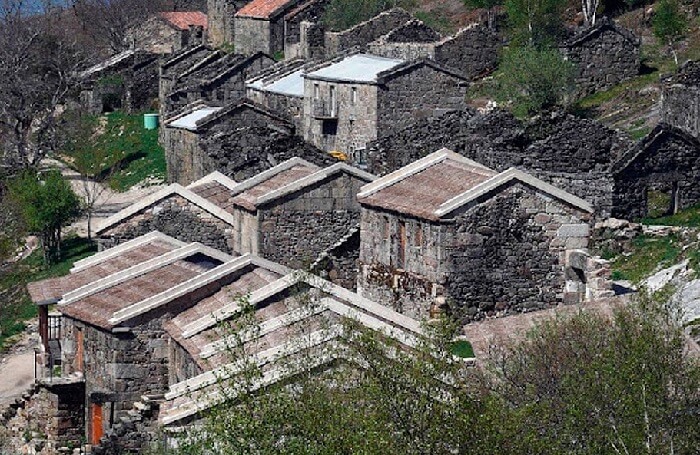
In Lugo, you can also visit Hórreos — one of the few abandoned villages recovered over the years. A natural setting where you can enjoy a quiet life, according to its only four inhabitants.
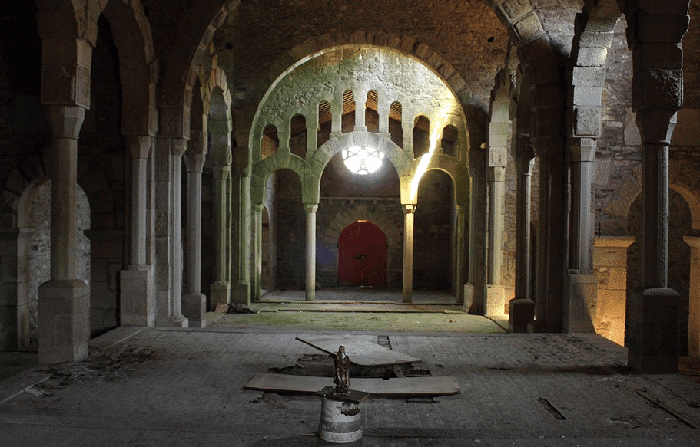
Also in Ourense — the monastery of Santa Comba de Naves, vacated long ago though its stones were nearly sold. Visit also the unfinished Sanctuary of Fátima — a priest’s project.
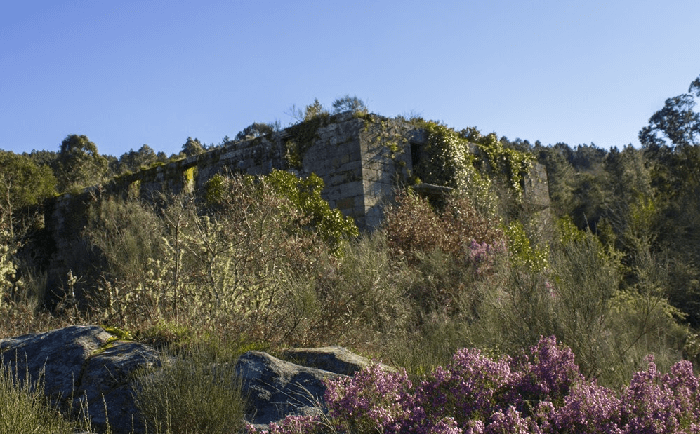
One of the forgotten villages reclaimed by nature. A few kilometres from Pontevedra by road. Diverse vegetation, great for exploring. You can see what remains of homes that stood there years ago.
According to specialists, Galicia has around 2,000 forgotten villages. Many are protected and need special permission to enter.
Others were abandoned by inhabitants for various reasons — most recently young people moving to big cities. These places can still be destinations for tourism — many hold history, magic, nature and much more typical of Galicia. People go back during holidays to escape the city; buying small villages has also become popular.
Many people still bet on small ecotourism ideas like hiking and adventure sports, plus thermal waters and other projects developed in these forgotten villages of Galicia.
Galicia holds vast history and archaeology — here are 5 dolmens you can visit during your tour to learn more.
Dolmens are megalithic structures of vertical slabs driven into the ground with one or two horizontal slabs as a cover. Galician legend says great treasures are buried beneath. Most likely they were related to funerary rites of the time.
Galician dolmens are especially striking because of the abundance of granite — making them a wonder for residents and visitors.
Many dolmens dot Galicia, most dating back about 4,000 years. These are among the best known.
Known as the “Cathedral of Galician Neolithic” — a mound 24 m in diameter and 1.8 m tall. In Cabana de Bergantiños.
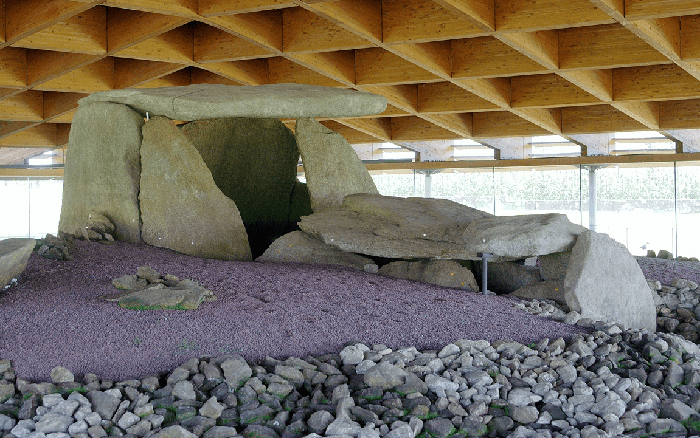
A layer of earth partially covered by a stone shell of flat horizontal stones. A polygonal chamber and three-section corridor; the entrance was closed by a vertical slab covered with stones. Foundations reach 1.4 m deep in the chamber and 70 cm in the corridor. Archaeologists found about 20 small petroglyphs you can see on your visit.
One of the most imposing and best preserved. In A Coruña, Oleiros parish. A prehistoric megalithic structure also known as “La Pedra Do Mouro”.
The chamber has eight orthostats with vertical slabs. Dated between 4,000 and 3,600 BC, covered by a single stone giving it a 2 m height. Three smaller stones survive from the corridor, plus petroglyphs carved into the rocks.
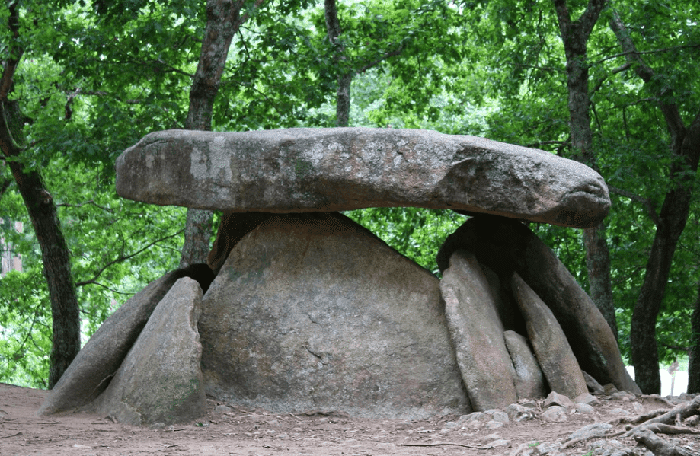
In Muíños council, Ourense. A Casiña de Moura dates from 3,000–2,500 BC. Across the Salas reservoir bridge, you reach the Casola do Foxo mámoa. Past Reaquiás and Guntimil, a plain holds Outeiro de Cavaladre — late megalithic architecture between 2,255 and 2,000 BC.
Also known as Dolmen of Cela, Dolmen of San Cosme, Dolmen das Minas, Dolmen of San Colmado or Meixoeiro mámoa. A megalithic construction in south-east Vigo, Pontevedra. Originally part of a necropolis of 12 BC dolmens.
A Spanish Cultural Heritage item, with rock art traces hardly recognisable today. Short corridor, medium chamber — 2 m diameter, 1.7 m tall. Open to the north with a cover slab about 1 m by 3×3 m.
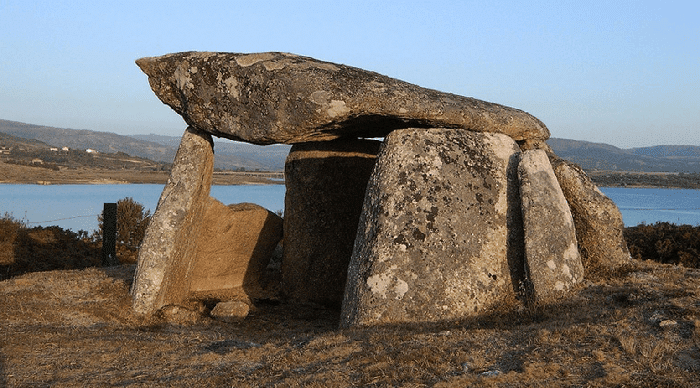
Also known as Casa da Moura, Casa dos Mouros or Couza do Cacheiro. A Spanish Cultural Heritage item, owned by the Provincial Council of A Coruña and a Historic Artistic Monument since 2017.
In Cabaleiros — a mound 30 m wide and 2 m tall. Made of seven orthostats with a 4×3.40 m cover slab. Unlike the others, the chamber is open-polygonal with east-facing corridor. Dated to the 3rd millennium BC.
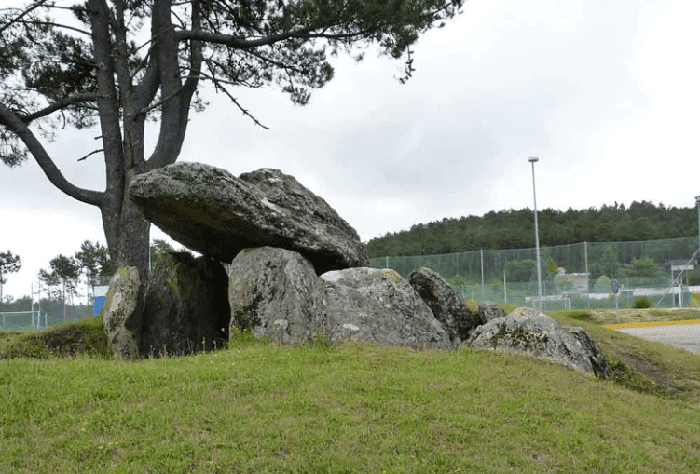
Galicia is synonymous with history, culture, architecture and magic. The castles in various cities hide all this in great architectural works. These are our 4 favourite Galician castles — but there are dozens to know.
A way to know medieval Galicia — walking within these castle walls, you can imagine the life of those who lived here six centuries ago. Well-preserved monuments help you understand it all.
You can also do driving routes between castles — a great trip with friends or partners across many hours of road.
Galician castles are an experience of history, art and culture — museums to know all that was lived during medieval Spain.
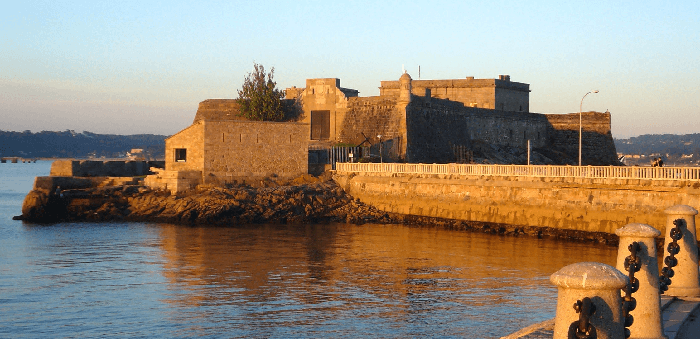
The San Antón Castle is in our top 4 for its historical importance. In A Coruña — a fortress built in the 16th century. Its museum function is fairly new — inaugurated in 1968 and declared a historic-artistic monument in 1994.
Before that it was a prison and defensive building from the 16th to the 18th century. Later it served as isolation for sailors arriving with infectious diseases.
Today you can find protohistoric goldsmithing, Bronze Age and megalithic items. Also aspects like Castro culture and Romanisation.
In Ourense — a Site of Cultural Interest and Spanish historic heritage. Remodelled several times, including for residential use.
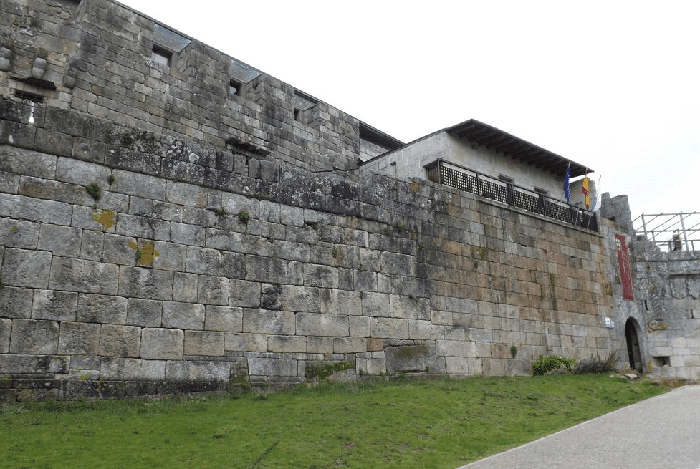
This castle now works as a hotel-monument — recommended for visiting with children. Dating from the 11th century, unlike others that looked like defensive fortresses, it has the characteristics of a residential palace. You can see traces of 15th-century firearms.
One of the most imposing. In the Verín region, Ourense province. The best-preserved in Spain, in the highest part of the Verín valley — called “the watcher”.
Not just a castle but a walled city — a medieval mini-city with several preserved buildings.
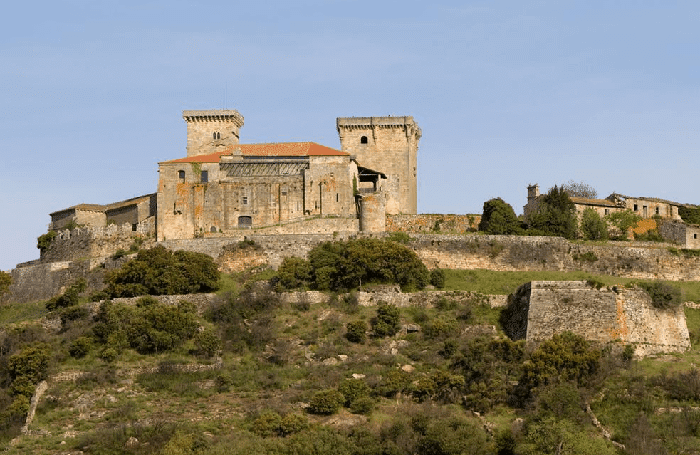
Among them: an old pilgrim hospital, a palace, the dwelling of those who lived in the castle, a church dedicated to Santa María de Gracia, plus several dwellings in the lower part. Other spaces are preserved in the walled city.
It has elements from the reign of Alfonso IX — considered the largest acropolis defending the border with nearby Portugal.
Visiting hours: Monday to Friday 8:00–15:00; guided tours Wednesday to Sunday 12:30–16:30.
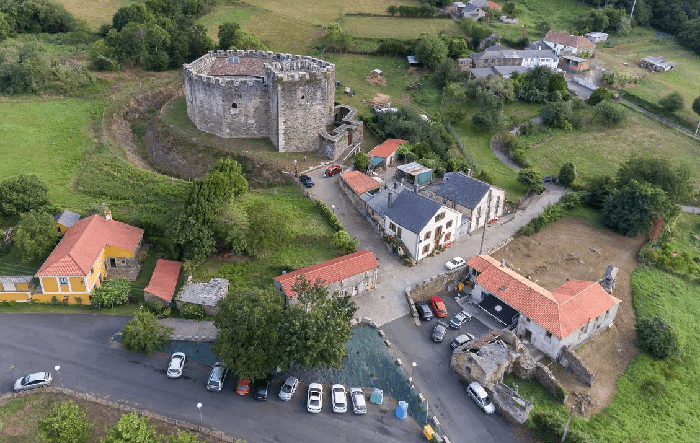
In Ferrol, originally of the Andrade family. It keeps an 18 m keep. From the 14th century.
The castle was central to the Irmandiños revolt — celebrated yearly. Every night a symbolic act takes place in the keep, which is permanently closed.
Galicia hosts the largest cemetery of sunken ships in the world — not just a Galician claim, but confirmed by National Geographic and those who study what our waters hide. Many Galician stories still echo with each shipwreck.
The figures are striking. In recent decades, over 1,600 ships have sunk in Galician waters, with specialists estimating up to 8,000 — names like Costa da Morte (Coast of Death) live up to their sinister meaning, a fame that goes far back in time.
A required crossing for fleets for centuries, the Galician coast has also become a graveyard of ships. At least 700 shipwrecks are documented, about 300 considered wrecks of historic interest and protected from looting. To qualify as historic they must have been sunk for at least 100 years.
The latest wreck found on the Galician coast is owed to the Malpica Diving School, which discovered at 24 m depth the remains of the British steamer SS Solway that left A Coruña for America in 1843.
Tribute crosses dot the coast for those who lost their lives at sea. There were unfortunate incidents where Galician heroes risked their lives to rescue the shipwrecked — like the famous heroines of Sálvora.
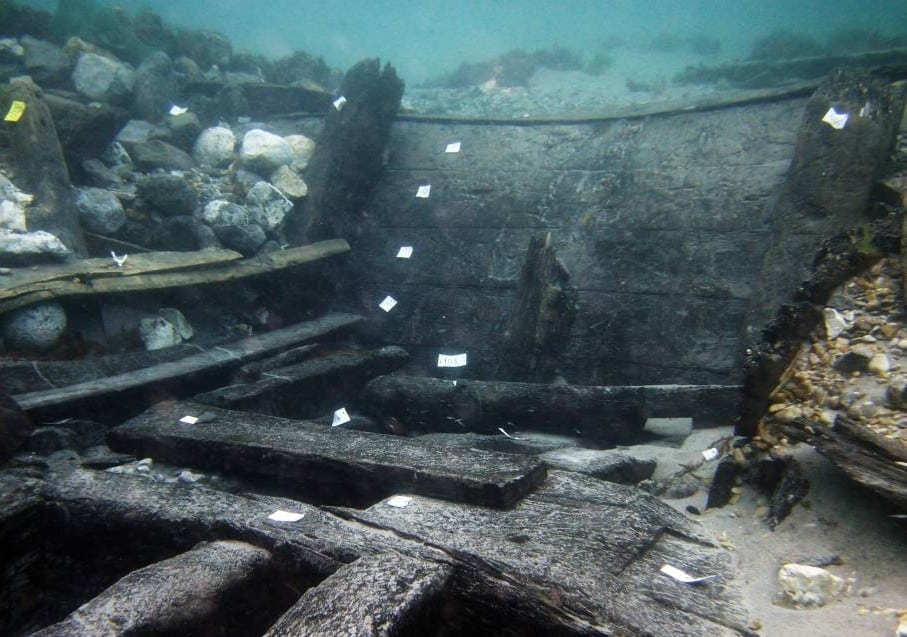
It’s not the witches’ doing — wrecks are due to the coast’s configuration, the winds and currents. Even the warning lighthouses couldn’t save many ships and crews. Beneath our waters lie 25 submarines and 50 bombers too.
During both world wars, the area was a preferred battlefield and a mandatory crossing for Germans and Britons. Especially in WWII, Germans and Britons fought fiercely in Galician waters — the main route to America.
The Xunta de Galicia, the Navy and the CSIC actively collaborate to explore the vast site. Even so, archaeologists and divers call for more effort from all administrations to study it and to one day build a museum in Galicia dedicated exclusively to the “impressive history of navigation in Spain”.
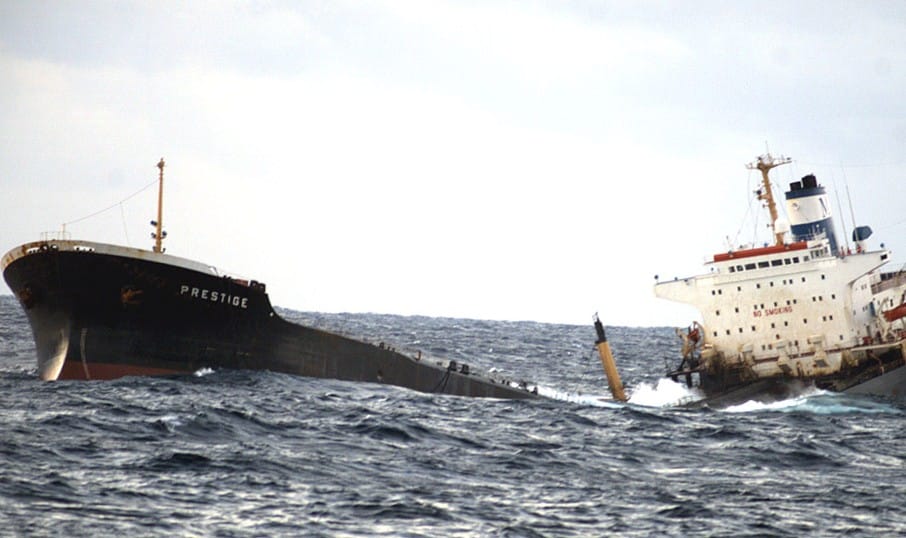
Two thousand years ago, ships sailing the region crashed against rocks — so typical on the Atlantic corner — dragged by storms, ending sunk. Apparently common, given the high number of ships found. Since 1987, only about 10{0c4b52101edf59c43bd9ea9c33002dad18a168785976cd7d994d2e239557c454} of the wrecks on what may be the most important trade route in history have been found.
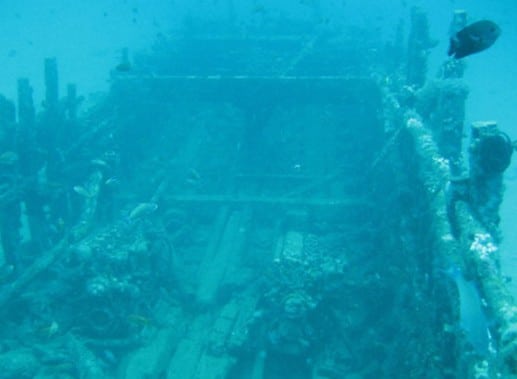
Why so many? Coast configuration, winds, currents. North-east summer winds drove English and Dutch galleons fighting Spain in the 16th century. Two English ships from that era are believed located underwater. Spanish ships tried to use autumn/winter winds to reach the British Isles — storms had other plans.
Critical points: the Costa da Morte, the Cíes Islands area, Rande (due to the historic battle), Costa da Vela, Baiona, the entrance to Vilagarcía and Pena das Ánimas at the entrance to A Coruña.
Steam-engine ships only increased Galician shipwrecks. Vessels shortened distances to save coal and got too close to the sharp reefs along the coast. Storms did the rest.
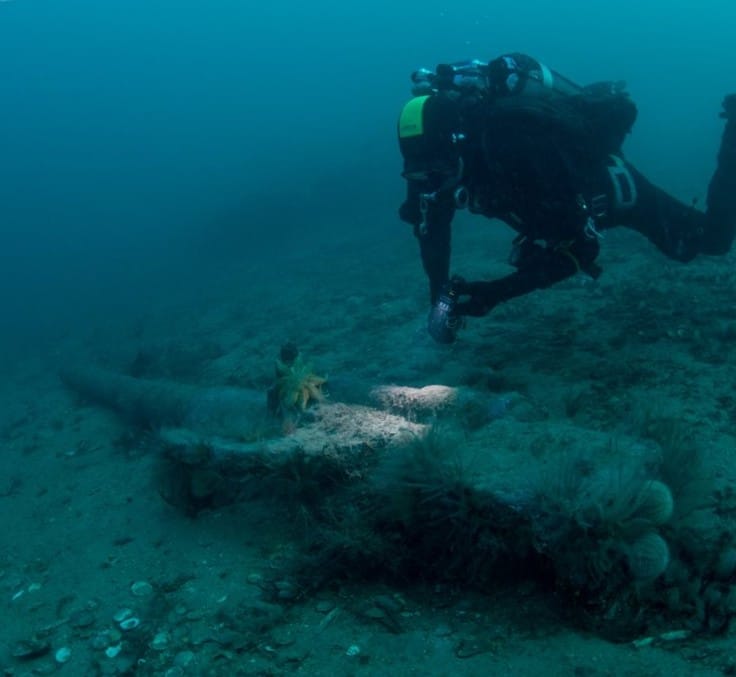
Today the Galician sea is the world’s largest ship cemetery and many see something to leverage as crisis sharpens ingenuity. Nothing more exciting than swimming in Galician waters to see these ships in the depths — definitely worth keeping in mind on your Galicia tour.
Vigo is the largest city in Galicia. Known for its industrial fishing heritage, shipbuilding and the car industry, plus the charming streets of the old town, its vibrant cultural and night life, and the Cíes Islands with their beautiful Caribbean-like beaches. Vigo is also a shopping paradise. The city council has decided to do something special for Christmas in recent years to put the city on the holiday-destination map. The result: the spectacular Vigo Christmas lights — unmissable on your visit to Galicia.
A few months ago, the mayor of Vigo announced the city’s Christmas lights this year would be “the most important Christmas lights ever seen in any city”. And the mayor is famous for keeping his promises.
Per the published lighting plan, 2019 could be remembered as “the year of stunning Christmas lights”. Over 10 million LEDs and 465 Christmas trees (one reaching 60 m, taller than the famous New York tree) will turn night into day in 334 of the city’s 1,700 streets. Themed areas in the main square (like Santa’s house) round it off.
Investment reached almost a million euros — installation began in mid-September. This puts Vigo on a par with the world’s great capitals. On 23 November the Vigo Christmas lights were officially switched on.
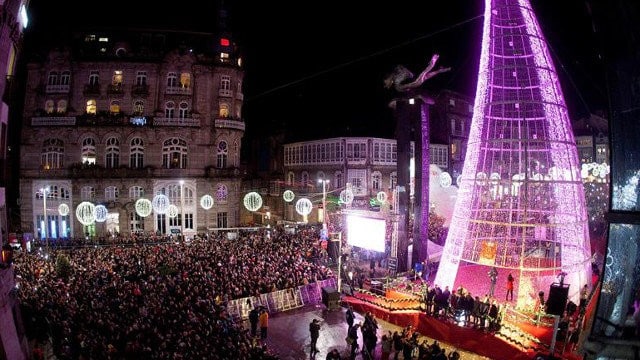
This year Vigo’s Christmas will have even more: a Christmas village, a 60 m Ferris wheel and three street Christmas markets. Plus a cannon spewing snow periodically to whiten a street, and an artificial ice ramp at the Nautical Club over 50 m long. All mixed with fun activities for all ages throughout December and the first week of January (Spanish Christmas runs until 6 January). According to the mayor, in 2018 Vigo welcomed 2 million Christmas visitors; this year that figure will likely be higher.
At Vigo’s Christmas, you’ll enjoy:
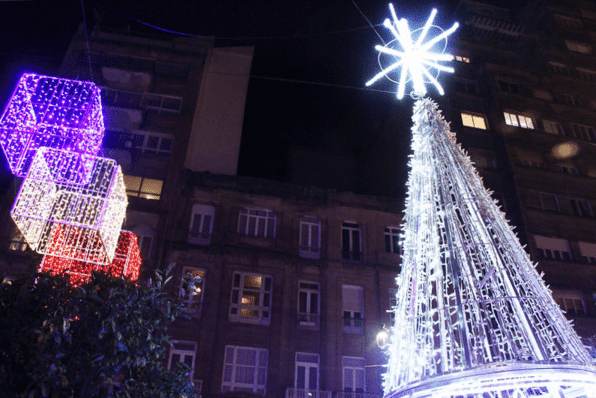
December is a perfect time for a short break. Whether you need stress relief or just to shop for Christmas, Vigo has much to offer. The city centre is full of international brands mixed with traditional shops. Christmas markets let you buy handmade products and chat with makers. And it’s in Galicia — great food and wines on every corner.

Enjoy the Vigo Christmas lights with all your senses. Vigo is a lively city where you’ll find a surprise around every corner.
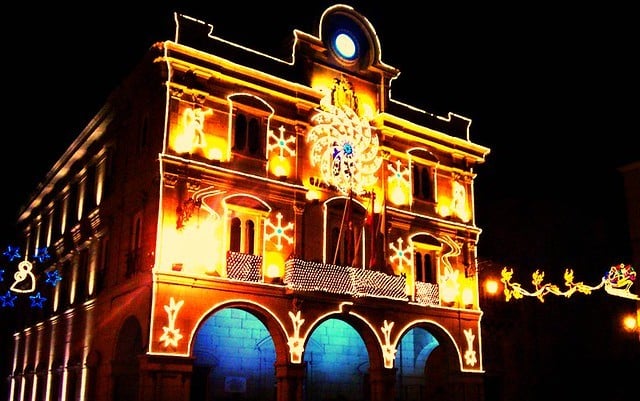
Picture this. You travel and go anywhere you have to give your details — a hotel, for example. When asked where you’re from, you say: “I’m from Mullerboa”, “I come from O Eido do Macho” or “my village is Cabeza de Boi”. What face do you think the receptionist will pull? It’ll probably make them smile, and they’ll take their time forgetting the Galician villages. Those place names — across the Arousa and Pontevedra regions — are wonderfully charming.
Let’s start with places where anyone would want to live.
Who wouldn’t want to live in paradise? Easy. Just head to Portas and in the parish of Santa María de Portas you’ll find Paraíso. Its inhabitants’ luck is only matched by some neighbours in Meis — in this amphibious land where it usually rains three days and clears one, their place might be free of weather woes and is called Granxa do Sol (Sun Farm), in Paradela parish.
If you go to Meis looking for curious place names, don’t leave without visiting Cabeza de Boi (Ox Head) or Casillaflor (which doesn’t show its meaning but sounds pretty). When tired and wanting to complain, head to Ai (Ouch) in San Lourenzo de Nogueira.
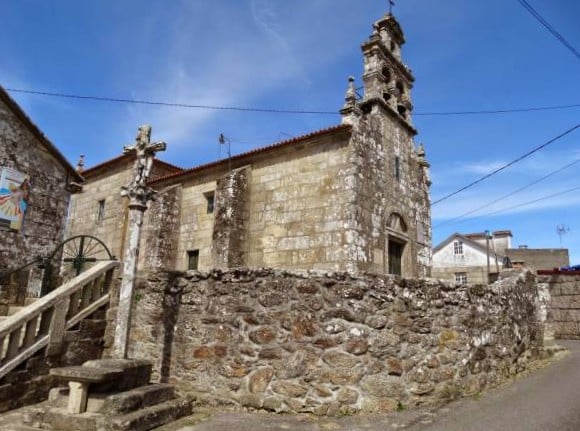
Many curious village names were probably used to mock someone. Hence A Porta da Coxa and O Teso, in Pontevedra. Across 15 rural Galician villages, the municipality is full of names with curious origins. A Piolla is one of them. There’s even a Matalobos, like the well-known TV series.
Villages to approach carefully without leaving Pontevedra — even one perhaps best visited with money, since it’s called Cara (Expensive).
In other places, name alone calls for caution. In Ribadumia, in Lois parish, sits Trastada (Trickery). Within the same municipality is Rabuñade. Be careful.
References to the animal world bring more joy. In Meaño they have Ratón (Mouse); in Poio they have Serpe (Snake) and in O Grove a curious one with a surname and all: Balea Marítima (Maritime Whale).
Then there’s the dead-related angle. Gatomorto (Dead Cat) in Pontevedra, even split into Gatomorto Upper, Middle and Lower. And A Ramorta in Bueu, equally departed.
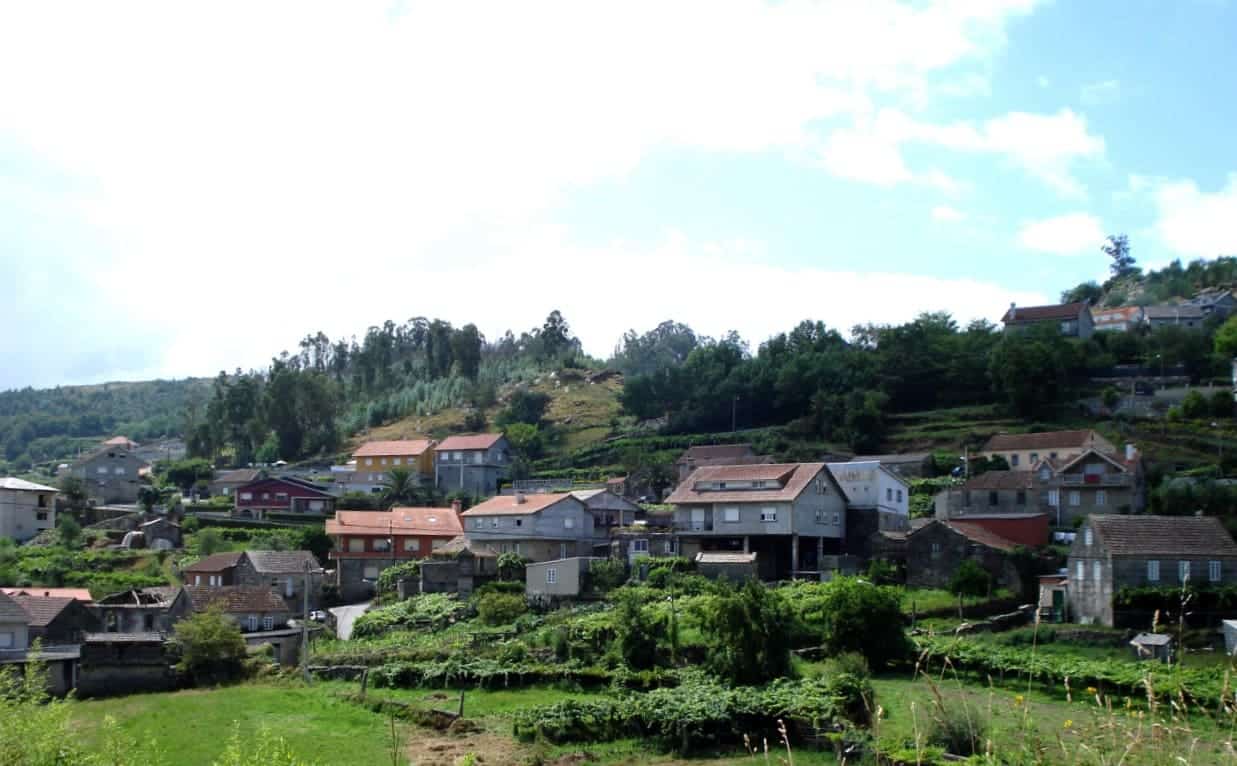
Sometimes it’s about sound. Subjective, but some places sound like music. Almost violins. Examples: Trobisquido and Viliquín in Meaño, or Guldrigáns in Cuntis.
With others, the opposite. Saying their name aloud without knowing the origin doesn’t sound too good. For example, O Cagaxol in Pontecesures. If you go there you might think it’d be better called A Pasada, like the spot in Moraña — because O Cagaxol, odd as it sounds, is also way too pretty.
Sometimes the name invites you to know the place because someone might offer something, as in As Veigas de Almorzar (Lunch Fields).
And other Galician villages tempt to see if they truly scare, like O Portamedos (The Fear Door) in A Lama.
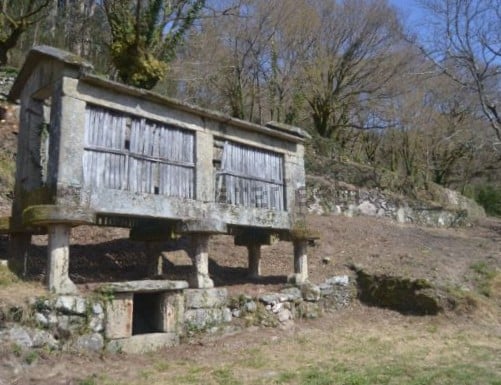
The list is long. Some villages might better not even be mentioned — surely all has been said about them. In Samieira parish, Poio, it’s been published.
So if you want unforgettable village names, Galicia is your place — make a Galician route to enjoy not only the names but also their tireless beauty.

Choose the experience you want, click "Book", select the date and the number of places on the calendar and complete the payment. You will receive instant confirmation by email.
Yes. You can change or cancel your booking free of charge up to 12 hours before departure. If you purchased Trip Cancellation Protection, you can request a change or refund up to 1 hour before departure; the protection fee and service fees are non-refundable. No-shows will be charged in full.
Payment is made securely online when you book. For some experiences you can book now and pay later; this will be indicated on the calendar.
Most of our experiences are offered in Spanish and English. Each tour shows its available languages in the "Practical information" section.
Each tour has its own meeting point, shown on the experience page and in the confirmation email. We recommend arriving 10-15 minutes early.
Most of our experiences are for all ages. If you are travelling with young children or need something specific, write to us and we will advise you.
Yes. We organise private and group experiences, including exclusive shore excursions for cruise passengers. Contact us and we will prepare a tailored proposal.
In Galicia the weather is part of the charm. Tours run except in adverse weather conditions; if an activity is cancelled due to force majeure, we offer you a date change or a refund.