
Skip to content

Magical Galicia

Visiting Galicia is many people’s dream — a region full of history, food, art, architecture and many magical villages. One of Spain’s favourite options for tourists, a way to know this beautiful coast. For many, it’s “magical Galicia” — you’ll only see wonders here.

Galicia is a region full of magic and history with a lot to see and visit, depending on what you want to do. Many places to know — set your priorities before you travel.

Where to see magic? In every place you visit — historic villages, the historic core, a beach, the delicious cuisine, a fun afternoon of tapas and wine. Any activity here will be wonderful — Galicia is just that special, even more so in good company.

5 magical places to visit in Galicia

All of Galicia is magic, but some places have something extra. A list of spots you can visit to know this much-spoken-of magical Galicia.
Magical Galicia

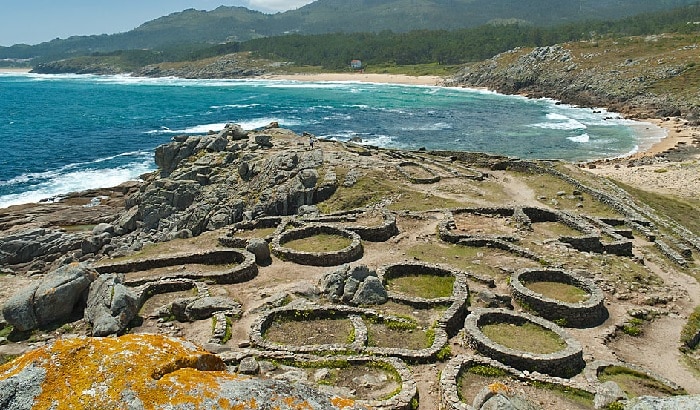
Castro de Baroña

A coastal castro, with remains generating a shell-mollusc area. One of the must-visit places of magical Galicia — archaeologists can place ancient enemy troops here.

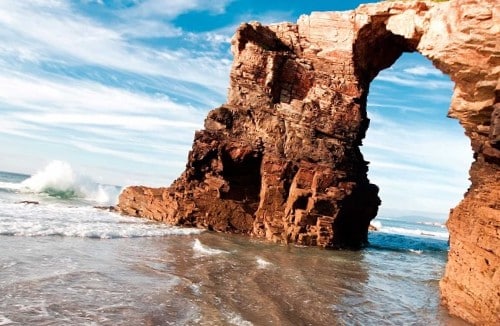
Portalén

“Crossing the gateway to the beyond”. A rock composition forming a door-like figure. Legends say it’s a portal to communicate with the dead.
Castro de Baroña

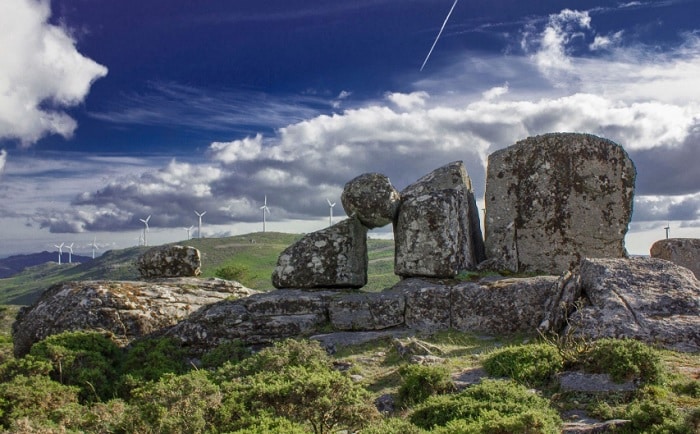
Dolmen of Axeitos

Dolmens were originally burial places, but they carry a mystical meaning. Many across Galicia, but the Axeitos dolmen sits in one of the most magical forests — highly recommended.

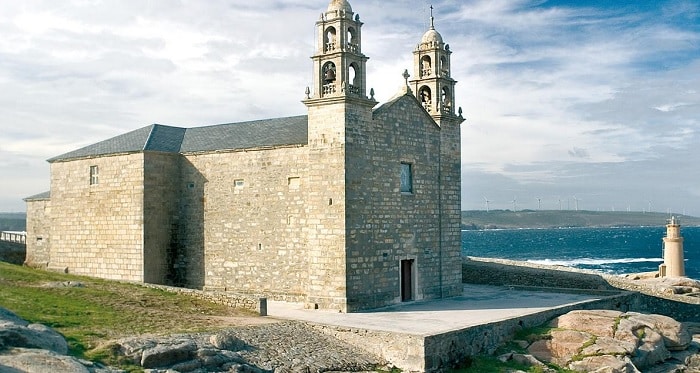
Sanctuary of the Virgen de Barca

Religious tradition is central in Galicia — every temple holds a story. With Christianity, this primitive site was colonised and a Virgin placed for devotion, blending two cults around rocks once said to have healing properties.

Roman Salt Pans of O Seixal

Part of magical Galicia — 150 m long, ten stepped salt pans with separation walls. The only ones in open sea. The largest Roman salt-production complex, holding the ancient history.
5 places to visit in magical Galicia

Why visit magical Galicia?

Galicia is a region full of history — known as a magical place because it encompasses the history and legends of ancestors. Many want to discover the mystical side.

Most know the tourist and fun side, but not everyone dares to know the stories and mysticism the region holds. Those who love history should take a weekend just to discover the magical corners Galicia hides.

Summer is the recommended season — the best climate and more to enjoy. Routes worth doing once in a lifetime, and you’ll remember them as one of your best trips.
Dolmen of Axeitos

The Most Widespread Galician Legend: La Santa Compaña

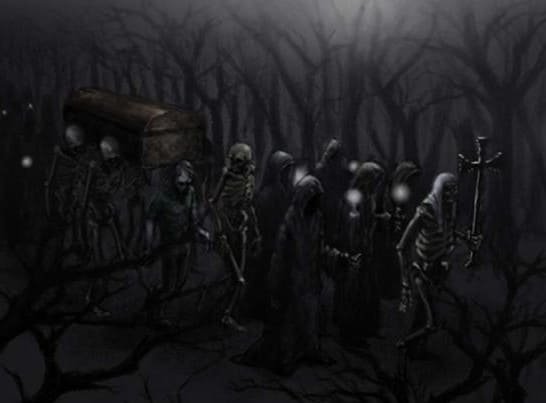
Imagine a group of the dead passing by your house. They sing songs of death and spread a chilling energy that makes your skin crawl. You want to escape but can’t — their songs are hypnotic. They’re terrifying, but you’re curious about what happens next. When they pass, you’re not sure if they see you, but you wish you could disappear. This Galician legend is La Santa Compaña, walking ahead of you to announce the death of a new soul that will join their procession.

This mysterious procession of souls has been passing through villages and towns of north-west Iberia, spreading fear for many centuries. Led by a living person, they create the most terrifying manifestation of the dead and the living imaginable.

Galician legend: the roots of a ghost story

A deeply rooted Galician legend much spoken of in north-west Iberia (Northern Portugal, Galicia and Asturias). Each region describes it differently, but the darkness of the story merged everyone’s common mindset into the story of La Santa Compaña. It has given many generations sleepless nights, even to sceptics.

The world of spirits seems more connected with the living of north-west Iberia than in many other parts of Europe. La Santa Compaña is so old that no one can remember when it began. So many variations exist that it’s hard to find which region is the origin.

the roots of a ghost story

Origins remain unknown — though they resemble Odin’s Wild Hunt. Celtic mythology specialists also suggest links to Breton processions of the dead. A third link is Wales and the Hounds of Annwn. The Celts’ presence in Spain and Portugal is well known, so connections between Celtic regional mythologies make sense.

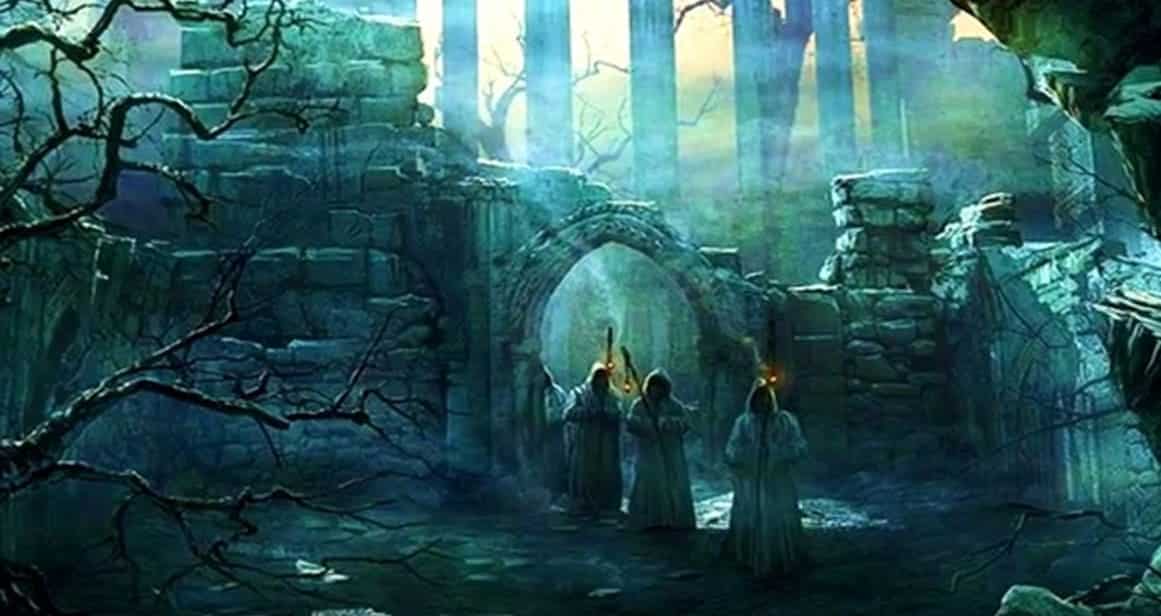
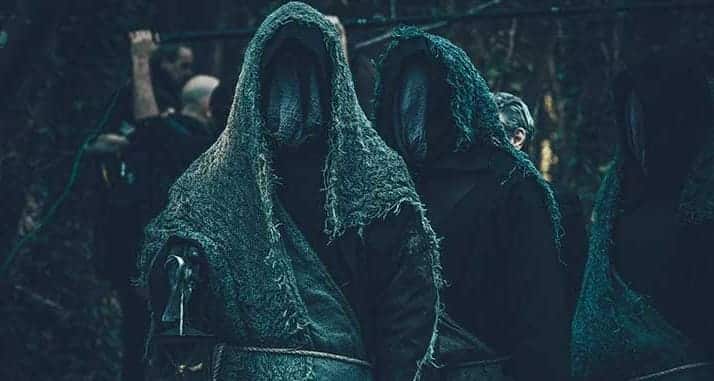
Most have never seen La Santa Compaña, but many claim to have felt its eerie presence. According to Rías Baixas myths, the procession forms two lines, walks shrouded and barefoot, holding candles — passers-by smell burning wax. Others have heard prayers or funeral chants. Small bells accompany the ghostly melodies.

The pilgrimage of La Santa Compaña

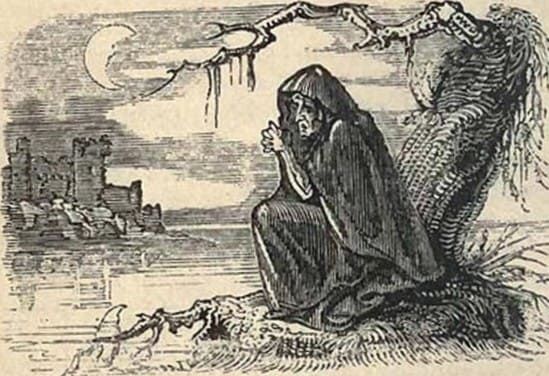
The procession of the dead passes through villages, empty roads, near houses and fields — led by a living person sometimes dressed in a white hooded cloak. According to some, the spirits also wear hooded cloaks. The leader is usually church-related — a parishioner of the church the procession is heading to.

Three main symbols always appear: a cross, a candle and holy water. La Santa Compaña apparently comes to punish people for their bad deeds. Always around midnight, vanishing before the first rays of sun.

The pilgrimage of Santa Compaña

Many versions, many names in different regions, but all include a group of tormented souls walking the streets. Names like Estadea, Rolda, Patalla, Avisons, Pantaruxada and As da nuite live in local stories. In some texts, the leader is called Estadea.

The Galician legend: belief in the supernatural

To avoid an encounter, you must find a way to protect yourself. A well-known method is drawing the Circle of Solomon with chalk or salt. A black cat passing by the road also disrupts their plans.

belief in the supernatural

Belief in the supernatural, ghosts and other beings remains strong in Asturias, Galicia and northern Portugal. If you visit Galicia, you’ll soon notice how many of these old stories are still alive.

The most widespread Galician legend

The English Cemetery

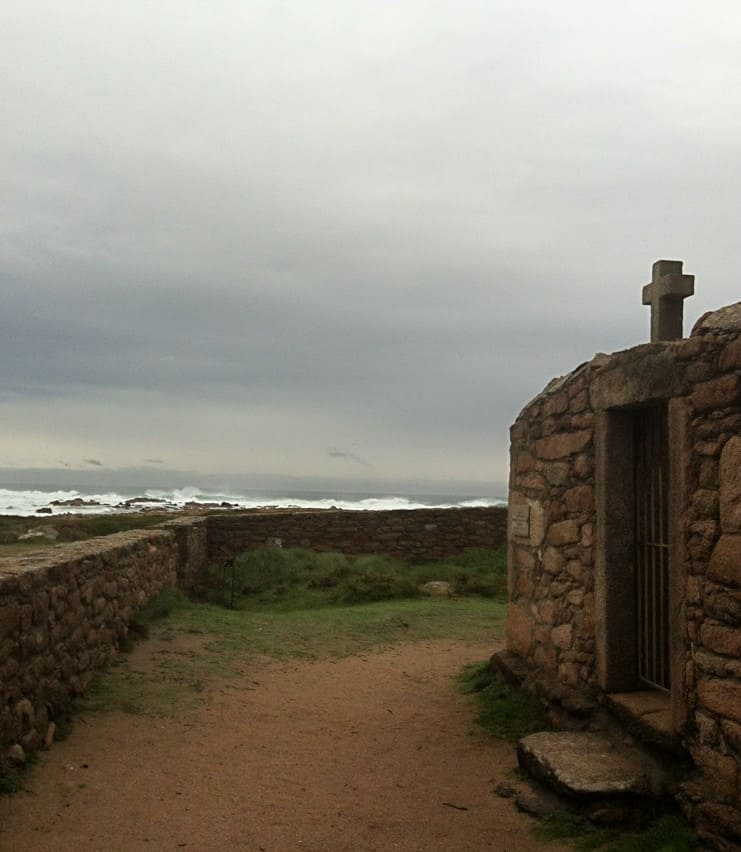
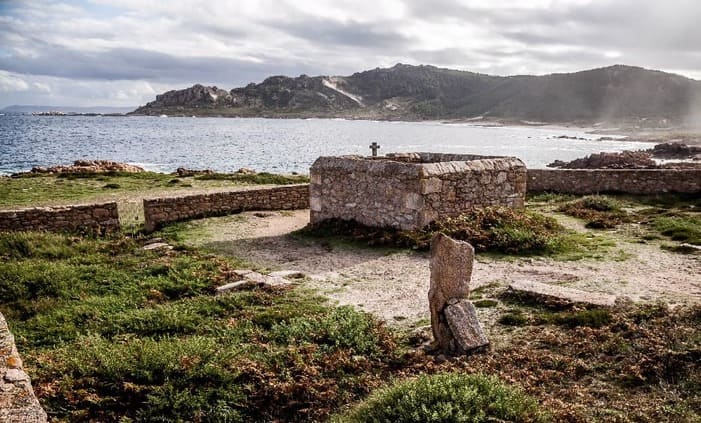
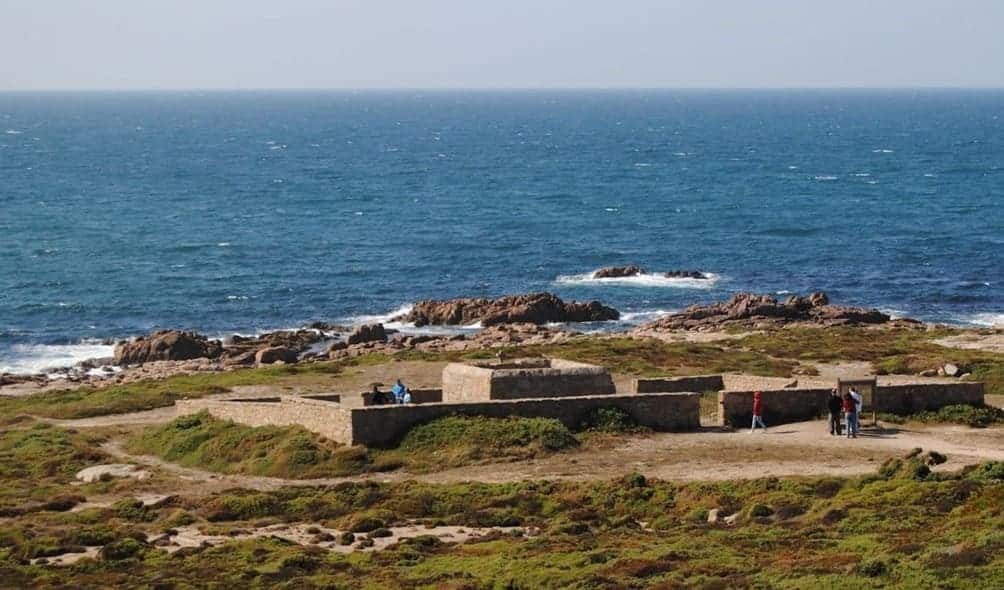
The English Cemetery is in the Camariñas municipality, A Coruña province. The Camariñas coast is in the heart of the Costa da Morte on the Atlantic coast of Galicia — a must on your trip.

History of the English Cemetery

The area is known for the many shipwrecks in its waters. One of the most notable events of its dark history was the wreck of the British ship “HMS The Serpent” on 10 November 1890. Considered the largest disaster on the Costa da Morte, only 3 of 175 passengers survived — mostly young British Navy students.

The priest and residents of Xaviña, a nearby village, came to rescue the shipwrecked, but all they could do was shelter survivors and bury the bodies they recovered. Later, two British warships closed off the place with a stone wall. Since then the site has been known as “The English Cemetery”. An inscription in Spanish on the stone cross says:

“In memory of the captain, officers and crew of HMS Serpent. 172 were cast here. 10 November 1890.”

History

The English authorities, to show gratitude, gave Camariñas a barometer, the Xaviña priest a rifle and the mayor a clock. Relatives of the deceased visited for years and British warships fired a salute when sailing past. 28 crew members of the “Iris Hull” are also buried here — another British ship wrecked on 3 November 1883, seven years and seven days before the Serpent.

The cemetery was rebuilt in 1990, on the centenary. Every year a tribute is held for those who died in the Costa da Morte waters.

The English Cemetery surroundings

Camariñas is a seafaring municipality famous for its bobbin lace. Beyond the many shops, you can see the results of this craft at the Bobbin Lace Museum. A lace fair is held at Easter.

The surroundings

The Costa da Morte has been included in the Natura 2000 network since 2001. The Camariñas coast is one of the most extensive and pristine areas of the Galician coast. Among the most outstanding natural spaces in the north-west Iberian Peninsula due to its varied vegetation and conservation status. A Pedrosa, Reira and Trece are some of its most impressive beaches.

Of special interest for its seabird populations, including endangered species like the kittiwake. Hosts the only colonies breeding the common guillemot in Spain. A stop for hundreds of thousands of migrating and wintering seabirds. The Cape Vilán environment was declared a Natural Site of National Interest in 1933 and is a Special Protection Area for Birds.

The English Cemetery

Vilán Lighthouse

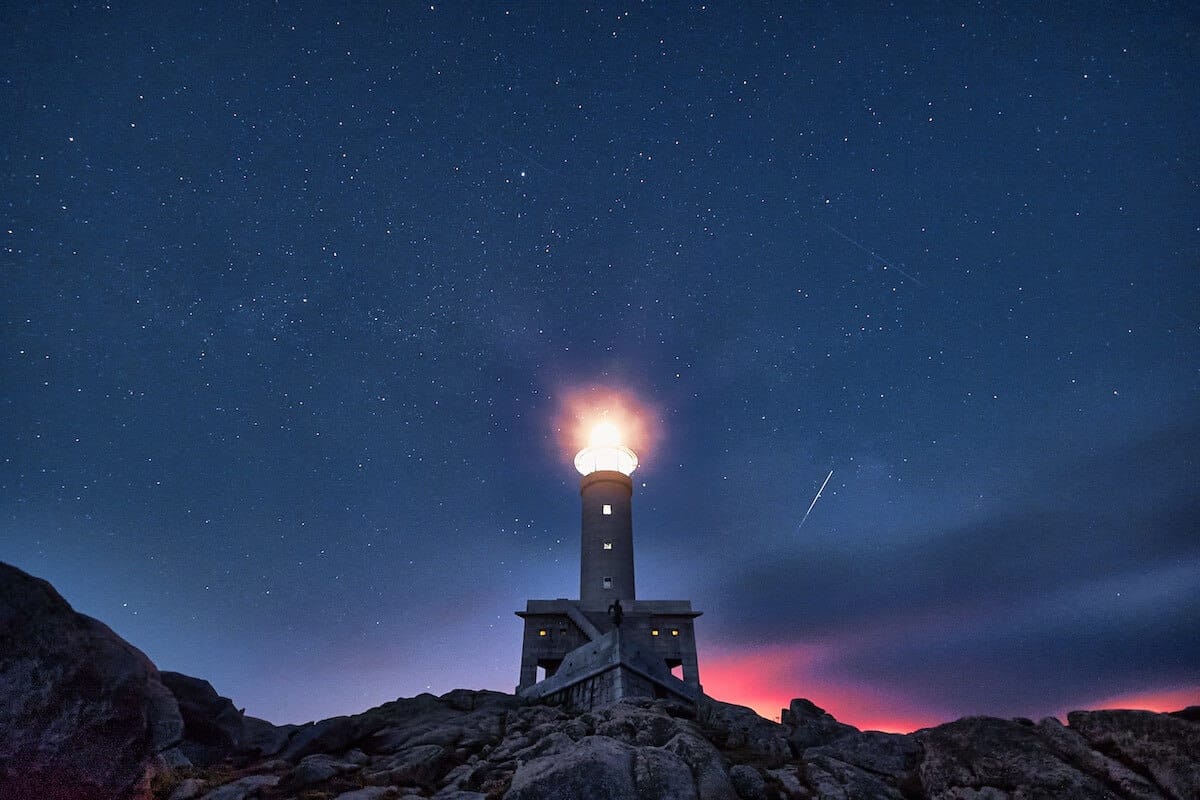
One of the highlights around the English Cemetery. The lighthouse is at one of the most dangerous Atlantic crossings. Since the 15th century, over 800 shipwrecks and thousands of deaths.

The Serpent wreck sped up the construction of the new Vilán lighthouse, finished in 1896 on a budget of 840 euros. The lighthouse tower is 25 m tall on an octagonal granite floor on a 105 m granite cliff. The largest in Spain when built and the first powered by electric light. Lack of space meant the house and engine room had to be built lower, connected by a granite tunnel.

The lighthouse houses the Shipwrecks and Lighthouses Analysis Centre, a café, an exhibition hall and a tourist information office. Free to visit.

Vilán Lighthouse

Summer Festivals in Galicia

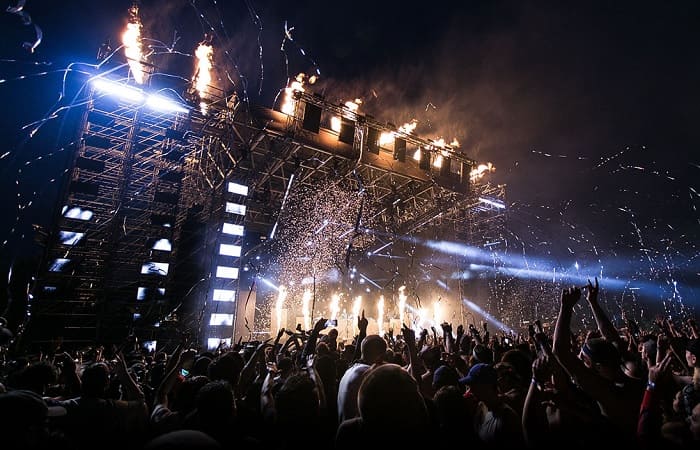
Summer is a season full of things to do in Galicia. Beyond music festivals, there are many summer festivals in Galicia you can’t miss. Food, traditional Galician music, fireworks and ancient traditions are part of Galician summer life. A selection of our favourites — there are thousands across cities and villages.

Get to know Galicia’s summer festivals

A Rapa das Bestas — first weekend of July, Sabucedo (Pontevedra)

summer festivals in Galicia

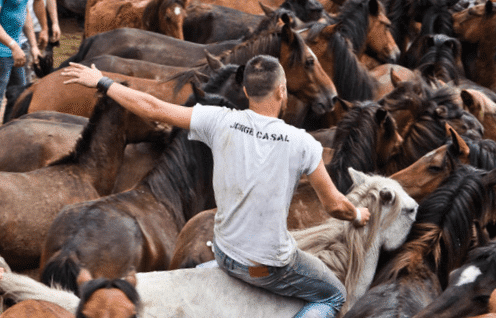
Sabucedo, a small village in the mountains of Pontevedra, hosts the best-known of the “Rapa das Bestas” festivals held in Galician summer. Horses roaming free all year on the mountains are gathered into a fenced area called a curro, where men and women cut the wild horses’ manes using only their hands and riding skills. A centuries-old tradition celebrated for over 400 years. Declared “Festival of International Interest” — thousands of visitors each year.

Virgen del Carmen Festivals — 16 July, in all Galician fishing villages

Virgen del Carmen Festivals

The “Virgen del Carmen” is traditionally considered the protector of fishermen and sailors. On 16 July, boats hold a colourful procession at sea carrying an image of the Virgen del Carmen. Food, music, fireworks and night-long parties are guaranteed.

Festas do Apóstolo — Santiago Festivities (25 July, Santiago de Compostela)

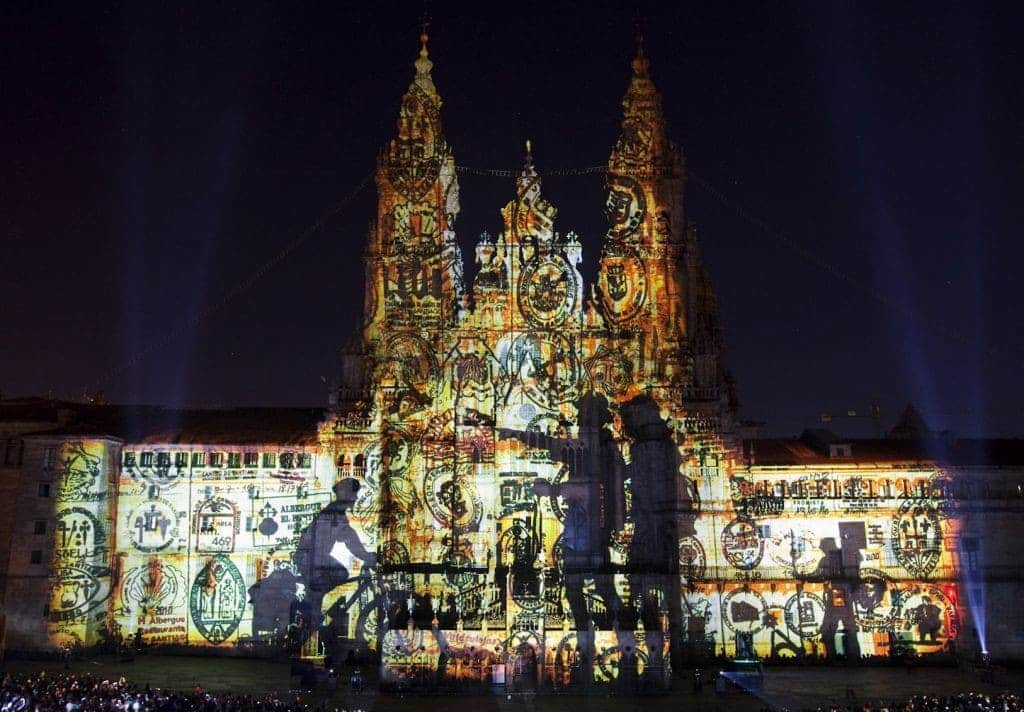
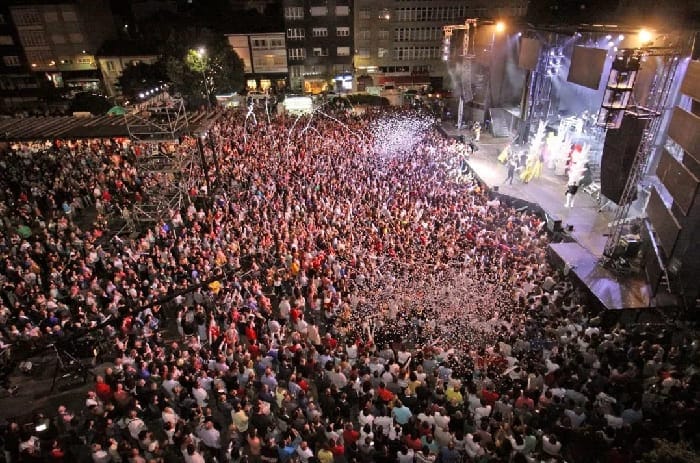
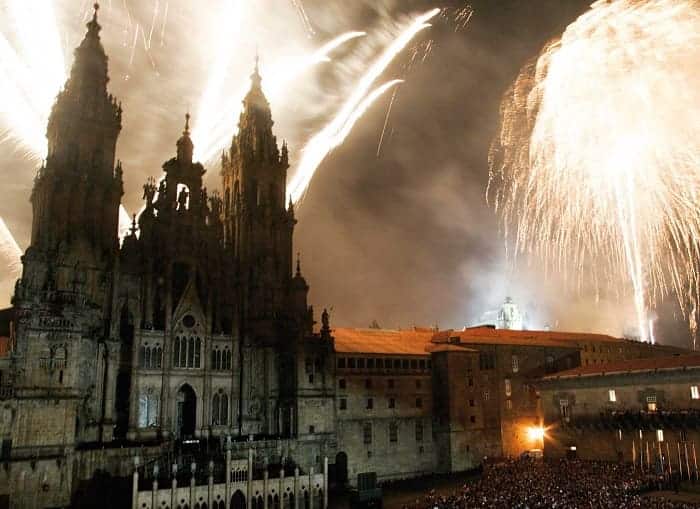
25 July is the date when Santiago de Compostela celebrates its biggest festival in honour of the Apostle. The end of two weeks of concerts, music and partying in the squares, especially the old town. The night of the 24th is the big night: an exceptional show of sound, lights, projections and fireworks at Plaza del Obradoiro. One of the best summer festivals in Galicia.

The Coffins Procession (29 July, Santa Marta de Ribarteme, Pontevedra)

A Rapa das Bestas

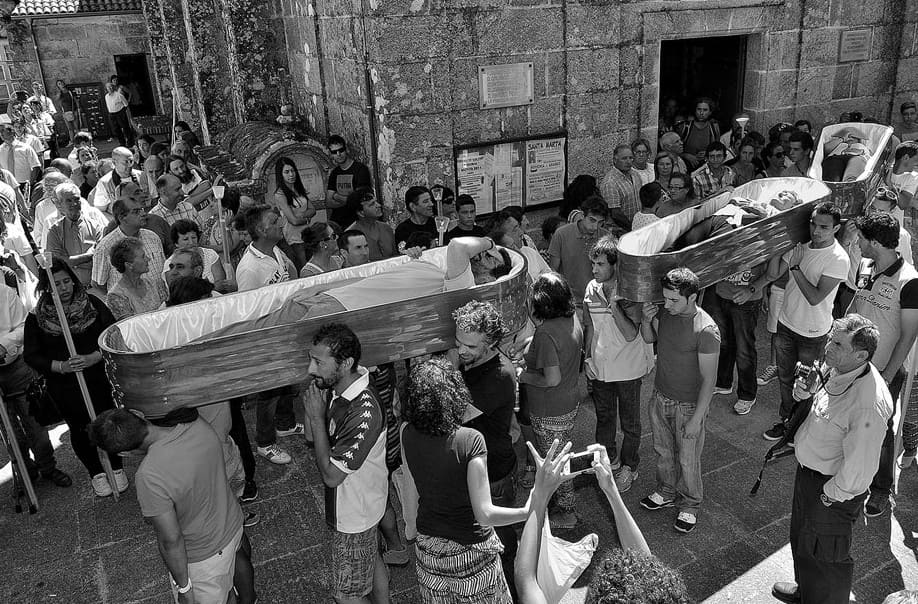
The British newspaper The Guardian called this procession “The most unique celebration in the world”. In the small village of Santa Marta de Ribarteme, on 29 July some (alive) people take part in the procession in their own coffins. These people had been previously “offered” to Santa Marta because they had a serious illness and survived, so they lie in an open coffin to express gratitude for being saved from death, usually carried by their relatives. After the visit, of course, taste some food and wine.

Viking Landing — 1st weekend of August, Catoira (Pontevedra)

Get to know the summer festivals

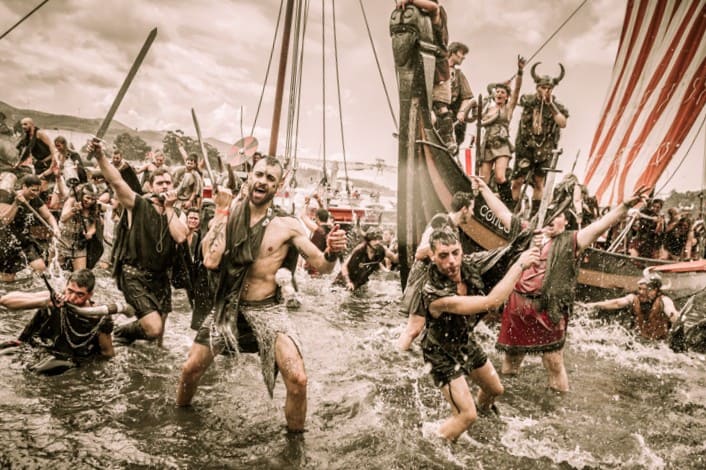
Since 1960 the village of Catoira, dressed as Viking warriors, re-enacts the Viking attacks that took place 1,000 years ago. A very popular festival with fun, music and — as good Vikings would — food, wine and beer. Held next to the ruins of the Torres do Oeste, a fortress built around the 9th century to protect the village from Viking attacks. A medieval market and night-time concerts complete the celebration.

Festa do Albariño — 1st weekend of August, Cambados (Pontevedra)

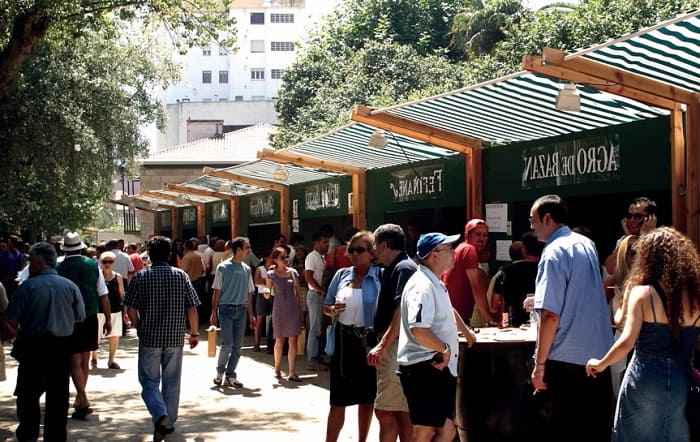
Started in 1953 as a wine competition, this celebration of Albariño wine is now a big event around food and culture. Taste our most award-winning Rías Baixas wine, our seafood, and interact with many winemakers, plus a full programme of music concerts and cultural activities.

Festa da Istoria (30–31 August, Ribadavia, Ourense)

One of the oldest and most popular medieval fairs. The last weekend of August transforms the charming village of Ribadavia into a medieval town. A great market in the well-preserved old town (including one of the few examples of medieval Jewish quarters in Galicia). Dressing in medieval clothing is recommended, and you even change your money for medieval coins to buy at the market.

Just a small selection — summer festivals can be found in almost every corner. A good chance to know our history, culture and traditions and enjoy the legendary local hospitality.

Curiosities About Galicia

Some encyclopaedias describe Galicia as “a medieval kingdom in north-west Spain, now an autonomous region. Colonised by the Visigoths from the 6th century, it became a sub-kingdom of Castile in the late 11th century. It has kept its own language and flourishing culture.” There’s another Galicia, in Poland and Ukraine — the two are unconnected.

Galicia has a relatively low population of about three million across four provinces and a surface of about 11,500 km². The provinces are Lugo, Ourense, A Coruña and Pontevedra. Beyond the regional capital, each province has its own capital.

Here are some curiosities you may not know.

History of Galicia

Historically, Galicia was one of the poorest regions in Spain with an economy focused on fishing and farming rather than industry. One curiosity is that Galicia has an unusually low non-Spanish population — including fewer than 800 native English speakers.

After General Franco came to power, much of Galicia’s autonomy — including its language, Galician — was abolished and banned in schools. Since the return of a more democratic government, Galicians have embraced every aspect of their regional and cultural heritage.

History of Galicia

Facts about Galicia

Although considered one of Spain’s poorer provinces, Galicia is rich in agriculture, fishing and, more recently, tourism — clearly seen in rising property values. A four-bedroom house in any big city will cost over 300K euros, and probably needs extensive renovation.

Galicia has a temperate climate and four seasons that allow it to grow a wide range of vegetables, some unavailable elsewhere in the Iberian Peninsula. Agriculture and fishing are the main income sources, with tourism catching up.

A much-debated curiosity is that Galicians claim Celtic origin — we’ll stay out of that debate.

Another: if you want to offend a Galician, suggest their provinces were once under Moorish/Islamic rule. Many Britons and Americans assume this, but it’s untrue. Galicians fought the Moors when they attacked Santiago de Compostela.

Facts about Galicia

Curiosities about Galicia

  • The Spanish Armada set sail from A Coruña during the attempted invasion of England in 1588. In 1589, Sir Francis Drake’s attack and confused navigation led to its near-total destruction.
  • The most popular regional wines are Albariño and Ribeiro.
  • Julio Iglesias, although born in Madrid, has Galician heritage — reflected in songs like “Una canción a Galicia” and “La nostalgia”.
  • The anthem of Galicia is “Os Pinos”.
  • Galicia has five cathedrals — the most famous is in Santiago de Compostela.
  • Galicia has many rivers, mostly small — known as “the land of a thousand rivers”.
  • There are only seven cities in Galicia with over 50,000 people.
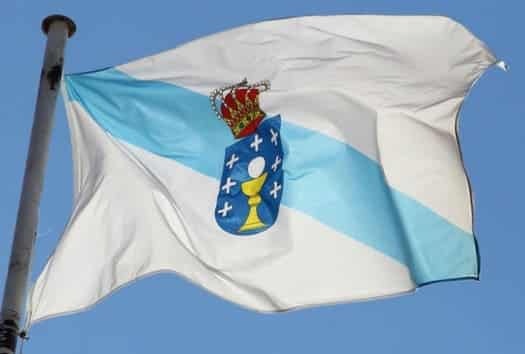
  • The autonomous government is called “Xunta de Galicia”. The Galician flag has only existed since the 17th century; the coat of arms in the centre is required for all state functions.
  • Buenos Aires has the largest Galician population in the world.
  • Galicians consider themselves Celts.
  • Despite trying to destroy concepts of regional identity, language and culture, General Franco was actually Galician and spoke Galician.

Curiosities about Galicia

Curiosities about Galicia

Combarro, Mysterious Galician Treasure

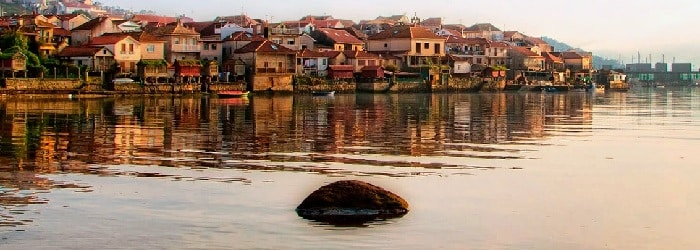
Combarro is known as one of the loveliest villages in Galicia, in Pontevedra. Combarro is a magical Galician treasure you won’t forget — many special spaces for every visitor.

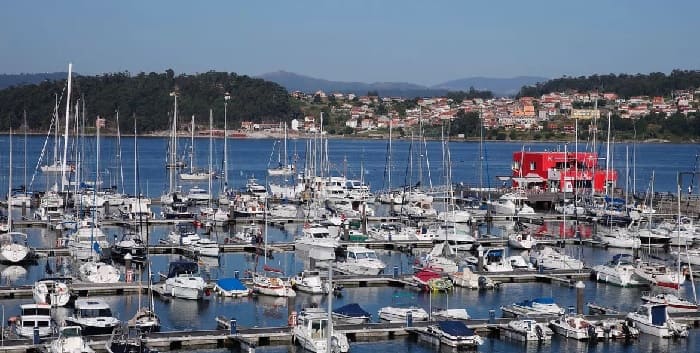
A beautiful old town with stone, wood and tile houses. The harbour around the village is important — you can see the yachts on the edge. Combarro was declared a Historic Site and is considered a museum.

Walking its streets is a delight, full of art. A beautiful place you’ll always remember — small but magical.

What to do in the Galician treasure?

Some things to do and see in this little village:

Visit the hórreos

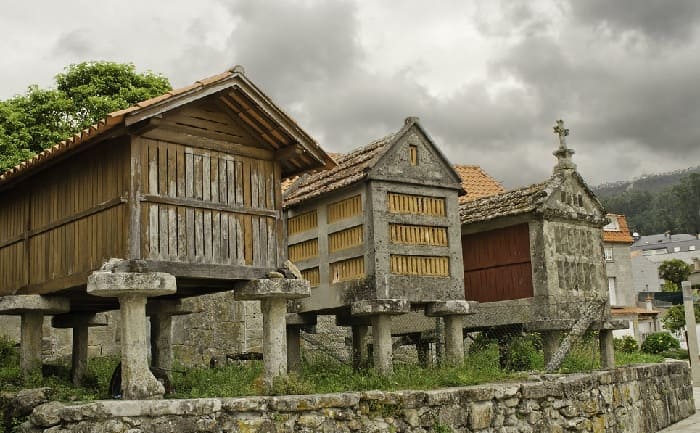
Combarro is known as the village of hórreos. They are ancient traditional structures used to store food and grain. Made of wood and stone on pillars to keep rodents out. Built near the sea to store goods from boats.

Combarro, mysterious Galician treasure

In Combarro there are 60 hórreos!, almost all on the coast — proof of the fishing and farming activity.

Try the gastronomy

Try seafood, especially at restaurants with spectacular estuary views. Quality is exceptional in every dish.

Architecture

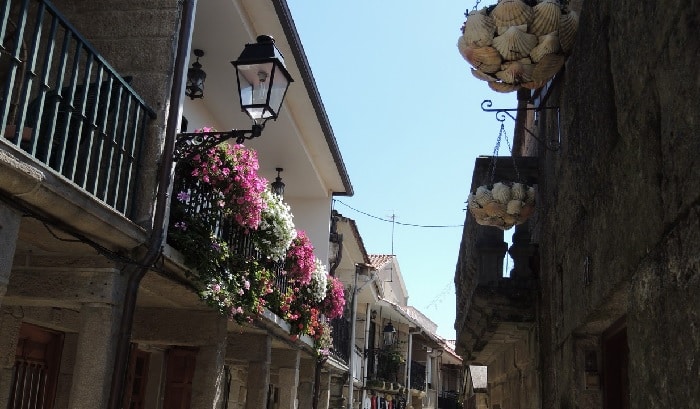
The town features stone buildings typical of maritime tradition. The old quarter keeps 18th- and 19th-century architecture, with little squares to rest while you walk.

What to do in the Galician treasure?

Cruceiros

Stone crosses that decorate the village. One famous spot is the Plaza de San Roque with two granite crosses.

At least seven crosses made to protect the village from witches who gathered in Combarro. Most are in squares or at crossroads. The Virgin looks to the sea and Christ to the land.

Cruceiros

Harbour

A coastal town without a harbour? Impossible. Enjoy the maritime tradition and new trends. A favourite place to sit and enjoy the view with a tapa, beer and wine.

Watch fishermen preparing their gear, yachts heading out to the estuary, and kids playing. One of the best afternoon plans.

Try the gastronomy

Summer in Galicia

Galicia is famous for its summer festivals, being one of the most festive areas in Spain — especially in this season when the climate is most favourable. Enjoying these summer festivals in Galicia, which usually last several days, is a pleasure for many.

This is one of the area’s main tourist attractions, with festivals anchored in tradition — gastronomic, historical and religious. Here are the most important and popular ones.

If you travel at this time, don’t miss the summer festivals in Galicia. August is our favourite month to know this region.

7 summer festivals in Galicia

There are many — here are the 7 most important.

María Pita Festivals

In the Herculean city of A Coruña, in honour of María Pita through all August. María Pita was the heroine who saved the city from an attack by a British corsair. Celebrated with concerts by local artists in the square named after her.

summer festivals in Galicia

Albariño Wine Festival

To showcase the Albariño wine in Pontevedra. Five days of festivities with drinks, food, tastings and workshops on wine production. 29 July to 2 August.

Albariño Wine Festivals

Da Dorna Festival

Festival of tourist interest in Galicia, one of the oldest — celebrated since 1948 in Ribeira. Tradition-focused: cultural activities, wine and sardine tastings, concerts. Remember the fun tradition of carrying the crystal glass tied around your neck.

Apostle Santiago de Compostela Festivals

Impossible to talk summer festivals without this one. Celebrated in the second half of July, peaking on 24 and 25 — the 25th is a holiday across Galicia.

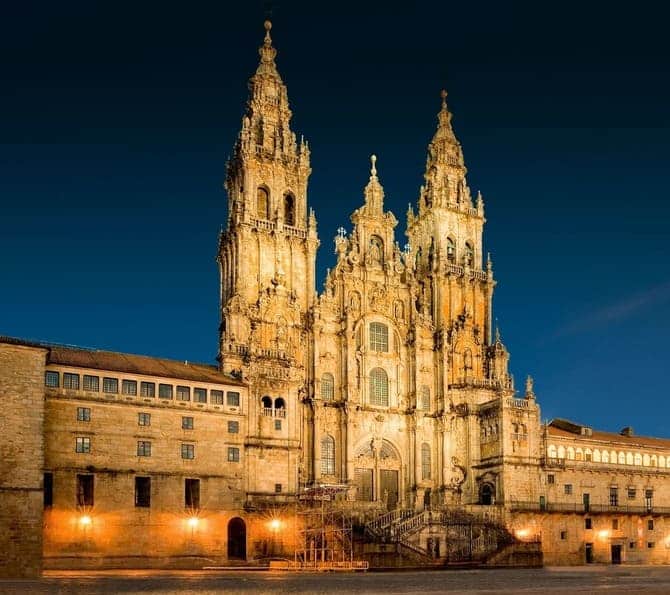
One of the most fun days is the night of the 24th with the famous fireworks at the Obradoiro Square facing the Cathedral, which keeps its Holy Door open on a Sunday during this celebration.

Apostle Santiago festivals

Viking Romería

Festival of International Tourist Interest in Pontevedra since 1960 — one day only, the first Sunday of August from 10 am. People dress as Vikings to represent the invasion.

Water Festival

One of the most popular among young people, every 16 August in the Rías Baixas. Since 1984 — of National Tourist Interest. Everyone wants to cool off — fun submerged in water.

7 summer festivals in Galicia

Celtic World International Festival

Of National and International Tourist Interest. Four days of Celtic music on Morouzos beach. Over time it has expanded to folk, regional musicians and bands. Theatre, puppets, crafts and the popular parade of Celtic bagpipe bands.

The Festivals You Can’t Miss This Autumn in Galicia

Autumn is starting and with it the planning of very important and culturally significant festivals in the Galician region. Here are the best festivities to live autumn in Galicia this 2022.

The 5 best festivals to live autumn in Galicia

Galicia is unmissable, especially for its mythical culture. Living autumn here is unforgettable. The 5 best festivals:

San Froilán of Lugo

From 4 to 12 October, around the patron saint of Lugo: San Froilán. The city fills with cheer to celebrate.

Music festivals, Galician craft exhibitions, evening fairs and food around an excellent seafood: octopus.

The octopus stalls are central; you can join family or friends to taste the best Galician flavours. The second Sunday is the “Domingo das Mozas” with celebrations showing the traditional Galician outfits.

autumn festivals in Galicia

The O Grove Seafood Festival

From 29 September to 12 October — one of the longest. Seafood delicacies:

  • Clams.
  • Cockles.
  • Shrimps.
  • Mussels.
  • Octopus.
  • Goose barnacles.

Prices range from 6 to 20 euros depending on weight and seafood type.

The Mycological Week of Tolosa

A week dedicated to mushrooms, sponsored by the Casino gastronomic society. Talks and workshops too.

San Froilán of Lugo

The bean and vegetable fair

In the heart of Cantabria — best stews with this vegetable.

You can also buy quality beans for personal cooking in the following months.

The medieval fair of Sant Esteve de Palautordera

Held between October and November, coinciding with All Saints. Medieval markets where you can meet local artisans.

medieval fair

How to travel to Galicia in autumn?

Hire a tour agency specialised in Galicia.

The Eight Most Magical Villages of Galicia

If you’re planning a getaway to this region, you’ll likely want to include the most magical villages of Galicia in your travel itinerary to enjoy their traditions and customs. Here’s everything you need to know.

The most magical villages of Galicia to visit

Galicia is known worldwide as a region full of mysticism and charming stories. Many people dream of going at least once in their life and not miss a single detail.

Here are eight of the most magical villages of Galicia for your next trip:

1. Portomarín

Portomarín is a small village you’ll reach if you walk the French Way. It sits between Sarria and Palas de Rei, with beautiful landscapes to walk and enjoy.

It’s one of the most interesting villages on the Jacobean route. You can taste eel empanadas, popular all over Galicia, going back to the construction of the Belesar reservoir.

2. A Pobra de Trives

In the heart of the Ribeira Sacra, in Ourense. An iconic cobbled village. Among its main attractions are the Seta China and the Ruta dos Sequeiros.

heart of the Ribeira Sacra, in Ourense

3. Combarro

Combarro is listed by many tourists as one of the most magical villages of Galicia and of all Spain. The highlight is that most of its paths and routes lead to the sea, but it also features the Armenteira monastery and the Samieira mills.

If you’re planning to visit Galicia, include Combarro on your itinerary.

4. Muros

Muros is in the heart of A Coruña — a seafaring village where you can enjoy all the features of a port area.

The Eight Most Magical Villages of Galicia

An interesting feature of Muros is its narrow streets, like old streets used to be.

5. Mondoñedo

If you’re preparing a visit to Lugo, include Mondoñedo. It was the capital of Galicia in the 19th century and has one of the most beautiful cathedrals in the world — a UNESCO World Heritage Site since 2015.

6. Ribadavia

Ribadavia is one of the most magical villages of Galicia, where medieval customs still coexist with modern innovation. Visit the Convent of San Domingo or the Castle of the Sarmiento Counts.

You can also visit the Wine Museum of Galicia and discover some of the world’s most important wineries.

7. A Veiga

A Veiga is known across Spain as the cradle of Galicia’s sweetest honey. Even the most demanding palates recognise the area’s beekeeping.

the most magical villages of Galicia to visit

In A Veiga you can also see the glacial lagoons route.

8. Seadur

Seadur belongs on the list. Its peculiarity is an entire street devoted to wineries built into rock. To access them, you enter as if going into a cave.

Visiting these magical villages of Galicia lets you create unforgettable memories and learn about so many years of history and tradition.

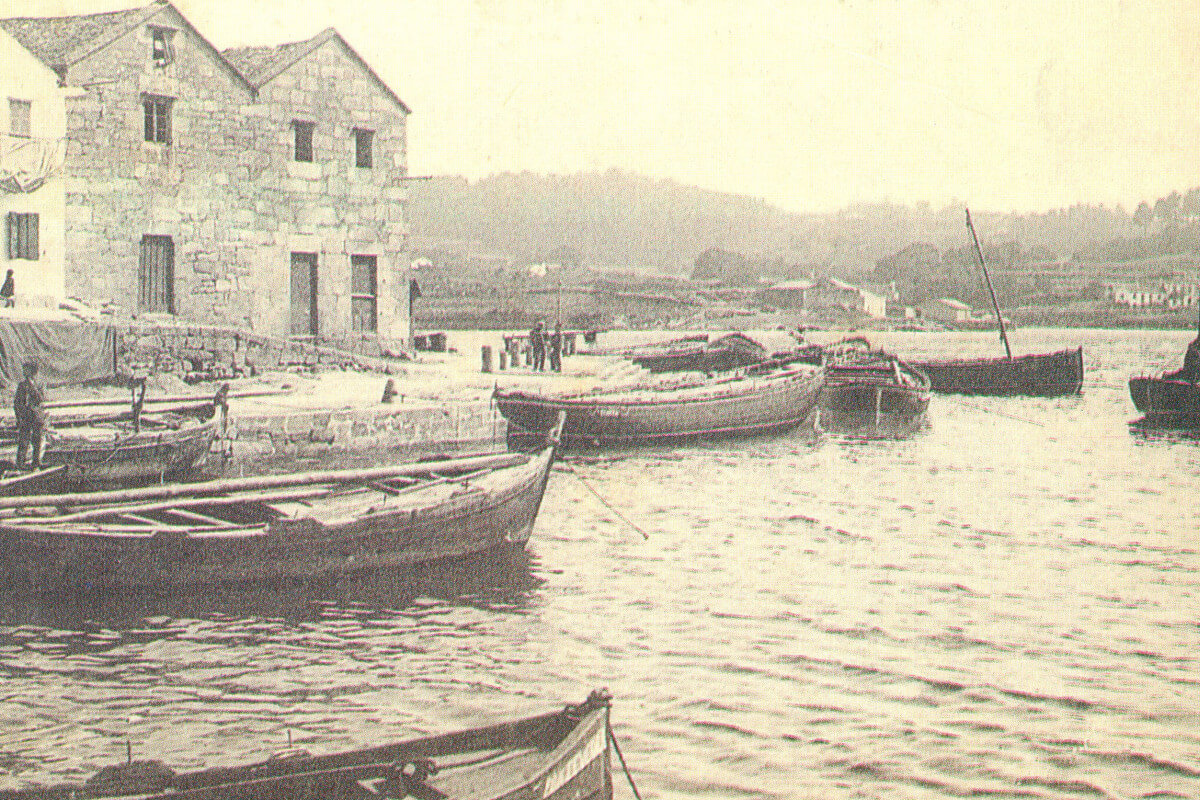
Galiciana: Galicia’s Past Just a Click Away

It’s no secret that Galicia is one of Spain’s best-kept places. With its charming, particular history, it could be your next holiday destination this autumn or winter. This article is about “Galiciana”, a new project that confirms the past of Galicia.

What is Galiciana?

Galiciana is the name of a new project that takes us back to the past of Galicia with a single click. It’s the historic archive of Galicia, with important and significant information about the region — consolidated over the years.

The archive is fully digital — with internet and a device, you can check all the valuable information it holds to learn more about Galicia.

Galicia’s past now also in print

What is Galiciana?

Although the archive has been digital for years, it now also has a printed version. The General Director of Culture of Galicia, Anxo M. Lorenzo, has just printed a book reflecting important information about Galicia’s consolidation as a society.

The archive includes interesting content. The most outstanding is the photo collection that lets us see what Galicia was like in the past.

There’s also information about birth records and minutes of municipal activities and meetings — useful for historians or anyone who simply wants to learn more about Galicia.

How has Galiciana been received?

Both the digital archive and the recent book have been well received. So far in 2022, there’s been an estimated 30{0c4b52101edf59c43bd9ea9c33002dad18a168785976cd7d994d2e239557c454} increase in queries to the digital archive.

That translates to nearly 190,000 users who have taken an interest in Galicia’s past.

Galicia's past now also in print

How to access Galicia’s past in the digital archive?

Galiciana is driven by the General Secretariat of Culture of Galicia. To access it, search online for the Digital Library of Galicia. You’ll find lots of information for academic or tourist purposes.

What can you see in Galiciana?

It includes all the information available in the Library of Galicia, so you have access to a wide range of digitised documents.

Galiciana: Galicia's past in a click

Also documents from important libraries considered Galician intellectual heritage, including the University of Santiago de Compostela, the Royal Galician Academy and the Library of Local Studies of A Coruña.

It’s a very valuable archive for projects or research about Galicia’s history. If you want to know more about Galicia’s past, this digital library may be what you’ve been looking for.