Skip to content

Slow Autumn in Northern Galicia

Northern Galicia is one of the most interesting areas for tourism in this part of the world. Especially now, the “slow autumn” alternative has created new proposals for tourists looking for a more viable, sustainable, environmentally friendly way to travel.

What does the “slow autumn” involve?

Slow autumn is an initiative launched in northern Galicia by the associations of municipalities of A Mariña Lucense and Ferrolterra, since 2015. It’s an excellent way to highlight local customs and generate new sustainable tourism alternatives.

What does slow autumn involve?

This type of sustainable tourism involves 52 accommodations — 24 from Ferrolterra Rías Altas and 28 from A Mariña Lucense. This year, slow autumn ran from 22 October to 12 November.

The slow autumn itinerary included:

  • 22 October — visit to the old town of Cedeira.
  • 28–30 October — creative photography workshop in Barreiros.
  • 29 October — visit to the Sor river between the landscapes of A Coruña and Lugo.
  • 4–6 November — personal development programme in Barreiros.
  • 5 November — horseback route along the Sor.
  • 12 November — gastronomic walk in Fragas do Eume.

At the end of the itinerary, a visit was made to Caaveiro Monastery, with a dreamlike ethnographic setting that charmed every participant.

All activities were financed through the Sustainable Tourism Plan of A Mariña Lucense, plus the association of municipalities and the State Secretariat.

Northern Galicia, an excellent landscape for tourism

Northern Galicia, an excellent landscape

Northern Galicia provides incredible, unforgettable memories. Touring this area is something you’ll truly enjoy.

Several agencies and companies specialise in tours offering fun, history and culture.

Enjoying Galicia’s landscapes will leave you in awe. Even though the slow autumn experience for this year has passed, there are still great opportunities to tour Galicia.

Will slow autumn happen again?

Slow autumn has been recurring since 2015 and is likely to be organised again in 2023. As long as it continues to be well received, it will keep being organised.

More and more people are betting on sustainable tourism in northern Galicia, as it’s one of the most conserved areas in the country and one that attracts visitors all year round.

Advantages of tourism in northern Galicia

You’ll enjoy several advantages:

You’ll know preserved territories

Galicia is very well cared for by its residents and by tourism organisers. You’ll have unforgettable memories.

Slow autumn in northern Galicia

You’ll know monuments and historic old towns

The most striking thing about Galicia are its historic old towns. By visiting northern Galicia, you’ll also see all kinds of historic centres, museums and monuments of social interest.

5 Plans to Live a Unique Christmas in Galicia

Christmas is many people’s favourite time of year, and as it approaches, it’s important to start thinking about what to do for the holidays. In today’s article we’ll go through the best plans to live a unique Christmas in Galicia.

The best plans for a unique Christmas in Galicia

Galicia is a charming land, full of mysticism and natural beauty. If there’s an ideal place to spend Christmas, it’s Galicia.

best plans for a unique Christmas in Galicia

So if you’re wondering where to spend the holidays, consider Galicia — plan your trip quickly and easily to enjoy great festivities with family and friends.

Here are the best plans for a unique Christmas in Galicia:

1. Take the Christmas markets route

One of the main options is family activities. The Christmas markets route is a Galician tradition where several popular markets still operate at Christmas with the best ingredients for festive cooking.

For example, in Santiago de Compostela you can visit the Mercado de Nadal, open from 3 December. Beyond cooking ingredients, you can also find decorations for your home.

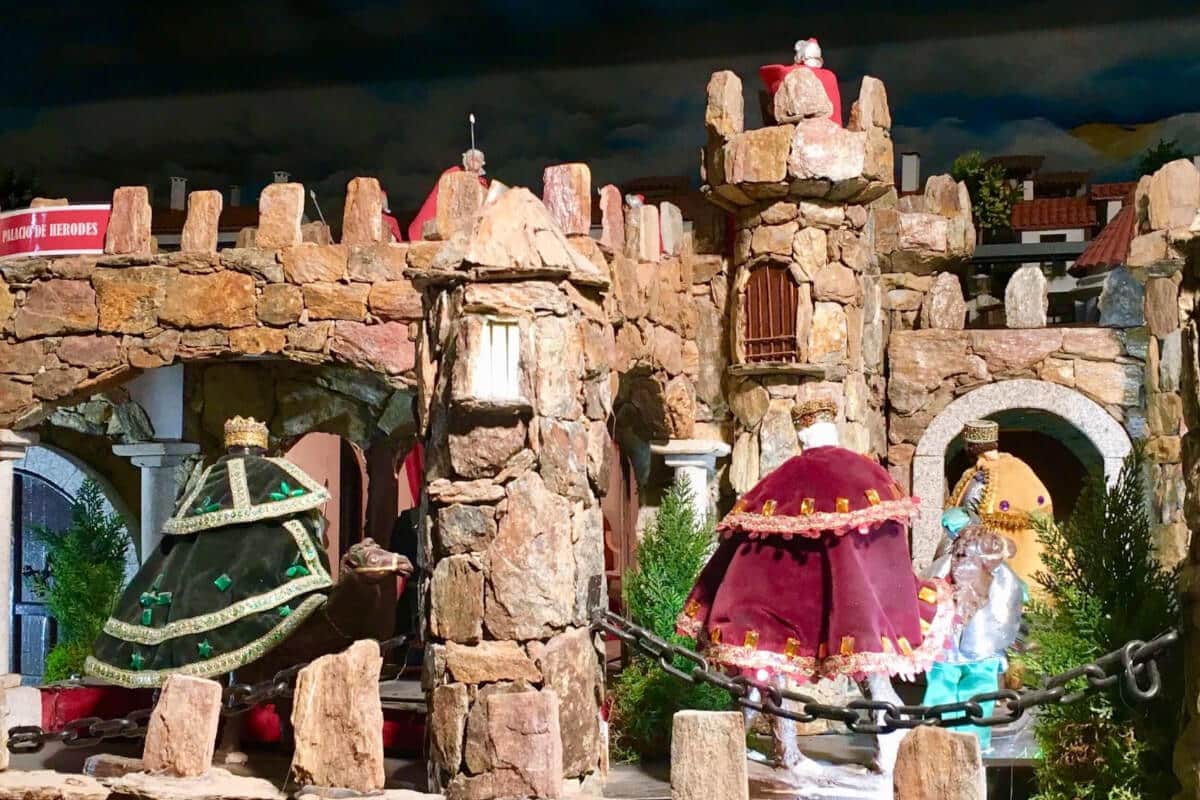
2. See the Belén de Valga

The Belén de Valga is one of Galicia’s most important traditions, in Pontevedra. It’s one of the largest nativity scenes not only in Galicia, but in the world.

5 plans for a unique Christmas in Galicia

Its peculiarity is that it alludes to all the important things that happened during the year, with over 4,000 figures every year — a space worth visiting.

3. Visit Vigo

Another alternative is Vigo. It’s one of the best towns for Christmas, especially for its iconic festive lights all around the city. Tourist trains are available so visitors can see the most important tourist points.

4. Visit Allariz

In Ourense, Villa Allariz stands out every year for its interesting decorations. They’ve been working on sustainable decorations, using recyclable materials to create exceptional displays.

They’ve built twelve Christmas scenes across the area inspired by the North Pole. A great activity for a unique Galician Christmas — the little ones will love it.

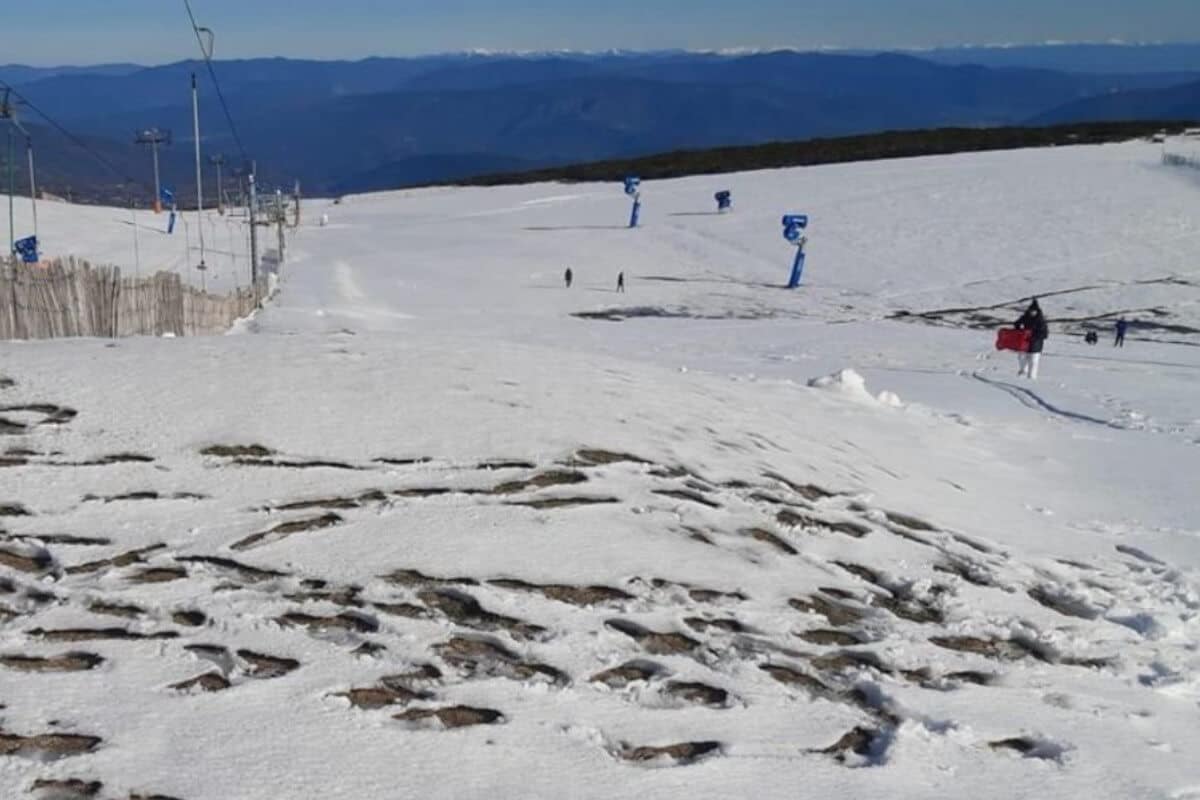
5. Manzaneda Mountain Station

Manzaneda Mountain is in A Pobra de Trives — one of the best plans for a unique Christmas in Galicia. A great way to escape the routine just before the holidays.

advantages of Christmas in Galicia

You can practise archery, hiking and traditional games. If you want unforgettable days in Galicia, plan this.

Advantages of Christmas in Galicia

The best way to live a unique Christmas in Galicia is to enjoy some of the countless plans available. For more information, contact specialist agencies for immediate, efficient attention.

The Renewed Interest in Religious Tourism

Religious tourism is one of the leading types of tourism in the world. Over the centuries, it’s been one of the most important elements moving the economy of important sites like Jerusalem or Santiago de Compostela. Recently this kind of tourism has been renewed after the Covid-19 pandemic.

The importance of religious tourism

the best examples of religious tourism

The spiritual dimension of humans is one of the most important parts of their personality. Everyone believes in something higher that connects them with a transcendent element.

That’s why spiritual life is one of the most important dimensions to live with naturalness and relate to others, and also to find inner peace.

For this reason, thousands of people undertake religious tourism every year. Some visit India to connect with themselves, or the Holy Land to see the most important relics of Jewish or Catholic religion.

A great example of religious tourism recently renewed are the pilgrimages to Santiago de Compostela made by tourists year-round.

Along the Jacobean routes, different pilgrims arrive from various places in Europe to visit the tomb where the remains of Saint James the Apostle rest.

The best examples of religious tourism

Religious tourism has generated major economic returns over the centuries. Here are some examples. Beyond the Camino, you’ll also find:

  • The Vatican seat at Saint Peter’s Basilica.
  • Notre Dame Cathedral in Paris.
  • The Padre Pio Sanctuary in Italy.
  • The Sacred Bath of the Ganges in India.

Each region also has religious tourism points of major importance to its specific community.

The importance of tourism in Santiago de Compostela

the importance of religious tourism

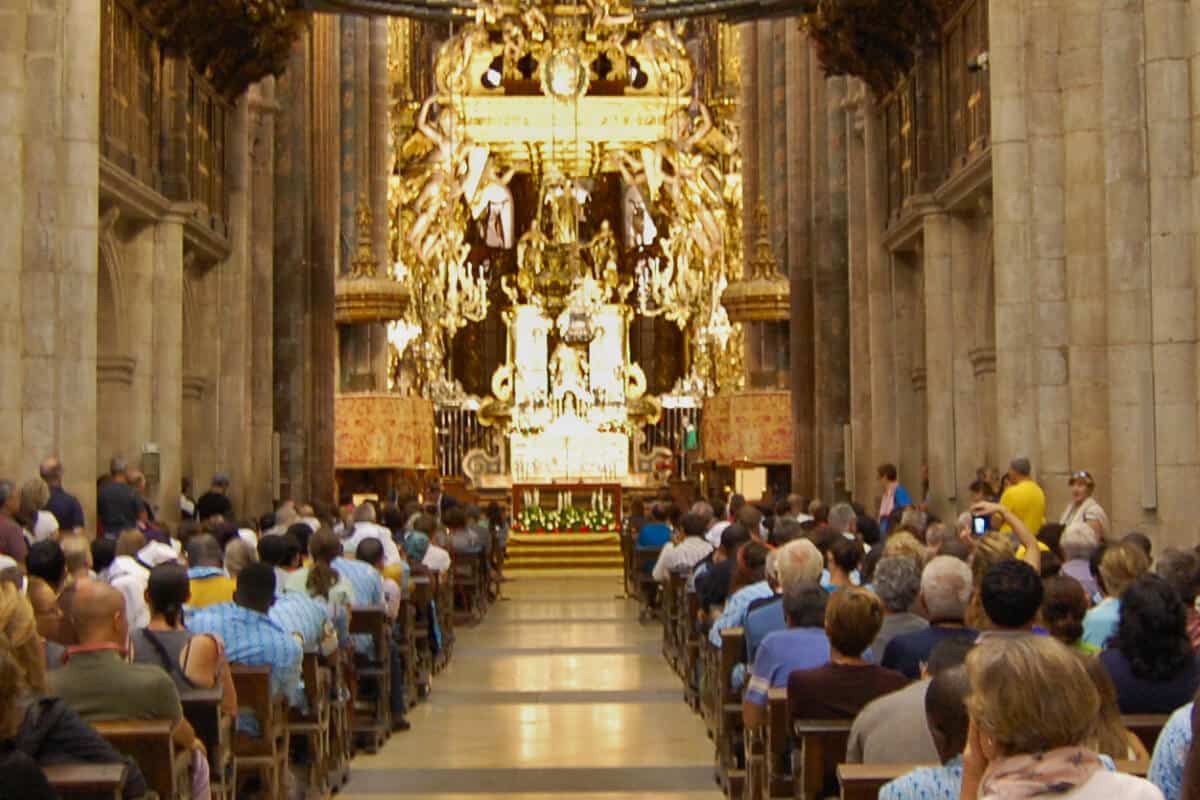
Tourism in Santiago de Compostela has been so important that it is now, along with Jerusalem and Rome, one of the three largest Christian pilgrimage centres in the world.

This has been the case since medieval times, and even with the rise of tourism in Lourdes or Italy, Compostela remains a centre of religiosity and fervour.

Pilgrims travel to Santiago for diverse reasons — personal interest, devotion, fulfilling a promise or gaining plenary indulgence. Each pilgrim has their own argument for the journey.

The Somport Pass

In the highest part of the Spanish Pyrenees sits the Somport Pass and the hospital and monastery of Santa Cristina de Somport. Today they are archaeological heritage sites, but they began to assist pilgrims along the Camino.

This is one of the most important tourism points along the Camino. Thousands of pilgrims still visit to experience the popular religiosity around this important old hospital.

Alto del Perdón

Alto del Perdón is another religious and tourism point on the Camino. It hosted not only a pilgrim hospital but also the famous hermitage of the Virgin of Forgiveness.

the renewed interest in religious tourism

This area is important because, over the years, it had been lost, and the Friends of the Way of Saint James decided to build a monument that includes figures of pilgrims marking the arrival.

When you see the Alto del Perdón, you know you’ve officially reached Santiago de Compostela. A classic example of religious tourism here is taking traditional photos with the pilgrim figures.

Christmas in Vigo: Magical Experiences in the City of Lights

When December comes, Christmas in Vigo turns the city into a unique destination. Known as the “City of Lights”, Vigo surprises locals and visitors with an impressive festive display, considered one of the best in Europe. From enchanting markets to dazzling attractions, this Galician city invites you to live a magical experience during the holidays.

The charm of Christmas in Vigo

Every December, Vigo becomes a magical destination thanks to its impressive Christmas lights. With activities for all ages and a unique atmosphere, the Galician city stands out as a must-visit at this time of year.

The city shines with its own light

Each year, Vigo dresses up with millions of LED lights that illuminate streets, squares and avenues. The show begins with the official switch-on, a massive event that opens the festive season. The famous Príncipe street, together with Porta do Sol, becomes the epicentre of the lighting, drawing thousands who come to admire the details and creativity of the decorations.

The biggest Christmas tree in Spain

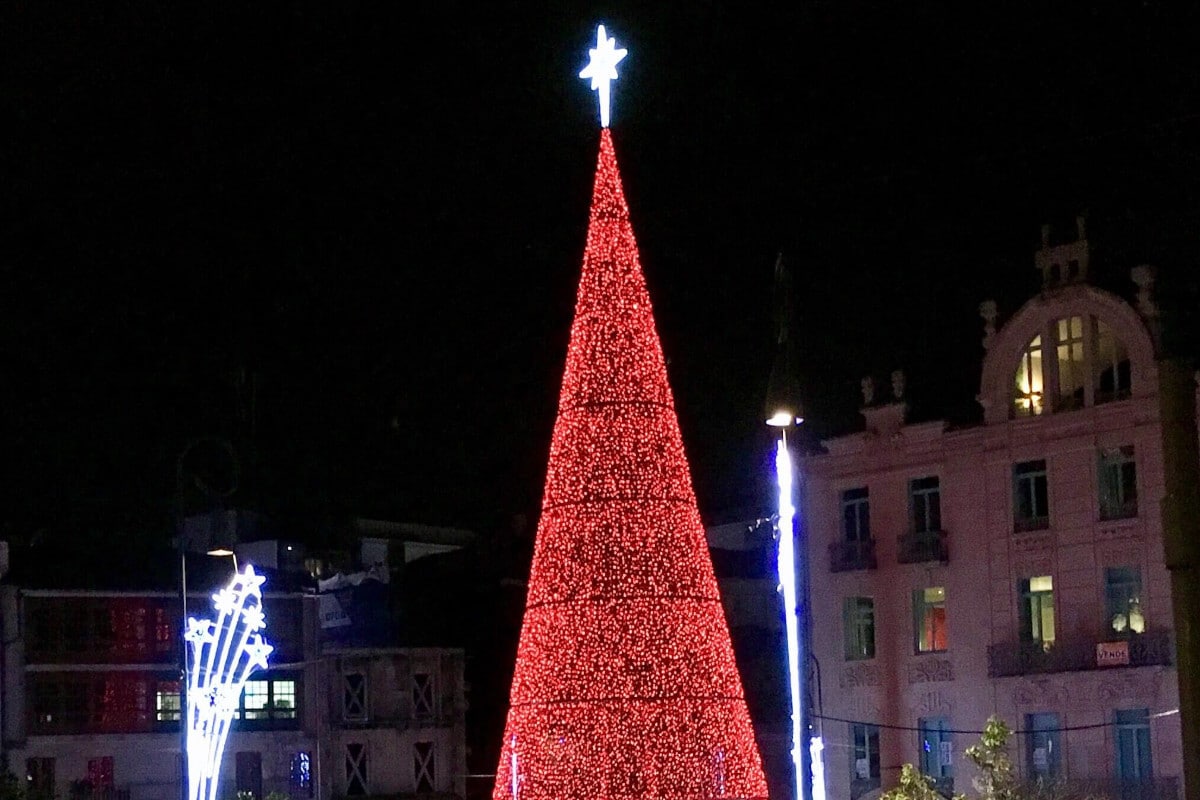
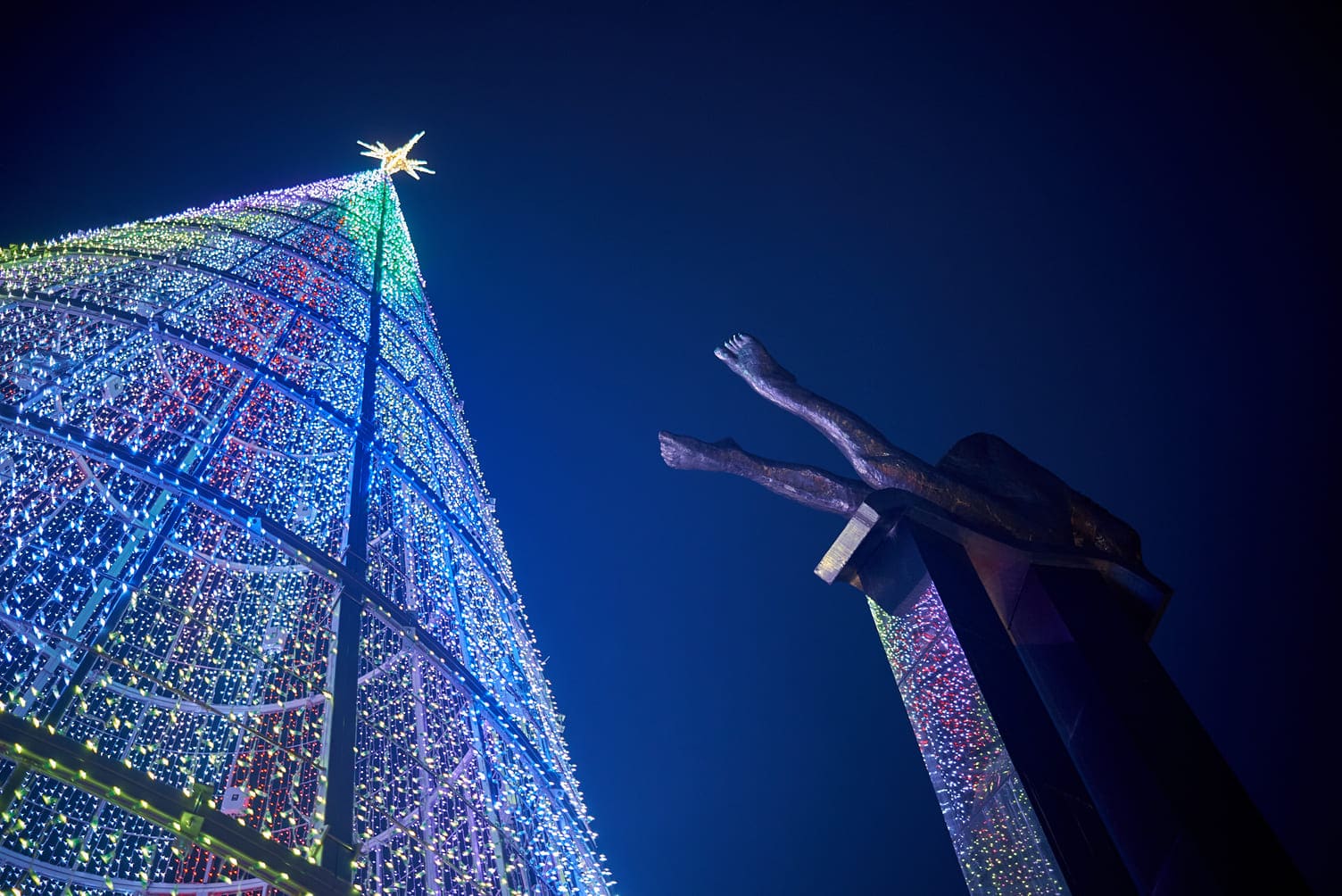
One of the most iconic symbols of Christmas in Vigo is its monumental Christmas tree, which reaches impressive heights. Set in the heart of the city, this tree becomes a meeting point and the perfect spot for photos. The light-and-music show that accompanies it makes it even more special.

Christmas activities in Vigo

Must-do activities in Vigo at Christmas

If you visit Vigo at Christmas, you’ll find a wide range of activities that blend tradition and fun. From exploring charming markets to enjoying exciting attractions, every corner of the city offers unique experiences to create unforgettable memories.

Christmas markets: tradition and craftsmanship

The Christmas markets are a must-stop in Vigo. Here you can find handmade products and unique decorations as well as typical treats like roasted chestnuts and Christmas sweets. The Alameda and Puerta del Sol markets are the most popular, with a warm and festive atmosphere ideal for families.

Ice rinks and family rides

If you’re looking for entertainment, Vigo offers a wide variety of activities during Christmas. The ice rink at Castrelos Park is perfect for skating with friends or family, while attractions like carousels and Christmas trains delight the youngest. At Christmas in Vigo, fun is guaranteed for all ages.

Traditional Christmas cuisine

At Christmas, Vigo treats visitors with a gastronomic offer that mixes tradition and unique flavours. From exquisite seafood to typical sweets, every dish is an experience not to miss.

Typical dishes to taste in Vigo

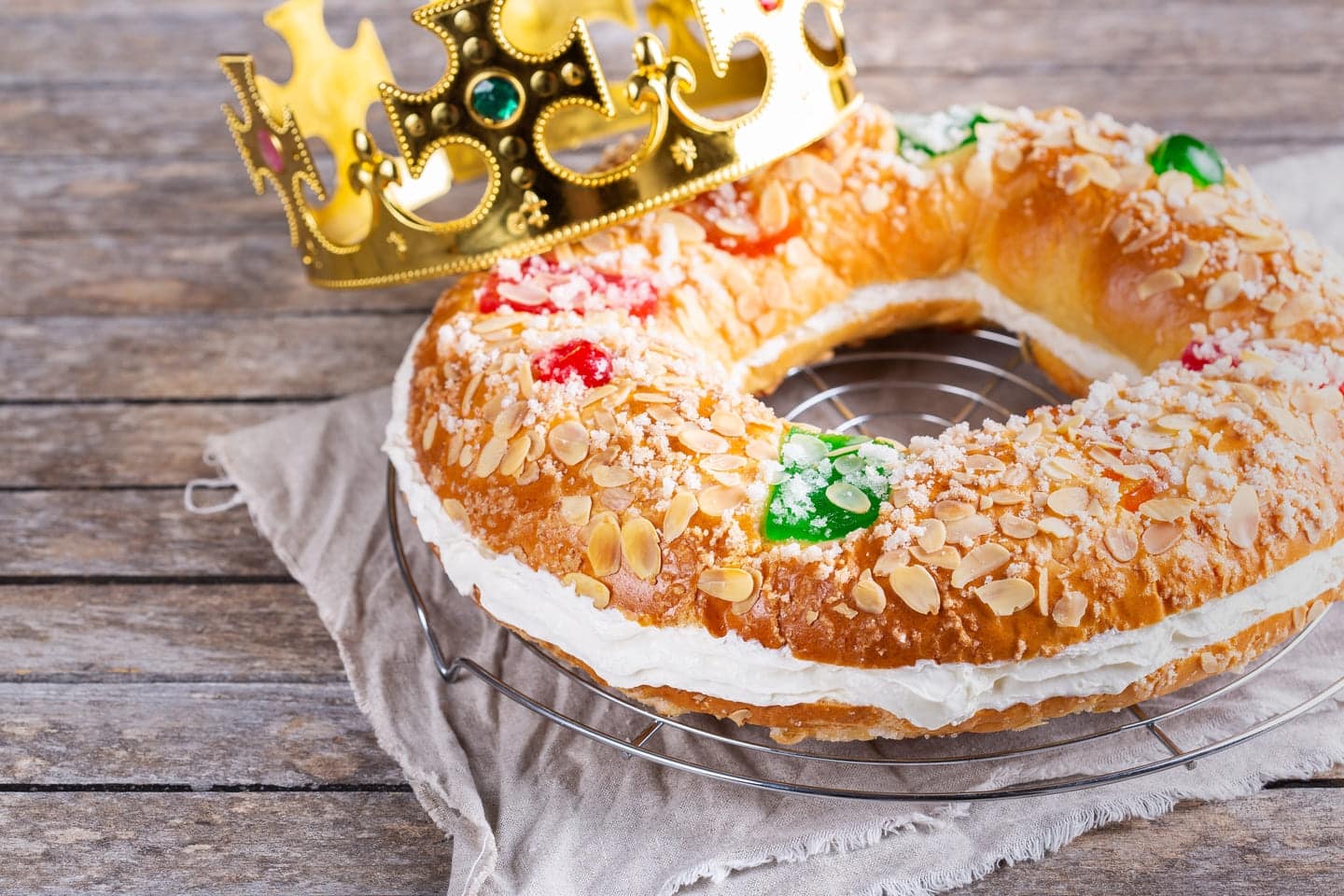
Christmas in Vigo wouldn’t be complete without its excellent gastronomy. At this time, the city’s restaurants fill with special menus that include fresh seafood, fish and typical desserts like the roscón de reyes. Don’t miss the famous Galician prawns or the artisanal turrón offered in local markets.

Christmas tapas route

A very popular activity during Christmas in Vigo is the tapas route. Many bars and taverns offer creations inspired by festive flavours, perfect to pair with a good Galician wine or a local liqueur.

typical Christmas sweets in Vigo

Special Christmas events in Vigo

Christmas in Vigo is full of events that capture the magic of the season. From outdoor concerts and shows to the long-awaited Three Kings’ Parade, every activity offers unforgettable moments.

Concerts and shows

Music plays a leading role at Christmas in Vigo. From carol choirs to open-air concerts, the streets fill with melodies that create a unique atmosphere. The Mar de Vigo Auditorium hosts shows and plays that complete the cultural offer.

Three Kings’ Parade

The Three Kings’ Parade is one of the most awaited events in Vigo. This colourful parade of lights and music tours the main streets, bringing joy to young and old. It is the perfect finale to the Christmas season in Vigo.

Tips to enjoy Christmas in Vigo

To make the most of it, plan ahead. From walking the lit streets to booking popular activities, every detail counts.

  • Plan ahead: Vigo welcomes thousands of visitors at Christmas, so book accommodation and activities in advance.
  • Get around on foot: many attractions are close to each other, so walking is the best way to enjoy the atmosphere.
  • Visit iconic spots: beyond the giant tree and Príncipe street lights, don’t miss the Ferris wheel and the panoramic views.

Christmas in Vigo

Conclusion: why choose Christmas in Vigo?

Christmas in Vigo has established itself as one of the must-visit destinations for a magical holiday season. Its mix of spectacular lights, family activities and an unbeatable festive atmosphere makes this city unique in Europe.

Whether you’re looking for fun or unforgettable food experiences, Vigo has everything you need to celebrate Christmas in a special way. Discover the charm of Christmas in Vigo and let this wonderful city surprise you with its magic, warmth and festive spirit.

Discover the Christmas Lights in Galicia: A Magical Tour

When December arrives, Galicia lights up with a show that turns its cities and villages into fairy-tale scenes. Galicia’s Christmas lights stand out not only for their beauty, but also for the tradition, creativity and warmth they radiate.

From the famous switch-ons in Vigo to less well-known corners, every point of light tells a magical story. In this article we invite you to discover the best places to enjoy this unique experience.

The charm of Christmas lights in Galicia

The charm of Galicia’s Christmas lights unfolds through tradition and creativity. Every city and village combines unique decorations with dazzling shows that turn winter into a magical experience, perfect for locals and visitors.

Galicia: a luminous Christmas destination

Every year, Galicia becomes one of Spain’s favourite places to enjoy Christmas. Its main cities — Vigo, A Coruña and Santiago de Compostela — compete to offer the most spectacular decorations. But it isn’t only big cities that stand out: small towns like Allariz or Ribadavia also surprise with charming displays.

Vigo: the Christmas capital

To talk about Christmas lights in Galicia is to talk about Vigo. The city has become an international reference thanks to its dazzling festive lighting. With millions of LED bulbs, giant trees and record-breaking decorations, downtown Vigo turns into a visual show like no other. Streets like Príncipe and Policarpo Sanz come alive, while the giant Ferris wheel offers a panoramic view of the whole spectacle.

Santiago de Compostela: tradition and elegance

Santiago blends its thousand-year history with a touch of modernity at Christmas. The city, famous for its cathedral and the Camino, shines with decorations that respect its historic character. The Obradoiro and Quintana squares stand out for their elegance, while the Christmas market adds a cosy atmosphere. Christmas lights in Galicia find in Santiago a perfect balance between tradition and modernity.
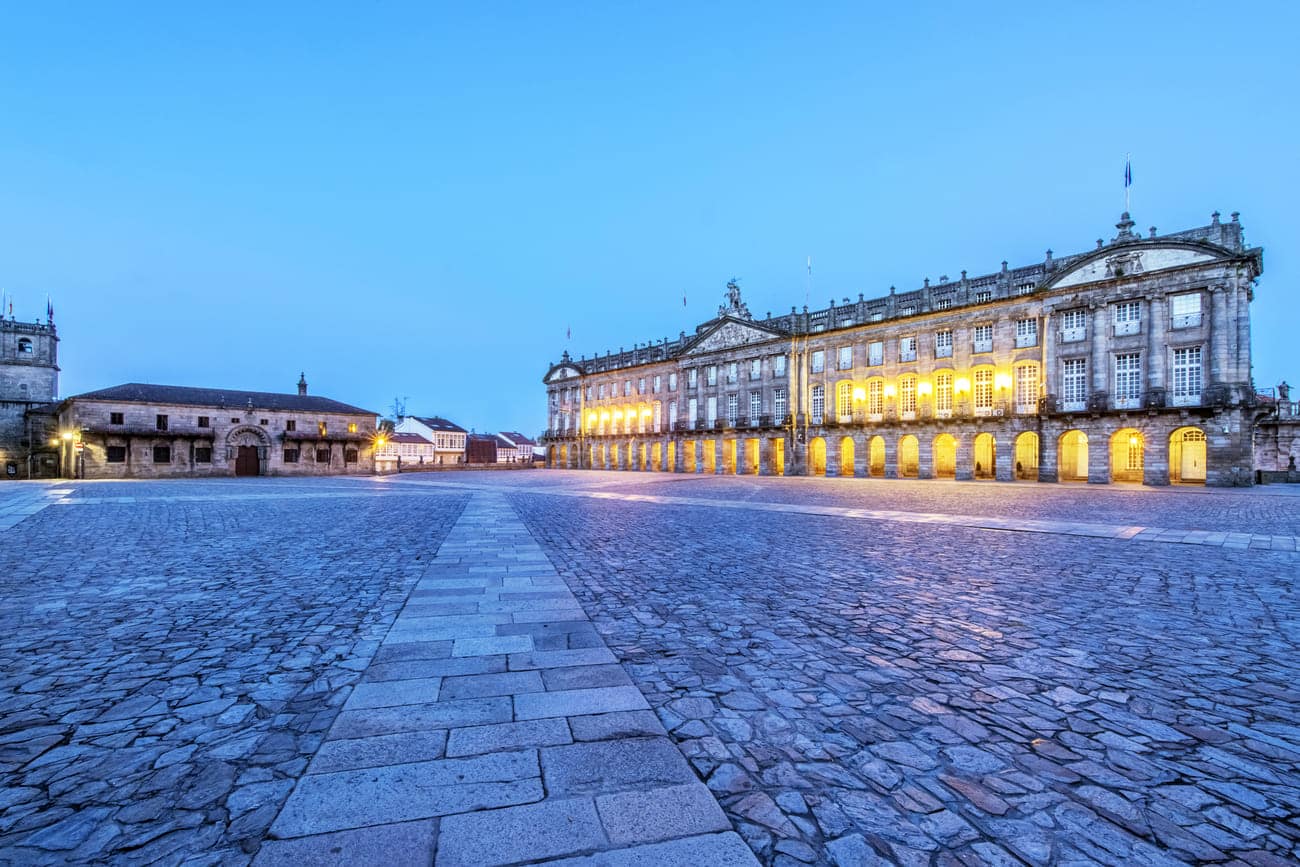
Christmas events in Galicia

Must-do routes to enjoy the Christmas lights

Exploring Galicia’s Christmas lights is an unforgettable experience. Here are some essential routes that combine tradition and modernity. Each destination offers magical landscapes, perfect to enjoy with family or friends during this special season.

A Coruña: creativity and dynamism

A Coruña goes for innovative, sustainable designs every year. María Pita Square and its surrounding streets fill with lights, figures and events. Family activities like children’s workshops and concerts complete the experience.

Charming towns lit up

Beyond the big cities, Galicia’s villages also dress up for Christmas. Allariz, for example, lines its cobbled streets with lights that enhance its natural beauty. Ribadavia, with its medieval old town, offers a unique atmosphere under the festive lighting. These spots are ideal for those who want a quieter but equally magical mood.

Nature routes under the Christmas lights

Another way to enjoy Galicia’s Christmas lights is to explore its natural spaces. Many towns light up paths and coastal promenades, creating routes ideal for an evening walk. From the seafront of O Grove to riverside trails, these options combine the beauty of nature with the festive spirit.
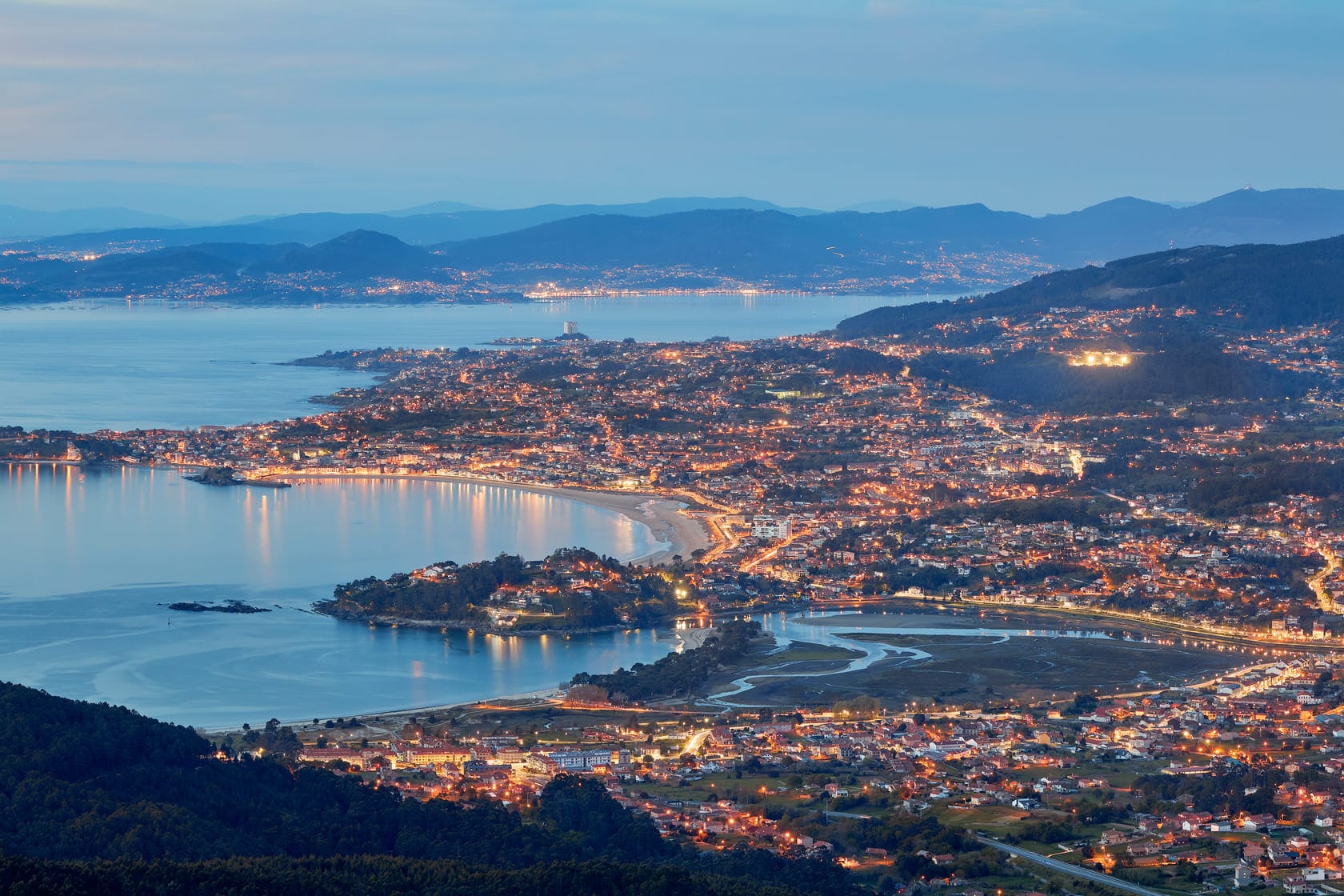
Galician villages lit up

Events and activities alongside the Christmas lights

In addition to admiring the dazzling lights, you can enjoy events and activities that complement the magic. From Christmas markets to cultural shows, every experience turns this season into a unique moment.

Christmas markets and fairs

The Christmas markets are an essential part of the experience. In cities like Vigo and Santiago you’ll find markets full of handmade goods, typical sweets and decorations.

Shows and concerts

Music and outdoor shows accompany the festive lighting in many places. From concerts in squares to themed theatre, Galicia offers a packed cultural agenda at this time. In Vigo, the light shows synced to music are a real delight.

Sustainability in Galicia’s Christmas lights

Sustainability also shines in Galicia’s Christmas lights. Thanks to LED technology and controlled timetables, cities manage to dazzle while caring for the environment. These initiatives also promote responsible celebrations.

Innovation and environmental care

Galicia has bet on sustainability for its festive lighting. Most decorations use low-consumption LEDs, reducing environmental impact. Several cities also keep limited switch-on hours to save energy. This commitment makes Galicia’s Christmas lights an example of celebrating without neglecting the environment.

Tips to get the most out of the festive lights

To make the most of Galicia’s Christmas lights, plan your visit well. Choosing the right times and places can make a difference.

Plan your visit

Due to the popularity of events like Vigo’s, it’s a good idea to plan ahead. Arriving early and choosing weekdays helps you avoid the biggest crowds.

Capture the best moments

Don’t forget your camera or phone to capture the magic of Galicia’s Christmas lights. Places like the giant tree in Vigo or the lit streets of Santiago are ideal for unforgettable memories.
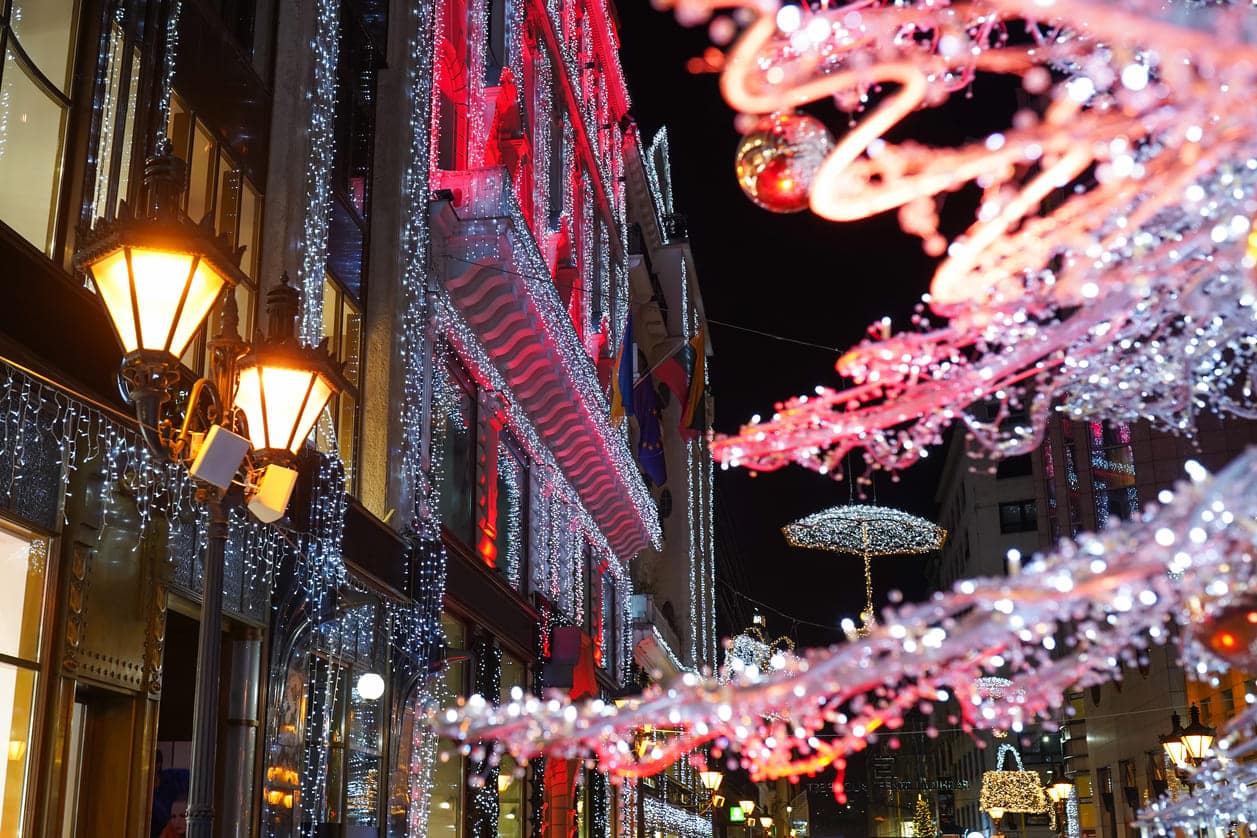
Christmas lights in Galicia

Conclusion: the magic of Galicia’s Christmas lights

Galicia becomes a true Christmas paradise thanks to its impressive light display. From the big cities to small villages, every corner offers a magical, unforgettable experience.

If you’re looking for a destination to enjoy Christmas with charm, tradition and modernity, don’t miss Galicia’s Christmas lights. Pack your bags, dive into the magic and live an experience that will stay with you forever.


The Samhain Festival in Galicia

The Samhain Festival in Galicia has become a very appealing tradition for travellers from around the world who come to Galician lands to celebrate the “noite meiga“. Although the American version of this pagan festivity may be more popular, in many Galician villages people experience unforgettable and very fun moments on the night of 31 October.

Samhain has a Celtic origin and was celebrated across much of Europe for many years until the arrival of Christianity. This festival represented two great purposes: the start of the harvest season and the new Celtic year. To this day it is celebrated in Galicia with great emotion, and a great many people take to the streets to celebrate in style.

If you are planning your trip in October, living the experience of the Samhain Festival in Galicia is unmatched. Of the many attractions this region holds, we can assure you that what is experienced on this night is very special and also a bit eerie.

What does Samhain mean?

What is Samhain

As we mentioned, this celebration has a Celtic origin, and in the past it was said that Samhain was a day when the living and the dead coexisted. According to this legend, on the eve of 1 November people could reunite with the spirits of their friends or relatives and share once again on earth.

It was also said that there were both good and bad spirits, and so that the bad ones would not get upset with the Celts, they left food out so that the world of the living and that of the dead would be at peace.

The tradition of leaving food out evolved, and that is why today during this celebration we see children asking for sweets on the night of 31 October, on what is known as “Halloween”.

Best Galician villages to enjoy Samhain

This tradition is celebrated with great emotion across much of Galicia, but there are villages that have taken this festivity to another level and stand out for their decorations and street entertainment activities. If you are thinking of travelling to Galician lands during this time of year, there are different villages where you can experience this tradition — magical villages worth getting to know.

Cedeira

The Samhain Festival in Galicia is a celebration for the whole family, and one of the best places to celebrate with the youngest is in Cedeira, A Coruña. On the night of 31 October, various recreational activities related to Halloween are held.

One of the best known is the “Queimada“, as well as workshops for children that are also educational about the Celtic and Galician tradition and culture. Today, Samhain is a traditional Galician celebration recognised throughout much of the country and it is worth enjoying in Cedeira.

Quiroga

Celebrate the Samhain Festival in Quiroga

The town of Quiroga, in Lugo, is another of the Galician spots where the Samhain Festival in Galicia is celebrated in style. Here you will see the town packed with carved pumpkins in the best Halloween style — although they are actually a typical element of Samhain.

Ribadavia

Samhain celebration in Ribadavia

Of all the Galician villages that joyfully celebrate the arrival of the “noite meiga”, Ribadavia stands out from the rest. Hundreds of residents and visitors from other cities take to the streets at night and experience the best Samhain you can imagine.

Beyond the traditional activities of this thousand-year-old festival, like the akelarre or visiting the terror passage at Ribadavia Castle, the town hosts fireworks displays, cultural performances and concerts all day long.

If you go out on Halloween night in Ribadavia, you will find hundreds of people in outlandish outfits with torches, wandering through the old quarter of the town while scaring visitors. In the early hours there is a parade emulating the Santa Compaña, and a little earlier the traditional Samhain dances take place. The whole Samhain Festival in Galicia is an experience you will not find anywhere else and one you cannot miss the chance to enjoy at least once.

Traditional Galician Games

Galicia’s traditional games are a cultural expression of the region. There are a great many games that are quite common across the provinces and are also shared with other autonomous communities.

Each of Galicia’s provinces has its own games or adaptations of them, which makes the cultural contribution even greater. Over the years, with the rise of technology, many are in danger of extinction. However, many institutions ensure that they endure.

popular games in Galicia

It is always important for parents and grandparents to dedicate time to passing on these games to the youngest at home. They are inexpensive games played with materials gathered from nature and practised outdoors. So in summer, we recommend including some of these traditional Galician games in your routine to keep the tradition of dozens of years alive.

Traditional Galician games for children

Children are the main players in this kind of games, which is why there is a wide list of ideas for the little ones to have fun. These are the most popular in the autonomous communities of Galicia.

Hoop

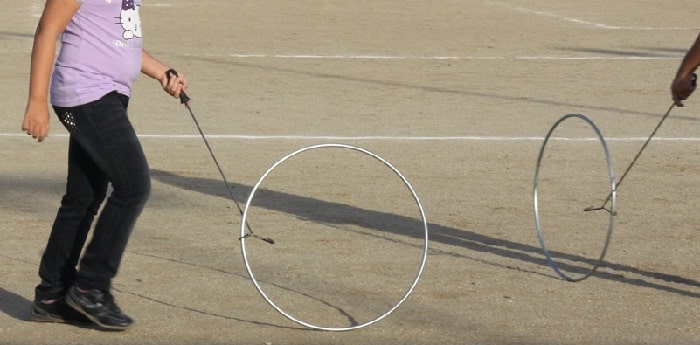
The hoop is one of the most common in Galicia. It is a simple game that needs a metal hoop and a metal stick, although some use plastic ones. One of its great advantages is that it can be played alone, in pairs or in small groups.

hoop, a traditional Galician game

The game is based on who can keep the hoop rolling longest without it falling, and that creates healthy competition among children. Many invent new games from the hoop, such as adding obstacles, distances, time limits, and so on.

Arríncate nabo

This is one of Galicia’s traditional games. First, one of the players must be chosen to be the “mother” and a throne is assigned, whatever the imagination allows. When they sit down, the others hold them by the knees, standing or seated, and the catcher tries to pull them apart.

It is a fairly common game for large groups of children, since everyone can join in at once. These are games to enjoy outdoors, especially in summer and spring.

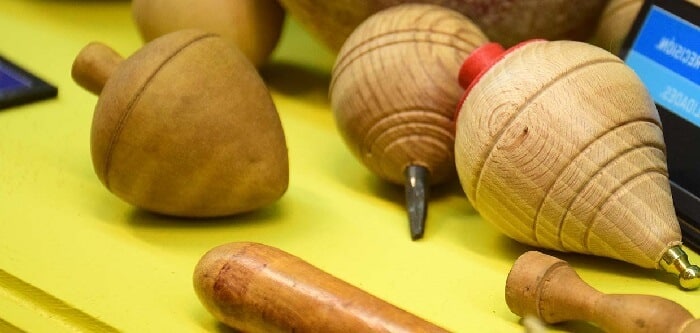
Spinning top

The spinning top is one of Galicia’s traditional games popular in every autonomous community and in other countries around the world. They are made of plastic, wood or polyester, with a string to start the game.

types of traditional Galician games

It is one of those games that can be played individually or in a group, and many more techniques and games develop from it, such as spinning the top on the hand, sliding or “top-breaking”, among others.

Blind Man’s Buff (Pita Ciega)

Pita Ciega is one of the games that has come full circle in history. It went from being a girls-only game to one for everyone and turned into a very inclusive game.

The game consists of someone being blindfolded while standing, while the others form a ring so they can be caught. Many often put on music so the others dance while the game is played.

Tulip

This is one of the traditional games of the Galician region and is one of those that can be played as a group. They are perfect for large groups of children — there is no set number. A group of players run away, chased by another person. Whoever is tagged must stay still with their arms in a cross and legs apart — what is known as the “tulip” position.

The person is frozen in the tulip position; a teammate can free them simply by passing between their legs, while avoiding being tagged by the chaser. The game ends when the chaser manages to freeze everyone, and then it starts again.

Traditional Galician games for adults

Traditional games are not just for children; there are also games for adults. These are some that can be played outdoors and so keep the tradition alive from generation to generation. This way, adults can teach children to play, have fun and keep the tradition going.

These are some of the most traditional ones:

  • Chave (key): these consist of a game of aim or skill
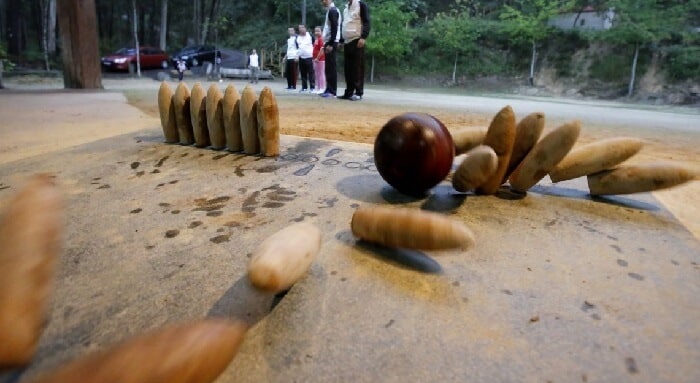
  • Celtic bowls: one of the most popular in traditional festivities, where you try to knock down the pins.

types of adult games

  • Clavo (nail): a game of accuracy based on strategy and thinking.
  • Billarda: considered the origin of baseball.

History of Galicia

Before becoming what it is today, many events unfolded on these lands that shaped the history of Galicia. Transcendent religious, political, economic and social events built the foundations of this autonomous community located in the north-west of the Iberian Peninsula.

Galician culture is one of the richest in the country, which is why it has endured through the years. Since prehistory, this space became relevant and remained so in the centuries that followed; for that reason, no matter which city of this community you visit, you will always find places, monuments and museums that bring the history of Galicia back to life.

Telling every step of this territory’s development is no easy task, so here we will tell you the most important events, so no detail escapes you if you decide to set off on a trip to Galician lands.

Celts and Romans: the start of development

Although there were already original inhabitants on these lands, the development of the History of Galicia can have its starting point with the arrival of the Celts. By the 6th century BC, the Celts mingled with the natives and began building the hillforts (castros). Thanks to the Celts the name “Galaicos” was born, which would later become Galicia.

The Roman Empire would arrive at Finisterre in the 3rd century BC, and with it would bring to the Galaic peoples part of its culture through Christianisation, a new territorial organisation, a new language and the start of the first trade routes.

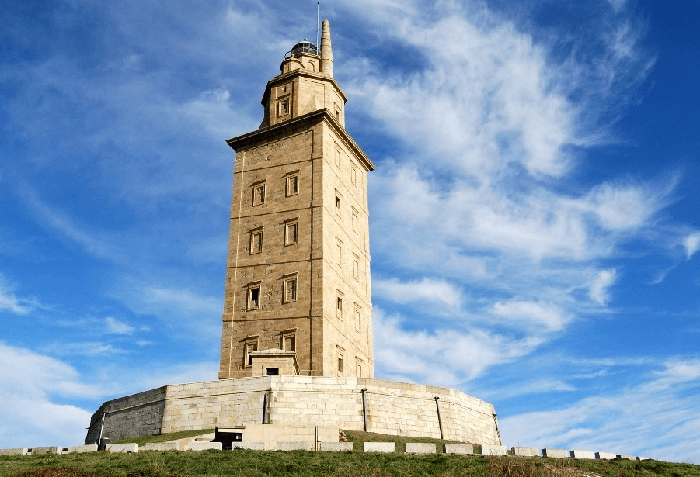
Discover the Lighthouse of A Coruña

The Romans built the Lighthouse of A Coruña, also known as the Tower of Hercules. Today, it is the oldest Roman lighthouse still in operation and, fortunately for us, it managed to survive time and battles so we can visit it.

The myth of the Apostle Saint James

The 7th century came with the creation of the myth of the Apostle Saint James, one of the most important milestones in the history of Galicia. The pilgrimage of a great many faithful who to this day follow the Way of the Stars to Santiago de Compostela created the first connection of Galicia with Europe.

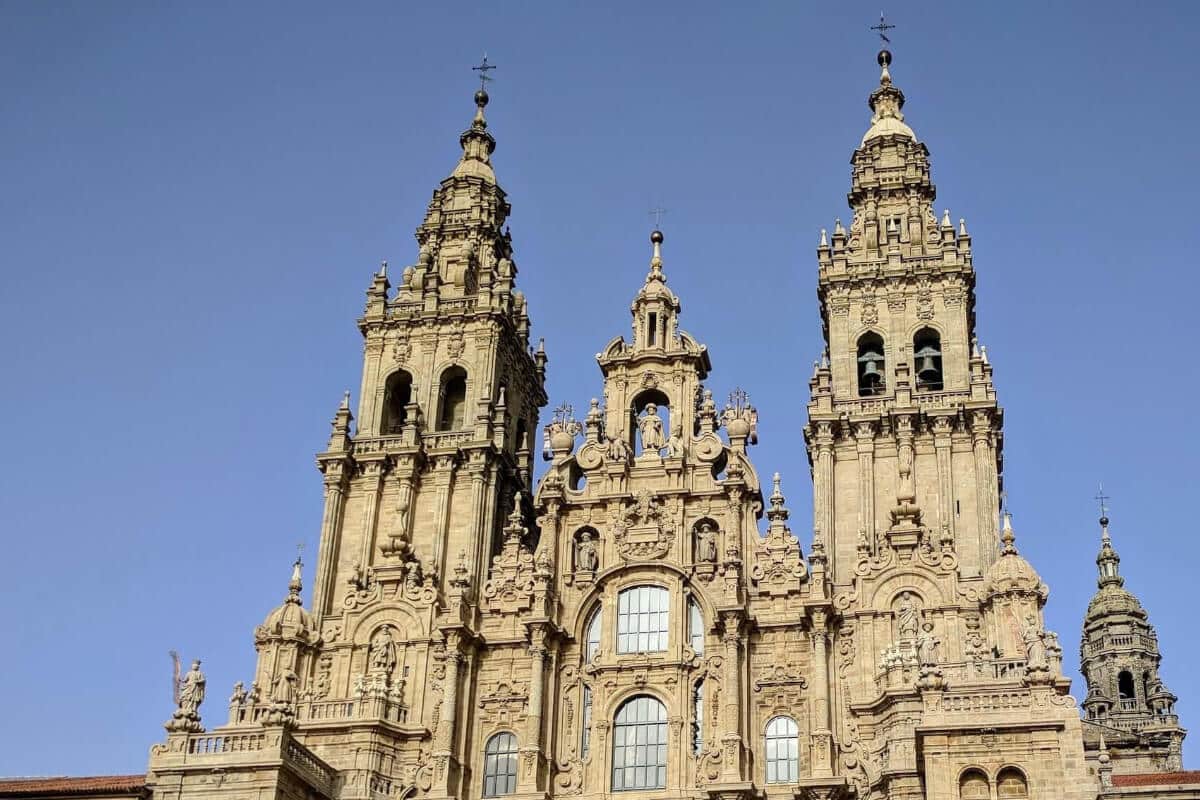
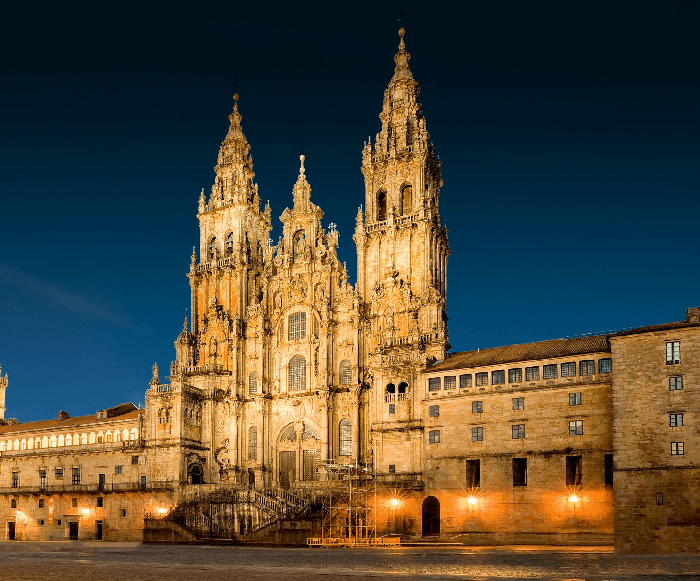
Visit the Cathedral of Santiago de Compostela

According to the myth, the remains of the apostle Saint James were brought by his disciples to the Galician coast to be buried. The tomb of the apostle was discovered during the reign of King Alfonso II of Asturias, who would order the building of the Cathedral of Santiago de Compostela.

The Cathedral is the end point for pilgrims of the Way of Saint James. Since the discovery of the apostle’s remains, millions of Christians from all over the world have walked the Jacobean route or the French Way.

The Crown of Castile and the first revolution

Feudalism, in the 12th century, and the arrival of the Cistercian monks were the engines of Galicia’s economy. In this stage of the history of Galicia people worked the crops, mostly wine, while the feudal lords imposed a system of rents that remained in force during much of the medieval period.

However, the most influential event of this era was the full integration of Galicia into the kingdom of Castile. This happened in 1230 under King Ferdinand III and completed the annexation of Galicia, Castile and León. According to various historians, the union would turn the kings into imperialist rulers who acted against the independence of the peoples.

The Irmandiño Revolt

It was not until the 15th century that the first revolution in the history of Galicia took place. Led by the Irmandiños, it is possibly the largest social revolt in Europe in this century and brought down most of the nobles’ fortresses.

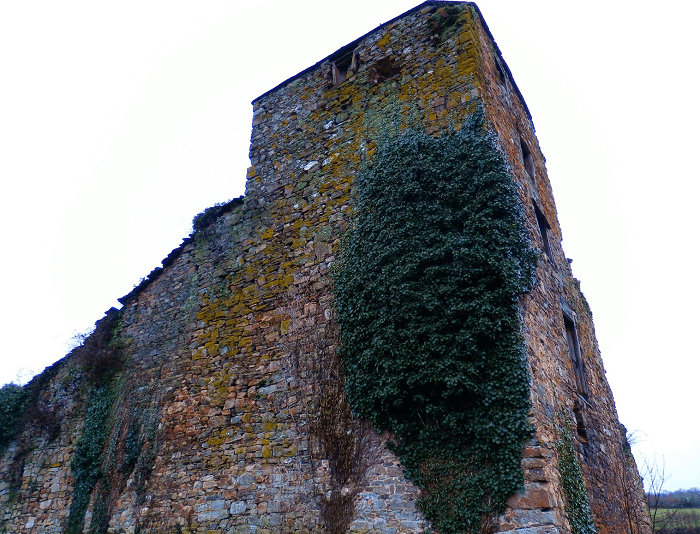
Fortresses of the Irmandiña Revolt

The people suffered hunger and epidemics that drove them to rise up against the nobility, which was seizing their harvests. By 1451 the peasants managed to bring down some fortresses, such as those of the estuaries of Pontevedra and Arousa.

Galician emigration

Without doubt, one of the most notable phenomena in the history of Galicia was the massive migration to the American continent. The reasons for this Galician movement are many, but part of the main reason was the exponential growth of a population that had no options to support itself in an economy that was not fully industrialised and was, in addition, cut off from the peninsula’s railway networks.

From the late 18th century until the 20th century this migratory event would continue. At this point would also come the last political rebellion of the Galician Kingdom against the Napoleonic invasion. By 1833 the kingdom of Galicia would cease to exist and would adopt the provincial model.

The history of Galicia in modern times

To begin the modern era in the history of Galicia, it is important to highlight the return of democracy to Spain after the Francoist dictatorship. From that point, it was possible to obtain the Statute of Autonomy of Galicia.

After achieving its autonomous status, Galicia has reached a high level of well-being that has allowed the return of many Galicians and the visit of tourists from all over the world who venture to discover everything this destination has to offer.