Skip to content

Visit Portonovo

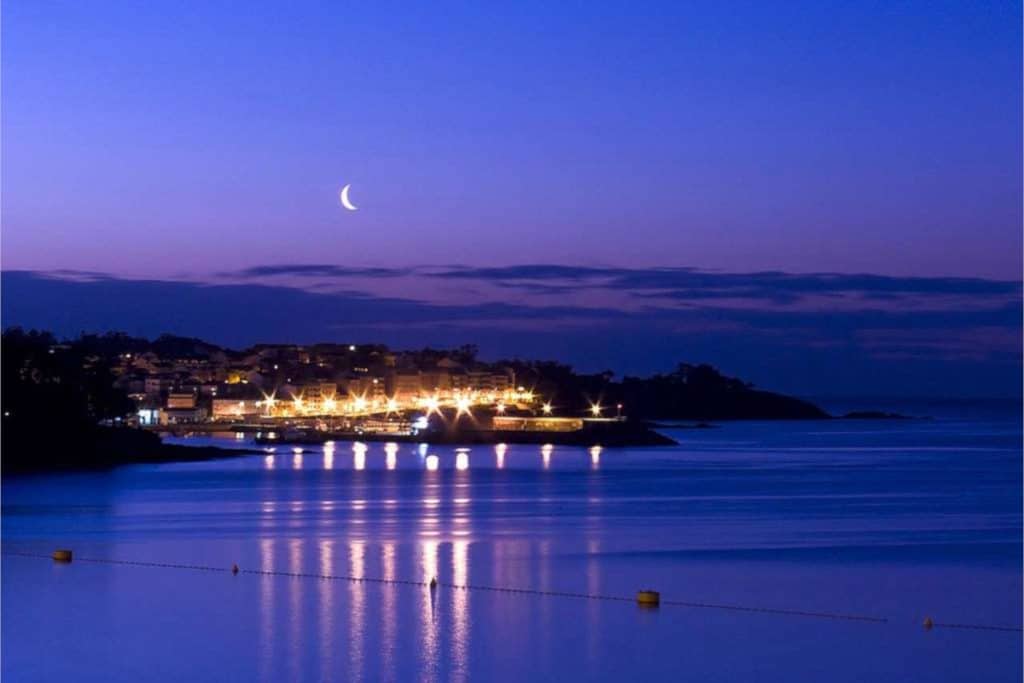
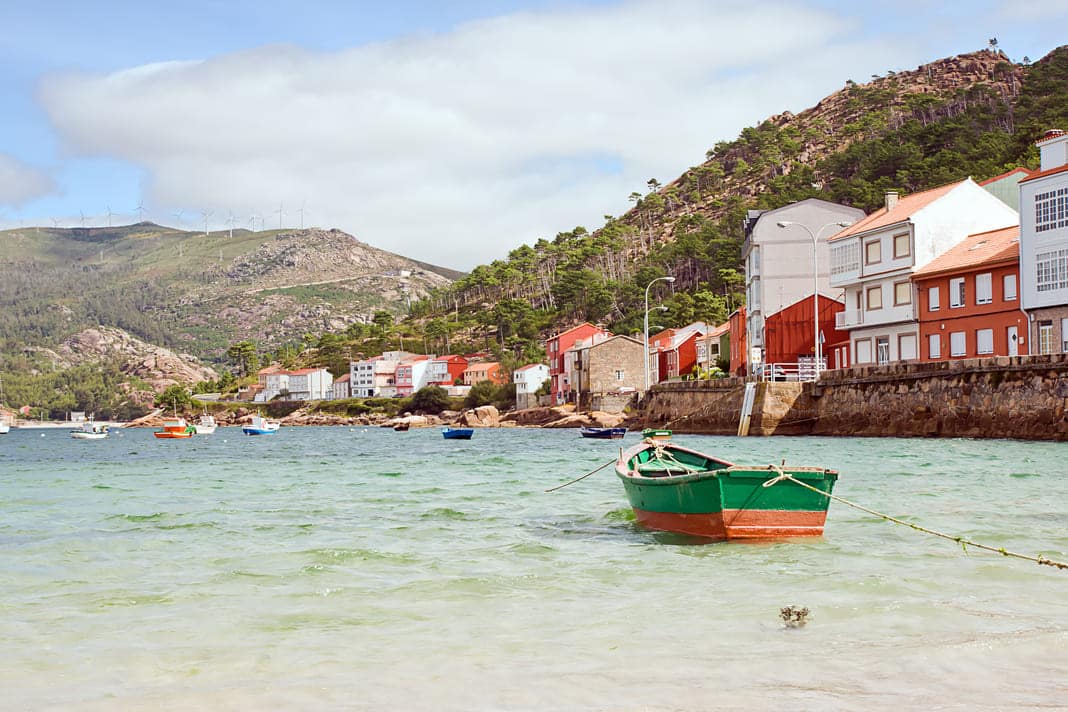
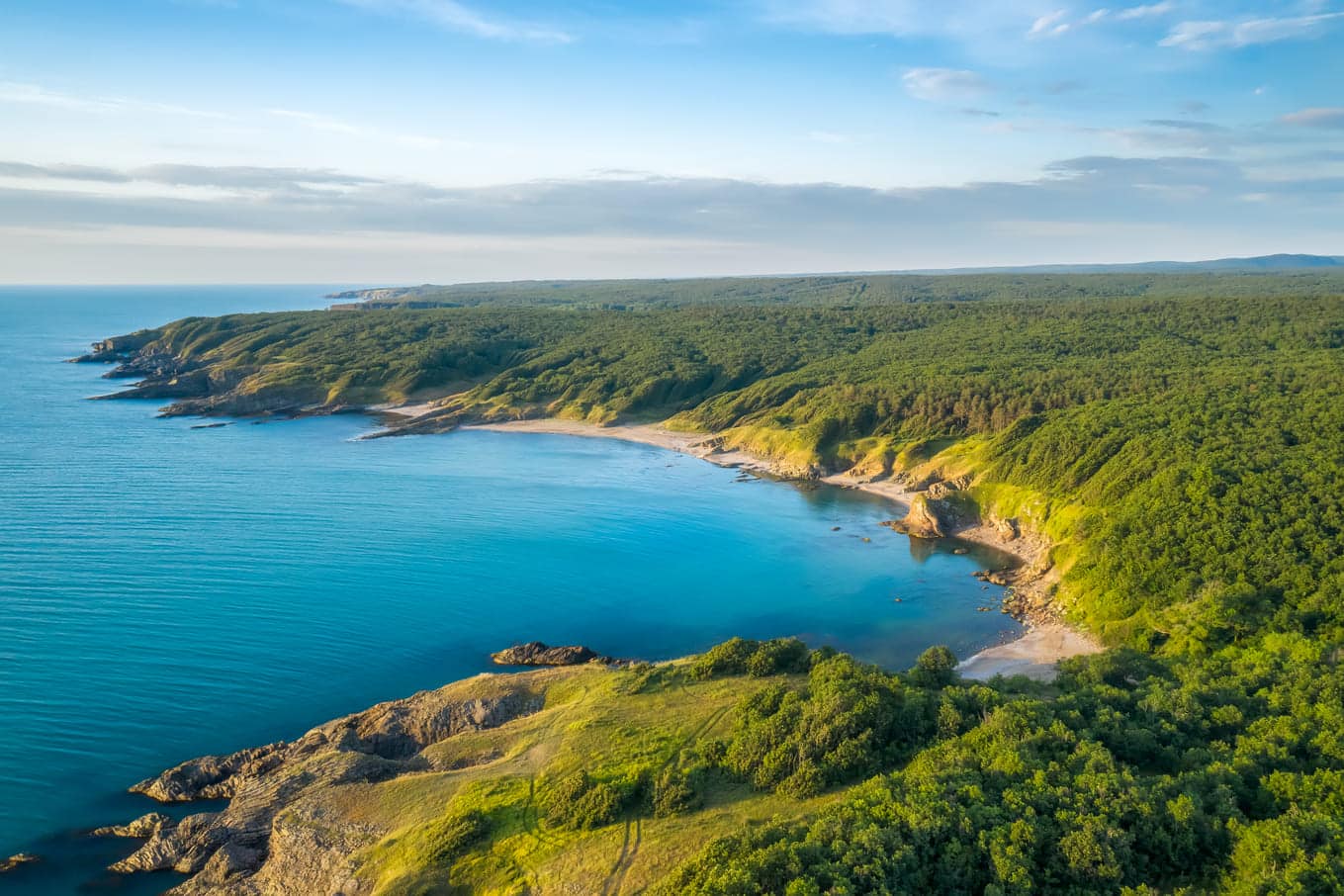
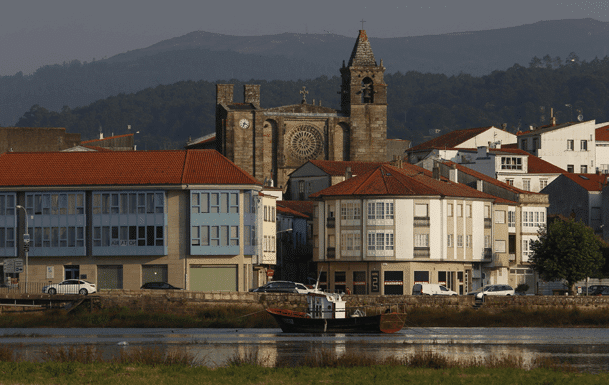
If you’re looking for a place to escape the daily routine and focus on your own relaxation, visit Portonovo for an unforgettable experience. Read on to learn about its main attractions and beauty.

Visit Portonovo: a paradise for foreigners

To pick the ideal holiday, you first need to know your interests and idea of calm. Whatever the preferences, the Galician lands are excellent for enjoying a different environment and a new culture.

Portonovo, a paradise for foreigners

Portonovo, a coastal town in southern Galicia, is one of the standout coastal paradises on the best-trips list. Beyond its cheerful residents always ready to greet tourists, its surroundings are a true natural lung.

In every corner of the village you’ll find local beauties that interweave traditions and customs. If you’re passionate about other regions’ stories or foreign cuisine, this is your perfect chance.

Keep in mind that visiting Portonovo means passing through part of the Sanxenxo municipality. This is worth noting, since some tourists get confused due to the closeness and similarity.

Tourist attractions when visiting Portonovo

Once you’ve decided your goals for the trip, visit Portonovo and carry them out. Remember the whole village is in abundant nature, so you’ll enjoy rest and unimaginable landscapes anywhere you go. Here are some recommended attractions:

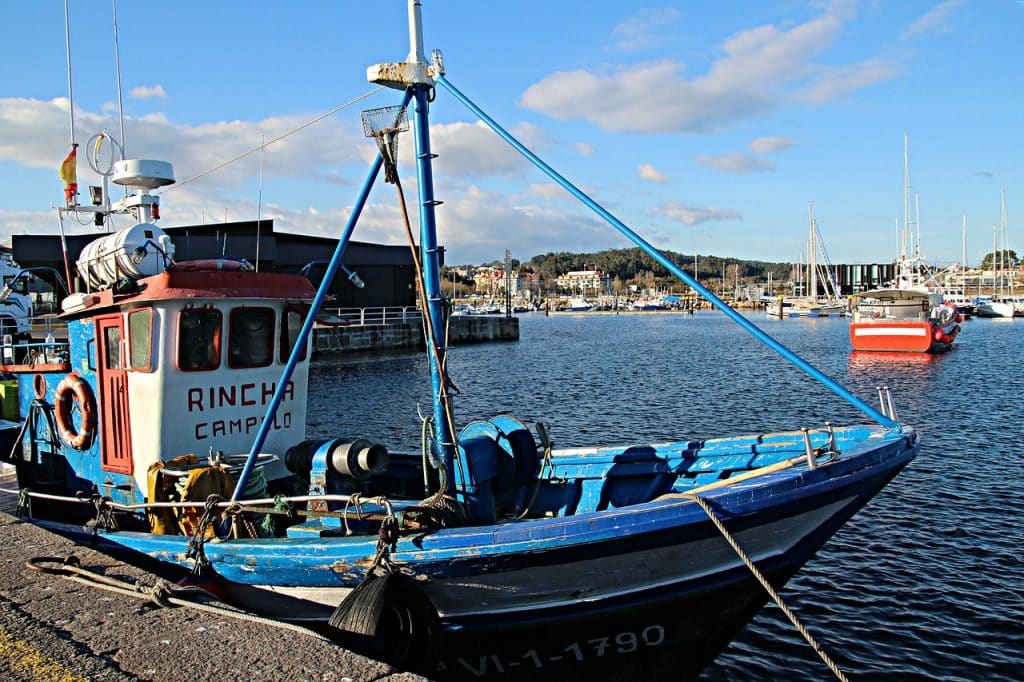
Fishing port

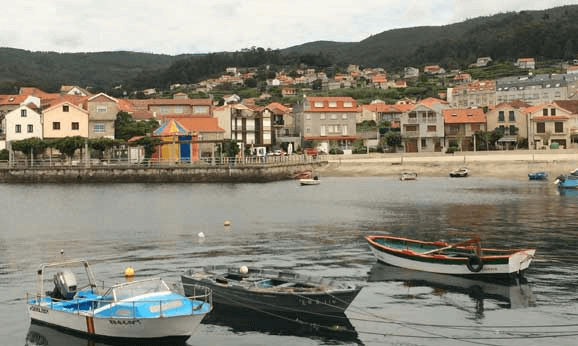
As noted, Portonovo is a coastal town where the main economic activity was fishing. Tourism has promoted other fields, but the fishing port still identifies the history of its residents.

If you plan a week’s holiday, you may be lucky enough to witness an auction of fresh fish caught and sold by locals.

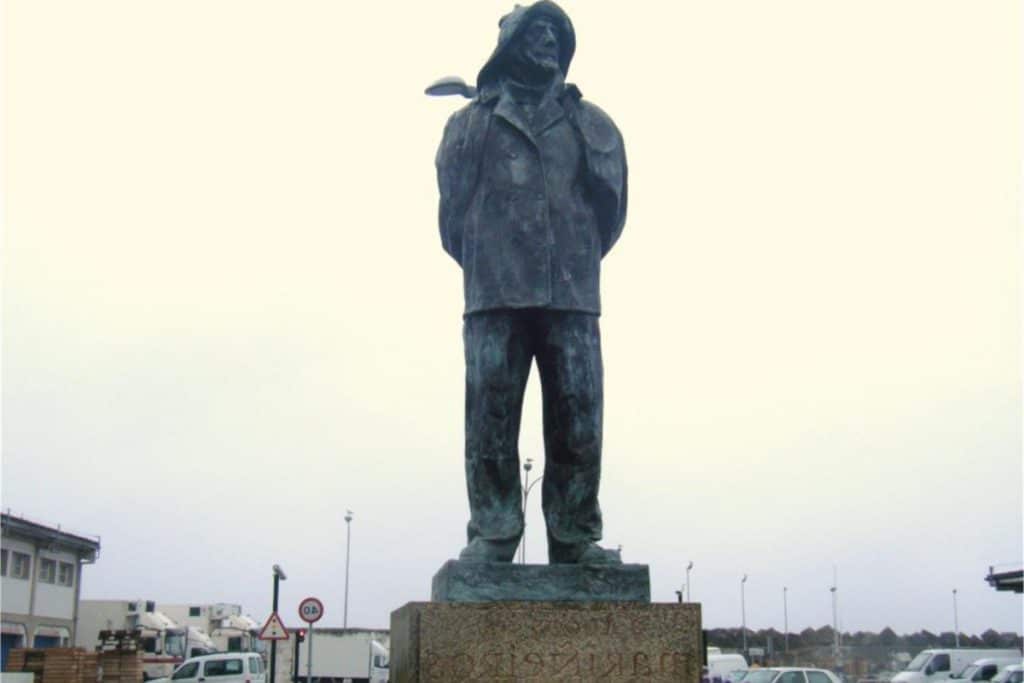
The Fisherman statue

In honour of that fishing activity, in the roundabout you’ll see the Sailor Statue, dressed in a Scottish oilskin and gazing at the sea.

tourist attractions when visiting Portonovo

Baltar Beach

When you visit Portonovo, you’ll find one of its most loved attractions, Baltar Beach. In Sanxenxo municipality, it’s surrounded by a giant wooden walkway of almost 600 metres, with a souvenir shop in front.

You can spend from an afternoon to a full day or even stay at one of the holiday hotels to enjoy the full experience. Try water sports or meet other visitors.

Da Peixeira Viewpoint

Visit Portonovo

Walking the village’s main streets you’ll find the popular Da Peixeira Viewpoint. Built in 1994, it offers views of the Ons Islands and other stunning panoramas.

A fun fact: its bronze figure is a tribute to the women who long worked the sea and sold the fish caught.

These are some of the most striking spots. You can plan your own route with the help of online resources.

Visit Portonovo and enjoy a dreamlike holiday — relaxation and exploration tailored to your tastes. It’s best to hire a professional guide for every outing.

Why Visit Galicia?

To choose the ideal destination, you first need to think about your interests, the purpose of your trip and the activities you’ll focus on. That said, the Galician lands are beautiful and tick many boxes for your next holiday. Keep reading to discover the reasons to visit Galicia.

Galicia: the greatest treasure chest in Spain

If you’re looking for a place full of green life where you can rest and disconnect, then Galicia should be among your first choices. Beyond being a beautiful natural area, it enjoys Spanish multicultural richness — both in food and recreational activities.

main attractions to visit Galicia

Galicia, also known as an Autonomous Community of Spain, sits in the north-west of the Iberian Peninsula and is made up of several provinces. Thanks to its Atlantic coastline, its lively landscapes remain lush with stunning vegetation.

From the visitor’s perspective, visiting Galicia is an unforgettable experience. The locals are always ready to greet foreigners, share stories and help them get around.

As you learn more about this region, you’ll understand why it’s called a treasure chest of beauty in Spain. Stay at least a week in its pleasant environment and you may fall in love with the place.

You can plan the trip yourself with friends, family or your partner. But turning to a tour guide is a great idea — someone specialised in taking you on the routes you’ll most enjoy, with fascinating background information.

Main attractions of visiting Galicia

It’s worth being more specific about its attractions. Here are the most popular spots:

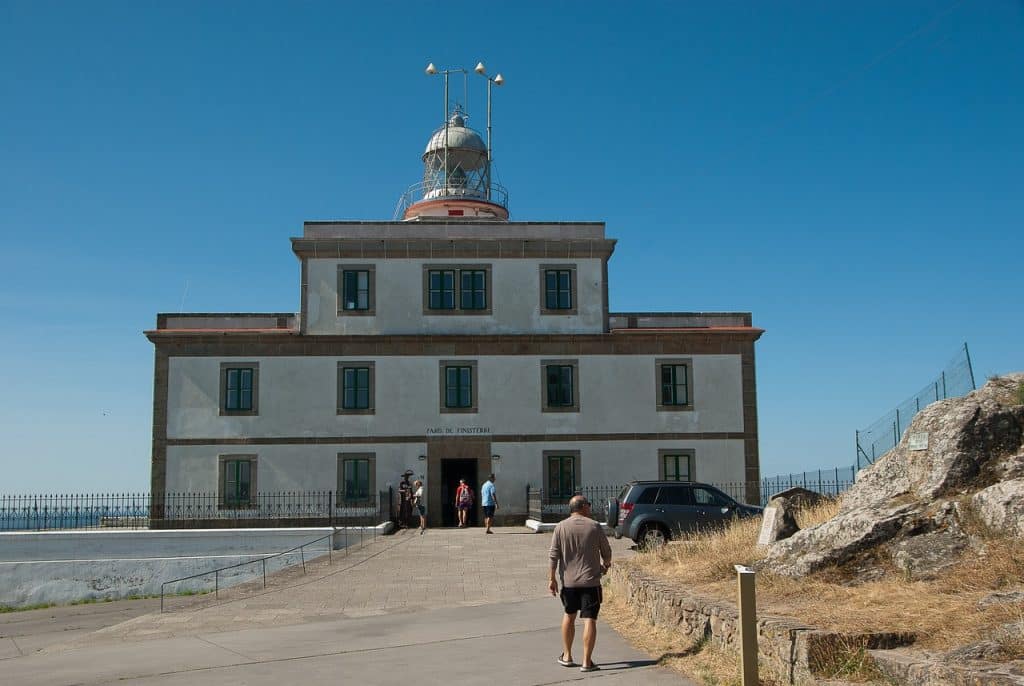
Cape Finisterre

Cape Finisterre

If your aim is to explore more natural spaces, this Atlantic coast must be a stop. Cape Finisterre is a peninsula you can also access by hiring a boat. The views are wonderful.

Santiago de Compostela

Whether your visit is for pilgrimage or fun, don’t skip Santiago de Compostela, the historic capital, declared a UNESCO World Heritage Site in 1985.

It’s considered the historic centre of the region, with thousands of ancient buildings, each with special meaning. A paradise for history lovers.

Tower of Hercules

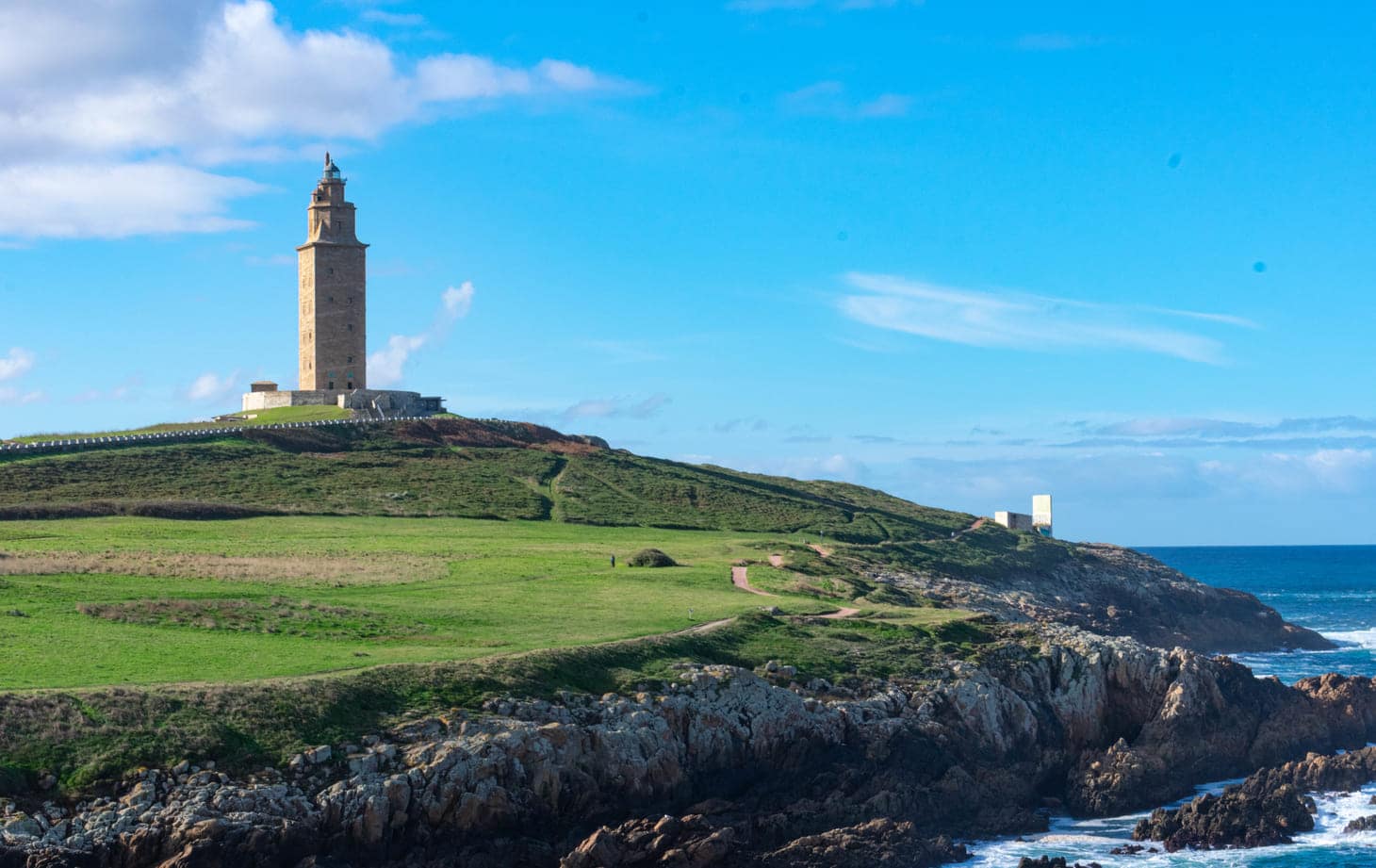
Among the preserved Roman buildings stands the Tower of Hercules, the only one still in operation, on the A Coruña peninsula. It rises 55 m, and entry costs 3 € (1.50 € in some cases).

Rías Baixas

You couldn’t miss the lovely tourist beaches. Here you can do many things — from a stroll along the water, tasting seafood, to relaxing on the sand in the comforting sun.

visit Galicia

These places offer wonderful moments to share with friends or family.

Visiting Galicia is always a good choice

These are some of the main attractions, and many are recognised as European heritage. As a tourist, it’s your responsibility to care for them and support their preservation.

If you’ve decided to visit Galicia on your next holiday, set your expectations well — based on your interests you’ll find truly beautiful places. Don’t miss out.

Excursion to Lugo: the Roman Wall and Its Thousand-Year History

A day trip to Lugo means stepping into the living history of an ancient city where every stone has a story to tell. This Galician city in the heart of northwest Spain is famous not only for its Roman wall — unique in the world for being preserved in full — but also for its welcoming atmosphere, exquisite food and cultural charms. From the first moment, an excursion to Lugo is a rich experience for the senses and the soul.

A Roman legacy that endures

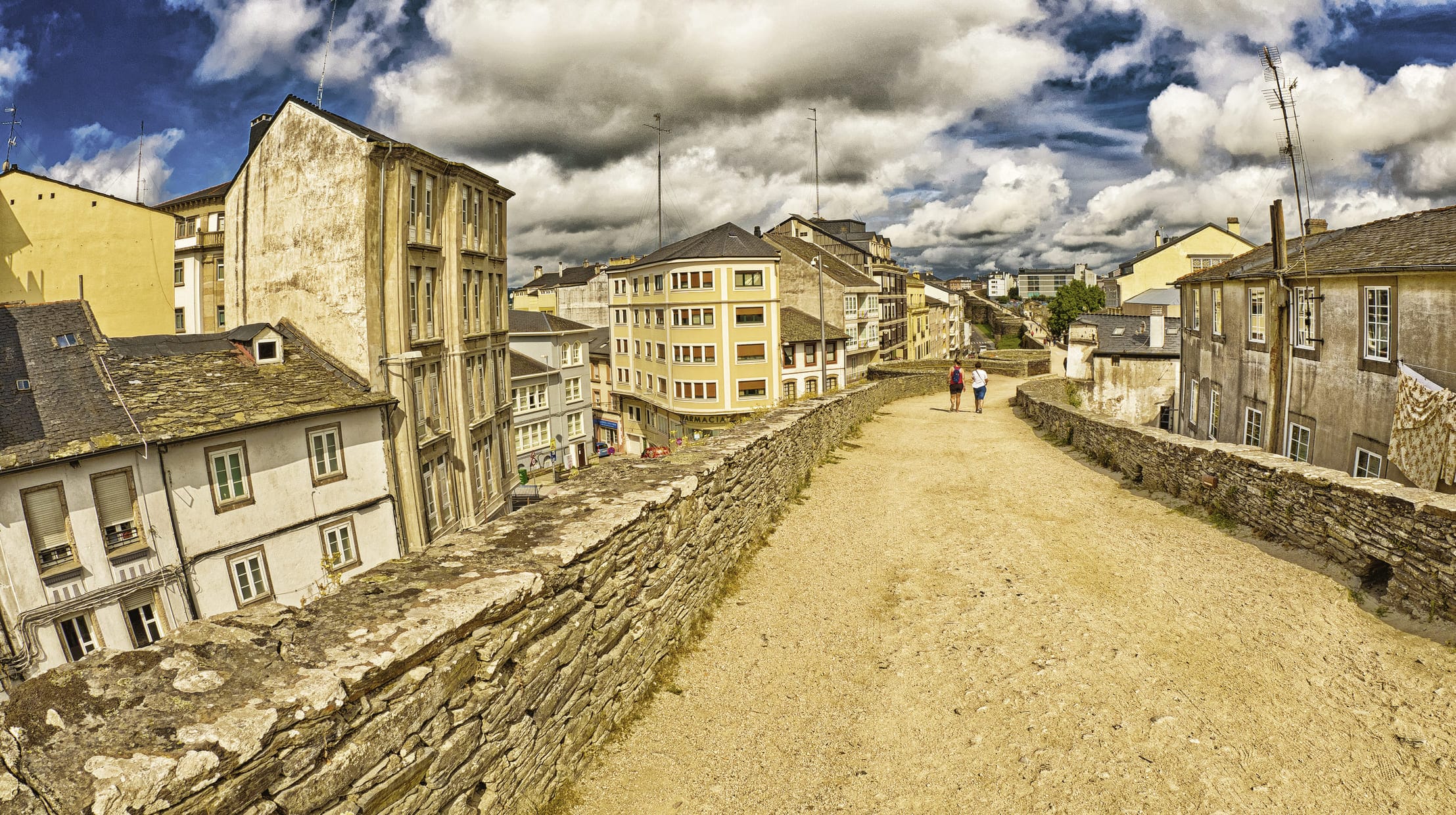
The Roman wall of Lugo is the greatest symbol of the splendour of ancient Lucus Augusti, founded in the 1st century B.C. under Emperor Augustus. This impressive structure, more than 2 km long and 10 m high, has been a UNESCO World Heritage Site since 2000. Walking along its battlements lets you admire the perfect fusion of ancient and modern city, with unique views you can only get on a Lugo excursion.

Architecture and history within reach

On a Lugo excursion you can touch the Roman past with your hands: the wall is open to the public and the full walk lets you imagine life inside the city during the Empire. Built of slate and granite, it has 85 powerful semicircular towers — most still standing — and 10 gates connecting the old town with the rest of the city. This piece of architecture is, without doubt, the central axis of any visit.

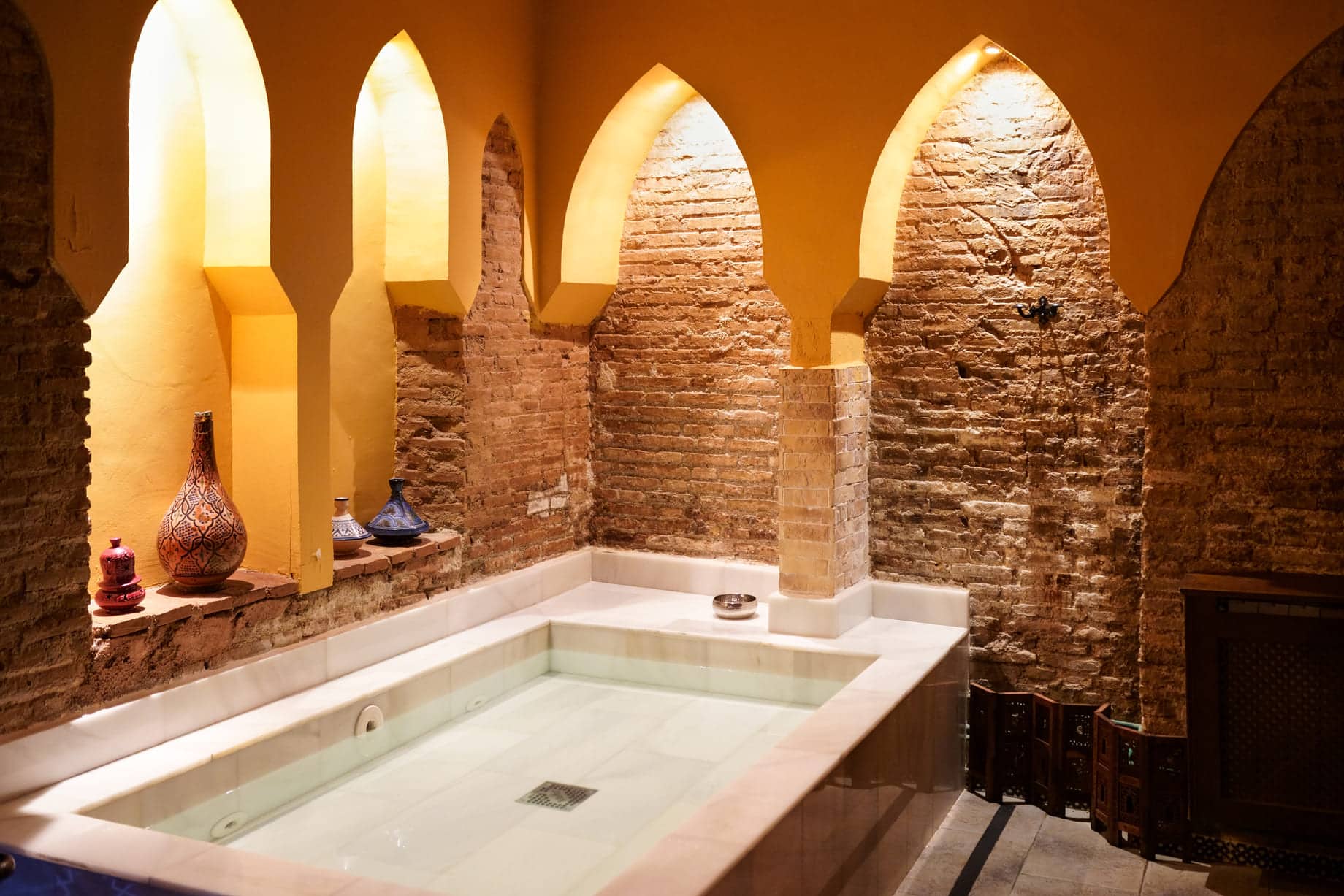
excursion to the Lugo spa

Wandering the old town on your Lugo excursion

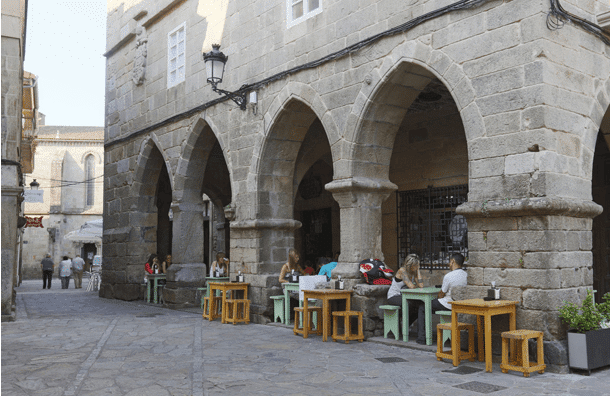
Beyond the wall, Lugo’s old town hides gems that enrich any trip. The Cathedral of Santa María, mixing Romanesque, Gothic and Baroque styles, invites you to trace the city’s artistic evolution. The cobbled streets, full of bars, shops and charming corners, are the perfect stage to immerse yourself in local life. On a Lugo excursion, every step is a lesson in history, art and daily life.

Museums, Roman baths and culture

Inside the walls, Roman culture is still alive through museums and archaeological sites. The Provincial Museum of Lugo holds a rich collection of Roman mosaics, sculptures and everyday objects. You can also visit the Roman baths on the banks of the river Miño, which still preserve original remains and show how body and mind were cared for in the classical world.

Food that wins you over

One of the great attractions of a Lugo excursion is its gastronomy, based on quality and tradition. Free tapas with every drink, fresh seafood, homemade empanadas and Galician meats win over any visitor. The old town is full of bars and restaurants where Galician cuisine shines. Pulpo á feira, caldo gallego or local cheeses are just a small sample of what you can taste.

The Praza Maior atmosphere

The social heart of Lugo is the Praza Maior, surrounded by historic buildings and lively terraces. Sitting on a terrace here for a drink while admiring the Baroque City Hall is an experience that mixes history and pure enjoyment.

activities on your Lugo excursion

Nature in the heart of the city

Lugo is not only history: its natural surroundings are also essential to the experience. The riverside path of the Miño offers a quiet walk surrounded by greenery, perfect for strolling or exercising. Very close to the centre, the Rosalía de Castro Park is a great green space to relax in after seeing the cultural heritage.

A lively, accessible city

Lugo also stands out as a comfortable, welcoming city. Everything is reachable on foot, people are friendly, and prices are more affordable than in other tourist cities. Whether for a day trip or a full weekend, a Lugo excursion is a great choice to discover an authentic corner of northern Spain.

Local events and festivals

Throughout the year Lugo comes alive with traditional festivals and cultural events that attract thousands of visitors. The most famous is Arde Lucus, a celebration that turns the city into a Roman metropolis for several days. Parades, historical re-enactments, Roman camps and markets fill the streets with living history. A Lugo excursion at this time is like travelling back to the Rome of the 1st century A.D.

excursion to Lugo

A must-do trip

Visiting Lugo is much more than seeing a wall: it is experiencing a city with soul, culture and flavour. The Lugo excursion is complete, suitable for everyone, and leaves a deep mark on those who discover it. From Roman history to human warmth, with food and nature, this Galician city is a destination worth exploring slowly. If you are planning your next destination, a Lugo excursion will be an unforgettable choice.

Excursion to Vigo: Discover Its Old Town and Harbour

If you are planning a trip to Vigo, get ready to discover a city that combines history, sea and exquisite food. Located on the Galician coast, this harbour city offers a wide range of attractions, from its old town to its lively port. In this article we tell you everything you need to know to enjoy this destination to the fullest.

What to see on an excursion to Vigo

Vigo has a unique blend of tradition and modernity. Walking through its old town is one of the best ways to enjoy a Vigo excursion. The cobbled streets, historic buildings and street life create a special atmosphere worth discovering.

The old town

The historic heart of Vigo is full of charming corners. Plaza de la Constitución, the Co-cathedral of Santa María and the famous Rúa do Pracer stand out, where you can taste fresh oysters right from the source. The history-loaded streets are perfect for a leisurely stroll.

Vigo excursion old town

The port of Vigo, an essential stop

Vigo’s port is one of the most important in Galicia and a meeting point for locals and visitors. From there you can take boats to the Cíes Islands, a true natural paradise. Strolling around the harbour and watching the fishing activity is one of the best experiences on an excursion to Vigo.

Activities to enjoy in Vigo

A trip to Vigo lets you do many activities. From sea outings to gastronomic tastings, every visitor will find something suited to their tastes.

A boat trip to the Cíes Islands

The Cíes Islands are one of the great attractions near Vigo. With paradise beaches and crystal-clear water, they are part of the Atlantic Islands of Galicia National Park. Taking a boat trip from Vigo’s port is an unforgettable experience and a must on any Vigo excursion.

Galician cuisine in Vigo

Vigo’s gastronomy is a luxury for the palate. Fresh seafood, especially oysters, octopus and razor clams, are some of the highlights. Don’t miss a meal in any of the typical restaurants in the old town to savour Galician cuisine at its best.

activities on your Vigo excursion

Walking and panoramic views

For lovers of walking and outdoor activities, Vigo offers spectacular trails. The Monte do Castro park is the perfect place to enjoy panoramic views of the city and the estuary. From there you can capture some of the best photos of your trip.

How to plan your excursion to Vigo

To make the most of your day trip, it is essential to plan your visit well. Vigo is a city with much to offer, so we recommend setting priorities and organising your time well.

How to get to Vigo

Vigo is well connected by road, train and bus. From Santiago de Compostela, the easiest way to reach Vigo is by AVE high-speed train or by car along the AP-9 motorway. Connections are quick and frequent, which makes it easy.

The best time to visit Vigo

Vigo can be visited year-round, but spring and summer are the most recommended seasons. During these months, the climate is milder and you can fully enjoy outdoor activities, beaches and outings to the Cíes Islands.

plan your Vigo excursion

A unique experience in Vigo

An excursion to Vigo is an unmissable experience for those who love discovering new cultures and landscapes. With its mix of history, nature and food, this city has something to offer every traveller. Don’t think twice and start planning your trip to Vigo!

What to See in Galicia: Magical Corners, Charming Villages and Wild Nature

If you are wondering what to see in Galicia, get ready to discover a land full of contrasts, history, imposing landscapes and villages that seem frozen in time. From the rugged shores of the Costa da Morte to the valleys of the Ribeira Sacra, Galicia offers a variety of unforgettable places that captivate every visitor.

What to see in Galicia: Santiago de Compostela, heritage and spirituality

Santiago de Compostela is one of the most important cultural jewels to see in Galicia. Besides being the final destination of the Way of Saint James, its old town, declared a World Heritage Site, brims with charm at every corner. The Cathedral, the Plaza del Obradoiro, the Monastery of San Martín Pinario and the Mercado de Abastos are must-sees. Walking its cobbled streets in the rain is a unique experience.

The Rías Baixas: beaches and seafaring villages

The Rías Baixas are an ideal destination if you are looking for sea, good wine and villages with an Atlantic essence. From Sanxenxo to O Grove, by way of Combarro or A Illa de Arousa, you will find coastal landscapes, fresh seafood and unforgettable sunsets. Combarro, with its hórreos by the sea, is one of the most photogenic villages in Galicia. The Cíes Islands, within the Maritime-Terrestrial National Park of the Atlantic Islands, complete this idyllic postcard.

The Cíes Islands

The Cíes Islands are one of the most spectacular natural paradises to see in Galicia. Only accessible by boat in high season, these islands offer trails, white-sand beaches such as the famous Rodas Beach, and protected wildlife that turn the place into an ecological refuge. It is essential to book in advance to visit them.

what to see in Galicia: A Coruña and its Tower of Hercules

A Coruña and its Tower of Hercules

A Coruña combines urban charm with coastal views and a thousand-year-old history. Its main symbol is the Tower of Hercules, the oldest Roman lighthouse in the world still in operation and a World Heritage Site. In addition, the seafront promenade, the old town, the Castle of San Antón and the city beaches make this city a must-stop for those looking for what to see in Galicia.

Lugo and its Roman wall

The city of Lugo surprises visitors by preserving its Roman wall complete, declared a World Heritage Site. You can walk the more than 2 km that surround it along the top of its walls. Inside the city, the Cathedral of Santa María, the Roman baths and the streets full of history complete the visit. The city is also famous for its cuisine and its traditional free tapas.

The Ribeira Sacra: canyons, vineyards and monasteries

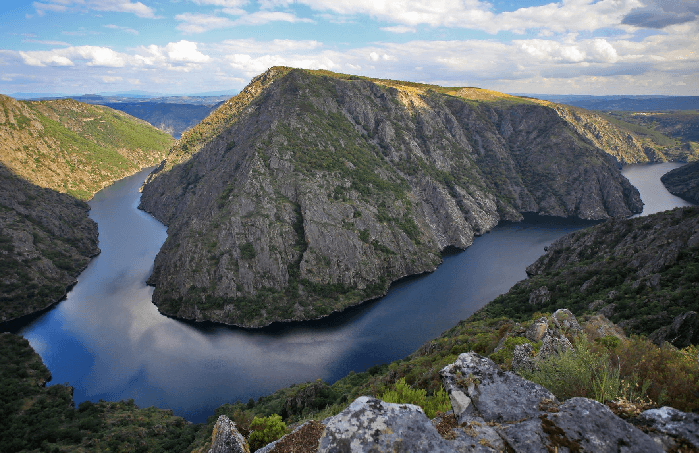
The Ribeira Sacra is one of the most impressive landscapes to see in Galicia, where nature meets history and winemaking. The Sil Canyons form a natural spectacle that you can take in from viewpoints such as Cabezoás or on a catamaran trip. On its slopes, vines are grown on terraces that produce unique wines with a Designation of Origin. Medieval monasteries such as San Pedro de Rocas or Santo Estevo de Ribas de Sil also stand out.

Viewpoints and trails

Exploring the viewpoints of the Ribeira Sacra is one of the most striking ways to connect with the Galician landscape. The Vilouxe viewpoint or Os Torgás (Balconies of Madrid) offer dizzying panoramic views over the River Sil. They are ideal for lovers of photography and nature.

What to see in Galicia: Finisterre and the Costa da Morte

The Costa da Morte fascinates with its wild cliffs, deserted beaches and seafaring legends. Cape Finisterre, considered by the Romans to be the end of the world, is one of the most symbolic places in Galicia. Around it you will find villages such as Muxía, Camariñas or Laxe, as well as beaches such as O Rostro or Mar de Fora. This area conveys a beauty that is rough and serene at the same time.

what to see in Galicia

Ourense: thermal baths and Roman bridge

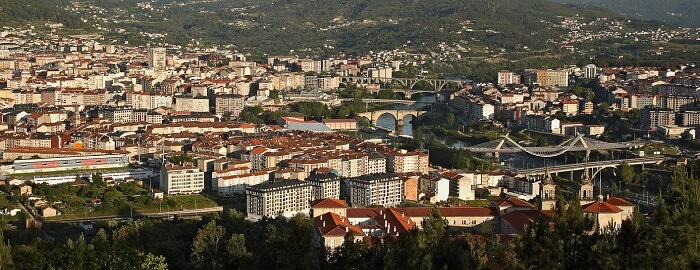
Ourense is perfect if you are looking for thermal rest, heritage and tradition. Its free thermal baths on the banks of the River Miño, such as Outariz or A Chavasqueira, are famous all over Galicia. The historic centre stands out for the Cathedral of San Martiño, the Roman Bridge and the lively squares. If you visit in winter, it is ideal for a warm and relaxing getaway.

What to see in Galicia: Charming villages

Among the best of what to see in Galicia are its villages, authentic, full of history and local flavour. Ribadavia, famous for its Jewish heritage and its Ribeiro wine; Allariz, with its medieval old town and restored river; and Betanzos, land of tortilla and modernist architecture, are perfect examples. Each one has its own rhythm, its cuisine, its festivities and its unique identity.

Wild nature and protected areas

Galicia has nature parks, native forests and trails that invite you to lose yourself. The Fragas do Eume, an almost virgin Atlantic forest; the Invernadeiro Nature Park in Ourense; the Courel or Ancares mountain ranges; and the Cospeito lagoons in Lugo are just a few green jewels. They are perfect places for hiking, watching wildlife and disconnecting from the world.

what to see in Galicia: charming villages

What to see in Galicia: unique landscapes and villages

If you are wondering what to see in Galicia, the answer is an endless list of landscapes, villages, monuments and unique experiences. Galicia is not just visited, it is lived: with the palate, with your feet on the ground, with the emotion of every corner waiting to be discovered. From Santiago to the Cíes, by way of Finisterre, the Ribeira Sacra or the wall of Lugo, what to see in Galicia becomes a perfect excuse to fall in love with the north-west of the peninsula again and again.


Discover the Charming Town of Noia

The Rías Baixas are an important part of Galicia’s tourist appeal, but there are areas and towns of the estuaries that are not so well known and hold charms worth discovering. If you want to get to know the true personality of these lands, discover Noia and take home unique memories from your next getaway.

The capital of its district, Noia, is a land of “legends and meigas” with an out-of-the-ordinary charm where you can spend very pleasant times. This small town is crossed by the rivers Tállara, Traba and Tambre, and has just 14,000 inhabitants.

If you are planning a trip to Galicia, you can devote a day to discover Noia. Its location is privileged, as it lets you visit several towns and cities that are just a few kilometres away. Noia is 35 km from Santiago de Compostela, and a little more than 100 km from A Coruña.

What to see in Noia

What to do in Noia

The charm of the small town of Noia endures through the years; at the same time, being so close to the capital of the Region of Galicia, it enjoys certain comforts you may not find in towns as small as this. In Noia you can find plenty to see and do; there are hotels, activities and restaurants, but without losing its unique character.

Below we present a list of places and attractions so you know everything you can see on your walk through Noia.

Plaza del Tapal

Located opposite the Church of San Martín, it is made of stone and has plenty of space and light. In the centre you will find a cruceiro, and its terraces are ideal for having a drink while you enjoy the scenery.

Church of Santa María a Nova

Visit the Church of Santa María a Nova in Noia

It is a small church, many years old but very well preserved. You can find it in the urban centre of Noia. One of the reasons that make it very distinctive is that inside it is housed the museum of “laudas gremiais” or “guild gravestones”, the oldest in all of Europe.

Cadarso pier and seafront walk

Although there is no sea in Noia, this area borders the estuary and part of the town. The best view of the estuary you will discover when the tide comes in, although the whole walk is very pleasant; you can spot birds, the beach and town halls of villages near the city.

Alameda

Discover the Alameda in Noia

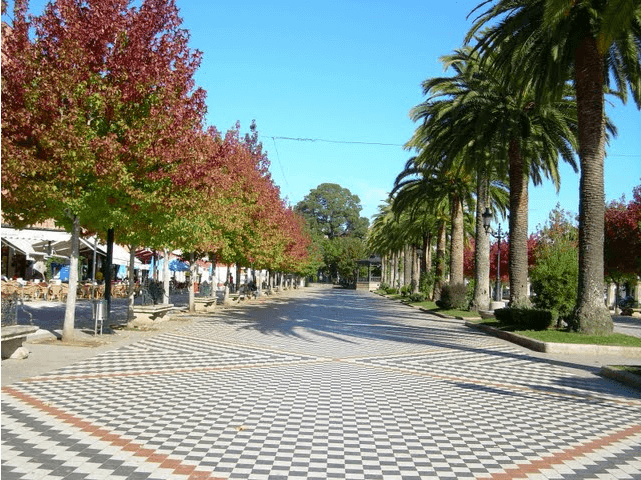
The Alameda is basically the centre of the town of Noia. It is a walk with coloured tile flooring and palm trees that make it very distinctive. There you can also come across the “Pozo do Concello“, the Town Hall, another attraction worth getting to know on your stop in this town. Next to it stand the lovely Felipe Castro Gardens.

Market square

If you like to get a feel for the towns you visit on your getaway through Galicia, you should get to know its markets. In Noia, at the market, or Plaza de los Abastos, you can find seafood or taste a variety of dishes such as empanadas or Galician beef. There are options for all tastes and it is worth sampling a little of the flavour of this town.

How to get to Noia?

Getting to Noia

If you are planning a trip to Galicia and do not know how you can get to Noia, you should know that there are different options. In this Galician town there is no train, but there are other alternatives, and getting to this town by bus is very easy.

Depending on where you are, you will have different options to get there. If you are in Santiago de Compostela or A Coruña, it is very easy to take a bus to Noia. There are companies that go directly, or you can take one that goes via the main road or motorway.

From Vigo it is also possible to reach the town of Noia by bus with a company, or by changing in Santiago and then taking another to Noia. Lastly, if you go by car or are thinking of renting one, you can reach any of the towns of the Rías Baixas via the motorway that crosses from north to south. Getting to this magical town should not be complicated, so do not hesitate to drop by this town and discover all the attractions its streets hold.

What to See in Cambados: The Wine Town

Cambados is one of the towns with the most historic sites in Galicia, which makes it very special. It is a town everyone should get to know on their way through the region, because it leaves you wanting more when you visit it; that is why we will show you a short guide on what to see in Cambados.

Besides its historical interest, you can enjoy delicious cuisine, its beautiful beaches and many other tourist spots that win the heart of anyone who visits. It is worth noting that in August it is one of the busiest towns thanks to its popular wine festivities, known as the Albariño Festival.

places to enjoy in Cambados

This town is a small place, but full of magic and many architectural spaces that will let you learn a lot about the history of this Galician town. One of the advantages of this town is that it is family-friendly: you can go with children and visit it just the same. Add to that its pleasant climate, which makes it worth visiting all year round.

Historic places to see in Cambados

History is one of the points of honour of this Galician town. Getting to know its spaces makes it one of the most appealing towns to visit. These are some of our recommendations for you to visit when you make the trip to the town.

Squares

The squares of a town always hold plenty of substance and historical secrets you should discover. You can also enjoy the open air as you walk through them. There are usually little spots to have a coffee or a glass of wine. These are some of the busiest and most popular squares to see in Cambados.

Plaza de Fefiñáns

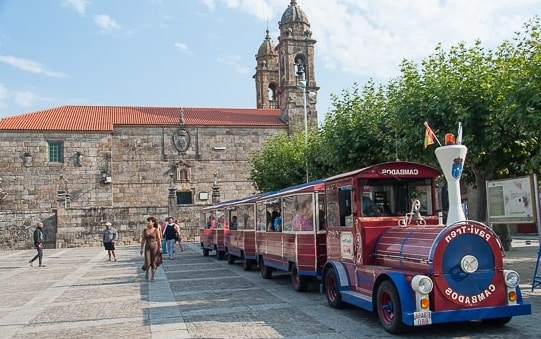
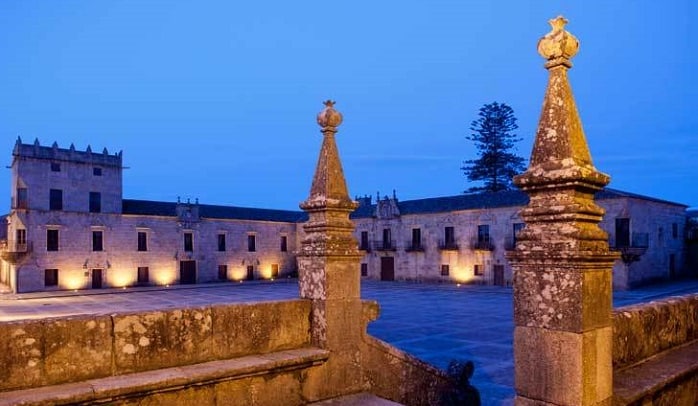
This is the most important in the whole town. It is surrounded by the architectural spaces considered the most beautiful in Galicia. At the far end you will find the Church of San Benito, as well as the arch-bridge. There is also the Pazo de Fefiñáns, declared an Asset of Cultural Interest in 2012. This place has two wineries belonging to the Wine Route. You can also tour it on a lovely train.
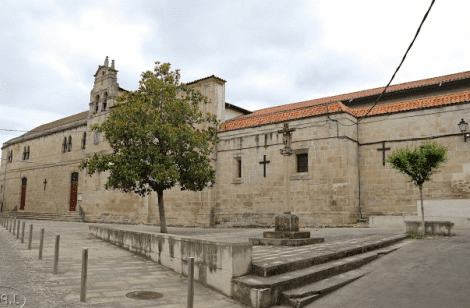
sites to discover in Cambados

Plaza de Alfredo Brañas

This is one of the squares to see in Cambados because it is surrounded by palm trees and has a central fountain that sets it apart from the rest, since it is carved in stone and is one of the most popular on the walk through the town.

Religious sites

Churches always hold plenty of history, and even more so in Galicia. They also stand out for their architectural spaces that beautify the town. The ones you should mainly visit and get to know on your visit to Cambados are:

Church of San Benito

This church is located on the Paseo Fefiñáns. It was rebuilt at the end of the 18th century. The most remarkable thing about this religious space is that it has a Baroque style over an old Romanesque chapel, full of harmony, as well as its bell towers and Gothic interior. This blend of art makes it more special for all who visit it, as well as for the town’s inhabitants who recommend it among the things to see in Cambados.

Convent of San Francisco

It is an old convent located in Cambados. Part of what stands out about this old convent is its Renaissance and Neoclassical architecture. The blend of both influences makes this present-day parish church one of the most beautiful examples of religious architecture. Its interior is just as beautiful, with an image of the Virgin that further graces the space.

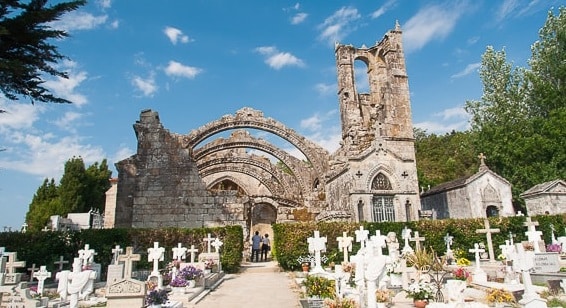
Ruins of Santa Mariña

Although it is in ruins, it is a religious space and an old church of Cambados. One of the most remarkable things is the photographic beauty that can be highlighted, because it has no roof and you can enjoy the whole structure. Add to that the cemetery that surrounds it, which gives it a much more mysterious touch.

religious sites in Cambados

Cuisine in Cambados

Cuisine is one of the points of honour in Galicia. You have to visit the region and enjoy the best dishes and drinks it offers you. You must enjoy a good octopus, clams and other recipes typical of the area.

best wines of Cambados

But also remember that you cannot leave without tasting the wine of Cambados, which is one of the best. And be sure to visit the town during its fair, because it is one of the most popular activities to see in Cambados if you are a lover of good wine.


What to See in Combarro, the Smallest Town Centre in Galicia

In the Galician province of Pontevedra lies a small village with great tourist appeal you cannot miss. Although its population barely reaches 1,700 inhabitants, there is plenty to do and see in Combarro. So you cannot waste the chance to get to know this picturesque spot.

Galician traditions are kept alive in this destination, which lets you discover the hórreos and typical cruceiros of Galicia. If you are planning to travel to discover Galicia or the Rías Baixas, you should not miss the chance to get to know Combarro.

Below you will find the best sites to see in Combarro so you can enjoy your time in this small town.

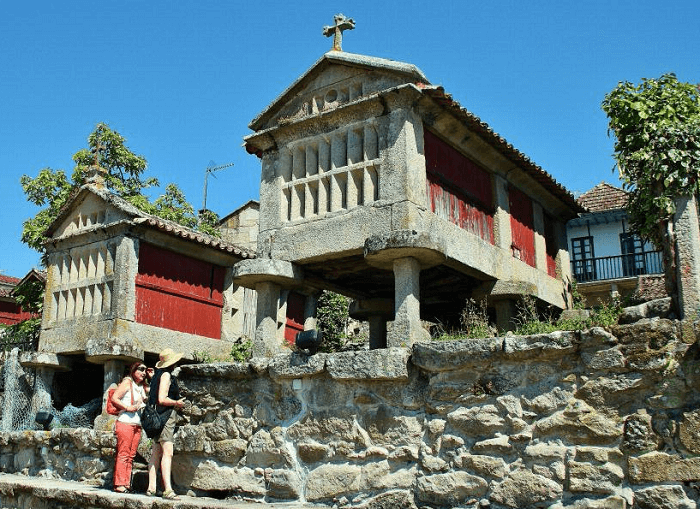
The Hórreos

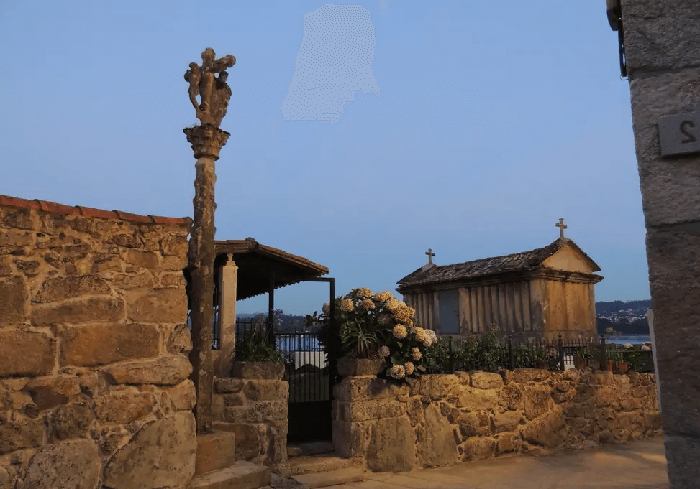
One of the most traditional buildings of the Autonomous Community of Galicia can be found in Combarro. The hórreos were used to store food and keep it from being exposed to damp and animals.

Discover the Hórreos of Combarro

In the old days they were made of wood or straw and were later built in stone; these could be preserved and you can visit them. In Combarro stands the second-largest in all of Galicia, along with another 60 of smaller size. If you fancy getting to know them, you can take a walk along the shore of the estuary, where at least 30 are lined up.

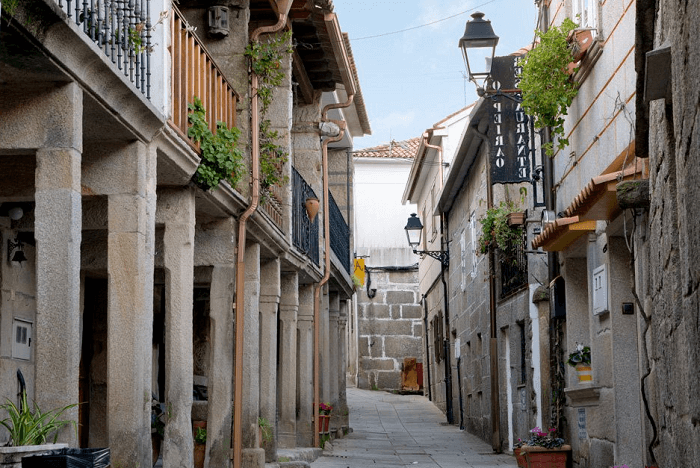
Historic centre of Combarro

The historic centre is, without doubt, a good option to see in Combarro. It is made up of small streets packed with very rural Galician-style structures that survive today. Most of them are fishermen’s houses dating from the 17th century.

The village is very small, so getting to know and walking through its urban centre will not take you more than a few hours. You will also find squares, cruceiros and terraces. You can spend the afternoon visiting its little streets and sit down for a drink or a meal in one of its restaurants, where seafood will be the star.

Visit the historic centre of Combarro

Another attraction to see in Combarro is the Church of San Roque da Rúa, located on the main street of the centre. Despite not being large, it is a very beautiful building made of granite, the material most used in the town’s constructions.

Cruceiros in Combarro

If you decide to go out to see the hórreos in Combarro, it is very likely that along the way you will come across some of the seven cruceiros in this picturesque spot. These structures are based on a column, usually of stone, with a cross at the very top, and some with pedestals that were used as places of prayer.

Get to know the Cruceiros of Combarro

Almost all the cruceiros of Combarro have the peculiarity that, on the crosses, the image of the Virgin faces the sea and Christ faces the land. Only one in the whole village faces the other way.

The “meigas”

The cruceiros of Galicia have a lot to do with the myths of the meigas (witches). In most coastal villages, like Combarro, these structures were built to ward off witches.

In this town you will surely hear many stories of this kind, and you can even buy souvenirs with the figure of “meiga” dolls to take home a memento of your time in this curious destination.

Mirador da Granxa

Visiting the Mirador da Granxa, or Granja Viewpoint, is a great option on your way through Combarro. You can reach it very easily because it is located next to the road and has space to park. From this point you can take in a lovely panorama of the whole place.

What is more, you will have a view of the whole Pontevedra estuary, Tambo Island, the centre and the beach of Combarro. You can also see some structures in the sea called bateas, used to farm mussels.

Stroll along the estuary

If you set out to find what to see in Combarro and walk through the historic centre, the best way to round off this tour is at the estuary. If the tide allows it, you will be able to see this town in a new way that, otherwise, you could only see from a boat.

Walk along the estuary of Combarro

From here you will see the hórreos lined up along the shore, the village and the cruceiros. Without doubt an excellent way to end your time in this small but pleasant destination that you will only come across on your visit to the estuaries of the Autonomous Community of Galicia.

What to See in Ourense: The City of Water

This is one of the Galician cities famous for its thermal, healing waters, which you can find in every corner. But we know that is not the only thing to enjoy in this city, so here we bring you a short guide on what to see in Ourense.

We know that, being the only province with no sea, it is the least visited, but it is indeed full of water. Still, its historic sites are an important part of it, and its churches, squares, museums, bridges and cuisine should all be reasons to visit this beautiful city. Its carnival festivities also draw the attention of many tourists.

This city has a great medieval look that all tourists can enjoy. It is a city with plenty of history, which favoured the first settlements of people, especially the Romans, thanks to the gold the city held in ancient times.

discover what to see in Ourense

Visit the thermal waters

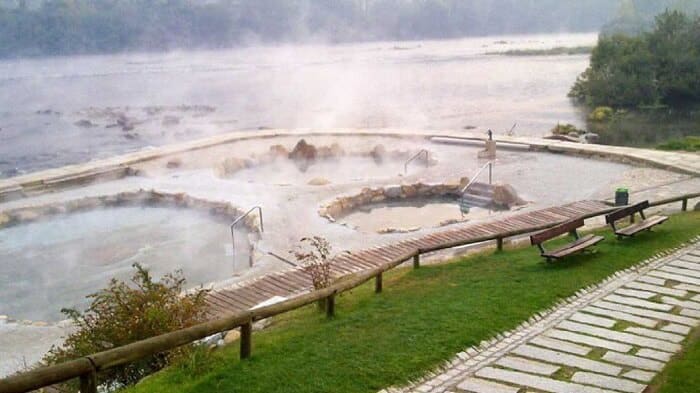
This city helps you find peace and quiet. Thanks to its well-known thermal waters, you can escape your daily routine, so it is worth adding these waters to your list of things to see in Ourense. One of the best-known spots is the Thermal Route, although there are many more.

These waters are part of the health tourism this Galician province is committed to; it is a place for the whole family. It is a different way to enjoy yourself and relax in waters at 60º that spring up all over the city. These are some of the stations you will enjoy on the Thermal Walk.

This area offers all the benefits of hot mineral-medicinal waters which, the city’s inhabitants say, cure infections and ailments, which is why many people immerse themselves in them.

enjoy the thermal water pools

  • A Chavasqueira: A public pool with hot waters that spring up at around 41º and have mineral-medicinal properties.
  • O Tinteiro: The O Tinteiro thermal spring rises at 43º and is one of the most sought-after for its dermatological properties.
  • Burga do Muíño das Veigas: These waters spring up between 65º and 72º, among the hottest in the region. It has four public thermal pools.
  • Outariz: It also has four pools, but these spring up at around 61º and are the most used for conditions such as arthritis or rheumatism.

All these pools are open-air and available all year round, although they are most sought-after in winter, because in summer Ourense is one of the hottest cities in Spain. These spaces also have private settings for those who prefer more exclusivity. The best thing about this thermal water walk is that they are on the banks of the River Miño, turning the walk into a great encounter with nature.
Historic sites to see in Ourense

Once you have finished the health tourism, there is always time to get to know the historic sites of this beautiful city. They are lovely places where you will learn a lot about Ourense’s identity.

Squares and parks

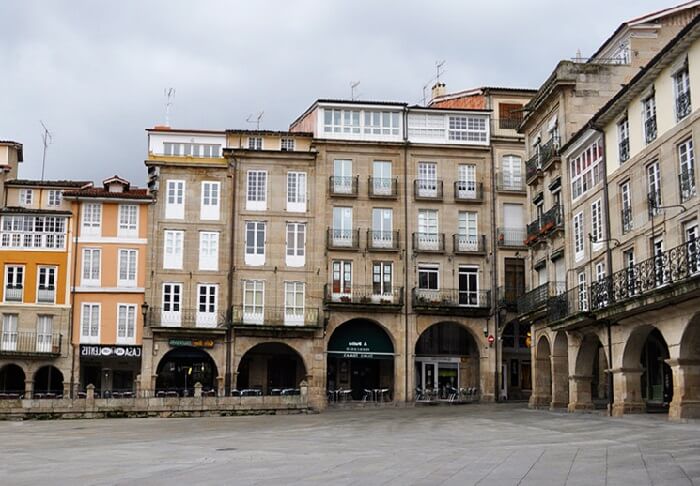
  • Plaza Mayor: A place you cannot miss. It is the centre of the old city, with a medieval air that will take you back to the years of war. You can find the Town Hall and the Episcopal Palace, and enjoy various cafés, restaurants and bars around it.

stroll through the Plaza Mayor of Ourense

  • Plaza do Ferro: It is in a monumental area of the city. It is the cultural epicentre of the city and a space to enjoy good tapas. In earlier years it was the centre of the iron market in the city.

Churches

  • Church of Santa María Madre: This church was rebuilt in 1804 to raise one in Baroque style. You will find traces of the old cathedral of Ourense.
  • Chapel of the Santo Cristo: The most remarkable thing about this chapel is the Gothic sculpture of a crucified Jesus Christ with natural hair and beard. It is a compulsory stop for all tourists because it awakens great devotion in religious people.
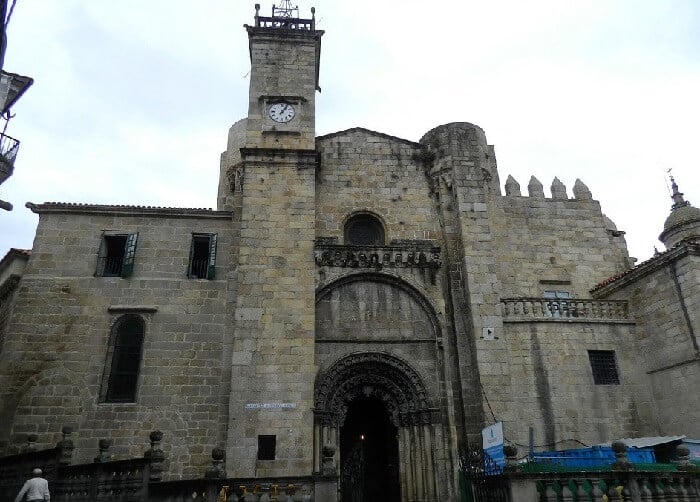
  • Cathedral of San Martiño: With Romanesque architecture, it will remind you of the cathedral of Santiago de Compostela. Although it has unfinished details, it remains a place to admire.

discover the Cathedral of San Martiño

Museums

  • Cathedral Museum: It is inside the cathedral and is a display of sacred art. You can find everything from reliquaries and a chalice to treasures that belonged to Saint Rosendo.
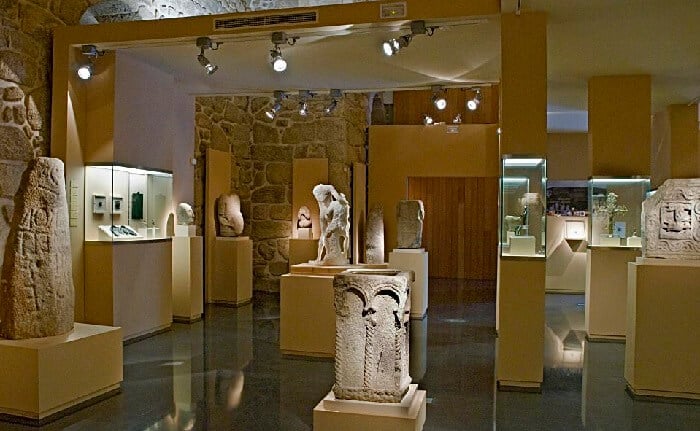
  • Archaeological Museum: This museum has been a historic monument since 1931. It has collections from the medieval era and a historical-archaeological section, with pieces from the hillfort world and the Roman period, among others.

visit the Archaeological Museum in Ourense

What to See in Monforte de Lemos

In the south of the province of Lugo, among rivers and vineyards, hides one of the most pleasant destinations in the Autonomous Community of Galicia. There is no doubt plenty to see in Monforte de Lemos, so here you will find its main attractions in detail.

If you are planning a getaway, this may be the perfect place for you. History, architecture and fine landscapes are part of what you will find in Monforte de Lemos; what is more, it is the best place to get to know the Ribeira Sacra.

The Sil Canyons or the stunning O Courel mountain range are landscapes you simply cannot miss. To better get to know all the monuments and attractions this place holds, here is the best of what to see in Monforte de Lemos.

Parks to see in Monforte de Lemos

The landscapes of the Ribeira Sacra exceptionally complement a great variety of parks you can visit on your trip to this city. If you are planning a holiday full of relaxation, then this is your destination.

Visiting the parks of Monforte de Lemos will not only let you discover its corners and views; it is also an affordable option to plan an outing on your walk. The Campo de la Compañía is one of the most outstanding parks; here stands the famous building of Los Escolapios, another of the wonders you must get to know.

Another option to enjoy the virtues of Monforte de Lemos is the Parque de los Condes, which borders the River Cabe and also has a very pleasant stream that completes the landscape. Visiting its surroundings can be an ideal plan for a stroll or for various activities.

Campo de la Compañía

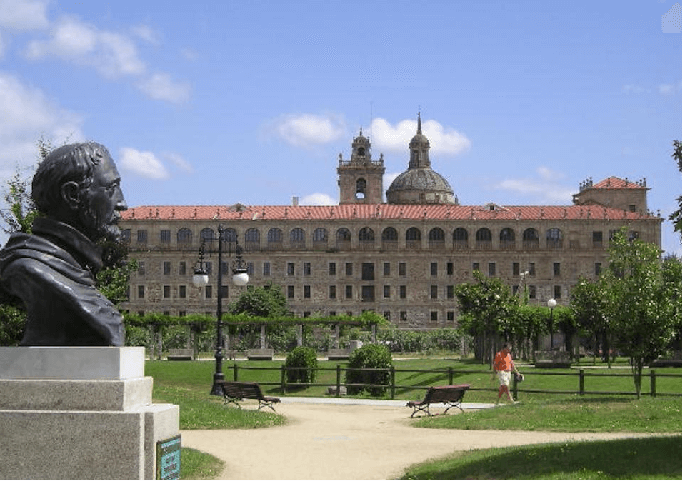
This park is home to one of the city’s most emblematic buildings, Los Escolapios. This early-17th-century structure is one of the finest buildings to see in Monforte de Lemos.

Discover Los Escolapios in Monforte de Lemos

Here you can walk along very pleasant terraces and, if you decide to visit the Galician Escorial, you can admire the incredible riverside walk of the River Cabe. Visiting these spaces is a must if you are in Monforte de Lemos, because it combines the best of the city: landscapes and plenty of art.

Best museums to see in Monforte de Lemos

The 16th and 17th centuries were times of splendour for this city and, as a result of its historical wealth, various museums have been built in Monforte de Lemos that thrill all the travellers who visit it.

If art is your thing, you can be sure you will find plenty to see in Monforte de Lemos. One of the most renowned venues in the city and in Galicia is the Museum of Sacred Art “Convent of the Poor Clares”.

You can also come across the “Los Escolapios” art gallery located in the “Galician Escorial”, where you will find very notable Renaissance works of art. Elsewhere in the city you can also enjoy the “Ribeira Sacra Wine Centre” museum, one of the most important historic buildings in the city, where you can spend an excellent day discovering the particularities of vine growing in the Ribeira Sacra.

Convent of the Poor Clares

The Museum of Sacred Art of the Poor Clares has, over the years, become one of the most important in Galicia. If you are wondering what to see in Monforte de Lemos, do not hesitate to visit its exhibitions, located in the Convent of Santa Clara.

Discover the Las Clarisas Museum in Monforte de Lemos

Inside you can find unique collections of paintings, ivories, sculpture and other sanctuary objects, mostly Italian art from the 18th century. The museum has a total of five rooms you can happily walk through on your visit to this city.

Natural landscapes to see in Monforte de Lemos

As the heart of the Ribeira Sacra, this city has great natural appeal you should not set aside if you decide to venture to this destination. Monforte de Lemos is framed by the River Cabe, where you can enjoy the incredible Riverside Walk, but there is also much magic to discover on the outskirts of the urban centre.

From Monforte de Lemos you can reach the Sil Canyons by car and travel along its waters while you marvel at the imposing Ribeira Sacra. You can make the journey sailing by boat along the River Sil and watch the mountains along the way.

Discover the Sil Canyons

Taking a catamaran along the inland seas of Galicia is an experience you will keep in your memory for a lifetime. There is no doubt Monforte de Lemos has everything you need to spend an incredible holiday among the beauty of its landscapes and the richness of its history.