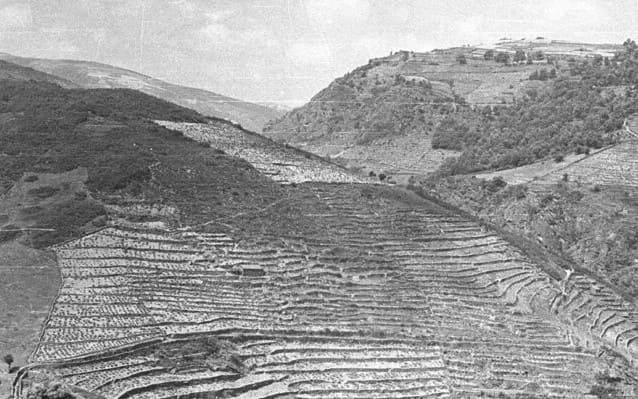

Curiosities About Galicia
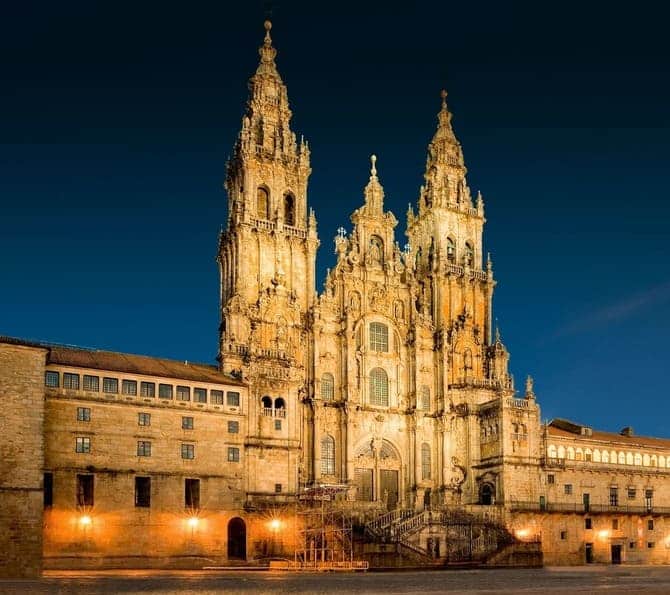
Some encyclopaedias describe Galicia as "a medieval kingdom in north-west Spain, now an autonomous region. Colonised by the Visigoths from the 6th century, it became a sub-kingdom of Castile in the late 11th century. It has kept its own language and flourishing culture." There's another Galicia, in Poland and Ukraine — the two are unconnected.
Galicia has a relatively low population of about three million across four provinces and a surface of about 11,500 km². The provinces are Lugo, Ourense, A Coruña and Pontevedra. Beyond the regional capital, each province has its own capital.
Here are some curiosities you may not know.
History of Galicia
Historically, Galicia was one of the poorest regions in Spain with an economy focused on fishing and farming rather than industry. One curiosity is that Galicia has an unusually low non-Spanish population — including fewer than 800 native English speakers.
After General Franco came to power, much of Galicia's autonomy — including its language, Galician — was abolished and banned in schools. Since the return of a more democratic government, Galicians have embraced every aspect of their regional and cultural heritage.
Facts about Galicia
Although considered one of Spain's poorer provinces, Galicia is rich in agriculture, fishing and, more recently, tourism — clearly seen in rising property values. A four-bedroom house in any big city will cost over 300K euros, and probably needs extensive renovation.
Galicia has a temperate climate and four seasons that allow it to grow a wide range of vegetables, some unavailable elsewhere in the Iberian Peninsula. Agriculture and fishing are the main income sources, with tourism catching up.
A much-debated curiosity is that Galicians claim Celtic origin — we'll stay out of that debate.
Another: if you want to offend a Galician, suggest their provinces were once under Moorish/Islamic rule. Many Britons and Americans assume this, but it's untrue. Galicians fought the Moors when they attacked Santiago de Compostela.
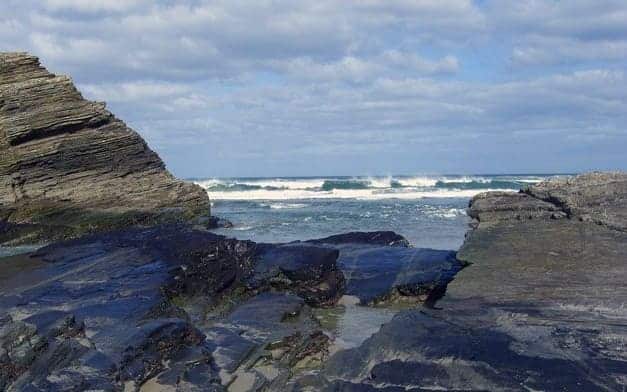
Curiosities about Galicia
- The Spanish Armada set sail from A Coruña during the attempted invasion of England in 1588. In 1589, Sir Francis Drake's attack and confused navigation led to its near-total destruction.
- The most popular regional wines are Albariño and Ribeiro.
- Julio Iglesias, although born in Madrid, has Galician heritage — reflected in songs like "Una canción a Galicia" and "La nostalgia".
- The anthem of Galicia is "Os Pinos".
- Galicia has five cathedrals — the most famous is in Santiago de Compostela.
- Galicia has many rivers, mostly small — known as "the land of a thousand rivers".
- There are only seven cities in Galicia with over 50,000 people.
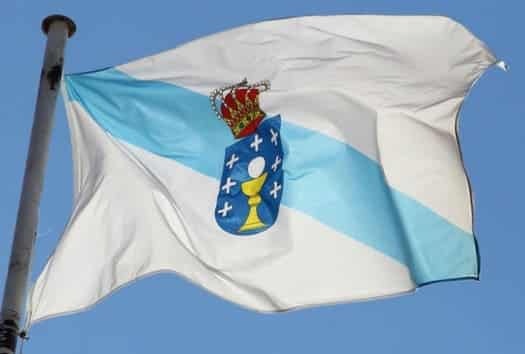
- The autonomous government is called "Xunta de Galicia". The Galician flag has only existed since the 17th century; the coat of arms in the centre is required for all state functions.
- Buenos Aires has the largest Galician population in the world.
- Galicians consider themselves Celts.
- Despite trying to destroy concepts of regional identity, language and culture, General Franco was actually Galician and spoke Galician.