

Finisterre Route Comparison for Day-Trippers
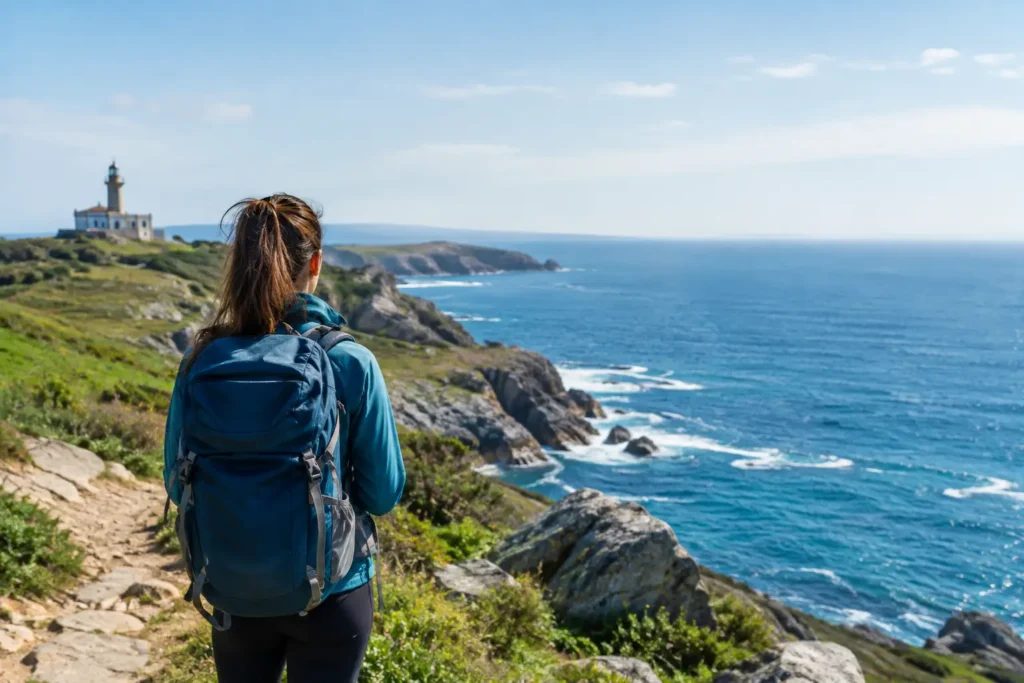
The road to Finisterre is not simply a transfer to a lighthouse. It is a full day through fishing villages, river valleys, granite headlands, and some of Galicia’s most dramatic Atlantic views. This Finisterre route comparison helps you choose the itinerary that matches your time, interests, and travel style - especially if you are staying in Santiago de Compostela and prefer to enjoy the Costa da Morte without driving.
For many visitors, Cape Finisterre is the headline. For locals, the journey is part of the experience. The best route is rarely the one that reaches the lighthouse fastest. It is the one that gives you enough time to understand the landscape around it.
Finisterre route comparison: what changes from one trip to another?
Most day trips to Finisterre leave from Santiago de Compostela and last a full day. The differences usually come down to the stops included, the order of the route, the amount of free time, and whether the itinerary follows the northern or southern side of the Costa da Morte.
A more direct route focuses on Cape Finisterre and a small number of coastal viewpoints. It can suit travelers who have limited time or who mainly want to see the lighthouse, take photos at the end of the land, and return to Santiago with minimal stops.
A complete Costa da Morte route adds the places that make this corner of Galicia so memorable: Muxía and its sanctuary beside the sea, the Ézaro Waterfall, Carnota Beach, and historic villages such as Muros or Ponte Maceira. It involves more time on the road, but each stop reveals a different side of the region. Rather than seeing Finisterre as an isolated landmark, you experience the coastline that gave it its legend.
The right choice depends on whether you want to check off a famous destination or spend a day getting to know it with someone who knows the area.
The classic Cape Finisterre route
The classic route generally heads west from Santiago through the interior of the province of A Coruña before reaching the coast. Cape Finisterre is its central stop, with time to walk near the lighthouse, look over the cliffs, and watch the Atlantic stretch beyond the horizon.
This option is a good fit for first-time visitors with a tight schedule, couples looking for an easy scenic day, and travelers who do not want a long itinerary with many transitions. It is also practical in changeable weather. Even when the sky is overcast, the lighthouse and the exposed coastline retain their atmosphere.
Its trade-off is depth. If the day centers almost entirely on the cape, you may miss the fishing ports, beaches, and pilgrimage traditions that explain why the Costa da Morte feels so distinct from other Galician coastal areas. It is a satisfying introduction, but not always the best choice for travelers who enjoy culture, local stories, and varied landscapes.
Best for travelers who value a simple plan
Choose a direct Cape Finisterre itinerary if your priority is convenience. You will spend less of the day moving between stops, have a clear focal point, and avoid overloading your schedule. This can be particularly appealing after several busy days visiting Santiago’s historic center.
However, check how much free time is actually planned at Finisterre. Arriving at the lighthouse is one thing; having enough time to walk, take in the views, and enjoy the moment is another. A well-organized tour makes that distinction clear before you book.
The complete Costa da Morte route
For most visitors with one full day available, the richer option is a route that combines Finisterre with Muxía, Ézaro, Carnota, and one or more traditional towns. These stops are not filler between major attractions. They create the contrast that makes the trip feel complete.
Muxía brings a more spiritual, windswept character. Its seaside sanctuary, granite rocks, and exposed position on the Atlantic connect with the region’s long history of faith, seafaring, and storms. Some travelers prefer its raw coastal setting even to the lighthouse at Finisterre.
Ézaro offers a different scene: a waterfall descending toward the sea, surrounded by green slopes and coastal views. It is especially welcome on a day dominated by cliffs and open ocean because it changes the pace and color of the landscape. Carnota, meanwhile, is known for its long sandy beach and one of Galicia’s best-known traditional granaries.
Muros or another historic coastal village can add the human side of the route. Narrow streets, stone houses, small harbors, and fishing activity remind you that this coast is not only a dramatic backdrop. It is a living part of Galicia.
Best for travelers who want more than a lighthouse
This is the stronger choice for independent travelers, groups of friends, and families who want to maximize a day outside Santiago. It also works well if you are visiting Galicia for the first time and may not return soon. You see several of the region’s signature landscapes without having to coordinate rental cars, rural roads, parking, or the timing between stops.
The trade-off is a longer, more active day. You should expect time on the bus between locations and a schedule that moves steadily. If you prefer to linger for hours in one village, a private experience may be more suitable than a shared day tour.
North coast or south coast: which side should you see?
A useful Finisterre route comparison also considers which side of the cape an itinerary covers. The northern side, toward Muxía, often feels more rugged and open. It is associated with rocky inlets, religious tradition, and a powerful sense of exposure to the Atlantic.
The southern side, toward Ézaro, Carnota, and Muros, blends dramatic coastline with beaches, river landscapes, and historic fishing communities. It tends to offer more visual variety over the course of the day.
If you must choose only one side, let your interests decide. Pick Muxía if you are drawn to spiritual places, wild seascapes, and the stories of the Camino de Santiago beyond Santiago. Pick Ézaro and Carnota if you want waterfalls, broad beaches, and a mix of natural and cultural stops.
When an itinerary includes both, it is usually the best value for a first visit, provided the timing allows for meaningful stops rather than quick photo breaks. A good guide can turn the drive between them into part of the experience, explaining shipwreck history, local customs, and why this coast earned its evocative name, the Coast of Death.
Organized day trip or rental car?
Driving gives you flexibility, but the route is more demanding than it may look on a map. Roads can be narrow and winding, parking near popular viewpoints can be limited, and a full circuit requires attention to timing. In summer, planning meals and stops around crowds adds another layer.
An organized excursion is often the easier choice for travelers based in Santiago. Transportation, itinerary planning, and parking are handled for you, while a local guide provides context that a navigation app cannot. You can watch the scenery instead of watching the road, and you return to the city without worrying about driving after a long day.
At Tour Galicia, the value of a guided route is not just reaching Finisterre. It is making the journey comfortable, clear, and worthwhile, with local guides who can connect the places you see to the stories behind them.
A rental car makes more sense if you are staying overnight on the coast, traveling with a very specific photography schedule, or want to explore smaller detours at your own pace. In that case, consider splitting the area across two days. Finisterre and the Costa da Morte reward a slower visit.
How to choose the right route before booking
Start with the stops, not just the name of the excursion. “Finisterre” can describe anything from a focused lighthouse visit to a broad Costa da Morte circuit. Read the itinerary and confirm whether Muxía, Ézaro, Carnota, or Muros are included if those places matter to you.
Next, consider the departure point and total duration. A day trip from Santiago is convenient for travelers already staying there, while visitors arriving from another city may need to account for extra travel time. Ask whether the route includes guided visits, free time at the cape, and meal time. These details shape the day more than a list of destinations does.
Weather deserves realistic expectations. Galicia’s Atlantic coast can be sunny, misty, windy, or rainy within the same day. Bring a light waterproof layer and comfortable shoes, even in warmer months. A gray sky does not ruin Finisterre - it can make the cliffs, waves, and lighthouse feel even more powerful.
Finally, choose a tour with transparent conditions, a clear meeting point, and a cancellation policy that gives you confidence if plans change. Immediate confirmation and organized transportation remove the most common friction from a full-day excursion.
Finisterre is often described as the end of the world. Give it a route that feels like more than an arrival: choose the coast, stories, and stops you will remember on the way there.
Choose your Finisterre day trip
Compare tours from Santiago and select the route that best fits your available time.