

Galicia’s Dramatic Coast of Death
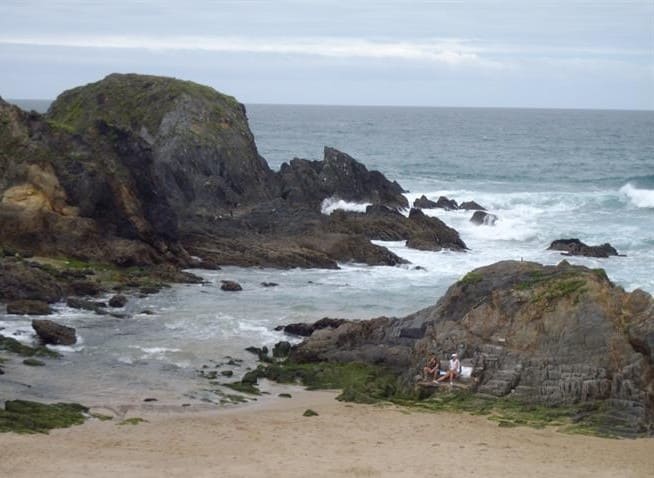
Galicia, the north-west province of Spain, is undoubtedly one of Spain's most dramatic parts. The adjective applies not only to the landscape but also to the history and the many tales and legends of saints, witches and the devil that abound here. The Coast of Death of Galicia is a place you can't miss on your route.
The Coast of Death of Galicia
The Coast of Death covers a long stretch of the Atlantic from Cape Finisterre to Camariñas and beyond. The name comes from the many shipwrecks claimed by fierce storms and dangerous rocks. Local tradition says not all disasters were nature's work — human scavengers also played a part, tying torches to cows' horns to mimic lighthouse fires and lure unsuspecting sailors to their deaths.
The coast is best explored from Santiago de Compostela to the east or La Coruña to the north. There are 85 km of winding roads from Santiago to Finisterre, first to Muros and then Finisterre.
Cape Finisterre
For many pilgrims, the final destination isn't Santiago's cathedral but the lighthouse on top of Mount Facho marking the "End of the World" as Romans called it. Cape Finisterre is not the westernmost point of Europe though — Cape da Roca in Portugal is, 16 km further on.
At the foot of the lighthouse, perched on a rock, is a bronze boot where many pilgrims symbolically celebrate the end of their spiritual journey by burning their travel clothes and shoes.
The lovely coastal fishing town of Finisterre is nearby. Walking from the cape offers great views and spectacular beaches like O Rostro, Arnela or Langosteira. White sand and crystal-clear water — but you'll need a really hot summer day to venture in, the water is much colder than the Mediterranean.
Beyond tourism, Finisterre lives off fishing. Don't miss La Lonja, the open hall where the latest catches are noisily auctioned.
A fishing museum next to La Lonja exhibits and documents the harsh life of fishermen and the most spectacular shipwrecks on the Coast of Death.
The region's Celtic origins are evident in sacred stone tables and chairs — local tradition says lying or sitting on them brings spiritual strength.
Camariñas
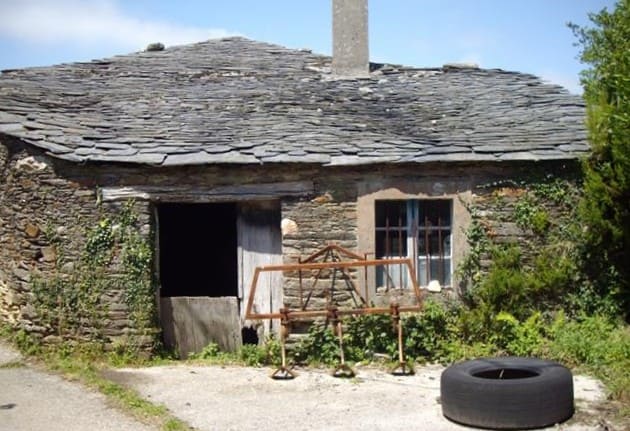
The trip from Finisterre to Camariñas leads through the most typical example of rural Galicia. Stone bridges cross small rivers, pine forests line both sides, sheep and cows graze in meadows and people live in low stone houses, some very small.
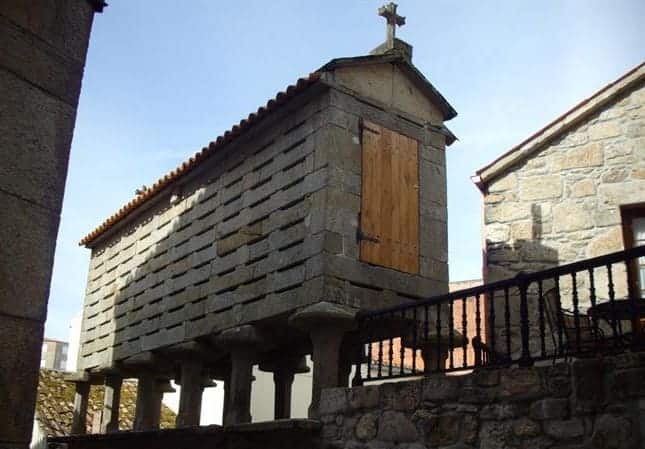
Rural Galicia
Everywhere you'll find one of Galicia's typical features: hórreos. At first glance they look like chapels because they all have a cross on top, but they're actually storage units for grain and food. Made of stone with ventilation slots and erected on stone stilts to keep grain dry and out of reach of mice, rats and other vermin.
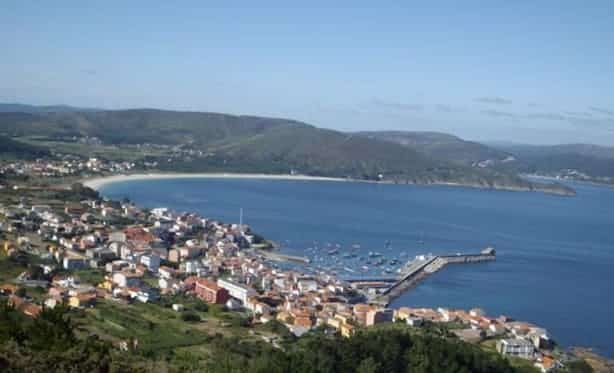
Back on the Atlantic, Camariñas is a quiet, picturesque fishing village. Built around a semicircular bay that invites a walk along the seafront. Camariñas is also Spain's lace centre — shops along the main street sell beautiful curtains, scarves, pillowcases, tablecloths and many other lace-decorated items.
Visit the Lace Museum, exhibiting everything related to lace and fine examples of Spanish designer dresses decorated with Camariñas lace.
Cape Vilán
The spectacular Cape Vilán lighthouse is nearby. The road leads along Monte Blanco, Europe's largest sand dune. The whole area is a nature reserve due to its vegetation and seabirds — kittiwakes, cormorants and gannets.
Cape Vilán is the site of one of the most tragic shipwrecks in the Coast of Death's history. In 1890, a tall British ship called The Serpent, carrying 175 naval cadets, crashed on rocks near Cape Vilán. All but three sailors drowned. The dead were buried in what's called the English Cemetery — a monument to the tragedy. A tribute is held every year. Since the 15th century there have been over 800 shipwrecks here.
After The Serpent's crash, a new lighthouse was built in 1896 — the tallest in Spain at the time and the first to run on electric light.
A visit to the Coast of Death gives unique insight into the region's rural life, untouched nature, abundant wildlife and the true nature of the sea.