

Galicia Wineries Worth Planning a Day Around
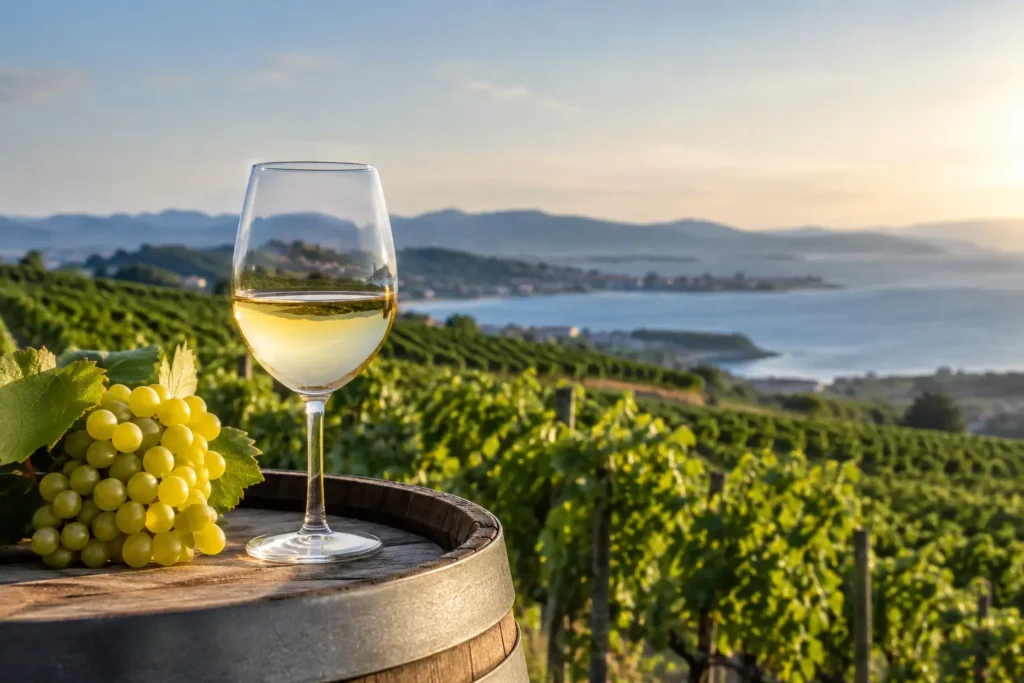
A visit to Galicia wineries is not simply a stop for a glass of wine. Here, vineyards climb slate terraces above river canyons, run almost to the Atlantic coastline, and grow beside old stone villages. The setting changes dramatically from one wine region to another, which is why the best winery day is usually one built around a single area rather than trying to cover all of Galicia at once.
For travelers staying in Santiago de Compostela, A Coruña, Vigo, or the Rías Baixas coast, wine country can be an easy and rewarding addition to a Galicia itinerary. The key is choosing the right denomination, allowing enough time for travel, and booking visits in advance, especially in high season.
The wine regions travelers should know
Galicia has five official Denominations of Origin, but most visitors focus on three: Rías Baixas, Ribeira Sacra, and Valdeorras. Each offers a different landscape, grape variety, and style of visit.
Rías Baixas: Albariño near the Atlantic
Rías Baixas is Galicia's best-known wine region and the most convenient choice for many visitors based in Vigo, Pontevedra, Santiago, or the coast. Its signature grape is Albariño, a white wine known for bright acidity, citrus notes, stone fruit, and a saline edge that reflects the nearby Atlantic.
The Val do Salnés subzone, around Cambados and the Arousa estuary, is the classic place to understand Albariño. Vineyards are often trained high on granite posts, helping the grapes stay dry in Galicia's humid climate. A tasting here is especially enjoyable when combined with seafood, whether oysters, clams, mussels, or scallops.
This is the easiest region for a relaxed winery outing. The roads are generally manageable, villages are close together, and coastal scenery gives the day more than one highlight. It is a good option for first-time visitors who want wine, local food, and time in places such as Cambados, Combarro, or A Toxa.
Ribeira Sacra: vineyards on impossible slopes
Ribeira Sacra feels entirely different. Between the Sil and Miño rivers, vineyards are planted on steep terraces that can look almost vertical from the water. This is known as heroic viticulture because much of the work must still be done by hand.
The region is particularly associated with Mencía, a red grape that can produce fresh, elegant wines with red-fruit aromas, floral notes, and mineral character. White wines are also made here, often from Godello and other local varieties, but Mencía is the grape most travelers come to know.
A Ribeira Sacra winery visit works best as part of a full-day route. Travel times are longer than in Rías Baixas, and the landscape deserves time: river viewpoints, monasteries, small villages, and, when conditions allow, a boat ride through the Sil Canyon. The trade-off is simple: it takes more planning, but few wine regions in Spain offer such dramatic scenery.
Valdeorras: Godello with a mountain backdrop
In eastern Galicia, closer to the border with Castile and León, Valdeorras is the place to seek out Godello. This white grape makes textured wines with orchard-fruit aromas, freshness, and enough structure to pair well with substantial meals.
Valdeorras tends to suit travelers who already have a strong interest in wine or are continuing through inland Galicia. It is farther from the main visitor bases, so it is less practical for a quick excursion from Santiago. Still, those with a rental car or a private itinerary often find it one of the region's most rewarding wine areas.
How to choose Galicia wineries for your itinerary
Start with where you are staying and how much time you have. Rías Baixas is usually the most straightforward winery region from Vigo or Santiago, while Ribeira Sacra is ideal when you can dedicate a full day to inland Galicia. If you are arriving by cruise ship, be realistic about your port schedule. A winery experience can be memorable, but it must leave a generous margin for returning to the ship.
It also helps to decide what kind of visit you want. Some wineries offer a brief guided tour followed by a tasting, while others build the experience around vineyards, food pairings, historic estates, or walks through the property. Larger wineries may have more frequent tour times and multilingual staff. Small family producers can feel more personal, but appointments may be limited and English-language visits may need to be arranged ahead of time.
Do not choose based only on a famous name. A well-run tasting with a local host, clear explanation, and wines that reflect the region can be more memorable than a rushed visit to a larger facility. Ask what is included, how long the tour lasts, whether transportation is provided, and whether the winery is accessible if mobility is a concern.
What a winery visit in Galicia is really like
Most visits begin with an introduction to the estate and the local climate. Galicia's weather matters in every bottle: rain, humidity, Atlantic influence, granite soils, and steep slopes all shape how vines are managed and when grapes are harvested.
You may see stainless-steel tanks for fresh white wines, oak barrels for selected styles, and bottling areas. In Ribeira Sacra, the vineyard itself is often the main lesson. Standing above the Sil River makes it immediately clear why harvesting these terraces requires so much manual work.
The tasting usually includes two to four wines. In Rías Baixas, that may mean different expressions of Albariño, from young and vibrant to lees-aged and more complex. In Ribeira Sacra, a tasting might compare Mencía wines from different slopes or soils. There is no need to know wine terminology before you arrive. A good guide will explain the essentials in a clear, approachable way.
Wine is best understood at the table, so look for visits that include local products when possible. Albariño and shellfish are a natural pairing, while Mencía can work beautifully with Galician beef, mushrooms, cured meats, or aged cheeses. If you have dietary requirements, confirm them when booking rather than assuming options will be available.
Practical tips for a smooth wine day
Reservations are essential. Many wineries do not accept walk-ins, particularly during weekends, harvest season, and summer. Booking ahead also gives you a better chance of finding a visit in your preferred language.
Plan for transportation before confirming the tasting. If you are driving, appoint a designated driver and remember that rural roads may be narrow, winding, and slower than expected. A guided day trip or private driver removes that concern and lets everyone enjoy the tasting. For visitors who prefer not to rent a car, organized transportation is often the most comfortable way to reach rural wine country with confidence.
Aim for no more than two winery visits in a day. Three may sound appealing, but the experience quickly becomes rushed, especially when travel, lunch, and scenic stops are included. One excellent winery, a long local lunch, and time to enjoy the landscape often make for a better day than trying to taste everything.
Wear comfortable shoes, particularly in Ribeira Sacra, where vineyard paths and viewpoints can be uneven. Bring a light layer even in summer, as Atlantic weather can change quickly. If you plan to buy bottles, ask about shipping options or luggage restrictions before making your selection.
Pair wine country with the Galicia you came to see
The strongest winery days combine wine with place. In Rías Baixas, that might mean a morning tasting followed by a seafood lunch and an afternoon beside the estuary. In Ribeira Sacra, it could mean a viewpoint over the canyon, a monastery visit, and a winery tasting that explains the terraces below.
Tour Galicia can help travelers who want an organized route with local guidance, transportation, and the freedom to enjoy the experience without watching the road. For independent travelers, the same principle applies: leave room in the schedule for the landscape, the meal, and the conversation that happens after the final pour.
Choose one region, book the visit with time to spare, and let Galicia's vineyards set the pace. The bottle you take home may be excellent, but the lasting memory is likely to be the view from the vineyard where you first tasted it.
Choose your Galician wine landscape
Discover heroic viticulture in Ribeira Sacra or Albariño country in Rías Baixas on a guided day trip from Santiago.