

Hidden Treasures of the Galician Coast: Atlantis and Duios
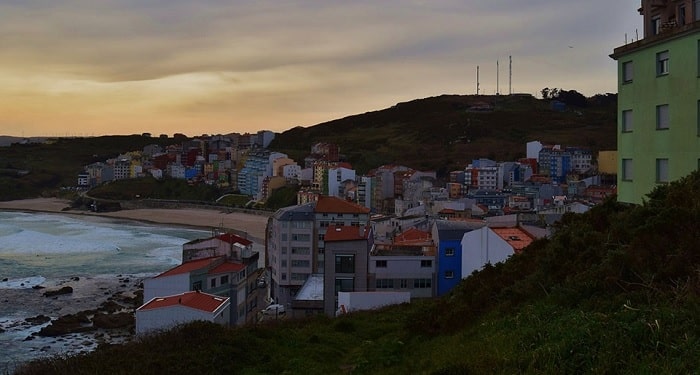
The Galician coast is one of those magical places. The most famous hidden treasures of the Galician coast are Atlantis and Duio — sunken city legends everyone knows about.
Many legends surround these hidden treasures of the Galician coast — worth knowing and enjoying.
Hidden treasures of the Galician coast: Duios
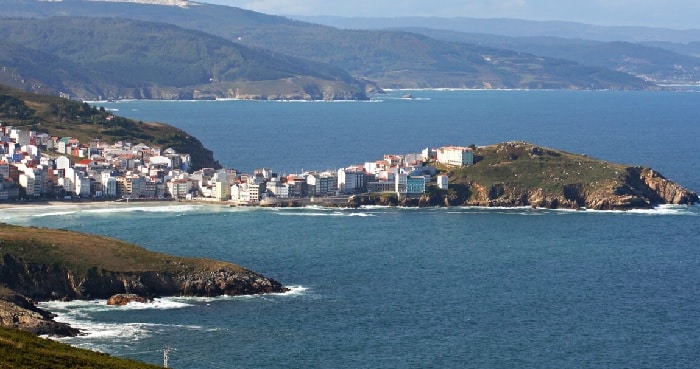
There's a whole legend around Duios. Many residents say the city was flooded as a divine punishment in the 9th century. The wrath came because the inhabitants worshipped the sun and were indifferent to the apostle's preaching.
Scientifically, it may have been a cataclysm where only the oxen were saved — remembered with two stones called Os Bois de Gures.
Archaeological remains of Dugium have been found here — a large city of Celtic Nerii. Saint William Christianised the place and built a place of prayer.
Hidden treasures of the Galician coast: Atlantis
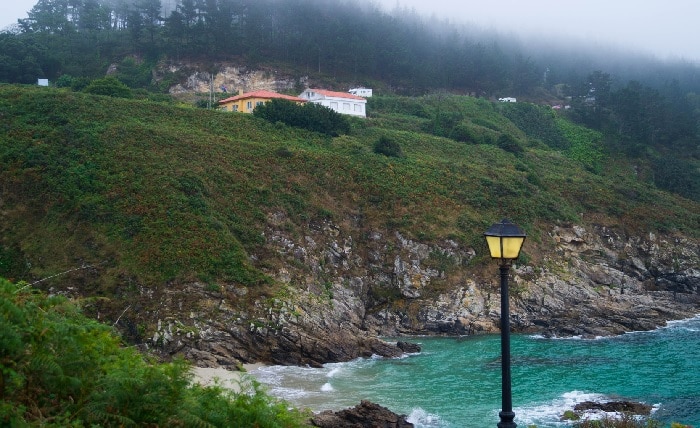
Atlantis is one of the most famous city legends — described by Plato. Many say this advanced island civilisation was in Galicia.
It has become one of the hidden treasures of the Galician coast. Many tourists, adventurers and archaeologists run excursions looking for ruins. Although a legend, it features in history books. One spot considered is the Doñana marshes, with remains of an advanced civilisation.
Visible?
Veteran sailors from Malpica de Bergantiños say Atlantis is real and one of the hidden treasures of the Galician coast — sometimes visible, depending on the tide.
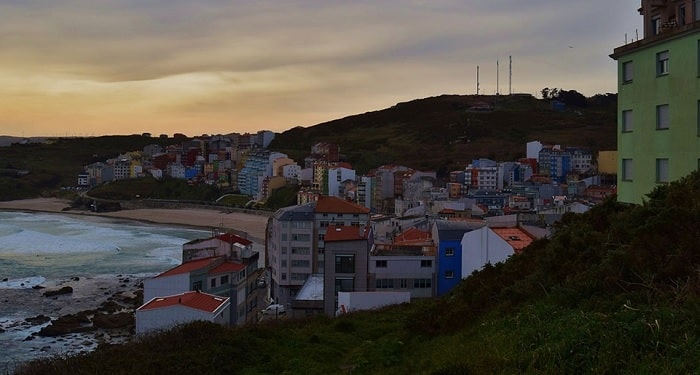
In a Costa da Morte village near A Coruña, you can see stone heads rising above sea level, sometimes stone walls and even stairs — what some sailors describe as remains of a great village or civilisation submerged in the sea.
The Atlantis legend
According to legend and Greek mythology, Atlantis was an advanced civilisation on an island of rich, wise and just people, ruled by Poseidon. Zeus punished its inhabitants for their greed — tsunamis and volcanic eruptions destroyed it in a single night.
Many say it sank under the Atlantic, but its location has never been confirmed. Said to be in different parts of the world; sometimes located on the Galician coast or even the Canary Islands.