

Rias Baixas Highlights for a Galicia Day Trip
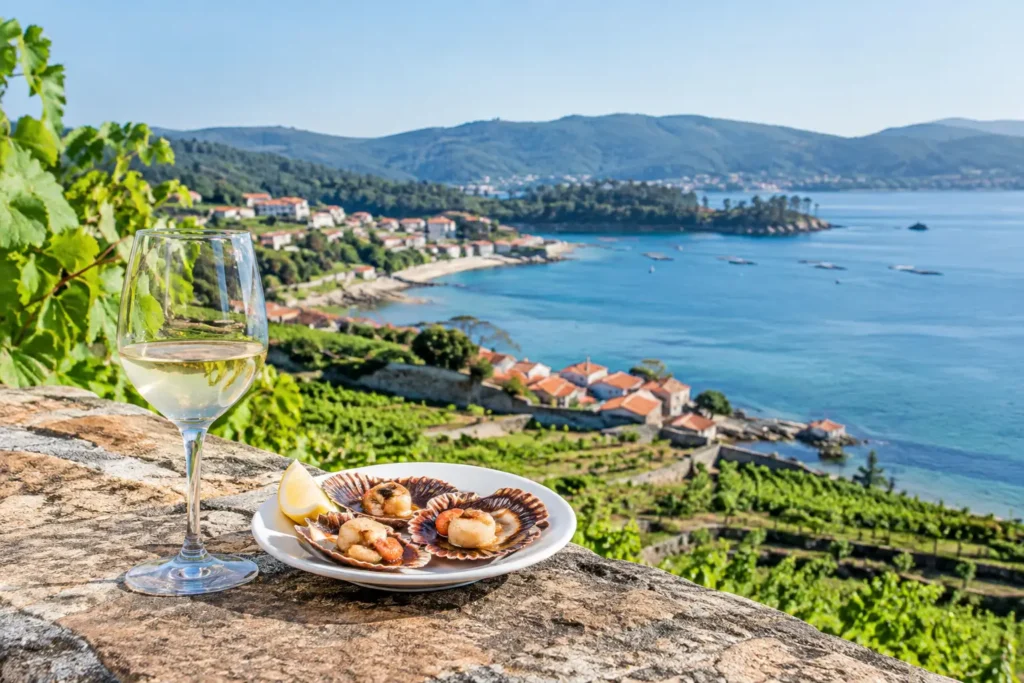
The Rias Baixas highlights are not limited to one postcard view. This corner of Galicia brings together stone fishing villages, calm inlets, Atlantic beaches, island landscapes, and some of Spain’s most celebrated seafood. For travelers based in Santiago de Compostela, it is one of the most rewarding full-day escapes: a route where every stop reveals a different side of the coast, without the stress of navigating unfamiliar roads or deciding what to skip.
Rias Baixas highlights that deserve your time
A day in the Rías Baixas works best when it follows the rhythm of the landscape. The distances are manageable, but the appeal is in pausing at the right places: a waterfront lined with small boats, a viewpoint over the estuary, a village lane where granite houses lean toward the sea. Trying to cover every town in one day can turn a coastal trip into a checklist.
The most satisfying route usually combines Combarro, the O Grove peninsula, A Toxa, and the wide sands around A Lanzada. Depending on the season, traffic, weather, and departure point, an itinerary may also include time in Pontevedra or another nearby coastal town. This flexibility matters. Galicia’s coast is beautiful in bright sun, but it has a powerful character under soft clouds and sea mist too.
Combarro: Galicia in stone, water, and tradition
Combarro is often the image people remember most clearly from the Rías Baixas. Its old quarter sits beside the water, with narrow granite streets, traditional fishermen’s homes, and rows of hórreos, the raised stone granaries that are a signature of rural Galicia.
The hórreos along the shoreline are especially striking because they place an agricultural tradition directly beside the fishing harbor. They were built to protect crops from humidity and animals, yet in Combarro they also tell the story of a community shaped by both land and sea.
This is a place for a slow walk, not a rushed photo stop. Look beyond the waterfront for small squares, carved stone crosses, and details on the older facades. In high season, Combarro can be busy around midday. An organized excursion helps make the most of the available time and gives context to what might otherwise seem like simply a beautiful village.
O Grove: where the estuary feeds Galicia’s table
O Grove occupies a peninsula between the Arousa estuary and the open Atlantic. Water defines everything here, from the working harbors to the shellfish beds visible at low tide. Mussels, clams, oysters, and scallops are not just menu items in this area. They are part of the local economy and daily identity.
The Ría de Arousa is Spain’s largest estuary and a major center for mussel farming. Floating wooden platforms known as bateas are a familiar sight offshore. They are used to cultivate mussels in nutrient-rich waters, a system that helps explain why seafood is so central to Galician cuisine.
If a boat experience is included in your chosen route, it offers a particularly clear view of this relationship between sea and table. But even from shore, the ports and estuary scenery make O Grove a valuable stop. Travelers who enjoy food, local traditions, and coastal scenery will find much more here than a beach resort atmosphere.
A Toxa: a small island with a distinct personality
Connected to O Grove by a bridge, A Toxa is known for its spa heritage, peaceful streets, and elegant, low-key resort feel. Its most recognizable landmark is the Chapel of San Caralampio, whose exterior is covered in scallop shells. It is an unusual sight, and a reminder that Galicia often blends religious tradition, maritime life, and local imagination in unexpected ways.
A Toxa is compact, so it fits naturally into a day trip without demanding hours of walking. The island is a pleasant contrast to the working waterfront of O Grove and the historic density of Combarro. It also offers views across the water that feel especially calm outside the peak summer months.
For visitors arriving on a cruise ship in Vigo, timing is the key consideration. A private or carefully scheduled shore excursion can make a Rías Baixas visit possible during a limited port call, but the route should always be planned around the ship’s all-aboard time. There is no value in a beautiful stop if it creates uncertainty about returning to the port.
A Lanzada: the Atlantic at its most open
After the sheltered waters of the estuaries, A Lanzada brings a dramatic change of scale. This long stretch of sand faces the Atlantic, with rolling dunes, broad horizons, and waves that attract surfers as well as walkers. It is among the best-known beaches in Galicia, but its appeal is not limited to swimming weather.
On a clear day, the color of the water can be spectacular. On a windier day, the beach feels rawer and more expansive. Either way, it provides the essential Atlantic contrast to the protected rías. Bring a light layer even in summer, since coastal breezes can be cooler than expected.
Near the beach, the small chapel and archaeological remains associated with A Lanzada add another layer to the stop. Local legends connected to fertility are part of its popular tradition, while the site itself reflects the long human history of this coastline. A local guide can separate established history from folklore while making room for both.
How to plan a better Rías Baixas day trip
The Rías Baixas are easy to enjoy, but a few choices make the day more comfortable. First, allow a full day if you are departing from Santiago de Compostela. The coast deserves more than a quick drive-by, and a complete route usually includes several stops with time to walk, take photos, and enjoy the views.
Second, dress for changing conditions. Comfortable shoes are useful for cobbled streets in Combarro, while a light waterproof jacket is sensible in any season. Sunscreen is equally worth carrying in spring and summer. Galicia’s weather can shift quickly, particularly near the ocean.
Food is another consideration. A sit-down seafood lunch can be a highlight, but it also takes time. Travelers who prioritize a relaxed meal should choose an itinerary with a planned break. Those more focused on sightseeing may prefer a quicker lunch and extra time by the coast. Neither approach is better. It depends on whether your ideal day is led by flavors, landscapes, or a balanced mix of both.
Driving independently gives you freedom to linger, especially if you want to seek out quieter beaches or wineries. It also means assigning someone to handle parking, routes, meal reservations, and changing weather. A guided group day removes those practical decisions and adds the perspective of someone who knows the places beyond their most photographed corners. For many visitors without a rental car, it is the simplest way to see several areas in one well-paced outing.
When to visit the Rías Baixas
Summer brings warmer temperatures, lively waterfronts, and the best conditions for beach time. It also brings more visitors, particularly in July and August. Reserve ahead if your dates are fixed, and expect popular stops such as Combarro to feel busier.
Spring and early fall are excellent for travelers who prefer milder weather and a quieter pace. The landscape is green, the light can be beautiful, and restaurants and towns retain their local energy. Winter is less predictable, yet it has real appeal for those who enjoy dramatic skies, empty beaches, and Galicia at its most atmospheric.
A guided Rías Baixas excursion with Tour Galicia is a practical option when you want transport, timing, and local stories organized in advance. It leaves you free to look out the window, taste what the coast produces, and enjoy each stop with someone who knows it.
Leave space in your day for the unplanned moment: a fishing boat crossing the estuary, the scent of salt air on a quiet lane, or a plate of shellfish that makes you understand why this coast is so loved.
Experience the Rías Baixas from Santiago
Visit coastal towns, A Toxa and a winery on a guided day trip with organised transport.