

Rias Baixas Wine Tour From Santiago Explained
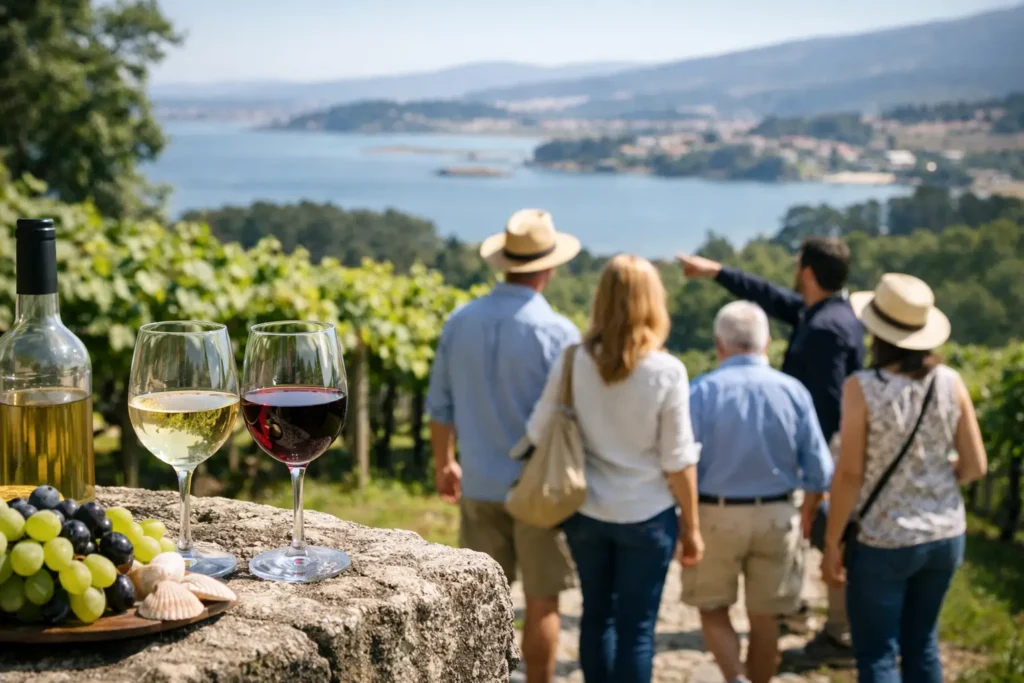
A Rias Baixas wine tour from Santiago is one of the easiest ways to swap the city’s granite streets for vineyard views, Atlantic air, and a glass of crisp Albariño. In a single day, you can travel from the heart of Santiago de Compostela to one of Galicia’s most distinctive wine regions without renting a car, choosing a designated driver, or trying to coordinate winery appointments in an unfamiliar area.
This is not a rushed tasting in a city wine bar. The real appeal is seeing where the wine comes from: low vineyards shaped by the humid Atlantic climate, historic estates, tidal inlets, and villages where seafood and white wine belong at the same table. For travelers based in Santiago, it is a practical, scenic, and delicious day trip.
Why Rías Baixas is worth the day trip
Rías Baixas sits in southwest Galicia, where the land meets a coastline cut by deep estuaries known as rías. The region is best known for Albariño, a white grape that produces fresh, aromatic wines with citrus, stone-fruit, floral, and saline notes. That last quality is not a marketing flourish. Close to the ocean, the landscape, weather, and local food make the coastal character of the wines easy to understand.
The climate here is greener and wetter than many visitors expect from a wine region. Vines are often trained high above the ground on granite posts, an approach that improves airflow in a damp environment and helps protect the grapes. On a guided visit, that detail turns a tasting into a fuller story: you are not simply trying Albariño, but learning why it tastes the way it does.
The denomination includes several subzones, each with slightly different conditions. Val do Salnés is the best-known area and a common choice for visitors because it is close to the coast and home to many wineries. Other areas, including O Rosal and Condado do Tea, can show a different side of Albariño, sometimes with more body, ripeness, or blending grapes. No two producers work in exactly the same way, which is why a cellar visit adds value beyond ordering a familiar bottle at dinner.
What to expect on a Rias Baixas wine tour from Santiago
Most full-day tours from Santiago combine comfortable round-trip transportation, a local guide, time at a winery, and stops that introduce the landscape and coastal culture of the region. The precise route can change with winery availability, weather, traffic, and the season, so it is best to see the itinerary as a well-organized framework rather than a rigid checklist.
The morning usually begins with departure from a central meeting point in Santiago. As the city gives way to rural Galicia, the guide can provide context on the region, its vineyards, and the places you will visit. This matters more than it may sound. Rías Baixas is spread across several valleys and coastal areas, and having someone local explain the route makes the scenery more meaningful.
At the winery, expect an introduction to the estate, the vineyards, and the production process before the tasting. Some visits focus on modern winemaking facilities, while others have a more traditional, family-run feel. You may taste young Albariño, usually bright and fruit-driven, along with wines that have spent time on lees or in oak. The latter can surprise travelers who assume all Albariño is light and simple.
Tastings are often paired with local products, depending on the winery and experience. Cheese, preserves, or small bites can help reveal how naturally these wines work with Galician flavors. If you have food allergies, dietary restrictions, or reduced mobility, it is smart to mention this when booking so arrangements can be checked in advance.
Coastal stops add more than scenery
A good wine day in Rías Baixas should leave room for the coast. The region’s rías are not just beautiful viewpoints: they support mussel rafts, fishing ports, shellfish farms, and the seafood traditions that make Albariño such an obvious match for lunch.
Depending on the route, you may visit a seaside town, a beach area, a historic village, or a viewpoint over the estuary. These stops create a welcome rhythm between tastings and give non-wine specialists plenty to enjoy. Couples may come for the wine, while friends or family members may remember the sea views, market streets, and relaxed pace just as much.
Lunch is often free time rather than included in the tour price, although this varies by itinerary. That flexibility is useful if you want a full seafood meal, a lighter plate, or simply a coffee by the water. Ask your guide for a recommendation based on your preferences and budget. In Galicia, a simple plate of clams, mussels, grilled fish, or octopus can be every bit as memorable as the tasting.
Is a guided wine tour better than driving yourself?
It depends on how you like to travel. Renting a car gives you freedom to follow a private schedule and visit smaller places outside a group route. It can be a good choice for travelers who already know the region, speak some Spanish, and want to stay overnight near the coast.
For most visitors staying in Santiago, however, a guided day trip is the more relaxed option. The drive is long enough to make logistics relevant, winery visits generally need to be arranged in advance, and wine tasting is more enjoyable when no one has to drive afterward. You also avoid navigating rural roads, finding parking in busy coastal towns, and deciding which wineries are genuinely open to visitors that day.
A shared tour is particularly convenient for solo travelers, couples, and small groups. It offers the social side of a day out while keeping the organization simple. If you are traveling with a larger family group, celebrating a special occasion, or looking for a route built around particular wineries, a private experience may be the better fit.
How to choose the right experience
Before booking, focus on the practical details that shape the day. A wine tour should feel enjoyable, not like a sequence of surprises. Check the departure location in Santiago, total duration, language of the guide, number of wineries included, and whether lunch is included or independent.
Also consider the balance of wine and sightseeing. Travelers who want to compare producers may prefer an itinerary centered on multiple tastings. Those visiting Galicia for the first time often appreciate a route that combines one quality winery visit with coastal stops and free time in a local town. Neither approach is better. It comes down to whether your priority is wine education, landscape, food, or a bit of everything.
Tour Galicia organizes day trips designed for travelers who want to enjoy the region with local guides and coordinated transportation from Santiago. Booking ahead is especially sensible in spring, summer, harvest season, and holiday periods, when popular dates and winery spaces can fill quickly.
What to bring
Galicia’s weather can change quickly, even when the forecast looks promising. Comfortable shoes are useful for walking through winery grounds or coastal streets, and a light waterproof layer is worth carrying. Bring water, sunglasses, and a small bag if you think you may buy wine, but avoid planning to carry several bottles around all day.
If you are visiting in cooler months, do not assume a wine route will feel less appealing. Autumn brings harvest energy and changing vineyard colors, while winter can mean quieter roads and a more intimate atmosphere at coastal restaurants. Summer has long daylight hours and lively towns, but it also requires earlier planning. Each season offers a different version of Rías Baixas.
The best way to enjoy this day is to arrive curious rather than trying to become an Albariño expert by sunset. Ask about the grapes, the soils, and the seafood locals pair with each wine. Then leave a little room after the final tasting to look out over the ría, breathe the Atlantic air, and decide which bottle you would most like to open back home.