

Traditional Galician Games
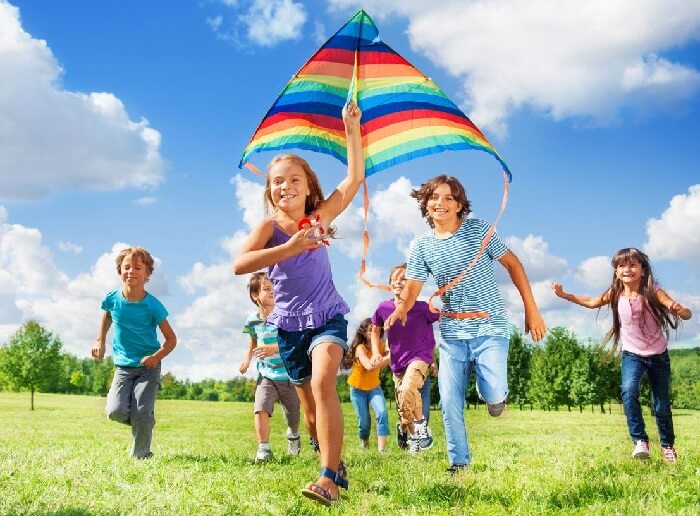
Galicia's traditional games are a cultural expression of the region. There are a great many games that are quite common across the provinces and are also shared with other autonomous communities.
Each of Galicia's provinces has its own games or adaptations of them, which makes the cultural contribution even greater. Over the years, with the rise of technology, many are in danger of extinction. However, many institutions ensure that they endure.
It is always important for parents and grandparents to dedicate time to passing on these games to the youngest at home. They are inexpensive games played with materials gathered from nature and practised outdoors. So in summer, we recommend including some of these traditional Galician games in your routine to keep the tradition of dozens of years alive.
Traditional Galician games for children
Children are the main players in this kind of games, which is why there is a wide list of ideas for the little ones to have fun. These are the most popular in the autonomous communities of Galicia.
Hoop
The hoop is one of the most common in Galicia. It is a simple game that needs a metal hoop and a metal stick, although some use plastic ones. One of its great advantages is that it can be played alone, in pairs or in small groups.
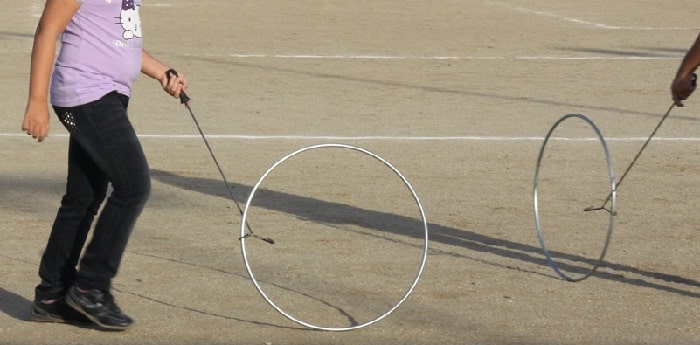
The game is based on who can keep the hoop rolling longest without it falling, and that creates healthy competition among children. Many invent new games from the hoop, such as adding obstacles, distances, time limits, and so on.
Arríncate nabo
This is one of Galicia's traditional games. First, one of the players must be chosen to be the "mother" and a throne is assigned, whatever the imagination allows. When they sit down, the others hold them by the knees, standing or seated, and the catcher tries to pull them apart.
It is a fairly common game for large groups of children, since everyone can join in at once. These are games to enjoy outdoors, especially in summer and spring.
Spinning top
The spinning top is one of Galicia's traditional games popular in every autonomous community and in other countries around the world. They are made of plastic, wood or polyester, with a string to start the game.
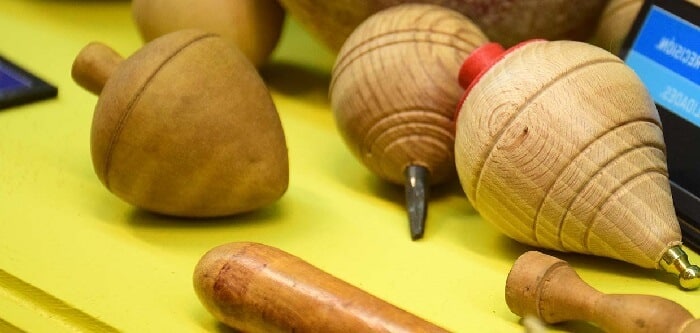
It is one of those games that can be played individually or in a group, and many more techniques and games develop from it, such as spinning the top on the hand, sliding or "top-breaking", among others.
Blind Man's Buff (Pita Ciega)
Pita Ciega is one of the games that has come full circle in history. It went from being a girls-only game to one for everyone and turned into a very inclusive game.
The game consists of someone being blindfolded while standing, while the others form a ring so they can be caught. Many often put on music so the others dance while the game is played.
Tulip
This is one of the traditional games of the Galician region and is one of those that can be played as a group. They are perfect for large groups of children — there is no set number. A group of players run away, chased by another person. Whoever is tagged must stay still with their arms in a cross and legs apart — what is known as the "tulip" position.
The person is frozen in the tulip position; a teammate can free them simply by passing between their legs, while avoiding being tagged by the chaser. The game ends when the chaser manages to freeze everyone, and then it starts again.
Traditional Galician games for adults
Traditional games are not just for children; there are also games for adults. These are some that can be played outdoors and so keep the tradition alive from generation to generation. This way, adults can teach children to play, have fun and keep the tradition going.
These are some of the most traditional ones:
- Chave (key): these consist of a game of aim or skill
- Celtic bowls: one of the most popular in traditional festivities, where you try to knock down the pins.
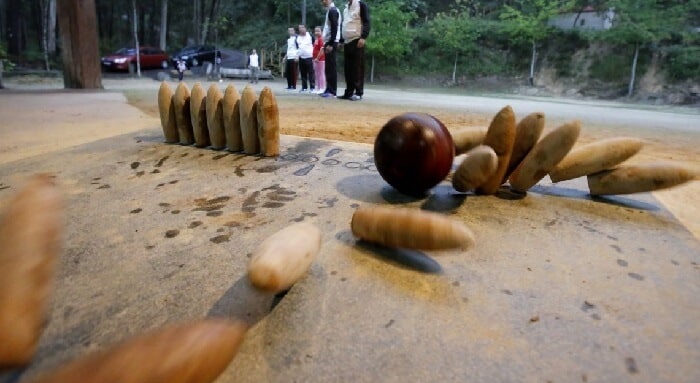
- Clavo (nail): a game of accuracy based on strategy and thinking.
- Billarda: considered the origin of baseball.
Discover Galicia through its traditions
Combine several guided day trips and experience Galicia’s culture, landscapes and local heritage at your own pace.