

Are Galicia Guides Multilingual? What to Know
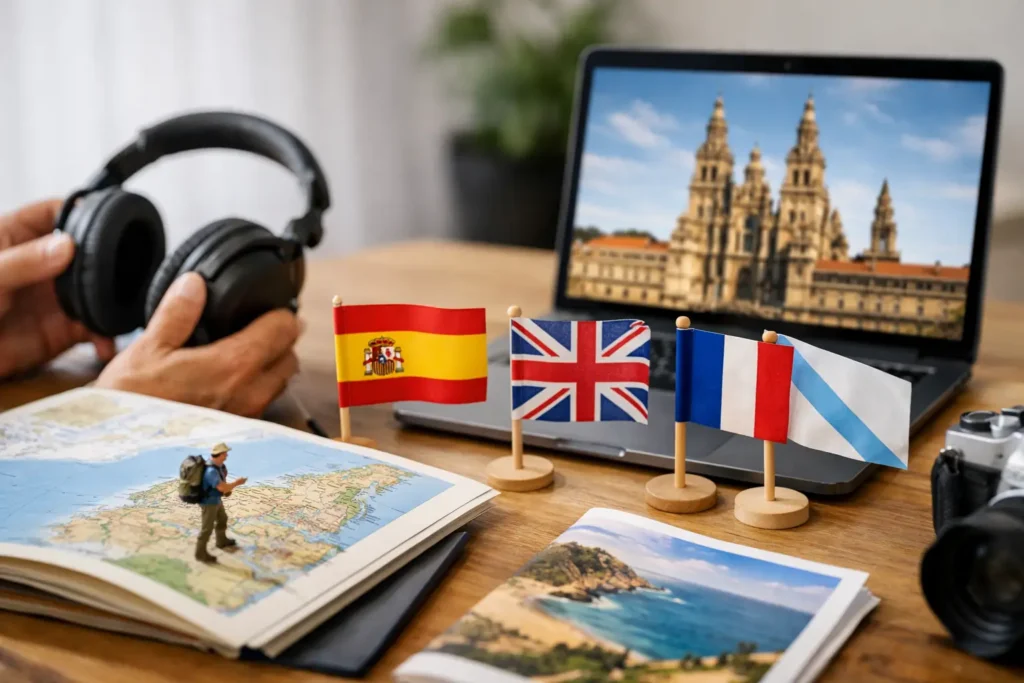
A guide can turn a beautiful stop into a place you truly understand. If you are asking, are Galicia guides multilingual, the practical answer is yes, many guided experiences are designed for international visitors, but the language available can depend on the route, date, group size, and type of tour you book.
Galicia rewards context. The old stones of Santiago de Compostela, the lighthouse at Finisterre, the vineyards of Ribeira Sacra, and the harbors along the Rías Baixas all have stories that are richer when you can follow them comfortably. Choosing a tour in a language you understand means you spend less time translating and more time enjoying the journey with someone who knows the region.
Are Galicia guides multilingual on every tour?
Not necessarily. Multilingual guiding is common on popular excursions and city tours, especially those welcoming visitors from the United States and other international markets. English and Spanish are the most frequent languages, while other languages may be available on selected departures, private tours, or by advance request.
The key distinction is between a tour that is offered in more than one language and a tour where every departure is bilingual or multilingual. Some departures are conducted entirely in English or Spanish. Others may be bilingual, with the guide providing explanations in two languages to accommodate the confirmed group. On less frequent routes or in quieter travel periods, language availability may be more limited.
This is why the tour description and booking details matter. Before confirming, check the language listed for your chosen date, not only the general description of the activity. A clear confirmation helps set the right expectations from the start.
What multilingual guiding looks like in Galicia
A multilingual tour should feel welcoming, not rushed. On a well-organized shared excursion, the guide manages timing, meeting points, transport, and explanations so visitors can focus on the destination. Local guides bring the details that are easy to miss when traveling independently: why a coastal village developed where it did, how pilgrimage shaped Santiago, or what makes an estuary different from an open Atlantic beach.
On a bilingual tour, the guide may share the main explanation first in one language and then in another. This can be a good option if you are flexible and want access to a popular route on a particular day. The trade-off is that commentary can take longer, and there may be less time for follow-up questions in each language.
For travelers who want a more conversational experience, a single-language departure or private guide is often the better choice. It allows for more detailed questions about food, architecture, Camino traditions, local history, or practical recommendations for the rest of your stay.
Shared excursions: practical and social
Shared day trips are ideal for travelers staying in Santiago de Compostela or A Coruña who want to see more of Galicia without renting a car. Routes to Finisterre and Costa da Morte, Rías Baixas and A Toxa, Ribeira Sacra, or Playa de las Catedrales involve long distances and several planned stops. Having transportation and a local guide organized for you makes the day simpler.
Language arrangements on shared excursions are based on the scheduled departure and the travelers booked. If traveling in English is essential, select an English-language option whenever it is shown, and review the booking confirmation carefully. Do not assume that a tour marketed to international visitors will automatically be English-only.
Private tours: the most flexible option
Private experiences are usually the strongest choice for families, friend groups, multigenerational travelers, and visitors with a specific language need. They can also suit guests who want to set a gentler pace, spend longer at a winery, include a particular village, or tailor the day around mobility and timing requirements.
With a private tour, language can be requested when planning the experience. Advance notice is especially useful for languages other than English and Spanish, because guide availability must be matched to your date and itinerary. This is also the best format if some members of your group speak different languages and need a solution that keeps everyone included.
How to choose the right language option before booking
A few minutes of planning can prevent disappointment on the day of your tour. Start with the activity page and look for the language stated in the itinerary or booking section. Then consider how you prefer to travel: are you comfortable in a bilingual group, or do you want the guide's full attention in one language?
Check these details before you reserve:
- The language confirmed for your selected date and departure time.
- Whether the tour is single-language or bilingual.
- Whether live guiding is included throughout the experience, including transport and stops.
- Whether you need to request a language in advance for a private or customized itinerary.
- The meeting point, tour duration, and return time, particularly if you are arriving by cruise ship.
For a cruise stop in Vigo or A Coruña, timing is as important as language. A multilingual guide is valuable, but the itinerary also needs to fit safely within your ship's schedule. Choose an experience with a clear departure point, coordinated transportation, and a planned return that accounts for the time you need to get back to port.
Why local guides make a difference beyond translation
Speaking your language is only part of good guiding. The best guide also knows how to explain Galicia in a way that feels relevant to you. They can connect the shell symbols on the Camino with the pilgrims you see in Santiago, explain why seafood is central to the Rías Baixas, or describe the weather and maritime traditions that shaped the Costa da Morte.
That local knowledge is particularly useful on full-day routes, where the landscape changes quickly. On the drive from Santiago toward Finisterre, for example, a guide can give meaning to the stone granaries, small towns, forests, and coastline between the headline stops. At Ribeira Sacra, the story is not only the dramatic river canyons but also the heroic vineyards, monasteries, and generations of work on steep terraces.
A guide should also make the day easier. They can help clarify free time, point out practical facilities, recommend what to try at a local stop, and adjust the rhythm when conditions change. Weather can be unpredictable in Galicia, especially along the Atlantic coast. An experienced local guide knows when a viewpoint is at its best and how to keep the itinerary enjoyable if rain or wind arrives.
Questions travelers often ask about language on Galicia tours
Will the guide speak English?
English is widely offered on tours designed for international visitors, especially on popular routes and city experiences. Still, always verify the language for the exact departure you want. Availability can vary by season and booking demand.
Can I book a tour if I speak only English?
Yes. Look for an English departure or ask about an English-speaking private experience. If a bilingual format is listed, decide whether you are comfortable with explanations shared in more than one language before reserving.
Are tours suitable for mixed-language families or groups?
They can be, but a private tour is usually the clearest solution for groups with different language needs. It gives you more control over the guide language, stops, and pace of the day.
Should I ask about language before booking a cruise excursion?
Yes, particularly when your time ashore is limited. Confirm both the guide language and the planned return schedule. That way, you can enjoy your visit without watching the clock at every stop.
Tour Galicia helps travelers experience the region with local guides, organized routes, and clear booking information, whether you are joining a city walk, a full-day excursion, or a shore experience. The right language option is not a small detail: it is what lets the legends, landscapes, and everyday character of Galicia come through naturally.
When you choose your date, take one extra moment to confirm how the tour will be guided. Then you can step onto the bus, into the old town, or onto the coast ready to listen, ask questions, and enjoy Galicia with someone who knows it.
Explore Galicia with a local guide
Choose a day trip, city tour or private experience and confirm the available language for your selected date.