

Essential Things about Galicia
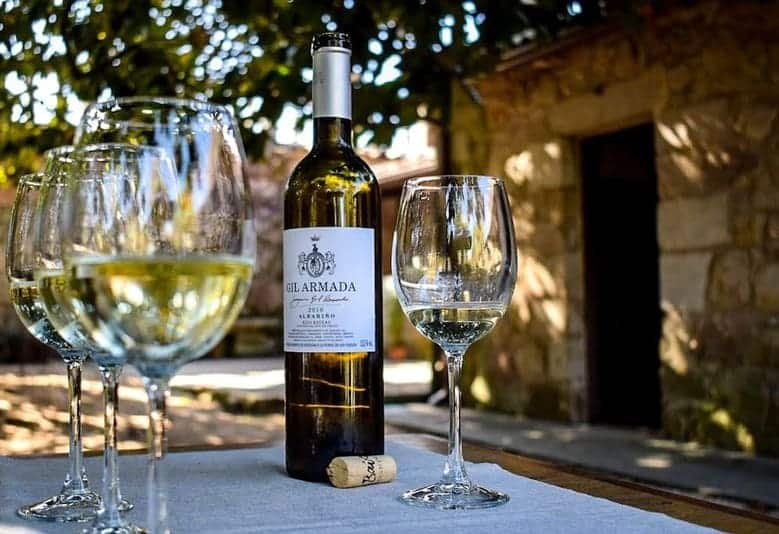
There are many essential things about Galicia — a green land of roaring rivers and fragrant eucalyptus forests, of noble palaces and pristine beaches that look straight from the Caribbean. Here's a tour of them all.
Essential things about Galicia
Forget flamenco and paella — this distinctive region is coloured by its rich Celtic heritage, by locals who play the bagpipes and speak a unique language called Galician.
And there's also the famous seafood and wine. Meals that will keep you going through the days. And the famously proud and welcoming people who'll go out of their way to make sure you enjoy your route through Galicia.
Welcome to the world of Albariño
Say "Galicia" to any Spanish wine lover and the first thing they'll think of is the region's Albariño white wines.
Home to the revered Rías Baixas Denomination of Origin, this green landscape uses its stormy climate to produce one of the best white wines in the world — an essential thing about Galicia.
With its refreshing acidic taste, Albariño is absolutely perfect with fish and seafood — convenient, since Galicia is famous across Spain for the country's best seafood.
Walking to Santiago de Compostela
Galicia's capital has an almost mythical status worldwide. Beyond having one of the world's oldest universities, it's the final destination of the Camino de Santiago pilgrimage.
Hundreds of thousands of pilgrims make their way here every year. Arrival marks the end of weeks or even months of introspection, stunning landscapes and more than a few aches.
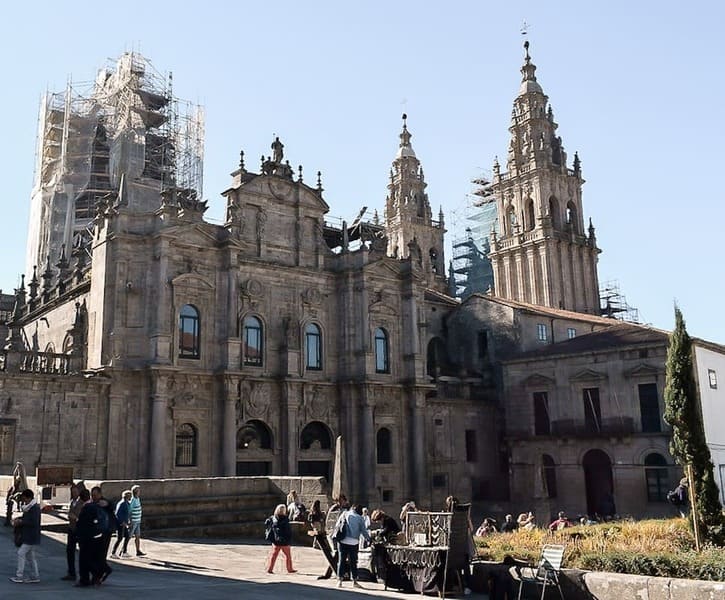
The Old Town of Santiago de Compostela
Another essential — Santiago is a city you can wander aimlessly for days and still stumble on hidden corners. Whitewashed walls and exposed stone, red tiles and brave palm trees. Small shops, bars and restaurants line the cobbled streets and narrow alleys.
The iconic Cathedral of Santiago de Compostela
The cathedral's Gothic spires and imposing façade are iconic. The interior is equally impressive, with bright frescoes and gilded furnishings. It is, after all, the final resting place of Saint James the Greater, one of the 12 apostles of Jesus.
You can tour the cathedral and its upper floors and terraces for spectacular views, plus the museum.
Pazo de Galegos
About 15 km from Santiago, this rural mansion houses one of Galicia's oldest vineyards and has a colourful history. The vines belonged to writer Antonio López Ferreiro — canon of Santiago Cathedral and founding member of the Royal Galician Academy. He was even responsible for discovering Saint James's tomb.
Dive into Galicia's famous seafood in Vigo
Daily life in the charming port city of Vigo revolves almost entirely around the sea. Famous for its thriving fishing industry — see why Galicia is so regarded for the best seafood restaurants.
The exceptional fish quality is the result of coastal upwelling, making the waters extremely nutrient-rich. Add a few bottles of Albariño and you may not want to leave...
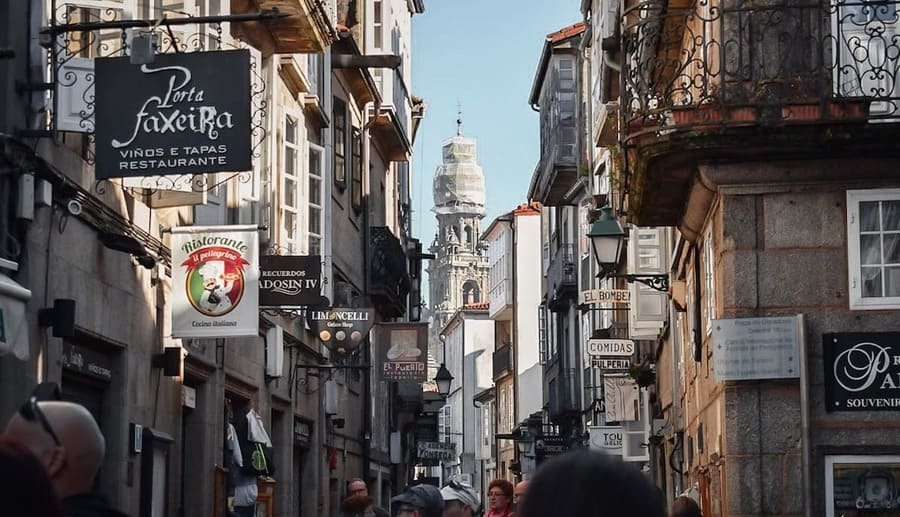
Plaza de la Constitución, the heart of Vigo's old town
Vigo's old town smells of the sea — perfect to enter the local lifestyle. Find a sunny terrace and order a drink. Every drink comes with a small free tapa.
Oyster Street
Rúa da Pescadería, or "Oyster Street", is a must in Vigo. Order drinks from the bar owners, then oysters from the women on the street. Drizzle with lemon and pair with wine.
Eat like a sailor in Bouzas
Vigo's old fishermen's neighbourhood. Locals eat fresh, affordable seafood. Try squid in its ink and the classic pulpo a la gallega. Don't miss the lobster rice and house wine served in huge clay jugs.
Live like a king in Cambados
A small gem in Pontevedra — natural beauty, historic buildings, an imposing palace, local wines and great people.
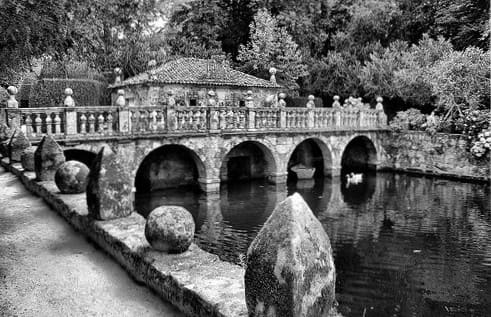
Pazo de Fefiñanes
The 16th-century palace built by Don Juan Sarmiento Valladares, advisor to King Philip II. Passed to the Marquises of Figueroa, whose descendants still live here. Wide bedrooms and dining rooms seemingly untouched for centuries. An impressive rooftop terrace on the fortress-like tower offers spectacular views.
Secret gardens
Storybook Baroque gardens transport you to a time of melancholic romance — boat ponds, hidden cosy corners for romantic interludes, intricate mazes, thriving vegetable patches and glorious sculptures.
Castro de Santa Trega Archaeological Site
The highlight — hiking up Mount Santa Trega through pine and eucalyptus forests to the ancient Castro de Santa Trega site, inhabited between 100 BC and 100 AD and surprisingly well preserved. Its elevated position offers spectacular views over the Miño estuary into Portugal.