

Finisterre Tour Duration and What to Expect
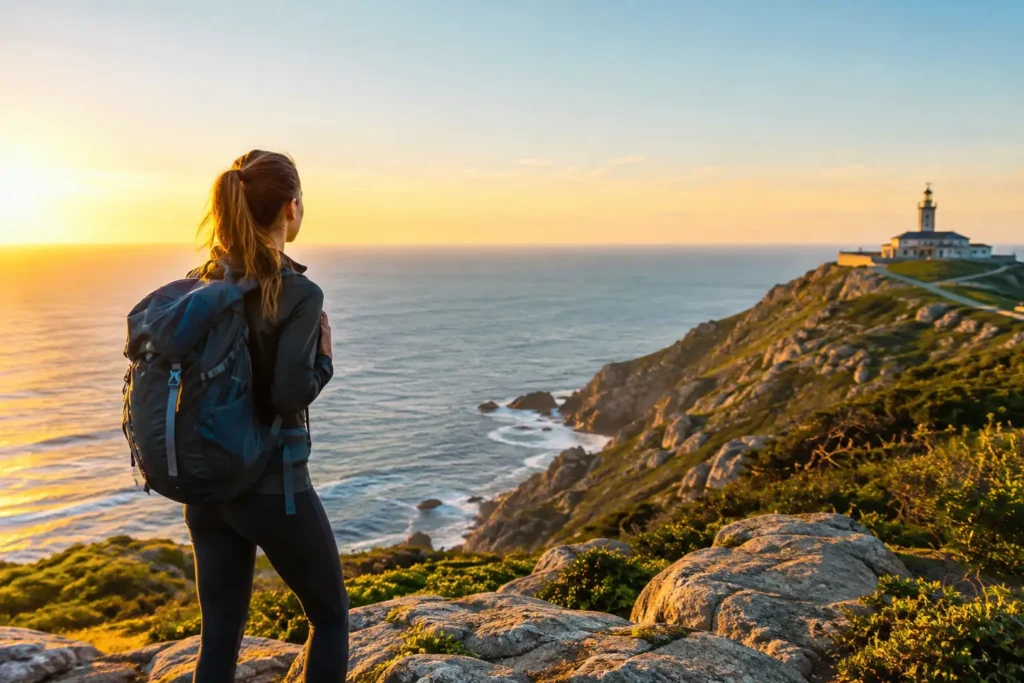
The right Finisterre tour duration is usually a full day, not a quick stop between breakfast and dinner. From Santiago de Compostela, reaching this dramatic stretch of the Costa da Morte takes time, and that is part of the experience. The route passes through fishing villages, estuaries, Atlantic beaches, and some of Galicia’s most striking coastal scenery before arriving at Cape Finisterre.
For most visitors, plan on approximately 9 to 10 hours for a guided excursion from Santiago. That allows enough time to enjoy the coast without turning every photo stop into a race. If you want to add Muxía, longer walks, or a relaxed seafood lunch, a private itinerary or an overnight stay may be the better choice.
How Long Is a Finisterre Tour From Santiago?
A standard day trip to Finisterre from Santiago de Compostela generally lasts between 9 and 10 hours, including transportation, guided stops, free time, and the return journey. The drive to the cape is not especially long in mileage, but coastal roads and worthwhile stops along the way make this much more than a simple transfer.
Expect roughly 1 hour and 30 minutes to 2 hours of driving each way, depending on the exact route, traffic, and weather. A well-planned excursion breaks up that travel time with places that explain why the Costa da Morte has such a strong identity: granite villages, working harbors, long beaches, and a coastline shaped by the Atlantic.
Trying to do Finisterre in half a day from Santiago is possible only in a very limited sense. You could reach the lighthouse, take a few photos, and return, but you would miss the landscape and local stories that give the destination its meaning. For travelers without a rental car, a full-day organized trip is usually the most comfortable and efficient option.
What Fits Into a Full-Day Finisterre Itinerary?
The exact order of stops changes by tour and season, but a satisfying day normally combines inland Galicia, the coast, and Cape Finisterre itself. The point is not to spend every minute at the lighthouse. It is to understand the journey toward it.
Ponte Maceira and the road toward the coast
Many routes begin with a stop near Ponte Maceira, a small historic village known for its stone bridge, river setting, and traditional Galician architecture. It offers a quieter contrast to Santiago and gives the day an easy start before the coastline becomes the focus.
Not every itinerary includes the same inland stop, and that is reasonable. Weather, group timing, and seasonal daylight can affect the route. What matters is that the journey includes time to see the Galicia between the city and the cape, not only the final viewpoint.
Muros, Ézaro, or another coastal highlight
A full-day trip often includes a coastal town or natural landmark before Finisterre. Muros is valued for its old fishing-port character, while the Ézaro area is known for the meeting of river, waterfall, and ocean. Some routes also make time for Carnota Beach or the hórreos, the distinctive raised stone granaries found across rural Galicia.
These stops are where tour duration makes a real difference. A 10-hour day can leave room to step onto the sand, look across an estuary, or have a coffee in a harbor town. A shorter schedule often means seeing the coast from the bus window rather than experiencing it.
Cape Finisterre and the lighthouse
At Cape Finisterre, visitors usually have free time to walk around the lighthouse, take in the open Atlantic, and see the kilometer-zero marker associated with the Camino de Santiago. For many pilgrims, reaching this point feels like an emotional extension of the Camino, even though Santiago is its official destination.
Allow at least 45 minutes to an hour here if you want to enjoy it properly. Wind and fog can arrive quickly, so the view may be clear, moody, or completely wrapped in mist. Each version has its appeal, but coastal conditions can influence how long you choose to stay outdoors.
A local guide also adds useful context. Finisterre was long considered the end of the known world, and its name comes from the Latin for “end of the earth.” Technically, nearby Cape Touriñán extends slightly farther west, but Finisterre remains the symbolic destination for travelers and pilgrims.
Is 9 to 10 Hours Enough for Finisterre and Muxía?
It depends on what you expect from the day. A combined Finisterre and Muxía excursion can work within a longer full-day schedule, often around 10 to 11 hours, but it will naturally leave less free time at each location. This is a good choice for travelers who want to see the two most iconic capes of the Costa da Morte in one day.
Muxía has a distinctly different atmosphere from Finisterre. Its Sanctuary of A Barca sits directly beside the Atlantic, surrounded by massive granite rocks and sea views. The setting is tied to local religious tradition and feels especially powerful when the ocean is active.
Choose a Finisterre-only route if you prefer a slower day, want more time in coastal villages, or are traveling with young children, older relatives, or anyone who does not enjoy long days on the road. Choose Finisterre and Muxía together if you have limited time in Galicia and would rather see more of the coast, even at a faster pace.
Timing Your Day: Departure, Meals, and Return
Most tours from Santiago depart in the morning and return in the late afternoon or early evening. The exact time varies with the itinerary and season, but visitors should avoid scheduling a dinner reservation, train, or flight immediately after the expected return. A small time cushion makes the day much more relaxed.
Lunch arrangements vary. Some excursions include a stop with free time to eat, while others may allow guests to bring snacks or choose from local cafés. If a seafood meal is high on your list, check whether the itinerary provides enough time for it. Galicia’s coast deserves more than a rushed plate ordered five minutes before departure.
Bring water, a light snack, and an extra layer even in summer. The temperature at Cape Finisterre can feel cooler than in Santiago, especially with wind from the Atlantic. Comfortable shoes are also worthwhile, as lighthouse paths, village streets, and natural viewpoints can be uneven.
When a Private Finisterre Tour Is Worth the Extra Time
A shared group tour is ideal when you want transportation, route planning, and the insight of a local guide without managing the logistics yourself. It is also an excellent option for solo travelers, couples, and small groups who want a clear schedule and a reliable return to Santiago.
A private tour becomes especially appealing when your priorities are more specific. You may want longer at Ézaro, a lunch reservation in a particular village, photography time at sunset, or a route adapted for children or reduced mobility. Private travel gives you greater control, but it requires a larger budget and should be planned around realistic driving times.
For cruise passengers, the calculation is even more precise. The itinerary must fit the ship’s port schedule, include comfortable margins for the return, and avoid overloading the day. A coastal experience can be memorable without attempting to see every corner of western Galicia in a single shore excursion.
How to Choose the Right Duration for Your Trip
Before booking, look beyond the headline destination and check the total hours, departure point, included stops, meal time, and expected return. A tour labeled “Finisterre” may focus only on the cape, while another may also include villages, beaches, waterfalls, or Muxía.
For a first visit from Santiago, a 9- to 10-hour guided day trip offers the best balance. You get the major landscapes of the Costa da Morte, time at Cape Finisterre, and the comfort of returning without navigating unfamiliar roads after a long day. With Tour Galicia, travelers can experience this part of the coast with guides who know the territory and logistics organized from the start.
Leave room in your Galicia itinerary for the road as well as the destination. At Finisterre, the changing light, the villages before the cape, and the Atlantic at the edge of the map are what make a full day feel well spent.