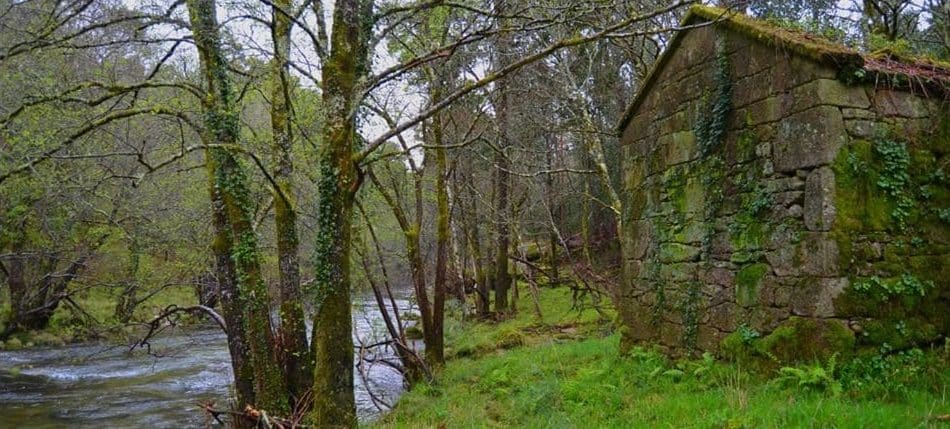

Galician Villages with Names Hard to Forget
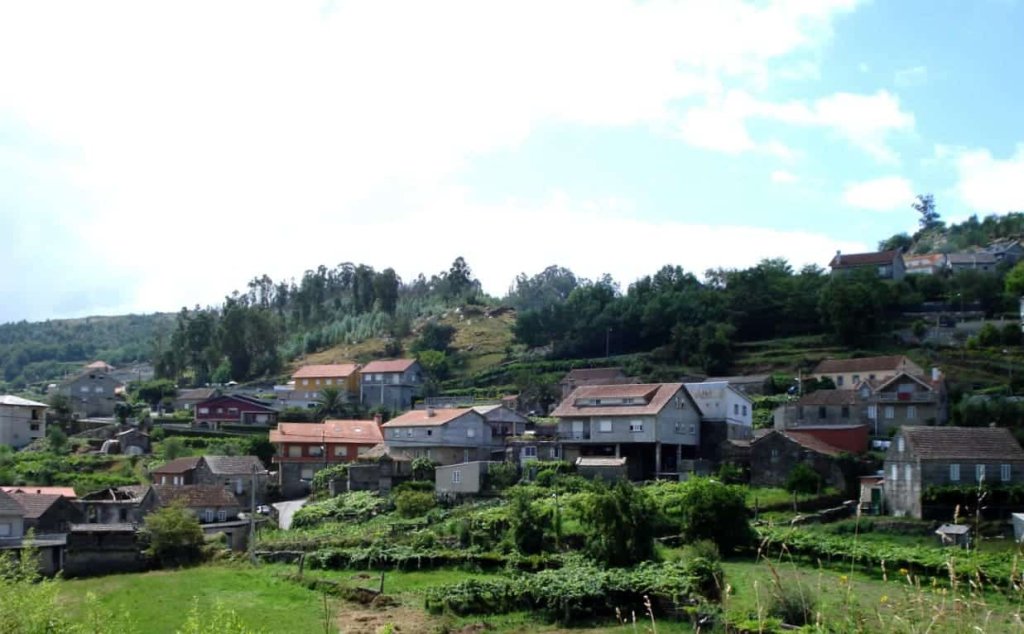
Picture this. You travel and go anywhere you have to give your details — a hotel, for example. When asked where you're from, you say: "I'm from Mullerboa", "I come from O Eido do Macho" or "my village is Cabeza de Boi". What face do you think the receptionist will pull? It'll probably make them smile, and they'll take their time forgetting the Galician villages. Those place names — across the Arousa and Pontevedra regions — are wonderfully charming.
Galician villages where anyone would want to live
Let's start with places where anyone would want to live.
Who wouldn't want to live in paradise? Easy. Just head to Portas and in the parish of Santa María de Portas you'll find Paraíso. Its inhabitants' luck is only matched by some neighbours in Meis — in this amphibious land where it usually rains three days and clears one, their place might be free of weather woes and is called Granxa do Sol (Sun Farm), in Paradela parish.
If you go to Meis looking for curious place names, don't leave without visiting Cabeza de Boi (Ox Head) or Casillaflor (which doesn't show its meaning but sounds pretty). When tired and wanting to complain, head to Ai (Ouch) in San Lourenzo de Nogueira.
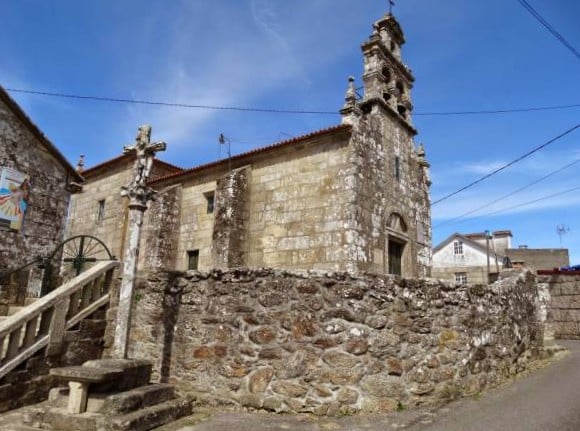
Galician villages curious for their meaning
Many curious village names were probably used to mock someone. Hence A Porta da Coxa and O Teso, in Pontevedra. Across 15 rural Galician villages, the municipality is full of names with curious origins. A Piolla is one of them. There's even a Matalobos, like the well-known TV series.
Villages to approach carefully without leaving Pontevedra — even one perhaps best visited with money, since it's called Cara (Expensive).
In other places, name alone calls for caution. In Ribadumia, in Lois parish, sits Trastada (Trickery). Within the same municipality is Rabuñade. Be careful.
References to the animal world bring more joy. In Meaño they have Ratón (Mouse); in Poio they have Serpe (Snake) and in O Grove a curious one with a surname and all: Balea Marítima (Maritime Whale).
Then there's the dead-related angle. Gatomorto (Dead Cat) in Pontevedra, even split into Gatomorto Upper, Middle and Lower. And A Ramorta in Bueu, equally departed.
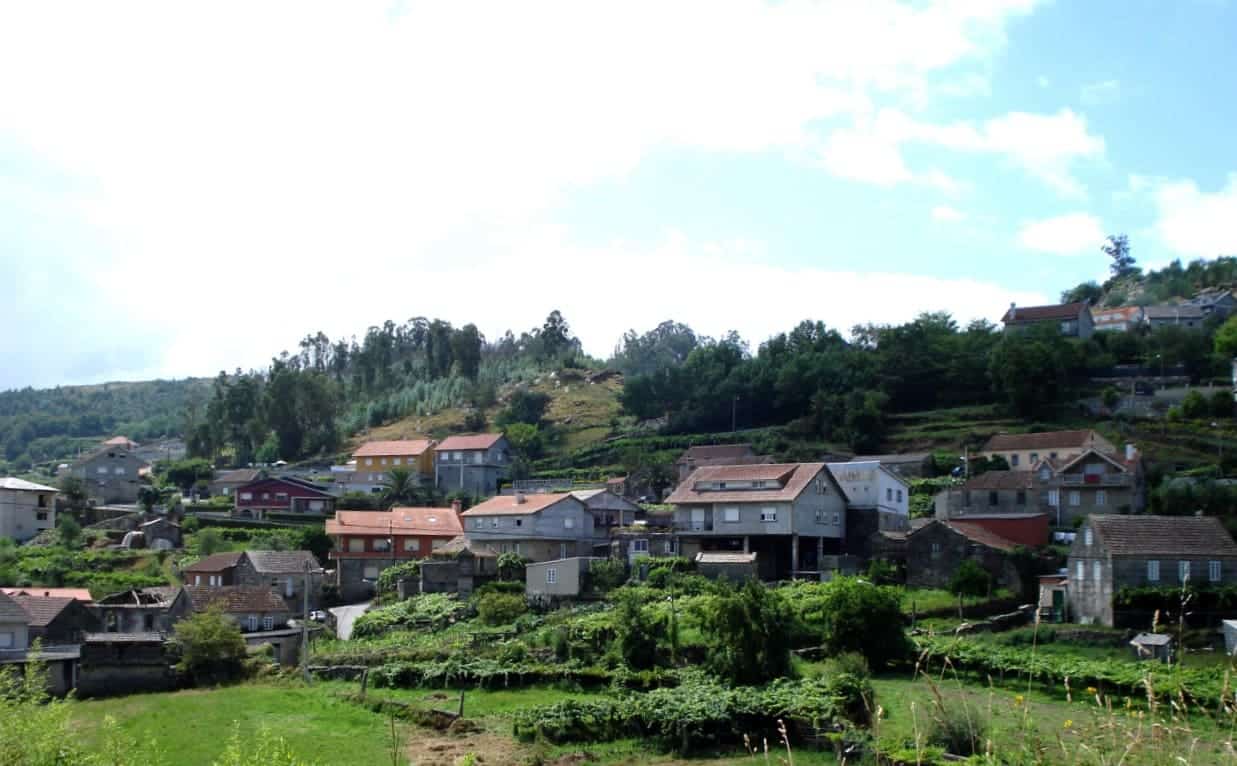
Sometimes it's about sound. Subjective, but some places sound like music. Almost violins. Examples: Trobisquido and Viliquín in Meaño, or Guldrigáns in Cuntis.
With others, the opposite. Saying their name aloud without knowing the origin doesn't sound too good. For example, O Cagaxol in Pontecesures. If you go there you might think it'd be better called A Pasada, like the spot in Moraña — because O Cagaxol, odd as it sounds, is also way too pretty.
Sometimes the name invites you to know the place because someone might offer something, as in As Veigas de Almorzar (Lunch Fields).
And other Galician villages tempt to see if they truly scare, like O Portamedos (The Fear Door) in A Lama.
List of place names
The list is long. Some villages might better not even be mentioned — surely all has been said about them. In Samieira parish, Poio, it's been published.
So if you want unforgettable village names, Galicia is your place — make a Galician route to enjoy not only the names but also their tireless beauty.