

History of Galicia
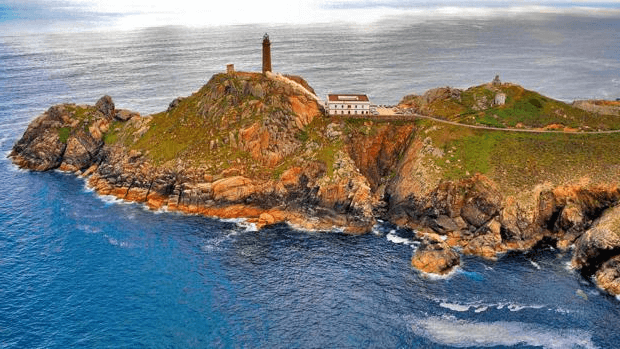
Before becoming what it is today, many events unfolded on these lands that shaped the history of Galicia. Transcendent religious, political, economic and social events built the foundations of this autonomous community located in the north-west of the Iberian Peninsula.
Galician culture is one of the richest in the country, which is why it has endured through the years. Since prehistory, this space became relevant and remained so in the centuries that followed; for that reason, no matter which city of this community you visit, you will always find places, monuments and museums that bring the history of Galicia back to life.
Telling every step of this territory's development is no easy task, so here we will tell you the most important events, so no detail escapes you if you decide to set off on a trip to Galician lands.
Celts and Romans: the start of development
Although there were already original inhabitants on these lands, the development of the History of Galicia can have its starting point with the arrival of the Celts. By the 6th century BC, the Celts mingled with the natives and began building the hillforts (castros). Thanks to the Celts the name "Galaicos" was born, which would later become Galicia.
The Roman Empire would arrive at Finisterre in the 3rd century BC, and with it would bring to the Galaic peoples part of its culture through Christianisation, a new territorial organisation, a new language and the start of the first trade routes.
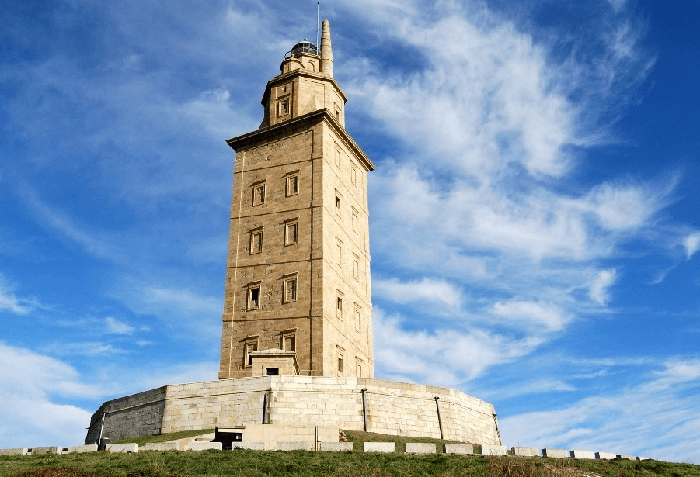
The Romans built the Lighthouse of A Coruña, also known as the Tower of Hercules. Today, it is the oldest Roman lighthouse still in operation and, fortunately for us, it managed to survive time and battles so we can visit it.
The myth of the Apostle Saint James
The 7th century came with the creation of the myth of the Apostle Saint James, one of the most important milestones in the history of Galicia. The pilgrimage of a great many faithful who to this day follow the Way of the Stars to Santiago de Compostela created the first connection of Galicia with Europe.
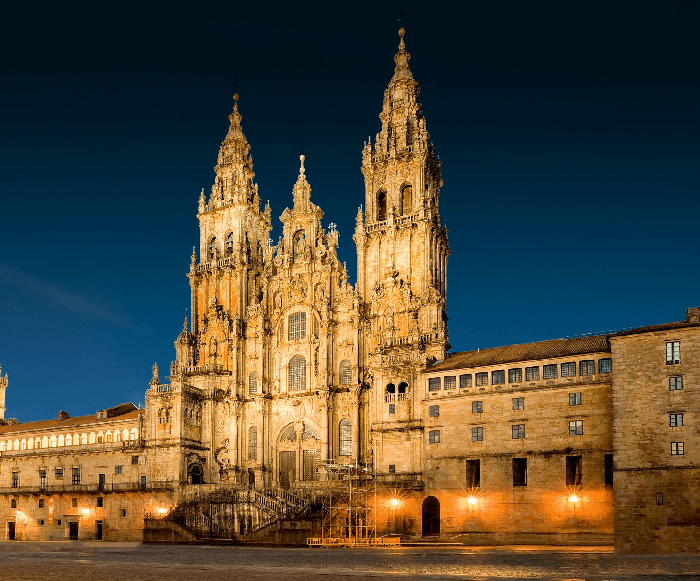
According to the myth, the remains of the apostle Saint James were brought by his disciples to the Galician coast to be buried. The tomb of the apostle was discovered during the reign of King Alfonso II of Asturias, who would order the building of the Cathedral of Santiago de Compostela.
The Cathedral is the end point for pilgrims of the Way of Saint James. Since the discovery of the apostle's remains, millions of Christians from all over the world have walked the Jacobean route or the French Way.
The Crown of Castile and the first revolution
Feudalism, in the 12th century, and the arrival of the Cistercian monks were the engines of Galicia's economy. In this stage of the history of Galicia people worked the crops, mostly wine, while the feudal lords imposed a system of rents that remained in force during much of the medieval period.
However, the most influential event of this era was the full integration of Galicia into the kingdom of Castile. This happened in 1230 under King Ferdinand III and completed the annexation of Galicia, Castile and León. According to various historians, the union would turn the kings into imperialist rulers who acted against the independence of the peoples.
The Irmandiño Revolt
It was not until the 15th century that the first revolution in the history of Galicia took place. Led by the Irmandiños, it is possibly the largest social revolt in Europe in this century and brought down most of the nobles' fortresses.
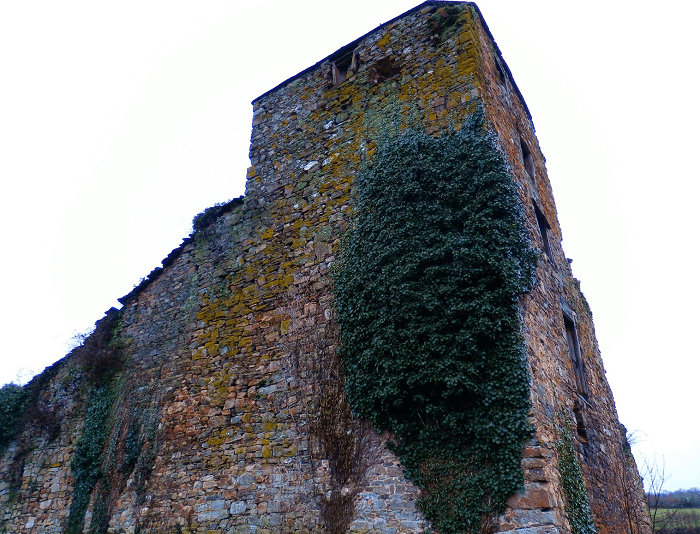
The people suffered hunger and epidemics that drove them to rise up against the nobility, which was seizing their harvests. By 1451 the peasants managed to bring down some fortresses, such as those of the estuaries of Pontevedra and Arousa.
Galician emigration
Without doubt, one of the most notable phenomena in the history of Galicia was the massive migration to the American continent. The reasons for this Galician movement are many, but part of the main reason was the exponential growth of a population that had no options to support itself in an economy that was not fully industrialised and was, in addition, cut off from the peninsula's railway networks.
From the late 18th century until the 20th century this migratory event would continue. At this point would also come the last political rebellion of the Galician Kingdom against the Napoleonic invasion. By 1833 the kingdom of Galicia would cease to exist and would adopt the provincial model.
The history of Galicia in modern times
To begin the modern era in the history of Galicia, it is important to highlight the return of democracy to Spain after the Francoist dictatorship. From that point, it was possible to obtain the Statute of Autonomy of Galicia.
After achieving its autonomous status, Galicia has reached a high level of well-being that has allowed the return of many Galicians and the visit of tourists from all over the world who venture to discover everything this destination has to offer.