

History of Porto: A City of Contrasts
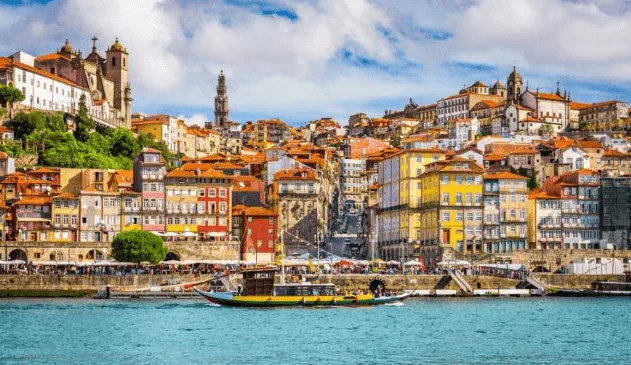
The unquestionable beauty of this wonderful destination has been recognised for generations since the beginning of Porto's long history. This Portuguese city has positioned itself among the favourites of travellers from all over the world thanks to its great tourist appeal.
Its streets, architecture, restaurants and monuments have made it one of the favourite places to visit for tourists. The historical heritage it still preserves is another aspect why many decide to choose Porto for their next holiday.
For a few decades now the city has become more and more modern; however, its traditional charms remain present. If you are interested in learning a little more about the history of Porto, we recommend you keep reading so that you do not miss any detail on your visit.
Ancient History of Porto
Today, Oporto — also known as Porto in Portuguese — is one of the most important and most visited cities in Portugal. Its relevance to the country was built up little by little until reaching the prestige and importance it has today.
The history of Porto goes back to the era of Roman rule which, in that period, was present throughout the Iberian Peninsula. The Roman occupation turned this area into a key point for trade and the connection between Lisbon and Braga, but Porto's true economic boom would come a few centuries later.
In its beginnings, when it was only a small village by the Douro river, it bore the name "Cale". Soon after it began to be known as "Portus Cale", or the Port of Cale, and it is precisely from this union that the country's name, Portugal, comes.
Middle Ages
By the year 456 the Visigoths ruled Porto. King Theodoric II held control of the "Port of Cale" until it was conquered by the Arabs in 616. A hundred years later, King Alfonso I of Asturias would take the place back.
At this point in the history of Porto, the city was almost abandoned; luckily, by the year 880 it was repopulated. In 1096 the County of Portucale was formed, with Porto as its capital, and would later become independent.
Expansion of trade
Maritime trade played a decisive role in the history of Porto. During the age of discovery, Portugal, led by Henry "the Navigator", became Europe's most important area for maritime trade thanks to its ports.
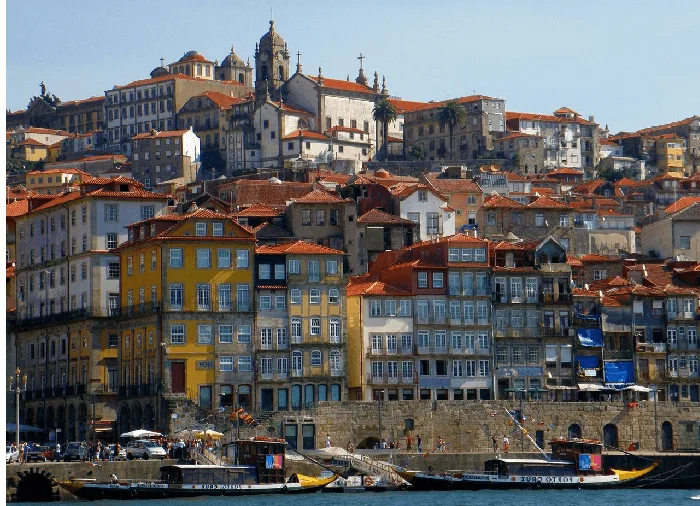
As one can imagine, Porto stood out among the country's docks and became an industrial reference point for the building of ships for expeditions. This "golden" stage in the history of Porto can be considered the start of its great growth as a city.
Modern Age in the history of Porto
From 1580, Spain and Portugal formed the largest empire in the world. At that time Porto supported the Prior of Crato in his attempt to take the Portuguese throne. Years later, the city would also back the revolts that took place in Lisbon and put an end to the union between the two countries.
Even so, the time Spain reigned was very important in the history of Porto. During this period all the senses of the port flourished, above all art. The artistic movement was so notable that the 18th century is considered the "golden age" of Porto.
During this century the port developed enormously. Wine drove its economy and important buildings in Baroque and Neoclassical styles were built. These buildings have endured to the present day and are part of the appeal of the place; they also still host the largest wine cellars in Portugal.
History of Porto today
The modernisation of the city of Porto came with the end of the dictatorship in 1974. One of the best-known bridges, the Arrábida Bridge, was built, and little by little the full potential of this incredible destination would be tapped.
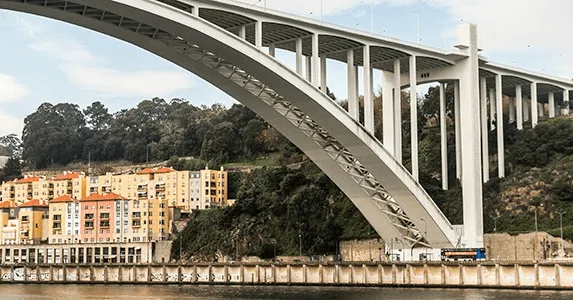
With the Carnation Revolution, the movement that would open the way to democracy, Porto's contemporary history would begin to shine. A few years later Portugal joined the European Union, a fundamental step that helped its modern development.
In these years it would become a cultural capital, which allowed the construction of one of its most emblematic buildings, "Casa da Música", an auditorium located in Boavista.
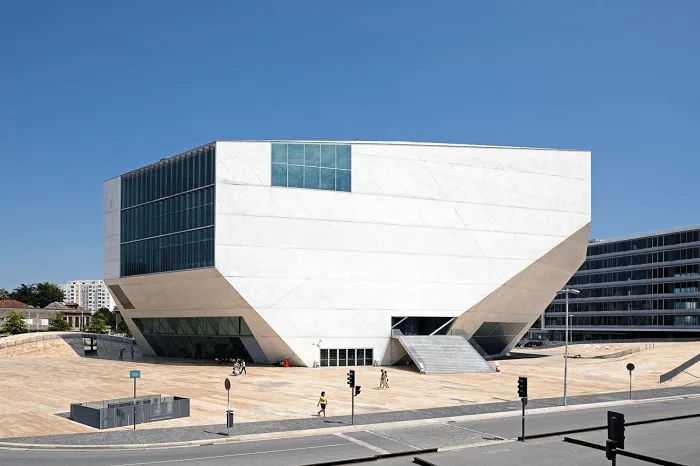
Although today it is not Portugal's leading economic power, it ranks second and is a city of progress. The history of Porto is full of culture and we are now sure that you will be able to put your knowledge to use on your next visit to this charming place.