

How to Visit Finisterre Lighthouse from Santiago
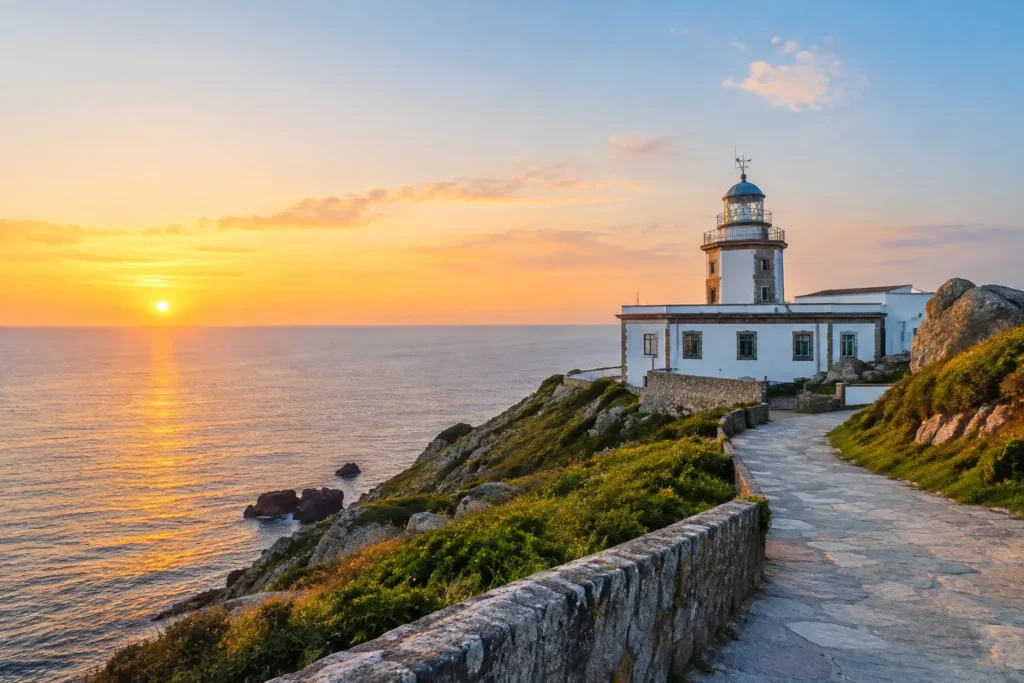
The road ends with a view that feels larger than the map: Atlantic waves striking dark granite, gulls turning in the wind, and the white lighthouse at Cape Finisterre facing the open ocean. If you are wondering how to visit Finisterre lighthouse, the first decision is how much planning you want to take on. From Santiago de Compostela, it is a rewarding full-day outing, but the distance, changeable weather, and coastal roads make a little preparation worthwhile.
Finisterre, also written as Fisterra in Galician, is one of Galicia’s most memorable places. It was long considered the western end of the known world, and today it is the symbolic final point for many Camino de Santiago pilgrims. You do not need to be walking the Camino to feel its pull. Come for the scenery, but allow time to understand the coastline around it.
Know where Finisterre Lighthouse is
Finisterre Lighthouse stands at Cape Finisterre, on the far western tip of the peninsula. It is about 2 miles from the fishing town of Fisterra and roughly 55 miles from Santiago de Compostela. Do not confuse the lighthouse with the town itself: buses, restaurants, and many accommodations are in Fisterra, while the cape is farther up the road.
The lighthouse is an active maritime landmark, first lit in 1853. Visitors come primarily for the exterior, the cliffs, and the ocean views. Access inside the lighthouse is not generally part of a standard visit, so plan for a scenic stop rather than a museum tour. The surrounding grounds, viewpoints, and interpretive displays are what make the journey special.
The cape is sometimes described as Europe’s westernmost point. Technically, it is not. That distinction belongs elsewhere on the continent, but Finisterre’s historic and emotional significance is real. This is a place of ancient beliefs, maritime history, and Camino traditions, not a geographical record to check off.
How to visit Finisterre Lighthouse: choose your transportation
For most visitors staying in Santiago, a guided full-day excursion is the simplest way to reach the lighthouse. Renting a car offers flexibility, while public transportation can work if your schedule is open and you are comfortable coordinating connections.
Take a guided day trip from Santiago
A guided excursion is often the best choice if you want to see more of the Costa da Morte in one day without driving. The route commonly combines Cape Finisterre with places such as Muros, the Ézaro Waterfall, Carnota Beach, or a traditional coastal village. It turns the lighthouse from a quick destination into the final highlight of a varied Galician day.
This option suits independent travelers, couples, families, and groups who prefer organized transportation and local context. The Atlantic coast has stories that are easy to miss from behind the wheel: shipwreck routes, fishing traditions, local legends, and the meaning of the Camino’s extension beyond Santiago. A guide also handles timing, parking, and route changes if weather conditions affect the plan.
Tour Galicia offers day excursions designed for travelers who want to discover this coastline with local guides and coordinated transportation from Santiago. Check the departure point, duration, included stops, and return time before reserving, especially if you have a train, flight, or other fixed plan that evening.
Drive from Santiago de Compostela
By car, the journey from Santiago to Cape Finisterre usually takes around 1 hour and 45 minutes without extended stops. The route passes through inland Galicia before reaching the coast, and the final stretch has bends, elevation changes, and dramatic views. It is manageable for confident drivers, but it is not the kind of road to rush.
Driving gives you the freedom to stop in Fisterra for lunch, visit quieter beaches, or stay for sunset. Parking is available near the lighthouse, although spaces can fill during summer weekends, holiday periods, and late afternoon. Arrive earlier if you are traveling in high season.
If you drive, designate a driver who is comfortable with narrow coastal roads and reduced visibility. Fog can appear quickly, rain is common outside summer, and nighttime driving after sunset requires extra care. A rental car makes the most sense when you plan to stay overnight on the coast or explore several towns beyond the cape.
Use public transportation
Public transportation is the budget-friendly option, but it requires the most patience. Bus services connect Santiago de Compostela with Fisterra, usually arriving in or near the town rather than at the lighthouse itself. From there, you will need to arrange a taxi, walk uphill, or check whether a seasonal local service is operating.
The walk from Fisterra town to the lighthouse is possible, but it is not a short stroll. Expect approximately 2 miles each way, much of it uphill on a road shared with vehicles. It can be pleasant in mild weather if you have time and suitable shoes, but it is less appealing in strong wind, rain, or after dark.
Bus schedules can vary by season, day of the week, and local holidays. Confirm current departure and return times before building your day around public transit. Missing the last return bus can turn a simple day trip into an unexpected overnight stay.
Pick the right time of day and year
The lighthouse can be visited year-round, and each season offers a different experience. Summer brings longer days, more reliable conditions, and more visitors. Spring and fall often provide excellent light, fewer crowds, and cooler walking weather, though rain is always possible. Winter can be intensely beautiful, with powerful seas and quiet roads, but conditions may be wet, windy, and changeable.
Sunset is the most popular time at Cape Finisterre. Watching the light fade over the Atlantic is unforgettable when the sky is clear, but it comes with a trade-off. Parking is busier, viewpoints are more crowded, and you need a safe plan for getting back. If you are not staying nearby or traveling with an organized group, an earlier visit can be just as striking and much easier logistically.
Give yourself at least 45 minutes at the cape. An hour is better if you want to walk between the lighthouse, the kilometer marker, and the viewpoints without feeling rushed. Visitors on a self-drive itinerary should allow more time than navigation apps suggest, particularly in wet weather.
What to do when you arrive at the cape
Start at the lighthouse viewpoint, where the Atlantic opens in front of you. The building itself is photogenic, but the real atmosphere comes from the exposed landscape. Look down the coast, watch the changing color of the water, and notice how quickly the wind can shift.
Nearby, you will find the zero-kilometer marker associated with the Camino de Fisterra. For pilgrims who have walked from Santiago, it marks the emotional end of a longer journey. For everyone else, it is a useful reminder that this cape has been a destination for centuries.
Please respect the barriers and marked paths. The cliffs are steep, surfaces can be slick, and large waves are dangerous even when the sea looks calm from a distance. Avoid climbing onto rocks for photos or walking beyond restricted areas. The most memorable photos are never worth putting yourself at risk.
If your itinerary allows, pair the lighthouse with time in Fisterra town. Its harbor, seafood restaurants, and small streets offer a welcome contrast to the exposed cape. A plate of local fish or shellfish after a windy visit is one of the simple pleasures of this part of Galicia.
What to bring for a comfortable visit
Conditions at Cape Finisterre are often cooler and windier than in Santiago, even on a warm day. Wear closed, non-slip shoes and bring an extra layer. A waterproof jacket is more useful than an umbrella in strong coastal wind.
Keep water, sunscreen, and a charged phone with you. In summer, sunglasses and a hat help, but secure loose items before stepping out of the car. During cooler months, bring warm layers and do not rely on the forecast from Santiago alone. Check the coastal forecast on the morning of your trip.
There are facilities near the lighthouse area, but choices are limited compared with a city center. Bring any essentials you may need, especially when traveling with children or visiting outside the main tourist season.
Visiting after the Camino de Santiago
Many pilgrims continue from Santiago to Finisterre after reaching the Cathedral. The Camino de Fisterra is about 56 miles and usually takes three to four walking days, depending on pace and overnight stops. It is a separate route, not an automatic final stage of the Camino Francés.
If you have walked to Santiago and want to reach the lighthouse, consider what you need most. Walking offers a slower, meaningful finish, while a day excursion or bus lets you see the cape without adding several demanding days. Neither choice is more authentic. The right option depends on your energy, available time, and the kind of ending you want for your trip.
Cape Finisterre rewards travelers who leave room for the weather and the landscape. Plan the transportation carefully, dress for the Atlantic rather than the city, and give yourself enough time to stand still when you arrive. The lighthouse is easy to photograph, but the lasting memory is usually the wind, the horizon, and the feeling of having reached Galicia’s edge.