

The Largest Cemetery of Sunken Ships in the World
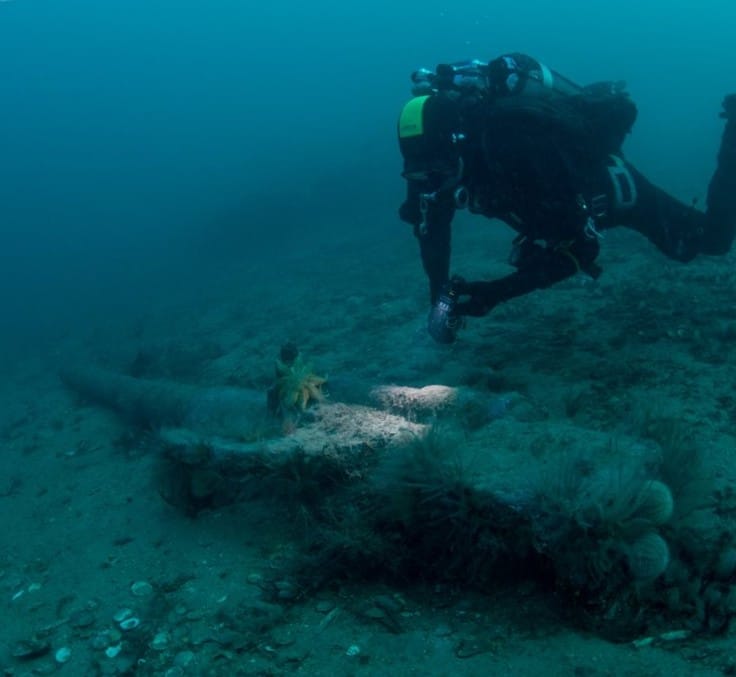
Galicia hosts the largest cemetery of sunken ships in the world — not just a Galician claim, but confirmed by National Geographic and those who study what our waters hide. Many Galician stories still echo with each shipwreck.
The figures are striking. In recent decades, over 1,600 ships have sunk in Galician waters, with specialists estimating up to 8,000 — names like Costa da Morte (Coast of Death) live up to their sinister meaning, a fame that goes far back in time.
A required crossing for fleets for centuries, the Galician coast has also become a graveyard of ships. At least 700 shipwrecks are documented, about 300 considered wrecks of historic interest and protected from looting. To qualify as historic they must have been sunk for at least 100 years.
The latest wreck found on the Galician coast is owed to the Malpica Diving School, which discovered at 24 m depth the remains of the British steamer SS Solway that left A Coruña for America in 1843.
Tribute crosses dot the coast for those who lost their lives at sea. There were unfortunate incidents where Galician heroes risked their lives to rescue the shipwrecked — like the famous heroines of Sálvora.
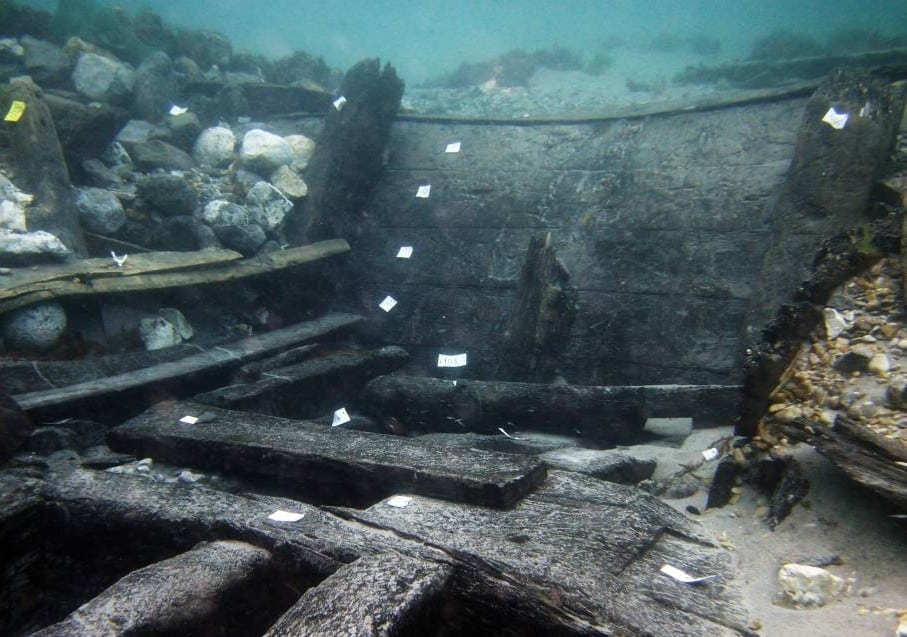
It's not the witches' doing — wrecks are due to the coast's configuration, the winds and currents. Even the warning lighthouses couldn't save many ships and crews. Beneath our waters lie 25 submarines and 50 bombers too.
Galicia during the World Wars
During both world wars, the area was a preferred battlefield and a mandatory crossing for Germans and Britons. Especially in WWII, Germans and Britons fought fiercely in Galician waters — the main route to America.
The Xunta de Galicia, the Navy and the CSIC actively collaborate to explore the vast site. Even so, archaeologists and divers call for more effort from all administrations to study it and to one day build a museum in Galicia dedicated exclusively to the "impressive history of navigation in Spain".
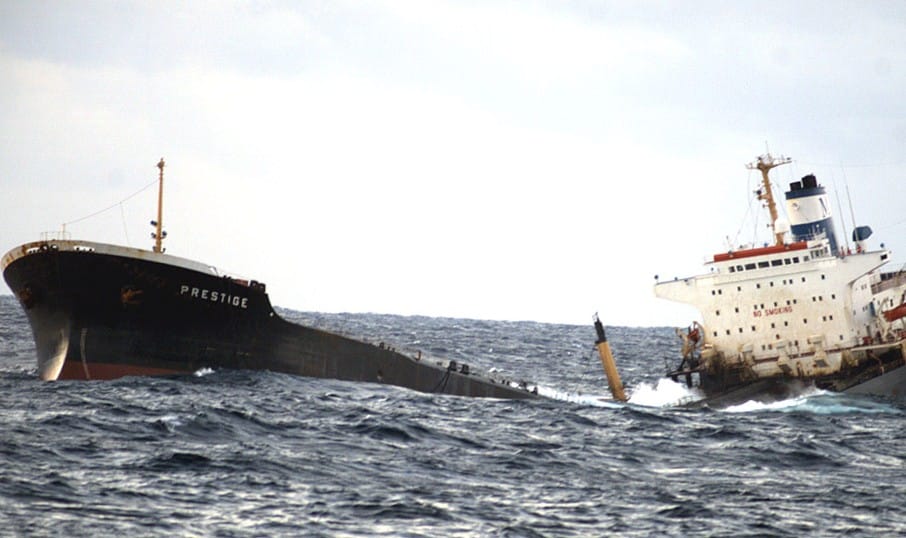
A gigantic cemetery of sunken ships
Two thousand years ago, ships sailing the region crashed against rocks — so typical on the Atlantic corner — dragged by storms, ending sunk. Apparently common, given the high number of ships found. Since 1987, only about 10{0c4b52101edf59c43bd9ea9c33002dad18a168785976cd7d994d2e239557c454} of the wrecks on what may be the most important trade route in history have been found.
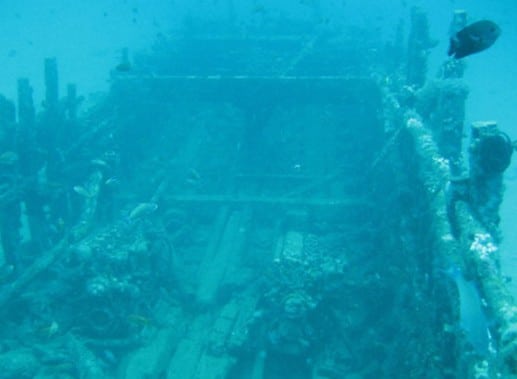
Why so many? Coast configuration, winds, currents. North-east summer winds drove English and Dutch galleons fighting Spain in the 16th century. Two English ships from that era are believed located underwater. Spanish ships tried to use autumn/winter winds to reach the British Isles — storms had other plans.
Critical points: the Costa da Morte, the Cíes Islands area, Rande (due to the historic battle), Costa da Vela, Baiona, the entrance to Vilagarcía and Pena das Ánimas at the entrance to A Coruña.
Steam-engine ships only increased Galician shipwrecks. Vessels shortened distances to save coal and got too close to the sharp reefs along the coast. Storms did the rest.
Today the Galician sea is the world's largest ship cemetery and many see something to leverage as crisis sharpens ingenuity. Nothing more exciting than swimming in Galician waters to see these ships in the depths — definitely worth keeping in mind on your Galicia tour.