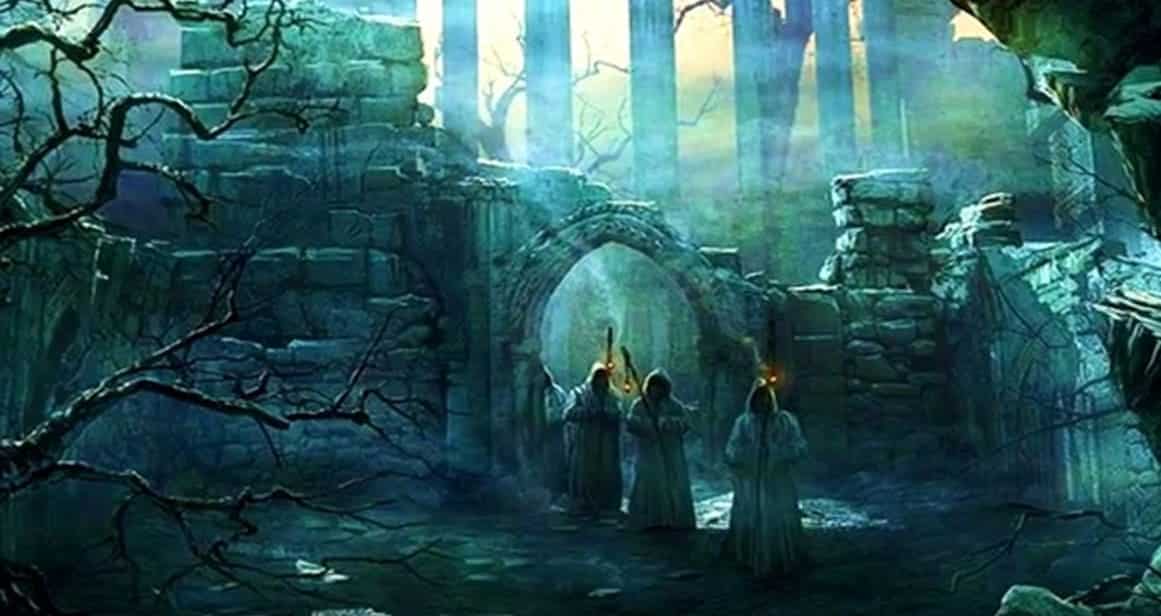

The Most Widespread Galician Legend: La Santa Compaña
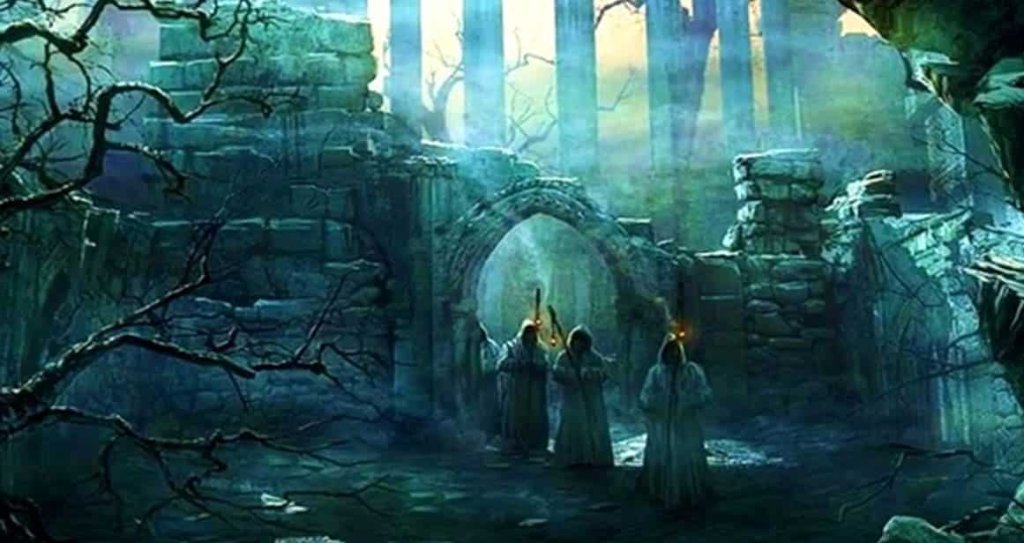
Imagine a group of the dead passing by your house. They sing songs of death and spread a chilling energy that makes your skin crawl. You want to escape but can't — their songs are hypnotic. They're terrifying, but you're curious about what happens next. When they pass, you're not sure if they see you, but you wish you could disappear. This Galician legend is La Santa Compaña, walking ahead of you to announce the death of a new soul that will join their procession.
This mysterious procession of souls has been passing through villages and towns of north-west Iberia, spreading fear for many centuries. Led by a living person, they create the most terrifying manifestation of the dead and the living imaginable.
Galician legend: the roots of a ghost story
A deeply rooted Galician legend much spoken of in north-west Iberia (Northern Portugal, Galicia and Asturias). Each region describes it differently, but the darkness of the story merged everyone's common mindset into the story of La Santa Compaña. It has given many generations sleepless nights, even to sceptics.
The world of spirits seems more connected with the living of north-west Iberia than in many other parts of Europe. La Santa Compaña is so old that no one can remember when it began. So many variations exist that it's hard to find which region is the origin.
Origins remain unknown — though they resemble Odin's Wild Hunt. Celtic mythology specialists also suggest links to Breton processions of the dead. A third link is Wales and the Hounds of Annwn. The Celts' presence in Spain and Portugal is well known, so connections between Celtic regional mythologies make sense.
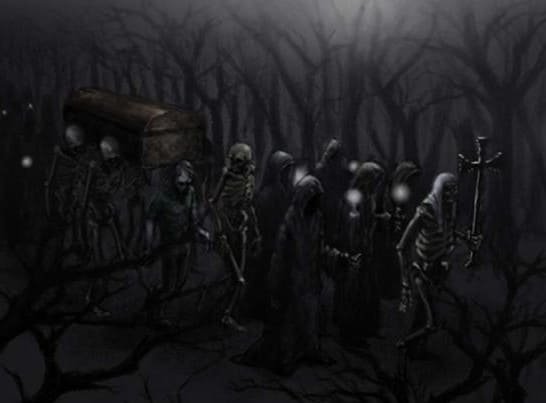
Most have never seen La Santa Compaña, but many claim to have felt its eerie presence. According to Rías Baixas myths, the procession forms two lines, walks shrouded and barefoot, holding candles — passers-by smell burning wax. Others have heard prayers or funeral chants. Small bells accompany the ghostly melodies.
The pilgrimage of La Santa Compaña
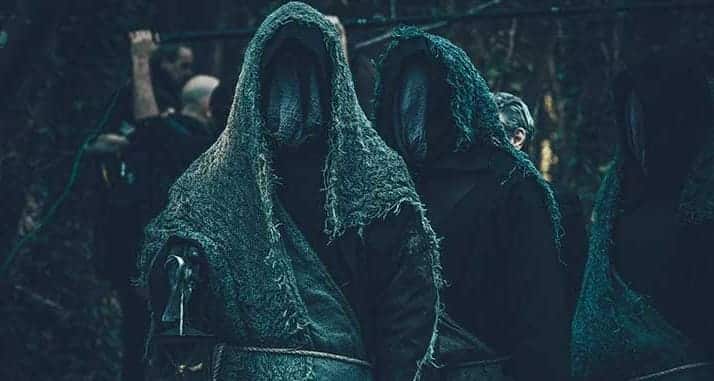
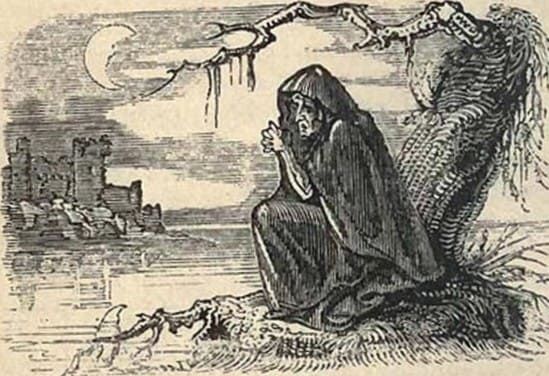
The procession of the dead passes through villages, empty roads, near houses and fields — led by a living person sometimes dressed in a white hooded cloak. According to some, the spirits also wear hooded cloaks. The leader is usually church-related — a parishioner of the church the procession is heading to.
Three main symbols always appear: a cross, a candle and holy water. La Santa Compaña apparently comes to punish people for their bad deeds. Always around midnight, vanishing before the first rays of sun.
Many versions, many names in different regions, but all include a group of tormented souls walking the streets. Names like Estadea, Rolda, Patalla, Avisons, Pantaruxada and As da nuite live in local stories. In some texts, the leader is called Estadea.
The Galician legend: belief in the supernatural
To avoid an encounter, you must find a way to protect yourself. A well-known method is drawing the Circle of Solomon with chalk or salt. A black cat passing by the road also disrupts their plans.
Belief in the supernatural, ghosts and other beings remains strong in Asturias, Galicia and northern Portugal. If you visit Galicia, you'll soon notice how many of these old stories are still alive.