
What to See in Ourense: The City of Water
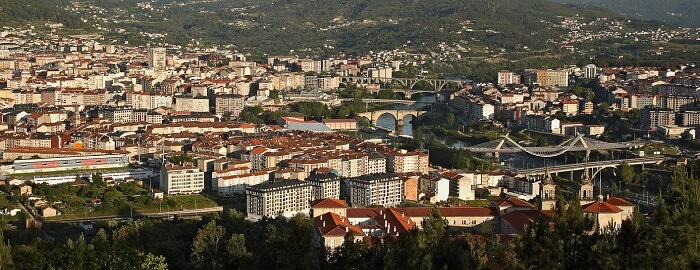
This is one of the Galician cities famous for its thermal, healing waters, which you can find in every corner. But we know that is not the only thing to enjoy in this city, so here we bring you a short guide on what to see in Ourense.
We know that, being the only province with no sea, it is the least visited, but it is indeed full of water. Still, its historic sites are an important part of it, and its churches, squares, museums, bridges and cuisine should all be reasons to visit this beautiful city. Its carnival festivities also draw the attention of many tourists.
This city has a great medieval look that all tourists can enjoy. It is a city with plenty of history, which favoured the first settlements of people, especially the Romans, thanks to the gold the city held in ancient times.
Visit the thermal waters
This city helps you find peace and quiet. Thanks to its well-known thermal waters, you can escape your daily routine, so it is worth adding these waters to your list of things to see in Ourense. One of the best-known spots is the Thermal Route, although there are many more.
These waters are part of the health tourism this Galician province is committed to; it is a place for the whole family. It is a different way to enjoy yourself and relax in waters at 60º that spring up all over the city. These are some of the stations you will enjoy on the Thermal Walk.
This area offers all the benefits of hot mineral-medicinal waters which, the city's inhabitants say, cure infections and ailments, which is why many people immerse themselves in them.
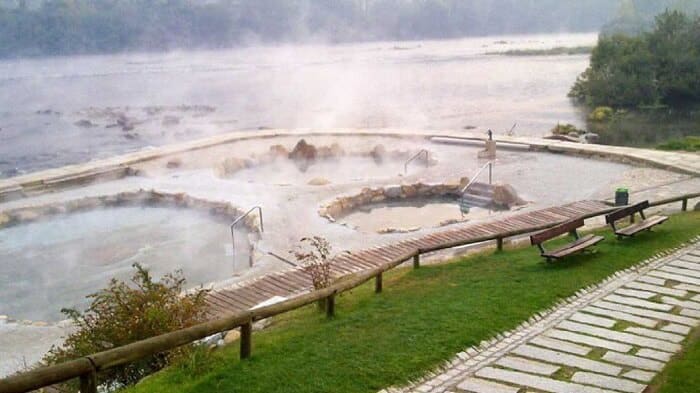
- A Chavasqueira: A public pool with hot waters that spring up at around 41º and have mineral-medicinal properties.
- O Tinteiro: The O Tinteiro thermal spring rises at 43º and is one of the most sought-after for its dermatological properties.
- Burga do Muíño das Veigas: These waters spring up between 65º and 72º, among the hottest in the region. It has four public thermal pools.
- Outariz: It also has four pools, but these spring up at around 61º and are the most used for conditions such as arthritis or rheumatism.
All these pools are open-air and available all year round, although they are most sought-after in winter, because in summer Ourense is one of the hottest cities in Spain. These spaces also have private settings for those who prefer more exclusivity. The best thing about this thermal water walk is that they are on the banks of the River Miño, turning the walk into a great encounter with nature.
Historic sites to see in Ourense
Once you have finished the health tourism, there is always time to get to know the historic sites of this beautiful city. They are lovely places where you will learn a lot about Ourense's identity.
Squares and parks
- Plaza Mayor: A place you cannot miss. It is the centre of the old city, with a medieval air that will take you back to the years of war. You can find the Town Hall and the Episcopal Palace, and enjoy various cafés, restaurants and bars around it.
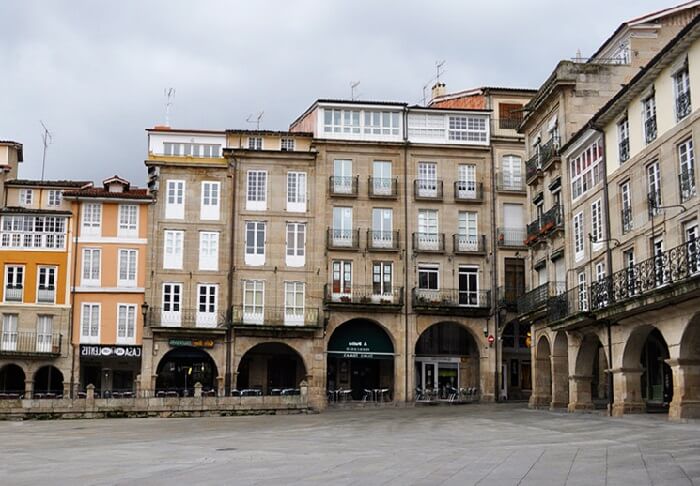
- Plaza do Ferro: It is in a monumental area of the city. It is the cultural epicentre of the city and a space to enjoy good tapas. In earlier years it was the centre of the iron market in the city.
Churches
- Church of Santa María Madre: This church was rebuilt in 1804 to raise one in Baroque style. You will find traces of the old cathedral of Ourense.
- Chapel of the Santo Cristo: The most remarkable thing about this chapel is the Gothic sculpture of a crucified Jesus Christ with natural hair and beard. It is a compulsory stop for all tourists because it awakens great devotion in religious people.
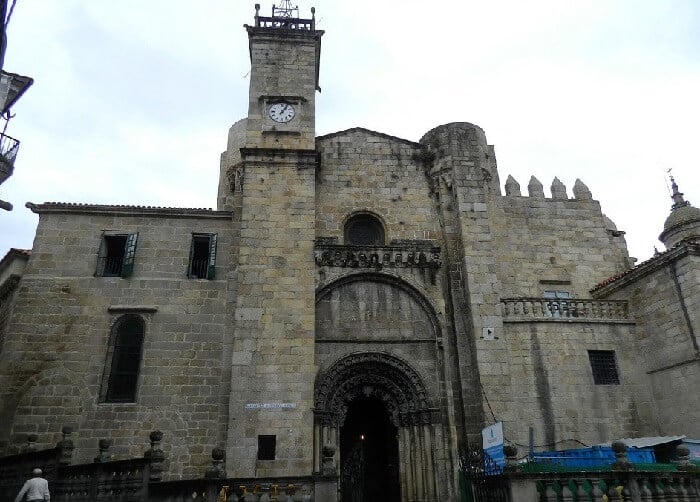
- Cathedral of San Martiño: With Romanesque architecture, it will remind you of the cathedral of Santiago de Compostela. Although it has unfinished details, it remains a place to admire.
Museums
- Cathedral Museum: It is inside the cathedral and is a display of sacred art. You can find everything from reliquaries and a chalice to treasures that belonged to Saint Rosendo.
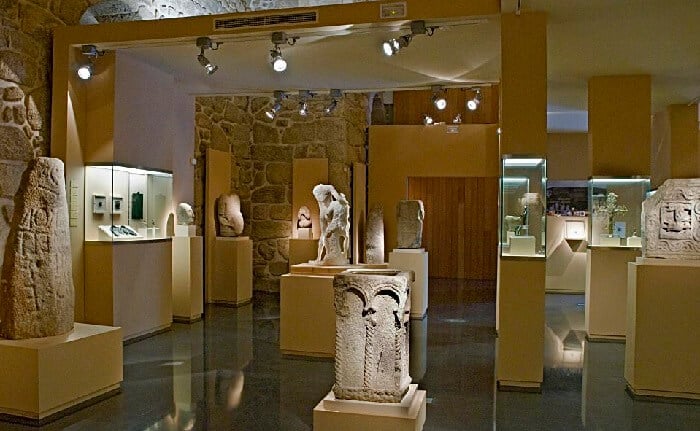
- Archaeological Museum: This museum has been a historic monument since 1931. It has collections from the medieval era and a historical-archaeological section, with pieces from the hillfort world and the Roman period, among others.