

Torre de Hercules Guided Tour Planning Tips
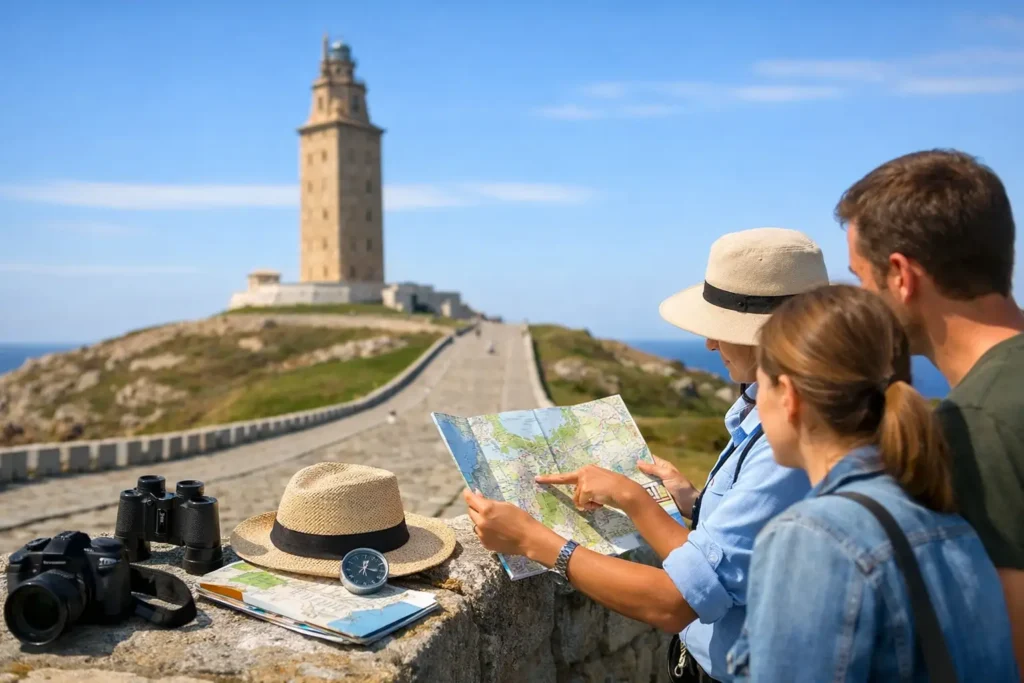
The Torre de Hercules is not a monument to rush through between lunch and a walk along the harbor. Rising above A Coruña’s Atlantic coastline, it is the world’s oldest Roman lighthouse still in operation and a UNESCO World Heritage Site. A Torre de Hercules guided tour gives the visit the context it deserves: Roman engineering, local legends, the changing role of the port, and the coastal landscape that has shaped the city for centuries.
For visitors staying in A Coruña, it is one of the easiest cultural experiences to add to an itinerary. For cruise passengers, it can be an excellent use of limited time ashore, especially when transportation and timing are already organized. The key is choosing the right type of visit and allowing enough time to enjoy the setting beyond the lighthouse itself.
Why take a Torre de Hercules guided tour?
From a distance, the tower is immediately striking. Its pale stone profile stands on a headland facing the open Atlantic, with the city spread behind it. Yet its most remarkable details are not always obvious without explanation. The structure began as a Roman lighthouse, likely built between the late first and early second centuries AD, and it has continued to guide ships for nearly two thousand years.
A guide helps turn what could be a beautiful photo stop into a story of continuity. You can understand how the original Roman core survives beneath later restorations, why the exterior looks different from many ancient monuments, and how the lighthouse still functions today. The visit also brings local tradition into focus, including the legend of Hercules, who is said to have defeated the giant Geryon and founded the city on this very coast.
This is especially valuable if you have limited time in A Coruña. Rather than reading signs, checking maps, and trying to piece together the route on your own, you can follow a clear itinerary with someone who knows the city and its history.
What you will see around the lighthouse
The tower is the centerpiece, but the surrounding Sculpture Park and coastal paths are part of the experience. The headland is open, dramatic, and often windy, with broad views toward the Atlantic and back to the city. A well-planned visit usually combines historical interpretation with time to appreciate this landscape.
The Roman lighthouse and its views
The Torre de Hercules stands approximately 180 feet above sea level, while the tower itself rises more than 180 feet. Its position was chosen for visibility at sea, and that purpose remains clear when you stand at the top of the hill. On a clear day, the views are expansive and the Atlantic seems to begin right at the foot of the monument.
Access inside the tower and the opportunity to climb it depend on opening schedules, visitor capacity, and operational conditions. If climbing the lighthouse matters to you, confirm this when booking. The ascent involves stairs and may not suit travelers with reduced mobility, knee problems, or a strong fear of heights. Even without going inside, the exterior visit and surrounding viewpoints are worthwhile.
The Sculpture Park and coastal promenade
The area around the tower includes contemporary artworks placed among grassland, rocks, and walking paths. These pieces connect mythology, navigation, and the relationship between Galicia and the sea. They add interest for travelers who enjoy photography, art, or a quieter walk away from the city center.
The coastal promenade also makes the site feel less like an isolated attraction. Depending on your route, a visit can connect naturally with beaches, viewpoints, and neighborhoods such as Monte Alto. If you are traveling independently, keep in mind that distances along the coast can look shorter on a map than they feel in the wind or rain.
The city’s maritime identity
A Coruña has always looked outward. Its harbor, fishing tradition, commercial links, and exposed coastal position explain why a lighthouse here mattered so much. During a guided visit, the Torre de Hercules becomes a useful starting point for understanding the city as a whole, not simply a single historic landmark.
How much time should you allow?
Allow at least 90 minutes for the lighthouse area if you want to take photos, hear the main history, and walk around the headland at a relaxed pace. Two hours is more comfortable if your visit includes tower access or you want to explore the Sculpture Park without watching the clock.
A half-day A Coruña itinerary can pair the Torre de Hercules with the Old Town, María Pita Square, the waterfront galleries, or a local lunch. This combination works well for first-time visitors because it balances the city’s historic center with its most dramatic coastal setting.
Cruise passengers should be more conservative with timing. A private or organized excursion that accounts for port departure and return times removes unnecessary pressure. The lighthouse is not far from the port, but traffic, walking pace, and entry arrangements can affect the day. It is always better to leave a buffer than to cut short a visit to make it back onboard.
Practical advice before your visit
A little preparation makes a major difference at this exposed coastal site. The weather can shift quickly, even when the morning begins bright and calm.
- Wear comfortable shoes with a good grip. Paths near the lighthouse are generally accessible, but stone, slopes, and wet conditions require sensible footwear.
- Bring a light waterproof layer. Atlantic wind is common throughout the year, and temperatures at the headland can feel cooler than in central A Coruña.
- Check tower opening times and admission conditions in advance. Schedules can vary by season, holidays, maintenance needs, and capacity.
- Choose an early visit in summer if you prefer softer light, fewer people, and a more comfortable walk. Late afternoon can be beautiful, but it is often windier.
Travelers with mobility needs should ask in advance about the specific route, transportation drop-off point, and interior access. The outdoor viewpoints can often be enjoyed without climbing the tower, but not every section of the site has the same level of accessibility.
Is a guided tour right for you?
It depends on the kind of trip you want. Independent travelers who enjoy researching history and walking at their own pace may be happy visiting on their own. The site is visually impressive, and the coastal walk needs no introduction to be enjoyable.
A guided option is the better choice when you want the story behind the monument, are visiting A Coruña for the first time, or do not want to organize local transportation and schedules. It also suits families and small groups, since a guide can adapt historical explanations to different interests and keep the route focused.
For visitors combining A Coruña with other Galician destinations, a local guide adds another layer of value. The Torre de Hercules is not separate from Galicia’s wider maritime culture. Its Roman origins, Atlantic position, and enduring function all connect with the ports, fishing villages, cliffs, and coastal routes found across the region.
Tour Galicia can help travelers looking for an organized visit in A Coruña, with local guides who know how to make the city understandable without turning the day into a history lecture. Look for clear details before booking: meeting point, duration, language, whether entrance is included, and the cancellation policy.
When is the best time to visit the Torre de Hercules?
Spring and early fall offer a particularly good balance of comfortable temperatures and fewer crowds. The grass around the headland is often at its greenest in spring, while fall can bring clear Atlantic light and a calmer pace in the city.
Summer is ideal for longer days and combining the visit with beaches or the waterfront, but reserve ahead if entry to the tower is part of your plan. Winter has its own appeal for travelers who enjoy dramatic seas and quieter landmarks, although wind and rain can make the outdoor section feel more demanding.
Whatever the season, do not judge the experience only by the forecast. A cloudy day can make the Torre de Hercules feel even more powerful, with waves, sea birds, and shifting light reminding you why this lighthouse has watched over the Atlantic for so long. Give it the time, footwear, and local context it deserves, and A Coruña will stay with you long after the view disappears behind you.