

Are Catedrales Beach Tours Safe for Visitors?
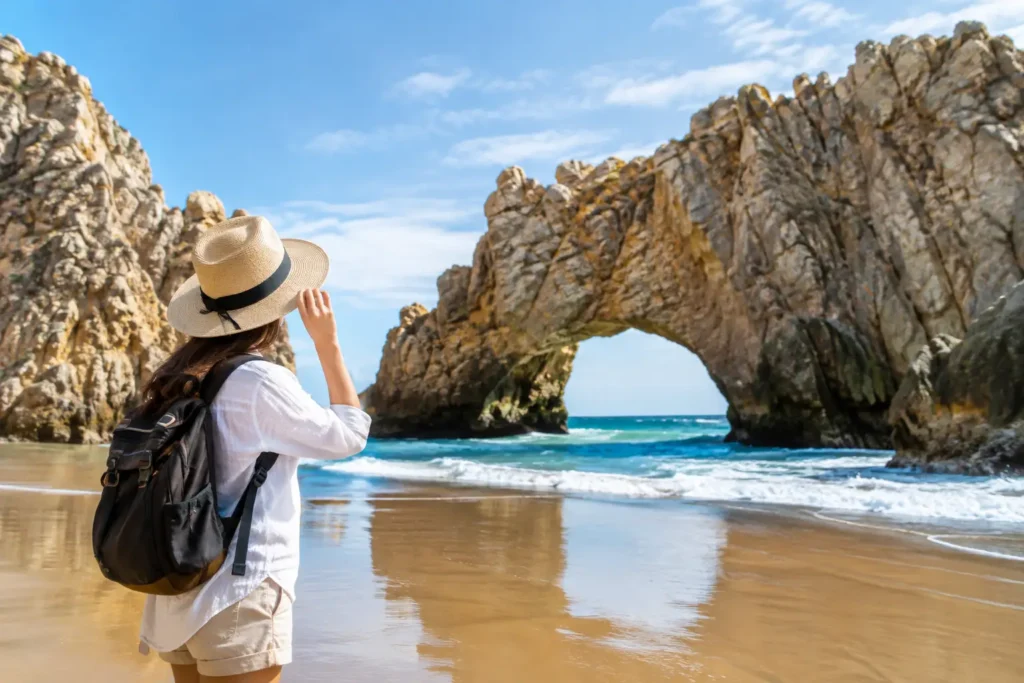
Playa de las Catedrales is spectacular because the Atlantic has shaped its cliffs into arches, caves, and stone corridors. That same coastline is why travelers often ask, are Catedrales beach tours safe? Yes, they can be very safe when the visit is timed around the tide, the access rules are followed, and the group respects the sea and cliffs.
The key is understanding that this is not a beach where you simply arrive, spread out a towel, and walk anywhere you like. The most dramatic part of the landscape is visible from the sand only at low tide. A well-organized tour takes that timing seriously, leaving you free to enjoy the scenery with someone who knows how the site works.
Are Catedrales Beach Tours Safe? The Short Answer
A guided visit to Catedrales Beach is generally a safe choice for most travelers, including couples, families with older children, and independent visitors who prefer not to manage the route, parking, and tide schedule themselves. The safest tours plan their arrival for the permitted low-tide window, provide clear instructions before the walk, and allow enough time to return from the beach without rushing.
Safety still depends on conditions. The tide, waves, wind, rainfall, and the condition of the paths can change the experience from one day to the next. No responsible guide should promise that every part of the beach will always be accessible or that the weather will cooperate. The right approach is practical: follow official access instructions, stay with the group when requested, and treat the cliffs and ocean with respect.
Why the Tide Is the Main Safety Factor
At high tide, the sea covers much of the beach beneath the cliffs. The famous arches can still be admired from the clifftop viewpoints, but walking among them on the sand is not possible. As the tide retreats, it reveals the beach and its natural formations for a limited period.
This is why a tour schedule is more than a convenience. It is a safety measure. Guides and tour operators monitor the tidal timetable and organize the stop around the best available access window. Visitors should pay close attention to the meeting time and return time, even if the beach looks calm when they arrive.
Never walk farther along the beach than the time and conditions allow. The Atlantic can advance faster than expected in narrow sections near the rock walls, and a beautiful photo is not worth being cut off by rising water. A guide may adjust the walking route or shorten the beach visit if conditions require it. That is good judgment, not a disappointing detour.
Access permits help control the experience
During high-demand periods, such as summer and Easter week, access to the beach may require a free reservation permit. This system helps manage visitor numbers and protects a fragile natural setting. On a guided excursion, the operator should clarify whether admission arrangements are included and what identification or booking confirmation you may need to carry.
A permit does not replace common sense. It allows access during a designated period, but visitors still need to follow instructions on site and any temporary restrictions caused by weather or sea conditions.
The Real Hazards at Playa de las Catedrales
Most visits pass without incident because travelers stay in the appropriate areas and use basic caution. Still, it helps to know what guides are watching for.
The first risk is the changing sea. Do not enter the water, climb close to the edge of incoming waves, or turn your back on the ocean for photographs. Even on a seemingly quiet day, a larger wave can reach farther than expected.
The second is the cliffs. These formations are ancient, beautiful, and naturally eroding. Do not climb on the rocks, enter closed areas, or stand directly beneath unstable-looking sections of cliff. Follow marked routes and your guide's instructions, especially around arches and narrow passages.
The third is the walking surface. Sand can be uneven, rocks may be slippery, and shallow pools can hide irregular ground. This is not a demanding hike, but it does require steady footwear and reasonable mobility. Flip-flops may be fine for a conventional beach day, but they are not the best choice for walking over wet sand and rock near the cathedral-like formations.
Finally, Galicia's coastal weather deserves respect. Wind and rain can arrive quickly, and temperatures near the sea may feel cooler than expected. A light waterproof layer is useful in every season, even when the forecast looks promising.
What a Safe Guided Tour Should Include
A guided tour is especially useful if you are staying in Santiago de Compostela, A Coruña, or another city without a rental car. The drive to Ribadeo and the northern coast is part of the day, and organized transportation removes the pressure of navigating unfamiliar roads, finding parking, and calculating when to leave for the tide.
Look for an excursion with a clearly stated departure point, approximate duration, and planned stops. The itinerary should explain that the beach visit is subject to tides and weather, rather than presenting access to the sand as guaranteed. That transparency is a sign of a reliable operator.
A local guide also adds context that improves the experience. They can explain why the beach is known as the Beach of the Cathedrals, point out the best viewpoints when the tide is high, and help the group move through the site at a comfortable pace. With Tour Galicia, travelers can experience this stretch of coast with local guides and coordinated transportation, while still having time to appreciate Ribadeo and the surrounding scenery.
Guided does not mean restrictive. It means the essential logistics are handled so you can focus on the landscape. You still need to arrive on time, wear appropriate clothing, and make your guide aware of any mobility concerns before departure.
Simple Preparation Makes a Big Difference
You do not need specialized equipment for Catedrales Beach, but a few sensible choices will make the day more comfortable. Wear closed-toe shoes or sturdy sandals with good grip, and bring a waterproof jacket. Sunscreen is worthwhile on clear days, as the open shoreline has little shade. A small bottle of water is also useful, particularly in warmer months.
Keep your belongings light. Large bags are awkward on uneven sand, and both hands are often useful when moving carefully through a rocky section. If you bring a camera or phone, secure it before approaching the waterline.
Families should consider the age and confidence of their children. Curious kids usually love the caves, pools, and enormous arches, but they need close supervision around wet rocks and the sea. Strollers are not practical on the beach itself, although the upper viewpoints may be easier for some visitors to access.
Travelers with limited mobility should ask about the specific route before booking. The clifftop viewpoints can offer memorable views without requiring a full walk on the sand, but beach access involves slopes, uneven terrain, and conditions that vary with the tide. A good operator will give a straightforward answer rather than overpromising.
When Conditions Change
A safe tour may change course. Heavy rain can make paths slippery, strong winds can make the coast uncomfortable, and rough seas can limit access to certain areas. In those cases, the guide may prioritize elevated viewpoints, spend more time in Ribadeo, or adapt the order of stops.
This is one of the advantages of traveling with someone who knows the area. Galicia is at its most impressive when it is wild, but that does not mean a visitor should take unnecessary risks to see every arch from every angle. The best memories often come from seeing the coast as it is on the day, whether that means a sunlit low-tide walk or dramatic waves viewed safely from above.
Before you go, check the tour details, dress for a changeable coastline, and be ready to follow the local guidance. Playa de las Catedrales rewards travelers who give the tide the last word.