
Saltar al contenido

리베이라 사크라 와인 산책, 협곡과 와이너리를 즐기는 여행 계획

유리잔에 담긴 멘시아 와인 너머로 실강 협곡의 가파른 포도밭이 보이는 순간, 리베이라 사크라 와인 산책은 단순한 시음 일정이 아니라 갈리시아의 지형과 사람을 만나는 여행이 됩니다. 하지만 이 지역은 지도에서 보이는 것보다 넓고, 도로는 굽이져 있습니다. 전망대 한 곳과 와이너리 한 곳만 보더라도 이동 시간이 길어질 수 있어, 처음 방문한다면 동선을 먼저 정하는 것이 만족도를 좌우합니다.

리베이라 사크라 와인 산책이 특별한 이유

리베이라 사크라는 루고와 오렌세 사이, 실강과 미뇨강이 만든 깊은 계곡을 따라 펼쳐진 와인 산지입니다. 이곳의 포도밭은 완만한 평지보다 경사가 매우 가파른 테라스에 자리합니다. 사람의 손으로 돌담을 쌓고 포도나무를 돌보는 방식 때문에 흔히 영웅적 포도 재배라고 불립니다. 한 병의 와인에 풍경과 노동의 시간이 함께 담기는 이유입니다.

주요 품종은 붉은 포도인 멘시아입니다. 대체로 붉은 과실 향, 제비꽃 같은 꽃 향, 산뜻한 산미와 섬세한 미네랄감이 어우러집니다. 무겁고 오크 향이 강한 와인을 기대했다면 인상이 다를 수 있습니다. 대신 산책 뒤 점심 식사와 함께 마시기 좋고, 갈리시아식 문어 요리나 버섯, 숙성 치즈와도 자연스럽게 어울립니다.

흰 와인도 놓치지 마세요. 고데요 품종으로 만든 와인은 감귤류와 흰 꽃 향, 또렷한 산미를 보여 주는 경우가 많습니다. 와인 취향이 서로 다른 커플이나 일행이라면 레드만 고집하기보다 멘시아와 고데요를 함께 비교 시음할 수 있는 방문지를 고르는 편이 좋습니다.

하루 일정은 전망, 와인, 이동의 균형이 핵심입니다

리베이라 사크라를 당일치기로 찾는 여행자는 욕심을 조금 덜어낼수록 더 많이 즐깁니다. 협곡 전망대, 보트 탑승, 수도원 또는 마을 산책, 와이너리 시음을 모두 한 번에 넣을 수는 있지만, 각 장소를 서둘러 지나치기 쉽습니다. 특히 산티아고 데 콤포스텔라에서 출발한다면 왕복 이동만으로도 적지 않은 시간이 필요합니다.

가장 안정적인 구성은 오전에 전망과 자연을 보고, 점심 이후 와이너리에서 시음과 설명을 듣는 방식입니다. 맑은 날에는 협곡의 빛이 살아나는 시간에 전망대를 방문하고, 더운 계절에는 햇볕이 강한 한낮을 실내 시음으로 배치하면 편합니다. 반대로 비가 오거나 안개가 짙은 날에는 먼 풍경보다 와이너리 투어와 지역 음식에 비중을 두는 편이 현실적입니다.

보트 투어를 넣을 때는 출항 시간을 중심으로 일정을 짜야 합니다. 선착장 접근 시간, 탑승 전 대기, 주차 또는 하차 지점을 고려하지 않으면 시음 시간을 줄여야 할 수 있습니다. 유람선 위에서는 협곡의 높이와 포도밭 테라스가 가장 선명하게 보이지만, 배 멀미가 걱정된다면 사전에 대비하고 갑판에서는 미끄럼에 주의하세요.

처음 방문한다면 놓치기 쉬운 실 협곡의 포인트

실 협곡은 사진 한 장으로는 규모를 가늠하기 어렵습니다. 전망대에서는 계곡의 굴곡과 숲, 포도밭이 한 화면에 들어오고, 보트에서는 절벽 아래에서 지형의 높이를 체감하게 됩니다. 두 방식은 비슷해 보이지만 경험이 다릅니다. 시간이 충분하다면 함께 즐기고, 반나절밖에 없다면 풍경을 넓게 보고 싶은지 혹은 강 위에서 천천히 머물고 싶은지에 따라 선택하면 됩니다.

전망대 방문에는 편한 신발이 필요합니다. 주차장에서 바로 보이는 곳도 있지만, 돌길이나 흙길을 조금 걸어야 하는 장소도 있습니다. 굽 높은 신발이나 밑창이 미끄러운 샌들은 피하는 것이 좋습니다. 여름에도 얇은 겉옷을 챙기면 강바람이 부는 아침과 저녁에 유용합니다.

사진을 중요하게 생각한다면 한낮의 강한 역광도 변수입니다. 푸른 강과 포도밭의 질감을 담고 싶다면 오전 또는 늦은 오후가 유리할 때가 많습니다. 다만 계절과 날씨에 따라 빛은 크게 달라집니다. 사진 일정 때문에 와이너리 예약 시간을 지나치게 촘촘하게 잡기보다, 20~30분 정도 여유를 두는 것이 좋습니다.

와이너리 방문에서는 무엇을 물어봐야 할까

시음은 여러 잔을 마시는 시간이 아니라 이 지역의 와인 스타일을 이해하는 시간입니다. 현지 생산자나 가이드에게 포도밭의 고도와 토양, 손수확 여부, 발효 및 숙성 방식에 관해 물어보세요. 같은 멘시아라도 강 가까운 밭인지, 더 높은 경사지의 밭인지에 따라 향과 질감이 달라질 수 있습니다.

특히 리베이라 사크라에서는 포도 수확과 운반 방식이 흥미로운 이야기입니다. 급경사 포도밭에서는 기계 사용이 어려워 사람의 손이 많이 필요합니다. 이 수고가 와인 가격에 영향을 줄 수 있지만, 단순히 비싼 와인이 더 좋다는 뜻은 아닙니다. 가볍고 신선한 스타일을 좋아한다면 젊은 멘시아가 더 만족스러울 수 있고, 구조감 있는 와인을 선호한다면 특정 밭이나 숙성 스타일을 선택하는 편이 낫습니다.

와인을 구매할 계획이라면 이동 방식도 함께 생각해야 합니다. 당일치기 버스 여행이나 크루즈 기항 일정에서는 병을 여러 개 들고 다니기 불편할 수 있습니다. 이후 항공편이 있다면 위탁수하물 규정과 파손 방지 포장도 확인하세요. 맛있었다는 기억만으로 많은 병을 사기보다, 여행 중 마실 한두 병과 선물용 수량을 구분해 고르면 부담이 적습니다.

계절에 따라 달라지는 리베이라 사크라의 매력

봄에는 포도밭이 다시 색을 되찾고 강변의 녹음이 부드럽습니다. 날씨가 변덕스러울 수 있으므로 방수 재킷을 챙기는 편이 좋습니다. 여름은 풍경을 즐기기 좋고 보트 일정도 활발하지만, 주말과 휴가철에는 인기 있는 방문 시간대가 빨리 찰 수 있습니다. 예약을 미루기보다 여행 날짜가 정해지는 대로 확인하는 것이 안전합니다.

가을은 수확철의 긴장감과 단풍이 더해져 와인 여행에 특히 잘 어울립니다. 다만 수확과 양조 작업으로 인해 일부 와이너리의 일반 방문 운영이 달라질 수 있습니다. 포도밭 풍경을 기대하고 갔는데 생산 시설 방문이 제한될 수도 있으니, 프로그램 내용을 미리 확인해야 합니다.

겨울의 리베이라 사크라는 조용하고 깊습니다. 관광객이 적은 날에는 보다 차분하게 풍경과 시음을 즐길 수 있지만, 해가 짧고 비 또는 안개로 전망이 제한될 가능성이 있습니다. 이 시기에는 풍경만을 목표로 하기보다 음식, 수도원, 와인 설명까지 포함한 일정이 더 잘 맞습니다.

산티아고 출발이라면 차량보다 일정의 여유를 보세요

렌터카는 원하는 전망대와 작은 마을을 자유롭게 들를 수 있다는 장점이 있습니다. 반면 낯선 산길 운전, 주차, 시음 후 운전 문제를 모두 해결해야 합니다. 여러 명이 함께 와인을 즐기고 싶은 여행이라면 운전자를 따로 정해야 하고, 그 역시 지역의 맛을 충분히 경험하기 어렵습니다.

현지 가이드와 함께하는 당일 투어는 이 부담을 줄여 줍니다. 길 찾기와 주차, 방문 순서, 시음 예약을 따로 조율하지 않아도 되고, 협곡과 수도원, 와인 산지의 맥락을 들을 수 있습니다. 특히 산티아고에 숙박하며 하루만 여유가 있는 여행자에게 적합합니다. Tour Galicia처럼 출발지와 소요 시간, 포함 사항을 분명히 안내하는 운영사를 고르면 계획 과정도 한결 단순해집니다.

다만 소규모 맞춤 여행을 원하거나 특정 와이너리 방문이 최우선이라면 프라이빗 차량 투어 또는 렌터카가 더 나을 수 있습니다. 가족 중 유아가 있거나 이동 속도가 느린 일행이라면, 하루에 많은 곳을 넣는 공유 투어보다 휴식 시간을 확보한 일정이 편안합니다. 중요한 것은 유명 장소의 개수보다 여행자의 속도입니다.

리베이라 사크라 와인 산책 전 확인할 질문

와이너리 방문 전에는 시음 언어와 소요 시간, 포도밭까지 포함되는지 확인하세요. 생산 시설만 보는 투어와 밭을 걸어 보는 투어는 신발과 체력 준비가 다릅니다. 채식 메뉴나 알레르기가 있다면 점심 포함 여부와 식사 대응 가능 여부도 미리 알리는 것이 좋습니다.

크루즈 여행객은 더 꼼꼼히 봐야 합니다. 비고 또는 아 코루냐 항구에서 출발하는 일정이라면 선박 승선 마감 시각을 기준으로 충분한 복귀 여유를 확보해야 합니다. 리베이라 사크라는 짧은 기항지 산책처럼 다녀올 곳이 아닙니다. 항구에서의 실제 이동 시간, 교통 상황, 집결 지점을 고려한 전용 일정이 필요합니다.

자주 묻는 질문

와인을 잘 모르는 사람도 즐길 수 있나요?

물론입니다. 향을 정확한 단어로 설명하지 못해도 괜찮습니다. 과일 향이 강한지, 산미가 상쾌한지, 입안에서 가볍게 느껴지는지처럼 자신의 감각으로 이야기하면 충분합니다. 좋은 시음은 지식을 시험하는 자리가 아니라 취향을 발견하는 시간입니다.

아이와 함께 가도 괜찮나요?

가능하지만 일정 선택이 중요합니다. 아이에게는 와인 시음보다 보트, 전망대, 짧은 산책이 더 흥미로울 수 있습니다. 이동 시간이 긴 편이므로 간식과 물을 준비하고, 장시간 시음 중심의 프로그램보다 자연 경관과 휴식이 섞인 일정을 추천합니다.

비가 오면 여행을 취소해야 하나요?

가벼운 비라면 충분히 즐길 수 있습니다. 와이너리와 수도원 방문은 날씨 영향을 덜 받고, 비에 젖은 협곡도 또 다른 분위기를 보여 줍니다. 다만 짙은 안개로 전망이 가려질 수 있으므로, 풍경 사진만을 최우선으로 생각한다면 예보를 보고 유연하게 판단하세요.

리베이라 사크라에서 가장 오래 남는 것은 특정 와인의 이름보다, 가파른 포도밭을 바라보며 한 모금의 맛이 어디에서 왔는지 이해한 순간일지 모릅니다. 일정표에 여백을 남기고, 마음에 드는 한 잔 앞에서는 조금 천천히 머물러 보세요.
Castillo de San Antón en A Coruña: guía de visita completa

El castillo de San Antón es una fortaleza del siglo XVI que se alza sobre un islote en la entrada del puerto de A Coruña y alberga hoy el Museo Arqueológico e Histórico de La Coruña. La entrada general tiene un precio simbólico y la reducida se ofrece a un precio menor, con detalles en el sitio oficial, con venta de entradas en Ticketing.

  • Invierno (septiembre a junio): martes a sábado 10:00–19:30 h; domingos y festivos 10:00–14:30 h.
  • Verano (julio y agosto): martes a sábado 10:00–21:00 h; domingos y festivos 10:00–15:00 h.
  • Cierre: lunes todo el año, 1 de enero, 24, 25 y 31 de diciembre, y lunes y martes de Carnaval.

Comprueba el horario actualizado y adquiere las entradas en el portal oficial antes de acudir, especialmente en temporada alta.


Puntos clave

El castillo de San Antón, fortaleza del siglo XVI declarada Bien de Interés Cultural, alberga el Museo Arqueológico e Histórico de La Coruña con entrada desde 1,00 € y horario estacional que conviene verificar antes de la visita.

PuntoDetalles
Ubicación y accesoPaseo del Parrote, junto al puerto; a pie desde el centro en unos 12–15 minutos.
Horario y cierresInvierno: mar.–sáb. 10:00–19:30 h; verano: mar.–sáb. 10:00–21:00 h; cerrado lunes y festivos señalados.
Precio de entradaGeneral 1,00 €; reducida 1,00 €; compra en ticketing.coruna.gal.
Elemento imperdibleLa terraza de la Casa del Gobernador y el aljibe subterráneo del siglo XVI.
Tours con TourgaliciaExcursiones guiadas desde A Coruña con guías locales, transporte y soporte multilingüe.

Tabla de contenidos

¿Cómo llegar al castillo de San Antón y qué necesitas saber antes de ir?

Dirección y acceso

El castillo se ubica en el Paseo del Parrote, junto a la entrada del puerto histórico de A Coruña. Desde el centro histórico, el paseo a pie dura unos diez minutos bordeando la muralla. El acceso al recinto se realiza a través de una rampa que une el islote original con el muelle de las Ánimas, hoy integrado en tierra firme.

Horarios y días de cierre

TemporadaMartes a sábadoDomingos y festivosCerrado
Invierno (sep.–jun.)10:00–19:30 h10:00–14:30 hLunes
Verano (jul.–ago.)10:00–21:00 h10:00–15:00 hLunes

Días de cierre adicionales: 1 de enero, 24, 25 y 31 de diciembre, y lunes y martes de Carnaval.

Precios y compra de entradas

Tipo de entradaPrecio
General1,00 €
Reducida1,00 €

Consulta condiciones de gratuidad y posibles promociones directamente en ticketing.coruna.gal, el canal oficial del Ayuntamiento de A Coruña.

Cómo llegar y accesibilidad

Desde la plaza de María Pita, el trayecto a pie sigue la Avenida de la Marina hasta el Paseo del Parrote: unos 12–15 minutos caminando con vistas al mar. También puedes llegar en autobús urbano; la parada más próxima está en la Avenida de la Marina. El recinto cuenta con rampa de acceso, aunque algunas zonas interiores tienen escalones que pueden dificultar el paso a personas con movilidad reducida. Consulta con el museo si necesitas información específica antes de tu visita.

Consejo profesional: La venta de entradas cierra 30 minutos antes del horario de cierre y el personal inicia el desalojo 10 minutos antes. En verano, cuando el castillo cierra a las 21:00 h, la última entrada se vende a las 20:30 h. Planifica tu llegada con margen para recorrer todas las salas con calma.


La historia del castillo de San Antón: de fortaleza a museo

El emplazamiento tiene una historia anterior a la propia fortaleza. El islote sirvió primero como lazareto y capilla dedicada a San Antón, aprovechando su aislamiento natural en la ría para funciones sanitarias. Esa condición de isla, que hoy parece un detalle pintoresco, fue durante siglos una ventaja estratégica y sanitaria al mismo tiempo.

Línea temporal de fechas clave

AñoAcontecimiento
1587Inicio de la construcción de la fortaleza
1587Participación en la defensa frente al ataque de Francis Drake
1589Finalización de las obras principales
Siglos XVIII–XXUso como prisión; reformas y ampliaciones
Unión definitiva del islote a tierra firme
1968Cesión al Ayuntamiento de A Coruña
Obras de adaptación y apertura como museo

La fortaleza se construyó con urgencia: las obras comenzaron en 1587 y apenas dos años después el castillo ya participaba en la defensa de la ciudad frente a la flota de Francis Drake. Que una construcción incompleta resistiera ese ataque dice mucho de su posición estratégica en la bocana del puerto.

Elementos arquitectónicos que merece la pena observar

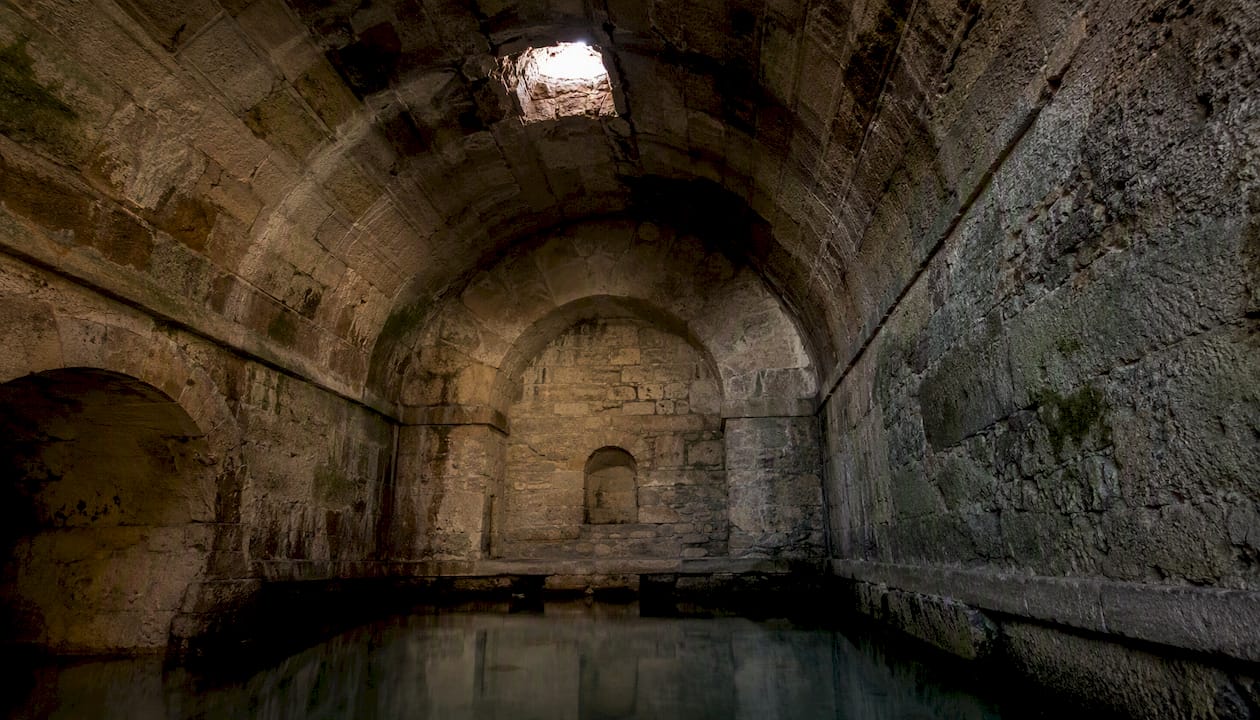
  • Aljibe: depósito subterráneo que recogía el agua de lluvia, solución ingeniosa para abastecer a la guarnición en un islote sin fuentes propias.
  • Casamatas: bóvedas de piedra que alojaban la artillería y que, durante los siglos de uso penitenciario, se reconvirtieron en celdas.
  • Rampa de acceso: permite subir desde el nivel del mar hasta las plataformas superiores sin escalones, diseñada originalmente para mover cañones.
  • Casa del Gobernador: edificio interior con capilla de estilo neoclásico; desde su planta superior se obtienen las mejores vistas panorámicas a la ría y a la ciudad.

El castillo está declarado Bien de Interés Cultural (BIC), la máxima protección patrimonial en España, y su conservación corre a cargo del Ayuntamiento de A Coruña.


Qué ver dentro: el Museo Arqueológico e Histórico de La Coruña

El museo ocupa los espacios del castillo desde 1968 y organiza sus colecciones en tres grandes áreas. La planta baja concentra la arqueología: orfebrería protohistórica, piezas de la cultura castreña y hallazgos romanos que muestran la ocupación del territorio gallego desde la prehistoria. La planta alta narra la historia del propio edificio y de la ciudad, con armas, documentos y objetos que recorren desde la época medieval hasta el siglo XX. La Casa del Gobernador alberga las colecciones de época medieval y moderna, y su terraza ofrece una perspectiva única sobre la bahía.

Más allá de las exposiciones permanentes, el museo funciona como centro activo de investigación: organiza cursos, conferencias y excavaciones arqueológicas, lo que lo convierte en un recurso vivo para quienes van más allá de la visita turística convencional. Si te interesa la arqueología gallega, merece la pena consultar la agenda de actividades antes de viajar.

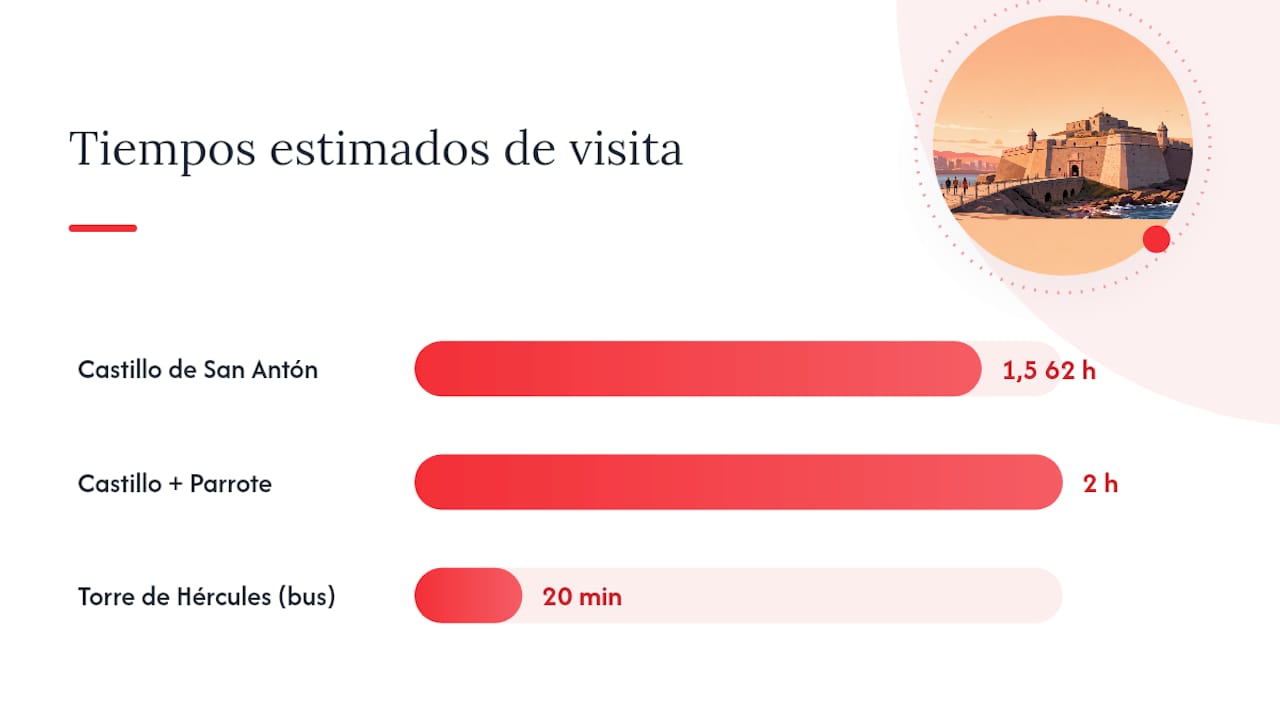
Para la mayoría de los visitantes, una hora y media es suficiente para recorrer todas las salas con atención. Si quieres leer los paneles con detalle o subir a la terraza de la Casa del Gobernador, reserva dos horas. No hay cafetería dentro del recinto, aunque sí tienda de souvenirs. Los baños están disponibles para los visitantes.


Qué visitar cerca y cómo organizar tu ruta por A Coruña

El castillo encaja perfectamente en un recorrido más amplio por el litoral coruñés. Estas son las paradas que mejor complementan la visita:

  1. Paseo del Parrote: el propio acceso al castillo forma parte de este paseo histórico junto a la muralla; empiézalo desde la Ciudad Vieja para llegar al castillo con contexto.
  2. Jardines de la Real Maestranza: a pocos metros del castillo, ofrecen un descanso agradable con vistas al puerto antes o después de la visita.
  3. Paseo Marítimo: uno de los más largos de Europa, conecta el castillo con las playas de Riazor y Orzán; ideal para caminar al atardecer.
  4. Torre de Hércules: el faro romano más antiguo en uso del mundo, a unos 20 minutos en autobús desde el centro. Combinar ambas visitas en un mismo día es la forma más completa de entender la historia marítima de A Coruña.

Medio día: castillo de San Antón (1,5–2 h) + Paseo del Parrote + Jardines de la Real Maestranza.

Día completo: añade la Torre de Hércules por la tarde y termina con un paseo por el Paseo Marítimo hasta Riazor. Si te quedas a dormir, encontrarás opciones de alojamiento en nuestra guía de dónde dormir en A Coruña.

Para los cruceristas con tiempo limitado, la prioridad es clara: el castillo más el Paseo del Parrote caben en dos horas y ofrecen las mejores vistas a la ría sin alejarse del puerto. Puedes combinar esto con una excursión desde A Coruña si quieres aprovechar el día al máximo.


Qué visitar cerca y cómo organizar tu ruta por A Coruña — overview diagram

Lo que un guía local te diría antes de entrar

La mejor hora para visitar el castillo es a primera hora de la mañana, cuando la luz rasante sobre la piedra granítica hace que los detalles de las casamatas sean especialmente llamativos y los grupos de visitantes aún no han llegado. En verano, la apertura nocturna hasta las 21:00 h es una alternativa magnífica: la ría al atardecer desde la terraza de la Casa del Gobernador es una de esas vistas que no aparecen en las guías convencionales pero que los locales conocen bien.

El detalle arquitectónico que más se pasa por alto es el aljibe. Está en la planta baja y muchos visitantes lo cruzan sin detenerse, pero su construcción revela cómo los ingenieros militares del siglo XVI resolvieron el problema del agua en un islote sin recursos propios. Dedícale un momento.

Vista del interior del aljibe del siglo XVI situado en el Castillo de San Antón.

Después de la visita, el barrio de la Pescadería, cercano al castillo, ofrece una amplia variedad de bares de tapas para disfrutar de la gastronomía local.


Galicia con guía: más que una visita al castillo

Tourgalicia

El castillo de San Antón es solo el comienzo de lo que A Coruña y Galicia tienen para ofrecer. Tourgalicia organiza excursiones guiadas desde A Coruña con guías locales expertos que aportan el contexto histórico que ningún panel de museo puede dar: anécdotas reales, rutas pensadas para aprovechar cada hora y transporte cómodo incluido. Los tours están disponibles en varios idiomas, lo que los convierte en una opción especialmente práctica para grupos mixtos o viajeros internacionales.

Si quieres ir más allá de la ciudad, el itinerario de Galicia en 5 días incluye A Coruña junto a otros destinos imprescindibles de la región. Reserva tu plaza directamente en Tourgalicia y empieza a planificar una experiencia que va mucho más allá del turismo convencional.


Fuentes

Antes de viajar, confirma horarios y precios en las páginas oficiales, ya que pueden actualizarse sin previo aviso.

Recomendación

Plan Your Santiago Cathedral Guided Visit

The moment you step into Obradoiro Square, the Cathedral of Santiago de Compostela stops being a landmark on an itinerary and becomes the center of everything around it. Pilgrims arrive with muddy boots and emotional stories. Visitors look up at the Baroque facade. Bells, street musicians, and the movement of the old city create a scene that is easy to admire but harder to understand on your own. A Santiago Cathedral guided visit gives that scene its context, helping you see the building as the destination of the Camino, a living place of worship, and one of Galicia’s defining cultural treasures.

For many travelers, the cathedral is the essential stop in Santiago. The practical question is not whether to visit, but how to make the most of the time you have. A guided experience can be particularly valuable if you are staying in the city for only one or two days, traveling with family, or want clear explanations without spending hours researching the details beforehand.

Why visit the cathedral with a guide?

The cathedral has more than 1,000 years of history, but its most memorable details are often the easiest to miss. A guide can point out how the different architectural periods coexist, from Romanesque foundations to later Gothic and Baroque additions. You will understand why the tomb of Saint James transformed this corner of northwest Spain into one of Christianity’s great pilgrimage destinations.

A local guide also brings the human side of the cathedral into focus. The Camino is not only a historic route. It is a present-day journey made by people from around the world, each arriving with different reasons for walking. Seeing pilgrims enter the square after weeks on the trail gives a guided visit a dimension that a museum-style tour cannot fully reproduce.

The difference is especially noticeable at key features such as the Portico of Glory, the main altar, the chapels, and the cathedral museum areas when included in your ticket. These spaces are full of symbols, restorations, rituals, and stories. Without an explanation, it is possible to appreciate their beauty. With one, you can understand what you are looking at and why it matters.

What to expect on a Santiago Cathedral guided visit

Most visits begin close to the cathedral, often in or near the historic center. Your guide will usually introduce the role of Santiago de Compostela on the Camino before entering the monument or beginning the route through its surroundings. Exact itineraries, entrance points, duration, and included spaces can vary by tour and by cathedral operations, so check the activity details before reserving.

Inside, expect an active religious setting rather than a silent historic building. Masses, pilgrim arrivals, celebrations, maintenance work, and security arrangements can affect access at short notice. A well-organized visit accounts for these realities and adjusts the route when necessary.

Your guide may explain the origins of the apostle’s cult, the construction of the Romanesque cathedral, and the evolution of the plaza that visitors see today. You may also hear about the Botafumeiro, the famous ceremonial censer. It is one of the cathedral’s best-known traditions, but it is not operated as part of every service or every day. Treat it as a possible highlight, not a guaranteed feature of a standard visit.

The Portico of Glory and museum access

The Portico of Glory is among the cathedral’s most significant artistic works. Its sculptural program is extraordinarily detailed, and access is often managed in timed slots to protect the monument. If viewing it is a priority, choose a visit that explicitly states whether admission is included and whether a reserved time is required.

The same advice applies to museum spaces, rooftops, cloisters, and other special areas. These additions can make a visit more complete, especially for travelers interested in art, architecture, or panoramic views over Compostela. On the other hand, they may add time, involve stairs, or require a more fixed schedule. The best choice depends on your interests and how much of the city you want to see that day.

Choose the right time for your visit

Morning visits are often a good option if you want to continue afterward through the old town, enjoy lunch at a relaxed pace, or visit the market and nearby squares. Early hours can also feel calmer before the busiest part of the day, although the cathedral is popular year-round.

Later visits work well for travelers arriving in Santiago that morning or for anyone who wants to start with a walking tour of the historic center. Light changes quickly in the city’s granite streets, and an afternoon route can be especially enjoyable when paired with time in Obradoiro Square after the tour.

The calendar matters. Holy Year periods, Easter, summer weekends, major religious dates, and events connected to the Camino can bring larger crowds and changes to access. If your travel dates are fixed, reserve earlier rather than assuming there will be last-minute availability. For a more comfortable pace, a small-group format is often the better fit than a large excursion group.

Practical tips before you go

The cathedral is in the pedestrianized old town, so wear comfortable shoes even if the tour itself is not long. The cobblestones can be uneven, and Santiago’s weather changes quickly. A light waterproof layer is useful in any season, while summer visitors should still bring water and sun protection for time in the surrounding squares.

Dress respectfully. This is an active place of worship, and rules may be stricter in certain areas or during services. Avoid planning a visit with large luggage, as carrying bags through busy access points is inconvenient and some spaces may have restrictions.

Arrive a little early at the stated meeting point. Old Santiago is compact, but its narrow streets can be confusing the first time you walk through them. A few extra minutes make the start easier and help the group leave on time.

Before booking, confirm three points: the tour language, whether entrance fees are included, and which parts of the cathedral are actually covered. A general historic-center tour may explain the exterior superbly without including interior access. That can be a great choice if you want a broader introduction to Santiago, but it is different from a cathedral-focused guided visit.

Combine the cathedral with the old town

The cathedral makes more sense when you experience the streets around it. After your visit, take time to walk through the squares that frame the monument: Obradoiro, Quintana, Platerias, and Inmaculada. Each has a different view, rhythm, and role in the city’s history.

Continue toward the Cathedral’s southern side and the old market area if you want to see everyday Compostela beyond the pilgrimage route. This is also a good moment to stop for Galician food, from empanada and local cheeses to seafood and a glass of Albariño. If you have a full day, add a visit to Alameda Park for one of the classic city views, then return to the old town as evening approaches.

Tour Galicia can help travelers who prefer the simplicity of an organized experience with local guides, clear meeting instructions, and time to enjoy the city without sorting out every detail alone. It is a practical option for independent visitors, families, and groups who want the history explained by someone who knows Santiago firsthand.

Is a guided cathedral visit worth it for you?

It is usually worth it if this is your first time in Santiago, if you have limited time, or if you want to understand the cathedral’s relationship with the Camino. It is also a smart choice for travelers who enjoy art and architecture but do not want to rely on a guidebook while navigating crowds and changing access conditions.

A self-guided visit may suit you if you have already spent time in Santiago, prefer to move at your own pace, or mainly want a quiet moment inside the cathedral. There is no wrong approach. The trade-off is simple: independent visits offer flexibility, while guided visits offer interpretation, structure, and a clearer sense of place.

When you stand in Obradoiro Square afterward, resist the urge to rush to the next stop. Look at the arriving pilgrims, the towers above you, and the worn stone underfoot. Santiago is best remembered not as a checklist of monuments, but as a city whose stories become clearer when you give them a little time.

리베이라 사크라 협곡 유람선, 출발지와 계절별 선택법 한눈에

배를 타고 협곡 안으로 들어가면, 도로에서는 한 번에 보기 어려운 리베이라 사크라의 진짜 지형이 펼쳐집니다. 리베이라 사크라 협곡 유람선은 실 강을 따라 깎아지른 암벽과 계단식 포도밭 사이를 천천히 지나며, 갈리시아의 와인 산지와 자연을 가장 편안하게 만나는 여행입니다. 다만 선착장 위치와 이동 수단을 제대로 확인하지 않으면, 아름다운 풍경보다 복잡한 동선이 더 오래 기억될 수 있습니다.

리베이라 사크라에서 유람선을 타야 하는 이유

리베이라 사크라는 루고주와 오우렌세주 사이, 실 강과 미뇨 강이 만들어 낸 깊은 협곡 지대입니다. 이곳의 핵심은 높은 전망대만이 아닙니다. 강 위에 올라야 절벽의 높이, 물길의 굴곡, 산비탈을 따라 이어진 포도밭의 경사를 한 장면으로 이해할 수 있습니다.

특히 실 강 협곡은 강 양쪽으로 바위 절벽이 솟아 있어 유람선의 장점이 분명합니다. 걷는 부담이 크지 않고, 어린이를 동반한 가족이나 이동이 많은 일정 중 잠시 쉬고 싶은 여행자도 풍경을 누릴 수 있습니다. 가이드의 설명이 포함된 운항이라면 포도 재배 방식, 수도원 문화, 협곡 지형에 얽힌 이야기도 함께 들을 수 있습니다.

유람선은 전망대를 완전히 대체하지는 않습니다. 전망대에서는 협곡의 넓은 윤곽과 강의 곡선을 내려다볼 수 있고, 배에서는 절벽 바로 아래를 지나며 규모를 체감합니다. 시간이 허락한다면 두 경험을 함께 넣는 편이 좋습니다. 반대로 당일 일정이 빠듯하다면, 이동 시간과 출발지를 기준으로 하나를 확실히 선택하는 것이 만족도가 높습니다.

리베이라 사크라 협곡 유람선의 주요 출발지

유람선은 한 곳에서만 출발하지 않습니다. 같은 리베이라 사크라라도 어느 강을 항해하는지, 어느 마을에서 출발하는지에 따라 풍경과 접근성이 달라집니다. 예약 전에는 반드시 선착장 이름과 집결 시각을 확인해야 합니다.

실 강 협곡 선착장

실 강 구간은 많은 여행자가 기대하는 전형적인 협곡 풍경에 가깝습니다. 좁고 깊은 물길, 높은 바위 절벽, 비탈진 포도밭을 보고 싶다면 실 강 코스를 우선 검토해 보세요. 산토 에스테보 일대나 카스트로 칼델라스 방향과 함께 묶기 좋지만, 대중교통만으로는 접근이 쉽지 않은 구간도 있습니다.

출발 전날 숙소와 선착장 사이의 실제 이동 시간을 다시 확인하는 것이 좋습니다. 지도상 거리보다 산길 이동 시간이 길게 걸릴 수 있고, 여름 주말에는 주차장과 진입로가 혼잡할 수 있습니다. 자가용 여행이라면 출항 30분에서 40분 전 도착을 목표로 잡으면 여유가 있습니다.

미뇨 강 구간

미뇨 강 유람선은 실 강보다 물길이 넓게 느껴지는 구간이 있으며, 주변 마을과 와인 산지 동선을 함께 계획하기에 좋습니다. 오우렌세나 몬포르테 데 레모스 인근에서 출발하는 일정이라면 이동 부담을 줄일 수 있는 선택지가 될 수 있습니다.

어느 구간이 더 좋다고 단정하기보다, 여행의 출발 도시와 당일 방문지를 먼저 정하는 편이 현실적입니다. 산티아고 데 콤포스텔라에서 당일치기를 계획하는 경우와 오우렌세 또는 몬포르테에서 숙박하는 경우의 최적 동선은 다릅니다. 멋진 사진 한 장보다 왕복 이동에 지치지 않는 일정이 더 좋은 여행을 만듭니다.

소요 시간은 배 탑승 시간만 보면 안 됩니다

대부분의 협곡 유람선은 대체로 1시간 안팎에서 1시간 30분 정도 운항하지만, 여행 전체에는 훨씬 더 많은 시간이 필요합니다. 선착장 도착, 주차 또는 환승, 승선 대기, 하선 후 다음 방문지 이동까지 고려하면 유람선 하나에 최소 반나절의 여유를 두는 편이 안전합니다.

산티아고 데 콤포스텔라에서 출발하는 당일 여행이라면 특히 그렇습니다. 리베이라 사크라는 도심에서 가까운 관광지가 아니며, 산길 구간이 포함된 경우가 많습니다. 직접 운전이 익숙하지 않거나 현지 도로 사정이 낯설다면, 교통과 방문 순서가 포함된 가이드 투어가 편할 수 있습니다.

Tour Galicia처럼 산티아고 출발 일정으로 리베이라 사크라의 전망대, 유람선, 대표 마을을 함께 구성한 상품은 차량 대여와 선착장 이동을 따로 조율하기 어려운 여행자에게 실용적입니다. 반면 렌터카가 있고 와이너리나 작은 마을에서 충분히 머물고 싶다면, 개별 일정이 더 자유롭습니다.

계절에 따라 달라지는 협곡의 표정

봄에는 비가 내린 뒤 강물과 숲의 색이 선명해지고, 새잎이 협곡을 밝게 채웁니다. 날씨 변화는 있을 수 있지만 비교적 한적하게 움직이고 싶은 여행자에게 좋은 시기입니다. 얇은 겉옷과 방수 재킷은 챙기는 편이 좋습니다.

여름은 일조 시간이 길고 유람선 여행을 계획하기 가장 수월한 계절입니다. 햇볕이 강한 낮 시간에는 모자와 자외선 차단제가 필요하며, 인기 시간대는 빨리 마감될 수 있습니다. 가족 여행이나 휴가철 방문이라면 배 시간부터 먼저 정한 뒤 나머지 동선을 맞추세요.

가을은 리베이라 사크라의 포도밭이 가장 인상적인 시기입니다. 경사진 밭의 색이 초록에서 금빛과 붉은빛으로 바뀌고, 와인 산지 특유의 분위기가 짙어집니다. 수확 시기와 지역 행사는 해마다 달라질 수 있으므로 특정 체험을 기대한다면 사전 확인이 필요합니다.

겨울에는 운항 횟수와 시간이 줄어들 수 있습니다. 안개가 협곡에 걸린 날은 매우 분위기 있지만, 시야와 기상 조건에 따라 경험이 달라집니다. 조용한 갈리시아를 좋아하는 여행자에게는 매력적이지만, 촘촘한 일정이나 확실한 햇빛을 기대한다면 봄부터 가을이 더 적합합니다.

예약 전 확인할 6가지

협곡 유람선은 단순히 날짜만 고르면 되는 활동처럼 보이지만, 현장에서 당황하지 않으려면 몇 가지를 점검해야 합니다.

  • 출발 선착장과 정확한 집결 장소를 확인하세요. 지역명만 보고 예약하면 다른 강 또는 다른 마을의 선착장으로 갈 수 있습니다.
  • 탑승 시간과 총 소요 시간을 구분하세요. 집결 시각, 승선 마감 시간, 하선 예상 시각이 당일 식사와 이동 계획에 영향을 줍니다.
  • 운항 언어와 가이드 방식도 살펴보세요. 라이브 설명인지, 녹음 안내인지, 여러 언어가 제공되는지에 따라 경험이 달라집니다.
  • 날씨 취소와 변경 조건을 미리 읽어 두세요. 비가 조금 온다고 항상 취소되는 것은 아니지만, 강풍이나 안전상 문제가 있으면 운항이 조정될 수 있습니다.
  • 유아 동반, 반려동물, 휠체어 또는 유모차 이용이 가능한지 필요한 경우 사전에 문의하세요. 선착장 경사와 승선 구조는 업체마다 다릅니다.
  • 차량이 없다면 왕복 교통을 먼저 해결하세요. 선착장까지 갔지만 돌아오는 교통편이 마땅치 않은 상황은 리베이라 사크라에서 생각보다 자주 생깁니다.

예약 확인서를 휴대전화에 저장하고, 산간 지역에서 인터넷 연결이 불안정할 가능성도 염두에 두세요. 온라인 예약은 편리하지만, 현장에서는 출발 시간에 맞춰 도착하는 것이 가장 중요합니다.

유람선과 함께 가기 좋은 곳

배에서 내린 뒤에는 전망대 한 곳을 더해 보세요. 실 협곡의 굴곡을 넓게 바라볼 수 있는 발코네스 데 마드리드 같은 전망대는 유람선과 서로 다른 장면을 선사합니다. 다만 주차 후에도 짧은 도보가 필요할 수 있으므로 신발은 굽이 낮고 미끄럽지 않은 것이 좋습니다.

산토 에스테보 데 리바스 데 실 수도원 일대는 리베이라 사크라의 역사적 분위기를 느끼기 좋은 장소입니다. 고요한 석조 건축과 숲길이 어우러져 자연 풍경만 보는 일정에 문화적 깊이를 더해 줍니다. 개방 시간이나 내부 관람 가능 여부는 계절과 운영 상황에 따라 달라질 수 있습니다.

와인을 좋아한다면 영웅적 포도 재배로 불리는 이 지역의 가파른 포도밭을 가까이 볼 기회를 넣어 보세요. 리베이라 사크라의 와인은 단순한 시음보다, 왜 이토록 경사진 땅에서 포도를 기르는지 이해할 때 더 흥미로워집니다. 운전 일정이라면 시음량을 조절하거나 운전자가 아닌 동행자에게 맡기는 선택이 필요합니다.

자주 묻는 질문

비가 오면 유람선을 탈 수 있나요?

가벼운 비만으로 즉시 취소되는 것은 아닙니다. 다만 강풍, 폭우, 수위 또는 안전 상황에 따라 운항이 변경될 수 있습니다. 출발 당일에는 안내 메시지를 확인하고, 비 예보가 있다면 방수 외투를 준비하세요. 우산은 갑판에서 바람이 불 때 불편할 수 있어 모자가 있는 재킷이 더 실용적입니다.

아이와 함께 가도 괜찮나요?

네, 유람선 자체는 가족 여행에 잘 맞는 편입니다. 긴 산행 없이 협곡 풍경을 볼 수 있다는 점이 장점입니다. 다만 당일치기 전체 이동 시간이 길어질 수 있으므로, 어린 자녀가 있다면 유람선 외 방문지를 너무 많이 넣지 않는 것이 좋습니다.

가장 좋은 좌석은 어디인가요?

지정 좌석이 아닌 경우가 많아 일찍 도착하면 선택 폭이 넓습니다. 사진을 우선한다면 창가나 야외 갑판이 좋지만, 햇볕과 바람에 민감하다면 실내 또는 그늘진 자리가 편합니다. 배가 어느 방향으로 협곡을 지나는지에 따라 풍경이 바뀌므로, 한쪽 자리에만 고정하기보다 운항 중 허용된 범위에서 자리를 옮기는 편이 좋습니다.

리베이라 사크라에서는 서두르는 여행보다, 강물이 절벽 사이로 굽어 나가는 순간을 기다릴 줄 아는 여행이 잘 어울립니다. 선착장과 이동 시간을 미리 정리해 두고, 배 위에서는 카메라를 잠시 내려놓아 보세요. 갈리시아의 협곡은 화면보다 눈앞에서 훨씬 깊고 조용하게 남습니다.

Los mejores restaurantes de Santiago de Compostela

Si buscas dónde comer en Santiago hoy, la respuesta corta es esta: empieza en Abastos 2.0 para marisco fresco del día, reserva A Tafona si quieres la única Estrella MICHELIN de la ciudad, y elige entre los ocho Bib Gourmand que acreditan a Santiago como la tercera ciudad española con mayor concentración de restaurantes con buena relación calidad-precio, solo por detrás de Madrid y Barcelona.

Shortlist rápida para decidir en 30 segundos:

  1. Abastos 2.0 — Bib Gourmand junto al Mercado de Abastos; carta diaria de pescado y marisco. Reserva obligatoria.
  2. A Tafona — Estrella MICHELIN; menús Limiar y Alba de Gloria. Reserva con 2–3 semanas de antelación.
  3. Anaco — Menú #amesaposta que cambia a diario; bodega interesante. Buen valor.
  4. A Horta d’Obradoiro — Terraza con jardín cerca de la catedral; ideal para grupos.
  5. Asador Gonzaba — Más de 40 años de trayectoria; cámara de maduración visible. Para amantes de la carne.
  6. Mar de Esteiro — Casona BIC en las afueras; mariscos de las rías en entorno singular.
  7. Con Culler — Cocina abierta, guisos y arroces gallegos en ambiente desenfadado.
  8. A Viaxe — Menús 7 y 9 Destinos centrados en mar y huerta; matices internacionales.
RestauranteMejor paraDistinciónEspecialidadReserva
Abastos 2.0Marisco fresco del díaBib GourmandPescado y marisco de lonjaSí, siempre
A TafonaAlta cocina, ocasión especialEstrella MICHELINCocina regional de autor2–3 semanas antes
AnacoValor y bodegaBib GourmandCocina de mercado cambiante3–5 días
A Horta d’ObradoiroGrupos y terrazaBib GourmandProducto de temporadaRecomendable
Con CullerCocina local informalListado MICHELINGuisos y arroces gallegosRecomendable
Café de AltamiraExperiencia de mercadoMención localPlatos tradicionales con giroRecomendable
Asador GonzabaCarnes a la brasaTrayectoria 40+ añosParrilla y vinotecaFines de semana
Mar de EsteiroCelebracionesUbicación BICMariscos de las rías
A ViaxeFusión con producto localRankings localesMar y huertaRecomendable
Casa MarceloCocina creativaReconocimiento localProducto gallego contemporáneoRecomendable
SimparPropuestas creativasRankings localesCocina de autorRecomendable
IndómitoAmbiente modernoValoraciones recientesCocina contemporáneaRecomendable
Pampín BarInformal y céntricoFavorito localTapas y raciones gallegasNo suele hacer falta
O Gato NegroPulpo y tradiciónClásico compostelanoPulpo a feira y tapasNo suele hacer falta
Mesón do PulpoPulpo en el centroFavorito visitantesPulpo y empanadaNo suele hacer falta
A Noiesa Casa de ComidasCocina caseraLocal habitualPlatos del díaNo suele hacer falta
Redes CompostelaMariscos y racionesLocal habitualMarisco y pescadoRecomendable
O SendeiroAmbiente tranquiloLocal habitualCocina gallega tradicionalRecomendable
Taberna MontesVinos y tapasLocal habitualTapas y maridajeNo suele hacer falta
A Taberna do BispoAmbiente históricoLocal habitualCocina tradicionalRecomendable
Pulpería O PiornoPulpo y ambienteFavorito localPulpo y mariscosNo suele hacer falta
Gaio RestauranteCocina actualValoraciones recientesCocina de mercadoRecomendable
MesónRelación calidad-precioLocal habitualCocina gallegaNo suele hacer falta
La TitaAmbiente informalFavorito localRaciones y tapasNo suele hacer falta
O BaladoCocina de barrioLocal habitualPlatos tradicionalesNo suele hacer falta

Puntos clave

Los mejores restaurantes de Santiago combinan producto de lonja, distinciones MICHELIN y menús de mercado que cambian a diario: elegir bien depende de cruzar tu presupuesto con tu ambición culinaria.

PuntoDetalles
Empieza por el mercadoAbastos 2.0, junto al Mercado de Abastos, es el mejor punto de partida para marisco fresco con Bib Gourmand.
Alta cocina: reserva con tiempoA Tafona (Estrella MICHELIN) requiere reserva con 2–3 semanas; pide siempre el menú degustación.
Bib Gourmand: 8 opciones fiablesSantiago tiene ocho restaurantes Bib Gourmand; son la mejor garantía de calidad-precio en la ciudad.
Reserva según temporadaFines de semana y verano: reserva con 7–14 días; temporada baja, 2–3 días suelen ser suficientes.
Tourgalicia como alternativa guiadaEl freetour gastronómico de Tourgalicia recorre mercado y restaurantes locales con guía experto incluido.

Tabla de contenidos

Cómo elegir bien entre tantos restaurantes recomendados en Santiago

El criterio que más ayuda es cruzar dos variables: tu ambición culinaria y tu presupuesto. Si buscas la experiencia más completa de la cocina gallega contemporánea, A Tafona es la respuesta sin matices. Sus menús cerrados, Limiar y Alba de Gloria, con verduras de huerto propio, representan lo mejor que ofrece la ciudad en una sola mesa. Para todo lo demás, los ocho Bib Gourmand de Santiago son el punto de partida más fiable.

El Mercado de Abastos merece una mención especial. Cuando un restaurante indica la procedencia exacta del marisco, esa transparencia no es marketing: suele significar que el producto llegó esa mañana. Preguntar por el plato del día en cualquier restaurante cercano al mercado, como Café de Altamira o Anaco con su menú #amesaposta, es la estrategia más sencilla para acertar.

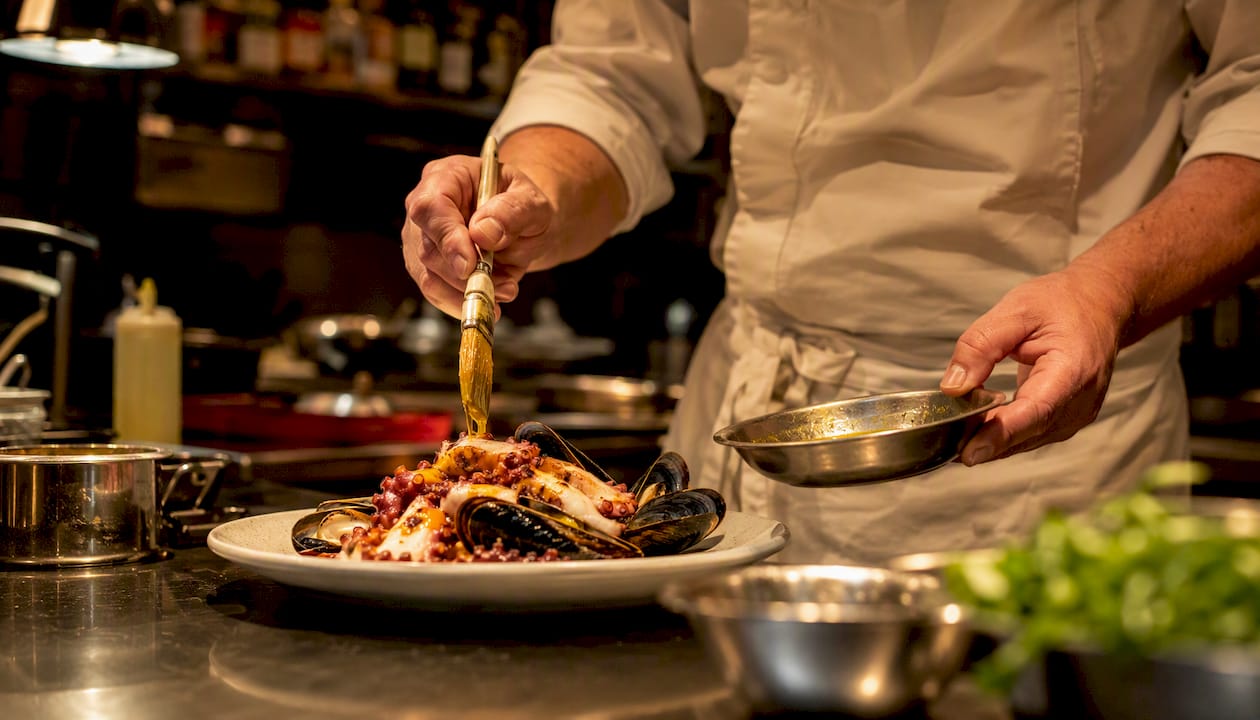
El chef emplatando un pulpo a la gallega

Para los platos más representativos de la gastronomía gallega, desde el pulpo a feira hasta la empanada, una buena referencia es esta guía de platos gallegos imprescindibles antes de sentarte a la mesa.

Consejo profesional: En fines de semana y durante las peregrinaciones de verano, los Bib Gourmand del centro se llenan con rapidez. Reserva con 7–14 días de antelación entre junio y septiembre; en temporada baja, 2–3 días suelen bastar para la mayoría. Para A Tafona, no bajes de dos semanas en ningún mes.

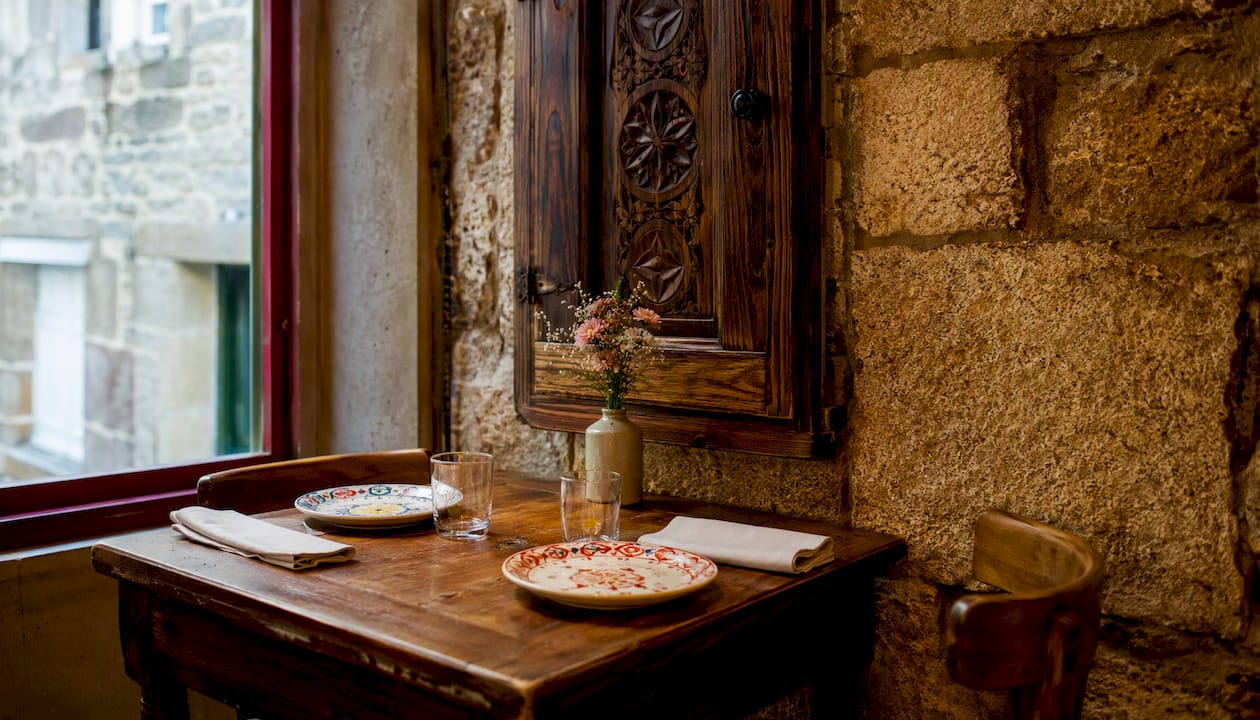
Ambiente acogedor en un restaurante gallego distinguido con el sello Bib Gourmand

Los rankings de la guía Macarfi y la prensa regional son útiles para identificar tendencias, pero conviene contrastarlos con reseñas recientes en Google para confirmar que el estilo y el equipo del restaurante no han cambiado desde la publicación.


Una forma diferente de descubrir la gastronomía compostelana

Tourgalicia

Recorrer el Mercado de Abastos, entender qué hace especial al marisco gallego y saber exactamente qué pedir en cada parada es mucho más fácil con alguien local al lado. El freetour gastronómico de Santiago de Tourgalicia combina una visita guiada al mercado con paradas en restaurantes seleccionados, explicaciones sobre producto de temporada y recomendaciones de maridaje con vinos y albariño. Los grupos son pequeños, el formato es flexible (disponible en varios idiomas) y la reserva se gestiona directamente en la web. Si prefieres explorar por tu cuenta con esta guía, adelante; si quieres que un guía local te lleve de la mano por los sabores de Compostela, reserva tu plaza en Tourgalicia y llega con hambre.


Fuentes

Consejo profesional: Antes de reservar, comprueba las reseñas de Google de los últimos 3 meses. Un cambio de chef o de carta puede alterar completamente la experiencia que describe una guía publicada hace un año.

Recomendación

리바데오 당일치기 여행 방법, 해변과 항구를 편하게 보는 일정 짜기

리바데오에서 가장 아쉬운 하루는 대성당 해변에 도착했지만 밀물이라 모래사장으로 내려가지 못하는 날입니다. 리바데오 당일치기 여행 방법을 알아볼 때는 유명 명소를 많이 넣는 것보다 조수 시간에 맞춰 동선을 정하는 일이 먼저입니다. 해변, 항구, 인디아노 건축이 남은 구시가지까지 모두 볼 수 있는 곳이지만, 출발 도시와 계절에 따라 가장 현실적인 일정은 달라집니다.

리바데오는 갈리시아 북동쪽, 아스투리아스와 경계를 이루는 에오강 하구에 자리한 항구 도시입니다. ‘아스 카테드라이스 해변’으로 알려진 대성당 해변이 여행의 중심이지만, 바위 아치 사이를 걷는 한두 시간만으로 리바데오의 매력이 끝나지는 않습니다. 바다와 강이 만나는 산책로, 흰색 갤러리 창이 이어진 거리, 조용한 광장까지 함께 보면 이 지역 특유의 느린 분위기가 선명해집니다.

리바데오 당일치기 여행 방법의 핵심은 조수표입니다

대성당 해변은 썰물 때만 해변 아래로 내려가 바위 아치와 동굴 가까이를 걸을 수 있습니다. 만조에는 위쪽 전망대에서 해안 절벽을 보는 방식으로 방문해야 하며, 바위 아래 통로와 모래사장은 접근할 수 없습니다. 따라서 출발 전 가장 먼저 확인할 정보는 당일의 간조 시각입니다.

가장 좋은 방법은 간조 전후 약 두 시간에 해변 방문 시간을 배치하는 것입니다. 현장에 너무 늦게 도착하면 되돌아 나올 시간이 부족하고, 파도가 높거나 기상 경보가 있는 날은 조수와 관계없이 일부 구간이 통제될 수 있습니다. 자연 해변인 만큼 사진보다 안전이 우선입니다. 파도 가까이 서거나 동굴 깊숙이 들어가는 행동은 피하고, 안내 표지와 현장 관리 인력의 지시를 따라야 합니다.

성수기에는 해변 출입 관리 또는 사전 등록 절차가 적용될 수 있습니다. 방문 날짜가 정해졌다면 관련 조건을 미리 확인하는 편이 좋습니다. 특히 7월과 8월, 부활절 연휴, 주말에는 주차와 접근 시간이 예상보다 길어질 수 있습니다. ‘해변에서 두 시간’만 계산하지 말고 주차장 또는 하차 지점부터 이동하고 돌아오는 시간까지 세 시간가량 잡아두면 일정이 훨씬 편합니다.

출발지별 이동 시간과 선택 기준

산티아고데콤포스텔라에서 리바데오까지는 자동차나 전용 차량 기준으로 대체로 2시간 30분 안팎을 생각해야 합니다. 아코루냐에서는 약 2시간 전후로, 교통과 경유지에 따라 차이가 납니다. 왕복 이동이 길기 때문에 대중교통만으로 당일치기를 계획한다면 시간표가 여행의 만족도를 좌우합니다. 이른 출발과 늦은 귀환이 가능할 때 선택하는 것이 좋습니다.

렌터카는 원하는 간조 시간에 맞추기 쉽고, 대성당 해변과 리바데오 시내를 한 번에 연결하기 편합니다. 가족 여행이나 3명 이상 그룹이라면 비용과 이동 자유도를 함께 고려할 만합니다. 다만 성수기 주차, 낯선 도로 운전, 귀환 시간은 부담이 될 수 있습니다.

운전 없이 방문하려면 가이드 동행 당일 투어가 실용적입니다. 차량, 해변 접근 시간, 주요 정차지를 따로 조율하지 않아도 되고 이동 중 지역 이야기를 들을 수 있다는 장점이 있습니다. 산티아고나 아코루냐에 머무르며 하루를 효율적으로 쓰고 싶은 여행자라면 Tour Galicia처럼 현지 출발 동선을 운영하는 업체의 출발지, 총 소요 시간, 포함 사항, 취소 조건을 비교해 보세요. 크루즈 승객은 특히 항구 복귀 시간을 명확히 확인해야 합니다.

대중교통은 비용을 줄일 수 있지만, 기차나 버스 도착 시간이 간조와 맞지 않으면 대성당 해변의 핵심 경험을 놓칠 수 있습니다. 리바데오 시내까지만 이동한 뒤 해변 구간에 택시를 이용하는 방식도 가능하지만, 성수기에는 귀환 차량을 미리 생각해야 합니다. 당일치기라면 ‘갈 수 있는가’보다 ‘원하는 시간에 해변을 볼 수 있는가’를 기준으로 판단하는 편이 정확합니다.

가장 균형 좋은 하루 일정

간조가 오전 또는 이른 오후에 있는 날을 기준으로 하면, 먼저 대성당 해변을 방문하고 리바데오 시내에서 점심과 산책을 즐기는 순서가 가장 안정적입니다. 출발 시간이 이른 편이라면 해변이 비교적 한산한 시간대를 기대할 수 있고, 오후에는 시내의 카페와 상점, 강변 풍경을 여유 있게 볼 수 있습니다.

오전: 대성당 해변에서 바위 아치 사이를 걷기

해변에서는 넓은 풍경을 보는 시간과 모래사장을 걷는 시간을 구분해 생각하세요. 절벽 위 전망대에서는 해안선과 아치의 형태를 한눈에 볼 수 있습니다. 아래로 내려가면 바위가 만드는 통로, 젖은 모래에 비친 반사광, 가까이에서 느껴지는 절벽의 질감이 전혀 다른 인상을 줍니다.

신발은 미끄럼 방지가 되는 운동화가 좋습니다. 물에 젖어도 괜찮은 신발이면 더 편하지만, 슬리퍼는 바위와 모래가 섞인 구간에서 불안정합니다. 바람이 강한 날이 많으므로 여름에도 얇은 방풍 재킷을 챙기고, 겨울에는 방수 겉옷과 여벌 양말이 있으면 유용합니다. 해변에 매점이나 화장실이 항상 가까이 있다고 가정하지 말고, 물과 간단한 간식은 출발 전에 준비하세요.

오후: 리바데오 항구와 구시가지 산책

해변에서 나온 뒤에는 리바데오 중심으로 이동해 점심을 먹는 흐름이 자연스럽습니다. 메뉴는 계절과 식당에 따라 다르지만, 대서양 해산물, 문어 요리, 갈리시아식 소고기, 가벼운 타파스를 선택하기 좋습니다. 해변 방문 후 옷이나 신발에 모래가 묻을 수 있으니, 너무 격식 있는 식당보다는 편안한 분위기의 장소가 부담이 적을 수 있습니다.

식사 후에는 산타클라라 수녀원 주변 거리와 인디아노 양식 주택이 남은 시내를 천천히 걸어보세요. 19세기와 20세기 초 아메리카 대륙으로 이주했다 돌아온 이들이 남긴 주택은 리바데오의 경제와 이주의 역사를 보여줍니다. 화려한 장식보다도 발코니, 유리 갤러리, 정원 같은 세부에서 도시의 성격이 드러납니다.

시간이 남는다면 에오강 하구를 따라 이어지는 산책로로 향하세요. 바다 절벽의 극적인 풍경과 달리 이곳은 잔잔한 물빛과 항구의 일상을 볼 수 있는 곳입니다. 해 질 무렵까지 머무를 수 있다면 아스투리아스 방향으로 이어지는 다리와 하구를 바라보는 시간이 좋은 마무리가 됩니다. 다만 산티아고 또는 아코루냐로 돌아가야 한다면 일몰보다 출발 시간을 우선해야 합니다. 야간 운전이 부담스럽거나 투어 귀환 시간이 정해져 있다면, 오후 산책은 40분에서 1시간 정도로 조절하세요.

시간이 부족할 때 무엇을 줄일까

리바데오 당일치기에서 줄이면 안 되는 것은 대성당 해변의 조수 시간입니다. 반대로 유연하게 줄일 수 있는 것은 구시가지 산책의 길이와 식사 시간입니다. 이동 시간이 긴 산티아고 출발이라면 해변과 시내 중심, 하구 산책로 중 두 곳을 충분히 보는 편이 세 곳을 급하게 훑는 것보다 낫습니다.

비가 온다고 바로 여행을 포기할 필요는 없습니다. 갈리시아의 해안은 흐린 날에도 절벽과 파도의 색감이 인상적입니다. 하지만 강풍, 높은 파도, 접근 통제가 예상되는 날이라면 해변 아래보다 리바데오 시내와 전망대 중심으로 계획을 바꾸는 것이 안전합니다. 사진을 위한 여행이라면 맑은 날이 유리하지만, 풍경과 지역 분위기를 즐기려는 여행이라면 날씨가 조금 흐려도 충분히 가치가 있습니다.

아이와 함께라면 해변 아래 바위 구간을 짧게 보고, 전망대와 시내 산책을 중심으로 구성하세요. 유모차는 모래사장과 계단 구간에서 불편할 수 있습니다. 어르신과 함께하는 여행도 마찬가지입니다. 절벽 위 전망대만으로도 경관을 즐길 수 있으며, 반드시 해변 아래까지 내려가야 좋은 여행이 되는 것은 아닙니다.

예약 전 확인하면 좋은 실전 정보

당일 투어나 교통편을 예약할 때는 출발 시간만 보지 말고 실제 리바데오 체류 시간, 대성당 해변에서의 자유 시간, 식사 포함 여부를 확인하세요. ‘리바데오 방문’이라는 표현만으로는 해변 아래 접근이 가능한 간조 시간에 맞춰 운행하는지 알기 어렵습니다. 해변 일정이 조수에 따라 조정될 수 있는지도 물어보면 좋습니다.

무료 취소 가능 시점도 살펴보세요. 해안 날씨는 변수가 있고, 여행 전날까지 일정이 바뀌는 경우도 있습니다. 예약 확인서의 집결 장소, 귀환 시각, 짐 보관 가능 여부, 언어를 미리 체크하면 아침에 불필요하게 서두르지 않아도 됩니다. 크루즈 승객은 선박 승선 마감보다 충분히 앞선 복귀가 보장되는 일정인지 반드시 확인해야 합니다.

리바데오는 대성당 해변 하나만 보고 돌아오기에는 아쉬운 도시지만, 모든 장소를 하루에 넣기에는 이동 거리가 있는 목적지이기도 합니다. 간조 시간 하나를 기준으로 잡고, 그 앞뒤에 항구와 구시가지를 더해 보세요. 여행이 빽빽해지지 않을수록 바위 아치 아래의 파도 소리와 하구의 고요함이 더 오래 기억에 남습니다.

Free Walking Tour Santiago: What You’ll See

The first glimpse of the Cathedral towers can stop even an experienced traveler in their tracks. But Santiago de Compostela makes much more sense once you know why a quiet passage is called Rúa da Acibechería, where pilgrims entered the city, and how centuries of rain shaped the granite beneath your feet. A free walking tour Santiago visitors choose is a practical first step for getting those stories straight, without trying to navigate the historic center alone.

Santiago is compact, but it is not a city that reveals itself through a checklist. Its streets curve, its squares connect in surprising ways, and many of the details worth noticing are easy to miss. A guided walk gives your first hours in the city a useful structure, then leaves you better prepared to return to the places that interest you most.

What a free walking tour of Santiago usually covers

Most tours begin close to the Cathedral or at a central square in the old town. The exact meeting point matters: Santiago has several plazas within a few minutes of one another, so confirm it before leaving your accommodation and arrive 10 minutes early. The historic center is pedestrian-friendly, but its stone streets can be slippery after rain.

A typical route introduces the main squares around the Cathedral. Obradoiro Square is the grand arrival point, framed by the Cathedral facade, the Hostal dos Reis Católicos, the Pazo de Raxoi, and the College of San Jerónimo. It is the image many visitors expect, yet a guide can explain how the space functions as a meeting place for pilgrims, students, residents, and visitors rather than simply a photo stop.

From there, the walk often moves toward the Cathedral’s other sides. Platerías Square carries Romanesque detail and a different atmosphere from Obradoiro. Quintana Square, with its broad steps and monastic surroundings, is one of the city’s most memorable spaces after sunset. Azabachería Square connects the Cathedral with the route used by many Camino de Santiago pilgrims as they make their final approach.

Beyond the Cathedral complex, many routes include narrow streets such as Rúa do Franco, Rúa da Raíña, and Rúa de Vilar. These are lively streets for food, shopping, and people-watching, but they also help explain the city’s long relationship with travelers. You may pass the Mercado de Abastos, traditional convents, small stone arches, and corners associated with the University of Santiago de Compostela.

The route varies by guide, duration, group size, and day of the week. That is a strength rather than a problem. A guide may adapt the walk to weather, local events, or access around the Cathedral. Still, if there is one landmark you especially want to see, check the route description before booking instead of assuming every tour includes it.

Free does not mean without value

A free walking tour is generally based on tips. You reserve a place without a fixed tour price, then decide at the end what the experience was worth to you. This model can be an excellent choice for independent travelers who want an introduction to Santiago before choosing museums, food experiences, or day trips around Galicia.

It also comes with a little responsibility. A local guide spends time preparing the route, managing the group, and bringing the city’s history to life. If the visit is useful and enjoyable, leave a tip that reflects the quality of the experience and your budget. For travelers used to fixed-price tours, this is the main difference to understand before joining.

Free tours can attract larger groups, especially in spring, summer, and around major Camino arrival periods. If you prefer a more personal pace, detailed questions, or an itinerary built around your interests, a small-group or private guided visit may suit you better. It depends on whether your priority is flexibility, a lower upfront cost, or a more tailored experience.

How to choose the right free walking tour Santiago experience

Start with the practical information, not only the tour title. Look for the length of the route, language, meeting point, cancellation policy, and whether advance booking is required. A two-hour walk is often enough for an overview of the old town, while a longer visit may add more context about the Camino, local traditions, or university life.

The guide’s approach matters too. Santiago has deep religious, artistic, and social history. Some travelers want to focus on the Camino and the Cathedral; others prefer everyday local life, legends, architecture, or food culture. Read the description carefully and choose a route that matches the way you like to travel.

Reviews are useful when they mention specifics: clear explanations, an easy-to-find meeting point, a guide who manages the group well, and a pace that works for different ages. Broad praise is encouraging, but details tell you more about what your own experience may be like.

If you are traveling with children, older relatives, or anyone with limited mobility, ask about the route before reserving. The historic center has slopes, steps, cobbled lanes, and occasional crowding. A good operator should explain what to expect clearly and help you decide whether a standard group walk is appropriate.

Plan for Santiago’s weather and streets

Santiago’s weather is part of the experience. The city can be bright and warm, then wet an hour later, particularly outside the driest summer weeks. Do not let a forecast of rain automatically cancel your plans. Granite facades, arcades, and mist over the old town have their own character. Just come prepared.

For a comfortable walk, bring four simple essentials:

  • Shoes with grip for wet stone and uneven paving
  • A compact rain jacket or umbrella
  • Water, especially on warmer days
  • A charged phone with your booking confirmation and meeting-point details

Avoid relying on high heels or smooth-soled shoes. They may be fine for dinner, but they are not ideal for a route that includes cobblestones and sloping streets. In colder months, layers work better than one heavy item because the temperature can change while you walk between open squares and sheltered lanes.

Morning tours tend to offer a calmer atmosphere, especially before day visitors and larger groups fill the area. Afternoon walks can be more animated and may finish close to the traditional dinner hour. If your time in Santiago is limited, take a tour on your first day. You will likely leave with restaurant streets, quieter viewpoints, and return visits already in mind.

Turn your first walk into a better stay

A walking tour should not replace your free time in Santiago. It should make that time more rewarding. After the route, return to one square without a schedule. Sit with a coffee near the old town, visit the market when it is open, or walk toward Alameda Park for a broad view over the Cathedral towers.

This is also the right moment to ask your guide for recommendations that fit your plans. Be specific. A couple looking for a relaxed seafood dinner, a family needing an easy lunch, or a Camino traveler with one spare afternoon will benefit from different suggestions. Local knowledge is most useful when it responds to the time you have, not a generic list of places.

If Santiago is your base for several nights, the old town is only the beginning. Galicia’s coast, historic towns, wine landscapes, and Atlantic viewpoints are easier to enjoy when transportation and timing are organized in advance. Tour Galicia can help travelers who want to combine the city with structured day trips led by local guides, without the need to rent a car.

A few questions worth asking before you go

Is the Cathedral interior included? Often, no. Free walking tours commonly explain the exterior and surrounding streets, while entry rules, service times, and security arrangements can affect interior visits. Check separately if entering the Cathedral is a priority.

Do you need to reserve? In many cases, yes. Even tours with no fixed upfront price may require a reservation because group capacity is limited. Cancel promptly if your plans change so another traveler can take the place.

Can you join after the tour starts? It is better not to count on it. The old town has many intersecting lanes, and locating the group once it has left the meeting point can be difficult.

The best way to experience Santiago is to give its details time to register: the sound of footsteps on wet stone, the pilgrims arriving from the Camino, and the small carvings above doors you might otherwise pass without seeing. Start with a guide who knows the city, then let your own curiosity choose where to linger.

Pontevedra en un día: itinerario a pie por el casco histórico

Puedes recorrer lo esencial de Pontevedra a pie en un día siguiendo esta ruta: empieza en la Plaza da Peregrina a las 9:30, avanza por la Praza da Ferrería, la Praza da Leña y la Basílica de Santa María la Mayor, dedica la mañana a las Ruinas de Santo Domingo y el Museo de Pontevedra, y reserva el mediodía para el Mercado de Abastos. La tarde la ocupan el paseo fluvial hasta el Ponte do Burgo y la Praza das Cinco Rúas. El recorrido completo, con pausas y comida, se mueve varias horas. La oficina de turismo de Pontevedra destaca que el modelo peatonal del centro histórico es el principal activo cultural de la ciudad, lo que convierte el paseo urbano en la forma más auténtica de conocerla.

Si llegas desde fuera de la ciudad y prefieres no preocuparte por la logística, Tourgalicia ofrece excursiones guiadas con transporte incluido que permiten aprovechar cada hora del día.

Momento del díaParada principalTiempo estimado
Mañana (9:30–13:30)Plaza da Peregrina, Praza da Ferrería, Praza da Leña, Basílica, Museo, Ruinas4 horas
Mediodía (13:30–15:00)Mercado de Abastos60–90 min
Tarde (15:00–19:00)Ponte do Burgo, Praza das Cinco Rúas, Alameda3–4 horas

Puntos clave

Un día en Pontevedra bien planificado, empezando en la Plaza da Peregrina y terminando en el Ponte do Burgo, permite ver lo esencial del casco histórico sin prisas y con tiempo para comer bien.

PuntoDetalles
Ruta a pie por el casco históricoEmpieza en Plaza da Peregrina y sigue el orden geográfico para no perder tiempo entre puntos.
Tiempo total estimadoEntre 8 y 10 horas con pausas, comida y paseo fluvial por el río Lérez.
Mejor parada para comerEl Mercado de Abastos ofrece marisco fresco al momento; reserva 60–90 minutos al mediodía.
Mejor época para visitarMayo, junio y septiembre combinan buen tiempo con menor afluencia turística en el casco antiguo.
TourgaliciaExcursiones guiadas con transporte incluido desde Santiago de Compostela, A Coruña y puertos de cruceros.

Tabla de contenidos

¿Cómo organizar Pontevedra en un día hora a hora?

La clave para aprovechar bien la jornada es respetar el orden geográfico: los puntos del casco histórico están a menos de diez minutos a pie entre sí, así que el mayor error sería saltar de un extremo al otro sin criterio.

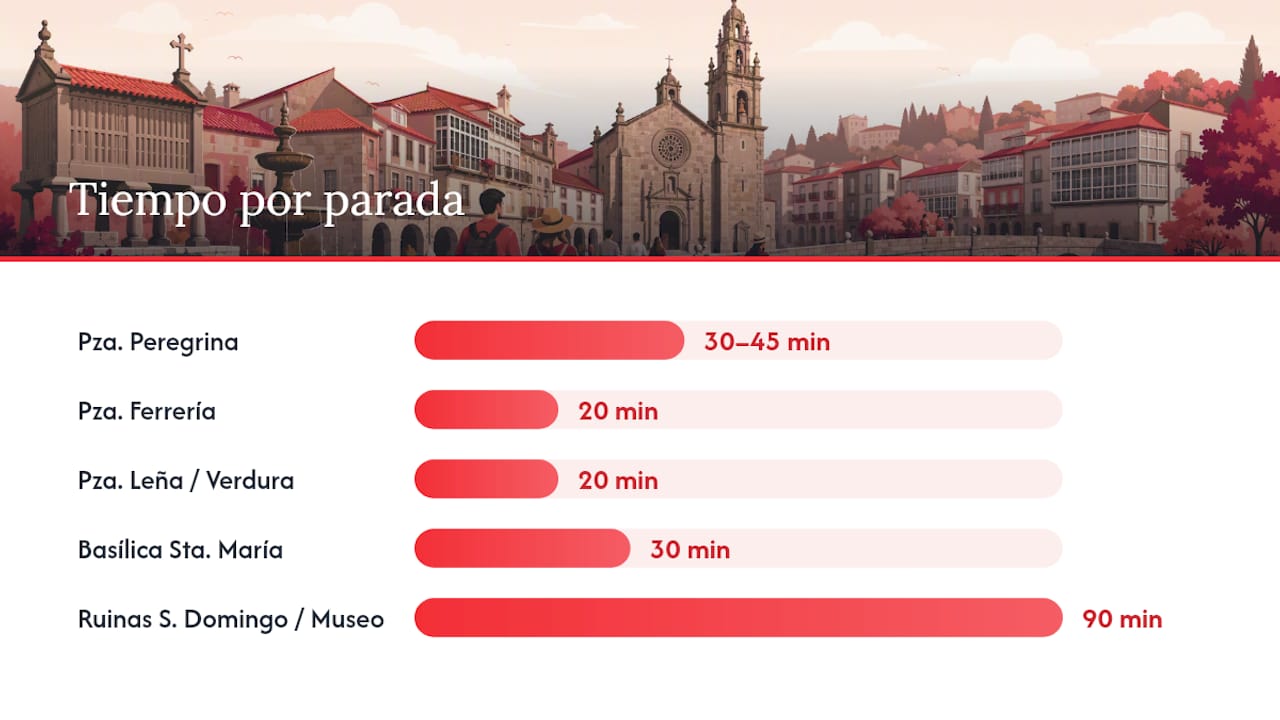
  1. 9:30 — Plaza da Peregrina (30–45 min). Arranca aquí. La capilla de planta en forma de concha es el símbolo más reconocible de la ciudad y el punto de encuentro natural de peregrinos y turistas. Dedica unos minutos a observar la fachada barroca antes de continuar.
  2. 10:15 — Praza da Ferrería (20 min). A dos minutos a pie, esta plaza porticada es el corazón social del casco antiguo. Tómate un café en una de las terrazas y observa el ambiente antes de entrar en materia.
  3. 10:35 — Praza da Leña y Praza da Verdura (20 min). Dos plazas contiguas con un encanto especial: la primera alberga el Museo de Pontevedra en uno de sus edificios, la segunda conserva el sabor de un mercado tradicional. Perfectas para fotografiar.
  4. 11:00 — Basílica de Santa María la Mayor (30 min). La gran obra arquitectónica de la ciudad. Reserva tiempo para la fachada plateresca, donde se esconde la figura de San Jerónimo con gafas, un detalle que pocos visitantes advierten a primera vista.
  5. 11:30 — Ruinas de Santo Domingo y Museo de Pontevedra (90 min). El Museo de Pontevedra reúne seis edificios con colecciones que van desde la Prehistoria hasta la actualidad. Las ruinas del convento de Santo Domingo, integradas en el propio museo, son uno de los espacios más fotogénicos de toda la ruta. Si el tiempo apremia, prioriza las salas de arqueología y la galería de pintura gallega.
  6. 13:30 — Mercado de Abastos (60–90 min). Comida y pausa. El mercado es el núcleo gastronómico y social de la ciudad, con puestos donde consumir marisco fresco en el momento.
  7. 15:00 — Ponte do Burgo y paseo fluvial (60 min). El puente medieval sobre el río Lérez ofrece las mejores vistas de la ciudad desde el agua. Camina por la orilla hasta la Praza das Cinco Rúas.
  8. 16:00 — Praza das Cinco Rúas y Alameda (60–90 min). Cierra la jornada en la Alameda o el Parque das Palmeiras, donde el ritmo se ralentiza de forma natural.

Si llueve: Pontevedra tiene una red de soportales y galerías cubiertas que permiten moverse entre la Praza da Ferrería, la Praza da Leña y el Mercado de Abastos casi sin mojarse. El Museo de Pontevedra es, además, la mejor opción para alargar la visita interior.

Consejo profesional: Mayo, junio y septiembre son los meses con menor afluencia turística y mejor luz para fotografiar el casco histórico. Llegar antes de las 10:00 garantiza las plazas prácticamente para ti solo durante la primera hora.


¿Cómo organizar Pontevedra en un día hora a hora? — overview diagram

Los lugares imprescindibles del casco histórico, uno a uno

El casco histórico de Pontevedra fue declarado Conjunto Histórico-Artístico en 1951 y es considerado uno de los cascos antiguos más importantes de Galicia. Cada plaza y cada calle tienen una historia que vale la pena conocer antes de llegar.

Plaza da Peregrina. La capilla barroca de planta en forma de concha de vieira es única en España. Construida en el siglo XVIII, marca el inicio del camino portugués hacia Santiago. Tiempo recomendado: un tiempo adecuado para disfrutar del lugar. Mejor foto: desde la esquina con la Praza da Ferrería, con la fachada al fondo.

Basílica de Santa María la Mayor. Fachada plateresca del siglo XVI con una riqueza escultórica que rivaliza con cualquier catedral gallega. Busca la figura de San Jerónimo con gafas en el registro superior de la portada: es uno de los detalles más curiosos del arte religioso gallego. Tiempo recomendado: un tiempo adecuado para disfrutar del lugar.

Praza da Leña, Praza da Verdura y Praza da Ferrería. Tres plazas que forman el alma del casco antiguo. La Praza da Leña, con sus casas de piedra y soportales, es la más fotogénica. La Praza da Verdura conserva el ambiente de mercado popular. La Praza da Ferrería, la más amplia, es el punto de reunión por excelencia. Tiempo conjunto: un tiempo breve para disfrutar de las plazas.

Ruinas de Santo Domingo. El ábside gótico del antiguo convento dominico, abierto al cielo, alberga escudos nobiliarios medievales y lápidas sepulcrales. Integrado en el Museo de Pontevedra, puede visitarse sin entrada adicional en algunos horarios. Tiempo recomendado: 20 minutos.

Museo de Pontevedra. Seis edificios, colecciones desde la Prehistoria hasta el siglo XX y una sección de arte gallego que sorprende por su calidad. Para una visita de un día, un tiempo razonable permite ver lo esencial. Consulta horarios en la web oficial antes de ir, ya que algunos edificios cierran en días concretos.

Ponte do Burgo y Praza das Cinco Rúas. El puente medieval es el mirador natural sobre el Lérez. La Praza das Cinco Rúas, donde confluyen cinco calles del casco antiguo, es uno de esos rincones que aparecen en todas las postales de la ciudad. Tiempo recomendado: 45 minutos para el paseo completo.

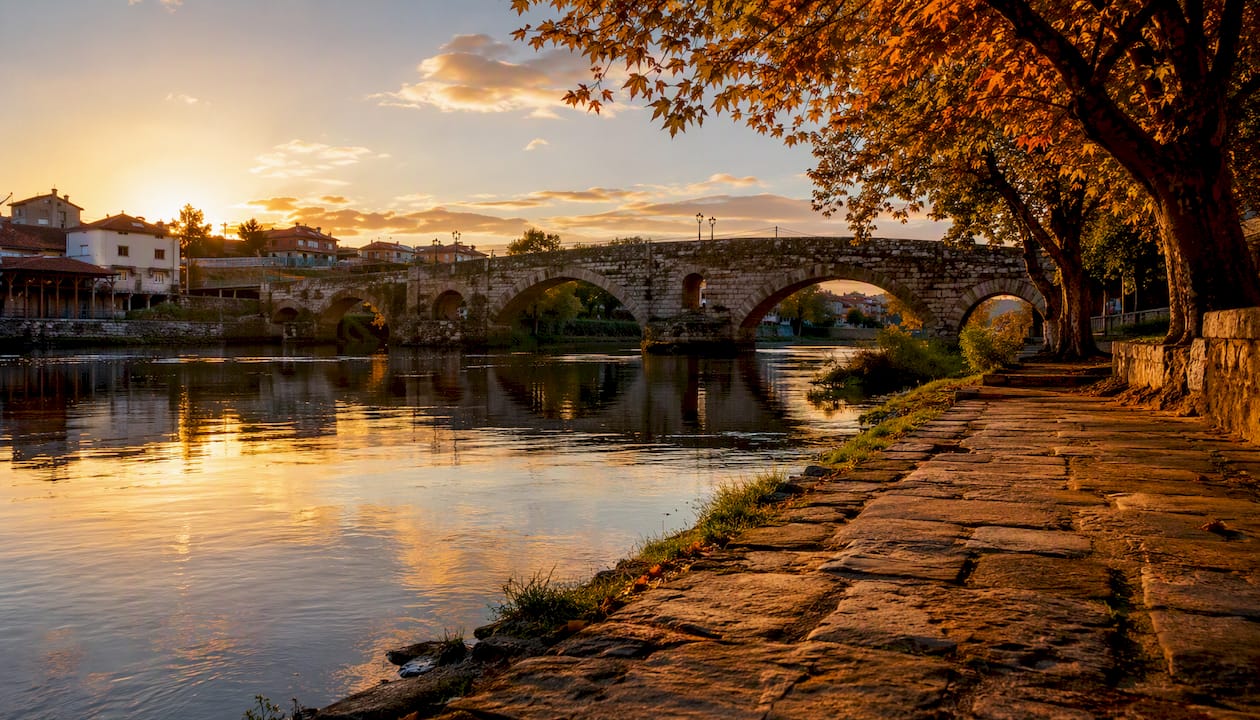
El puente de O Burgo bañado por la cálida luz del atardecer

Consejo profesional: La luz de la tarde sobre la Praza da Leña y el Ponte do Burgo es especialmente cálida entre las 17:00 y las 19:00. Si te interesa la fotografía, guarda energía para ese tramo final.

LugarTiempo recomendadoPor qué no saltárselo
Plaza da Peregrina30 minSímbolo de la ciudad, inicio natural de la ruta
Basílica de Santa María la Mayor30 minMejor fachada plateresca de Pontevedra
Praza da Leña / Verdura / Ferrería25 minCorazón social y fotogénico del casco antiguo
Ruinas de Santo Domingo20 minGótico al aire libre, integrado en el Museo
Museo de Pontevedravarias horasSeis edificios, arte gallego de primer nivel
Ponte do Burgo45 minMejores vistas del río y cierre de jornada

¿Dónde comer en Pontevedra y qué platos no puedes perderte?

El Mercado de Abastos es la opción más recomendada para comer durante una visita de un día: combina frescura, precio razonable y ambiente local auténtico. Los puestos del interior sirven marisco al momento, y muchos permiten comprar la pieza y consumirla en el propio mercado. El horario habitual de los puestos de cocina es de 13:00 a 16:00, así que ajusta la pausa al mediodía.

Si prefieres sentarte en un restaurante, el entorno de la Praza da Ferrería y las calles adyacentes concentra opciones para todos los presupuestos:

  • Económico: bares de tapas con raciones de pulpo, empanada y zamburiñas por menos de 15 € por persona.
  • Precio medio: restaurantes de cocina gallega tradicional donde un menú del día ronda los 12–18 €.
  • Más formal: casas de comidas especializadas en marisco fresco donde el gasto sube según la pieza elegida.

Los platos que no deberían faltar en tu mesa: zamburiñas a la plancha, berberechos al vapor, pulpo á feira con pimentón y aceite, y empanada gallega de atún o bacalao. Para beber, un vaso de albariño de las Rías Baixas es la elección local por excelencia. Si quieres profundizar en la gastronomía de la región, la guía de comidas típicas gallegas de Tourgalicia recoge los platos esenciales con contexto cultural.

Consejo profesional: Si tu prioridad es ver el mayor número de lugares posible, el Mercado de Abastos te permite comer bien en 60 minutos. Si la gastronomía es parte central de tu visita, reserva 90–120 minutos y siéntate en un restaurante cercano con carta completa.


Cómo llegar a Pontevedra y moverse por la ciudad

En tren. La estación de Pontevedra está a menos de diez minutos a pie del casco histórico. Renfe conecta la ciudad con Vigo (20 min), Santiago de Compostela (35–40 min) y A Coruña (1 h 20 min). Es la opción más cómoda si llegas desde cualquier punto de Galicia.

En avión. El aeropuerto más cercano es el de Vigo-Peinador, a unos 30 km. Desde allí, taxi o autobús hasta la estación de Vigo y tren hasta Pontevedra es la combinación más habitual, con un tiempo total de unos 50–60 minutos puerta a puerta.

En coche. La autopista AP-9 conecta Pontevedra con Vigo y Santiago. El centro histórico es mayoritariamente peatonal, así que lo más práctico es aparcar en uno de los parkings públicos del perímetro (Alameda, Campolongo o Peregrina) y continuar a pie. Entrar con coche al casco antiguo no solo es difícil: en muchas calles está directamente prohibido.

Moverse por la ciudad. El centro se recorre íntegramente a pie; las distancias entre los puntos principales no superan los 600 metros. Para llegar a la Illa das Esculturas, situada en el río Lérez, el transporte público o un taxi son las opciones más cómodas desde el centro. Los senderos y rutas a pie por Galicia también incluyen tramos urbanos que conectan con el entorno natural de la ría.

Accesibilidad. El casco histórico combina calles empedradas con tramos adaptados. Las plazas principales (Ferrería, Peregrina) son accesibles en silla de ruedas, pero algunas callejuelas medievales presentan desniveles y adoquines irregulares. Conviene consultar el itinerario con la Oficina de Turismo si la movilidad reducida es un factor relevante.

Consejo profesional: Si llegas en tren muy temprano y tu alojamiento no tiene disponible el check-in, la consigna de la estación de Pontevedra permite dejar el equipaje y empezar la ruta sin carga.


¿Qué ver cerca de Pontevedra si puedes alargar la visita?

Pontevedra es un punto de partida natural para tres excursiones de media jornada que merecen la pena si dispones de algo más de tiempo.

  • Combarro. A unos 8 km al oeste, este pueblo marinero conserva los hórreos más fotografiados de Galicia, asomados directamente al mar. El trayecto en coche dura unos 15 minutos; en autobús, algo más. Calcula 2 horas para recorrerlo con calma.
  • Sanxenxo y playa de Silgar. A 20 km, Sanxenxo es la referencia veraniega de las Rías Baixas. La playa de Silgar, en pleno centro, es una de las más concurridas de Galicia en verano. El trayecto en coche ronda los 25 minutos. Si te interesa combinar playa y gastronomía, la excursión a Pontevedra, Sanxenxo y Portonovo de Tourgalicia conecta los tres destinos en una sola jornada.
  • Illa das Esculturas. A escasos minutos del centro por el paseo fluvial, esta isla en el Lérez alberga esculturas de artistas internacionales integradas en la naturaleza. Es una visita tranquila y diferente, perfecta para el final de la tarde. Llegar en transporte público o a pie desde el Ponte do Burgo es perfectamente viable.

Para quienes quieran ampliar la estancia a varios días, la guía de qué ver en Pontevedra recoge la provincia completa con opciones para cada tipo de viajero.


¿Vale la pena reservar un tour guiado para visitar Pontevedra?

La respuesta depende del tipo de viajero que seas. Un tour guiado no es solo comodidad: es contexto. Saber que la Basílica de Santa María la Mayor tardó más de un siglo en construirse, o entender por qué Pontevedra apostó por la peatonalización décadas antes que otras ciudades europeas, cambia completamente la experiencia de estar frente a esos lugares.

Las ventajas concretas de ir con guía local son:

  • Acceso a detalles históricos y anécdotas que no aparecen en los paneles informativos.
  • Optimización del tiempo: un guía conoce los horarios de menor afluencia y los atajos entre puntos.
  • Transporte incluido desde el punto de origen, lo que elimina la logística de aparcamiento o conexiones de tren.
  • Soporte multilingüe para grupos o viajeros internacionales.
  • Seguridad en la planificación: no hay riesgo de llegar a un museo cerrado o perderse una entrada por falta de información.

El perfil que más se beneficia de un tour guiado es el viajero que llega desde fuera de Galicia, tiene solo un día disponible y quiere aprovechar cada hora sin dedicar tiempo a investigar horarios y rutas. Quien prefiere el ritmo libre y ya conoce la ciudad puede recorrer el itinerario de este artículo sin necesidad de guía.

Pontevedra es una de esas ciudades que se entienden mejor cuando alguien te las cuenta. El casco histórico lleva siglos acumulando capas de historia que no siempre son visibles a simple vista: un guía local convierte un paseo agradable en una experiencia que recuerdas durante años.


Lo que hace especial a Pontevedra, más allá del itinerario

Hay algo en Pontevedra que los itinerarios no terminan de capturar: la sensación de que la ciudad fue diseñada para ser vivida, no solo visitada. La «boa vila», como la llaman sus habitantes, tiene esa cualidad de las ciudades que se toman en serio el espacio público. Las plazas no son decorado; son el lugar donde la gente desayuna, discute y se reencuentra.

La mañana temprana en la Praza da Leña, cuando los locales cruzan hacia el mercado y la luz rasante ilumina la piedra granítica, es uno de esos momentos que no aparecen en ninguna guía fotográfica pero que se quedan grabados. El atardecer desde el Ponte do Burgo, con el Lérez reflejando los últimos colores del día, tiene una calidad casi pictórica.

El consejo más honesto que puedo dar: sigue el itinerario, sí, pero reserva al menos media hora para perderte por las callejuelas entre la Basílica y las Ruinas de Santo Domingo sin ningún objetivo concreto. Ahí, donde el mapa no manda, suele estar lo mejor de Pontevedra.


Tourgalicia: visita Pontevedra con guía y sin preocupaciones

Recorrer Pontevedra a pie es perfectamente posible con este itinerario. Pero si llegas desde Santiago de Compostela, A Coruña o un puerto de cruceros y quieres aprovechar cada minuto sin gestionar trenes, horarios ni aparcamiento, Tourgalicia lo resuelve en una sola reserva.

Tourgalicia

Las excursiones guiadas de Tourgalicia a las Rías Baixas incluyen transporte cómodo desde el punto de salida, guías profesionales con conocimiento local profundo y soporte multilingüe para grupos de cualquier tamaño. No tienes que preocuparte por si el museo cierra antes de lo previsto ni por cómo llegar a Combarro después de comer. Si quieres ampliar la experiencia más allá de Pontevedra, los itinerarios de varios días por Galicia permiten combinar la ciudad con la costa, el interior y la gastronomía de la región en una sola escapada organizada. Consulta disponibilidad y reserva tu plaza en Tourgalicia.


Fuentes

Antes de salir, conviene confirmar horarios y posibles eventos locales. Pontevedra celebra cada año la Feira Franca (recreación medieval en septiembre) y las Festas da Peregrina (agosto), que pueden alterar el acceso a algunas plazas y aumentar la afluencia considerablemente.

Recomendación

A Coruna Cruise Shore Excursion That Fits

Your ship may be docked only a few steps from the waterfront, but an A Coruna cruise shore excursion can take you far beyond the terminal without turning your day into a race against the clock. This is a port where Roman history, Atlantic views, elegant city squares, and everyday Galician life sit close together. The key is choosing an itinerary that feels generous, yet leaves enough margin for a relaxed return to the ship.

A Coruña is made for a well-planned shore day. Its compact center rewards travelers who want culture without long drives, while its surrounding coastline offers a bigger sense of Galicia for guests with more time in port. With a local guide, transportation when needed, and a schedule built around your call time, you can spend less energy figuring out logistics and more time enjoying the city with someone who knows it.

Why A Coruña works so well for cruise guests

A Coruña is one of Galicia’s most accessible cruise ports. The terminal is close to the city center, so many highlights are within easy reach. That matters when your ship is in port for a limited number of hours and every transfer has to earn its place in the day.

The city has a distinct character. Its famous glazed galleries face the harbor, earning A Coruña the nickname City of Glass. Behind them, streets rise toward historic squares, churches, markets, and cafés where the local pace is calm but never dull. Along the coast, the Atlantic is always present – sometimes bright blue, sometimes dramatic and wind-swept.

For many visitors, the best first impression is the contrast: a modern port city with a deep past. A knowledgeable local guide can connect the landmarks to the stories that make them memorable, from Roman navigation to the city’s role in Spanish history.

Choose your A Coruna cruise shore excursion by time in port

The right plan depends less on how many places you can fit in and more on how long your ship is actually alongside. Check the all-aboard time, not only the arrival and departure times printed in your cruise itinerary. You should also allow time to walk through the terminal and return through security.

If you have four to five hours

Stay focused on A Coruña itself. A panoramic city tour paired with time in the Old Town is often the best balance. You can see María Pita Square, the harborfront galleries, and key viewpoints without spending a large part of the day on the road.

The Tower of Hercules is an essential stop when conditions allow. This UNESCO-listed Roman lighthouse has guided ships on this coast for nearly two thousand years. Even if you do not go inside, the surrounding sculpture park and ocean views show why this corner of the city leaves such a strong impression.

A shorter city itinerary is ideal for travelers who prefer a comfortable pace, families with different walking speeds, or guests visiting during a call with an early departure time. It also leaves room for a coffee, a small purchase, or a stroll near the port before rejoining the ship.

If you have six to eight hours

You can combine the city’s main landmarks with a broader coastal perspective. A guided route may include the Tower of Hercules, the historic center, waterfront viewpoints, and a more complete introduction to Galicia’s northern Atlantic landscape.

This is usually the sweet spot for cruise guests. There is enough time to understand A Coruña rather than simply take photos at its best-known sights, but not so much that the day becomes overambitious. Expect changes in weather near the coast, especially outside summer. A flexible guide can adjust the order of stops to make the most of clearer skies or shelter you from a passing shower.

If your ship has a long call

A longer stay opens the door to a more customized day. Depending on the group’s interests, that could mean more time in A Coruña’s museums and food markets, a visit to nearby Betanzos, or a scenic route that adds rural Galicia to the city experience.

There is a trade-off. Traveling farther gives you a different view of the region, but it also adds road time and reduces your buffer for the return journey. For cruise passengers, a destination should never be chosen only because it looks attractive on a map. It needs to fit the ship’s schedule, traffic conditions, and the group’s desired pace.

The stops that give A Coruña its personality

A good excursion does not need to chase every attraction. It should bring together the places that explain the city.

María Pita Square is the natural civic heart of A Coruña. The grand town hall and open plaza provide a setting for the story of María Pita, the local heroine remembered for her role in defending the city against an English attack in 1589. It is a stop that gives visitors more than architecture – it gives the city a voice.

The Old Town offers a different atmosphere. Narrower streets, historic religious buildings, and stone façades reveal the older A Coruña behind the harbor. This is where a guide adds real value, pointing out details that are easy to miss and explaining how the city changed from a Roman coastal settlement into the place you see today.

The Tower of Hercules brings the story back to the sea. Its location on a rugged headland is as significant as the monument itself. The wind, the waves, and the open horizon make this a very Galician experience, even on a cloudy day.

The waterfront galleries are another must-see, particularly for first-time visitors. These glass-fronted balconies are practical as well as beautiful: they help protect homes from the Atlantic climate while filling the promenade with light. They are a defining image of A Coruña, best appreciated from the marina or on a relaxed drive along the coastline.

What to look for when booking

Cruise travel has one non-negotiable requirement: you must return to the port with time to spare. When comparing shore excursions, look beyond the headline itinerary. Ask how the departure time is coordinated with your ship, where the meeting point is located, how much walking is expected, and whether transportation is included.

A dependable cruise excursion should provide four things clearly:

  • A meeting point that is easy to reach from the terminal
  • A schedule designed around the ship’s all-aboard time
  • A realistic route with no unnecessary detours
  • A local guide who can adapt the experience when weather or traffic changes

Small groups can make a meaningful difference. They tend to move more easily through the historic center, allow more interaction with the guide, and avoid the stop-and-start feeling of a large coach tour. On the other hand, a shared group tour may follow a fixed route, while a private option can be better for multigenerational families, groups of friends, or travelers with specific mobility needs.

Tour Galicia designs cruise experiences around the limited time available in port, combining coordinated logistics with guides who know the region firsthand. Before booking, confirm the activity duration and the return plan for your specific cruise date, since port schedules can vary.

Practical tips for a more comfortable day ashore

Wear comfortable shoes with a good grip. A Coruña is walkable, but some historic streets are uneven and coastal paths can be slick after rain. Bring a light waterproof layer rather than relying on an umbrella, which can be awkward in Atlantic wind.

Do not judge the day by the forecast alone. Galicia’s weather can change quickly, and soft gray skies often make the stone buildings, ocean, and green landscapes look especially striking. If you are hoping to visit the lighthouse area, a warm outer layer is useful even in warmer months.

Food lovers should leave space for a simple local taste, whether that means fresh seafood, empanada, or a pastry stop. A full sit-down meal can take longer than cruise guests expect, so it works best when it is part of the planned schedule rather than an unplanned delay.

Your shore day does not have to be packed to feel complete. Choose the route that gives you time to look out at the Atlantic, listen to the stories behind the streets, and return to the ship with Galicia still fresh in your mind.

루고 로마 성벽 가이드 투어, 성벽 위 관람 포인트

루고에 도착해 성벽 가까이 서면, 이곳이 단순한 구시가지의 경계가 아니라는 사실을 바로 느끼게 됩니다. 약 2km가 넘는 로마 성벽이 도시 중심을 온전히 감싸고 있고, 주민과 여행자는 지금도 그 위를 산책합니다. 루고 로마 성벽 가이드 투어는 이 독특한 풍경을 보는 데서 멈추지 않고, 왜 로마가 이곳에 거대한 방어선을 세웠는지, 성벽 안의 도시가 어떻게 오늘까지 이어졌는지를 이해하는 가장 좋은 방법입니다.

루고는 산티아고데콤포스텔라나 아 코루냐에서 당일 일정으로 찾기 좋은 문화 도시입니다. 다만 이동 시간과 성벽 위의 계단, 구시가지의 돌길까지 고려하면 자유 관람보다 동선을 정리해 주는 투어가 훨씬 편할 수 있습니다. 특히 갈리시아가 처음이거나 짧은 일정에 핵심만 보고 싶은 여행자라면, 성벽과 대성당, 로마 유적을 하나의 이야기로 연결해 주는 현지 가이드의 설명이 여행의 밀도를 높여 줍니다.

루고 로마 성벽 가이드 투어가 특별한 이유

루고의 로마 성벽은 서기 3세기 말에서 4세기 초 사이에 건설된 것으로 알려져 있습니다. 도시를 둘러싼 성벽의 전체 길이는 약 2,117m이며, 높이는 구간에 따라 다르지만 대체로 8~12m에 이릅니다. 원래는 수십 개의 탑이 방어 기능을 맡았고, 현재도 둥근 탑의 흔적이 성벽 윤곽을 따라 남아 있습니다.

무엇보다 이 성벽의 매력은 박물관 유리창 너머의 유산이 아니라는 데 있습니다. 성벽 상단 산책로를 실제로 걸을 수 있고, 여러 계단과 경사로를 통해 일상의 도시 풍경으로 이어집니다. 아침에는 운동하는 주민을, 오후에는 가족 단위 방문객을, 해 질 무렵에는 구시가지 지붕을 바라보는 여행자를 만날 수 있습니다. 2000년 유네스코 세계유산으로 등재된 이유도 보존 상태만이 아니라, 고대 구조물이 현대 도시의 삶 속에서 계속 기능하고 있기 때문입니다.

가이드 투어에서는 숫자와 연대 이상의 이야기를 듣게 됩니다. 성벽의 탑이 어떤 역할을 했는지, 시대에 따라 출입문이 어떻게 달라졌는지, 왜 일부 구간은 원형을 유지하고 일부는 도시 확장과 함께 변화했는지를 현장에서 확인합니다. 겉으로는 비슷해 보이는 석재와 탑도 설명을 들으면 전혀 다르게 보입니다.

성벽 위에서 꼭 봐야 할 구간과 풍경

성벽 전체를 한 바퀴 도는 데는 보통 30~50분 정도가 걸립니다. 사진을 충분히 찍고, 탑과 출입문을 살피며, 중간에 쉬어 간다면 1시간 이상을 잡는 편이 좋습니다. 그러나 처음 방문하는 여행자에게 중요한 것은 무조건 완주하는 일이 아닙니다. 시간과 체력에 맞춰 좋은 구간을 골라 걷는 편이 만족도가 높습니다.

대성당 주변 – 유산과 도시의 중심을 함께 보는 곳

루고 대성당 인근은 성벽과 구시가지의 분위기를 함께 느끼기 좋은 지점입니다. 성벽 위에서는 대성당의 지붕과 종탑, 오래된 골목의 윤곽이 한눈에 들어옵니다. 아래로 내려오면 대성당 외관과 광장을 둘러볼 수 있어, 성벽 산책 뒤에 자연스럽게 도보 투어를 이어 가기 좋습니다.

이 구간은 루고를 처음 찾는 가족 여행자나 부모님과 함께하는 여행자에게도 추천할 만합니다. 성벽 위 풍경만 보고 끝내기보다, 가이드와 함께 도시의 종교·상업·행정 중심이 어디에 형성됐는지 들으면 루고의 규모가 훨씬 선명해집니다.

포르타 미냐 – 로마 시대의 흔적이 선명한 출입문

포르타 미냐는 루고 성벽에서 특히 주목할 만한 문 가운데 하나입니다. 로마 시대부터 사용된 출입문으로 알려져 있으며, 성벽의 방어 기능을 상상하기 좋은 장소입니다. 오늘날의 도로와 보행 흐름을 보며 과거 도시로 들어오던 사람들의 이동을 떠올려 볼 수 있습니다.

이곳은 단독으로 사진만 찍기보다, 성벽의 문이 군사 시설인 동시에 도시의 관문이었다는 설명과 함께 볼 때 의미가 커집니다. 가이드는 보존된 구조와 후대의 변화가 만나는 지점을 짚어 주기 때문에, 자유 여행에서 지나치기 쉬운 디테일을 놓치지 않게 합니다.

성벽 상단 산책로 – 루고의 생활을 만나는 시간

성벽 위를 걷는 구간은 투어의 핵심입니다. 바깥쪽으로는 현대 루고의 거리와 녹지가, 안쪽으로는 조밀한 구시가지가 펼쳐집니다. 어느 방향을 보느냐에 따라 고대 방어 도시, 중세의 종교 도시, 현재의 생활 도시가 번갈아 나타납니다.

날씨가 맑다면 늦은 오후의 빛이 가장 좋습니다. 돌 성벽의 질감이 또렷해지고, 구시가지 지붕도 따뜻한 색으로 보입니다. 반면 여름 한낮에는 그늘이 적은 구간이 있어 모자와 물을 준비하는 것이 좋습니다. 갈리시아는 비가 잦지만, 약한 비 속의 젖은 돌길과 성벽도 운치가 있습니다. 다만 바닥이 미끄러울 수 있으므로 밑창이 안정적인 운동화를 권합니다.

가이드 투어와 자유 관람, 무엇이 더 잘 맞을까

성벽만 가볍게 산책하고 싶은 경우라면 자유 관람도 충분히 가능합니다. 입장 자체에 큰 제약이 없고, 원하는 출입구에서 올라가 원하는 속도로 걸을 수 있기 때문입니다. 루고에서 하룻밤을 보내며 아침과 저녁에 각각 성벽을 걷고 싶은 여행자에게도 자유 관람은 좋은 선택입니다.

반면 루고 방문 시간이 반나절 이하라면 가이드 투어의 장점이 분명합니다. 출발 지점과 성벽에 오르기 좋은 접근로를 찾는 시간을 줄이고, 대성당과 주요 광장, 로마 유적을 효율적으로 묶을 수 있습니다. 스페인 역사에 익숙하지 않은 여행자, 아이에게 단순한 돌벽보다 흥미로운 이야기를 들려주고 싶은 가족, 건축과 세계유산에 관심이 큰 여행자에게 특히 잘 맞습니다.

언어도 예약 전 확인할 요소입니다. 한국어 설명이 필요한지, 스페인어 또는 영어 가이드가 가능한지, 소규모 공동 투어인지 프라이빗 투어인지에 따라 경험이 달라집니다. 여러 세대가 함께 움직이거나 관심사가 뚜렷한 그룹이라면 프라이빗 방식이 더 편할 수 있습니다. 반대로 혼자 여행하거나 비용을 합리적으로 관리하고 싶다면 정해진 시간의 공동 투어가 적합합니다.

루고 방문 전 알아둘 실용 정보

루고 성벽은 계단으로 오르는 출입구가 많습니다. 일부 지점은 경사로 접근이 가능하지만, 모든 구간이 유모차나 휠체어에 편한 것은 아닙니다. 이동에 도움이 필요한 동행자가 있다면 예약 전에 투어의 이동 거리, 계단 포함 여부, 접근 가능한 구간을 반드시 확인하세요. 성벽 전체를 걷지 않고도 아래쪽 구시가지와 주요 문을 중심으로 충분히 즐길 수 있습니다.

당일치기라면 루고 도착 시각을 여유 있게 잡는 것이 좋습니다. 성벽 산책만 1시간, 구시가지와 대성당 주변 관람까지 더하면 최소 2~3시간은 필요합니다. 점심 시간에는 갈리시아식 문어 요리, 엠파나다, 현지 타파스를 맛볼 여유도 남겨 보세요. 루고는 성벽 안팎에 식당이 모여 있어 긴 이동 없이 식사 계획을 세우기 좋습니다.

성당 내부 관람이나 특별 행사, 지역 축제 기간에는 동선이 달라질 수 있습니다. 월요일, 공휴일, 미사 시간처럼 관람 조건이 달라지는 날도 있으므로, 특정 장소의 내부 방문이 여행의 우선순위라면 사전에 운영 시간을 확인하는 편이 안전합니다. 비 예보가 있는 날에는 우산보다 바람에 견디기 좋은 방수 재킷이 더 실용적입니다.

Tour Galicia처럼 갈리시아 현지 동선을 아는 운영사의 투어를 선택할 때는 출발 도시, 왕복 교통 포함 여부, 루고 체류 시간, 가이드 언어와 취소 조건을 먼저 살펴보세요. 산티아고데콤포스텔라나 아 코루냐에서 출발한다면 이동 자체가 일정의 큰 부분을 차지하므로, 성벽에서 실제로 확보되는 관람 시간이 얼마나 되는지가 중요합니다.

자주 묻는 질문

루고 로마 성벽은 한 바퀴 모두 걸어야 하나요?

아닙니다. 전체를 걸으면 성취감은 있지만, 풍경이 비슷하게 느껴질 수도 있습니다. 시간이 1~2시간뿐이라면 대성당 주변과 포르타 미냐를 포함한 핵심 구간을 걸은 뒤 구시가지로 내려오는 방식이 좋습니다. 가이드 투어라면 보통 역사적 의미와 전망이 좋은 지점을 중심으로 동선을 구성합니다.

아이와 함께 성벽 위를 걸어도 괜찮을까요?

대체로 가능합니다. 산책로 폭이 비교적 넓은 구간도 많아 가족 여행객이 자주 찾습니다. 다만 높은 곳을 무서워하는 아이가 있거나 유모차를 사용한다면 계단과 출입구 위치를 고려해야 합니다. 아이에게는 탑, 성문, 로마 병사의 이동 경로 같은 이야기가 관람을 더 재미있게 만들어 줍니다.

루고는 비 오는 날에도 방문할 만한가요?

충분히 가치 있습니다. 성벽과 대성당, 구시가지 골목은 흐린 날에도 분위기가 좋고, 실내 식사와 성당 방문을 함께 구성할 수 있습니다. 다만 성벽 위 바닥은 젖으면 미끄러울 수 있으니 천천히 걷고, 강한 비나 바람이 예상되면 가이드의 안전 안내에 따르세요.

루고 성벽은 빠르게 체크하고 떠나는 랜드마크보다, 천천히 걸으며 도시의 시간을 읽을수록 기억에 남는 곳입니다. 일정에 조금의 여유를 남겨 성벽 위에서 한 번 멈춰 보세요. 발아래의 오래된 돌과 눈앞의 생활 도시가 만나는 장면이, 갈리시아 여행에서 가장 또렷한 한 장면이 될 수 있습니다.