

The Way of Saint James (History and Today)
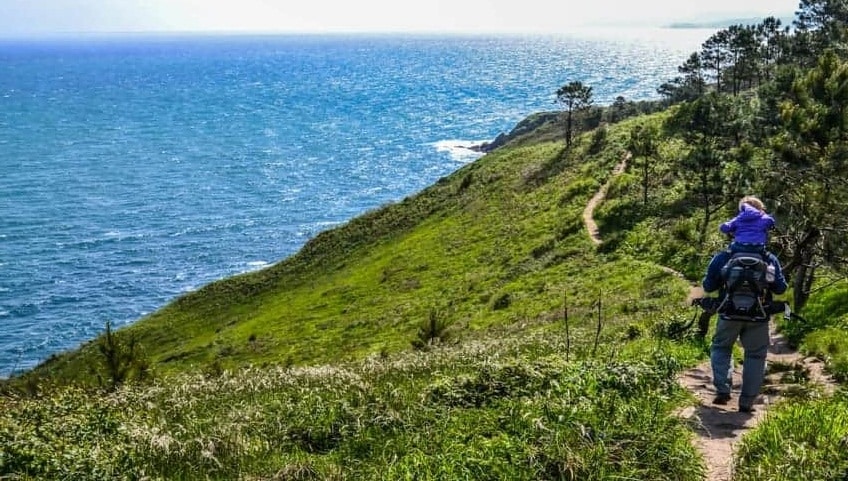
The Way of Saint James, one of the world's most visited pilgrimage routes, remains one of the most thrilling places to discover in Spain.
Its history dates back to very remote times and today it still welcomes thousands of faithful on its paths, hoping to meet all the spirituality these trails hold.
The 1,600 kilometres of more than 1,000 years of age that make up the Way of Saint James all share the same final point: the Cathedral of Santiago de Compostela, where the remains of the apostle Saint James rest.
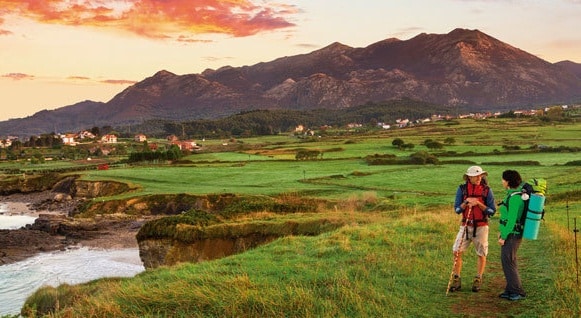
History of the Way of Saint James
The history of the Way of Saint James is full of mysteries and legends that enrich the natural appeal of these Catholic pilgrimage paths.
The apostle Saint James
The official history tells that the body of the apostle Saint James, who had died some 800 years earlier, had been carried by two disciples to the city of Iria Flavia in Galicia in a boat guided by angels.
It is said that this route, known as the Way of Saint James, was the one the apostle used in his evangelising mission, and that is why his remains were buried at the furthest point he visited.
The body of the apostle Saint James was discovered by a shepherd named Pelayo in a field in Galicia, and he was the one who would notify King Alfonso II of the discovery.
Once the fact was confirmed, a small chapel was built on the spot where the apostle Saint James was buried, which would decades later become the Cathedral of Santiago de Compostela, one of the most famous religious buildings in Spain.
The imposing religious building, one of the most beautiful in Europe, today draws thousands of visitors to the city of Santiago de Compostela, capital of the autonomous community of Galicia.
Santiago de Compostela
The Way of Saint James was vital to the development of the city where the trails reach their final point. The city of Santiago de Compostela, where thousands of years ago a Roman villa was settled and which was later known as the Sanctuary of Saint James the Great, remains one of the most important destinations in Europe.
Today, Santiago de Compostela is the capital of the autonomous community of Galicia, and the value of its historic streets was recognised as a UNESCO World Heritage Site.
The Way of Saint James, beyond all the religious aspect surrounding it, was decisive for politics due to the great number of faithful who travelled across northern Iberia and settled along the way, building cultural ties with the rest of Europe.
Finisterre
Even before the pilgrimage route of the Way of Saint James was known, its trails already had history.
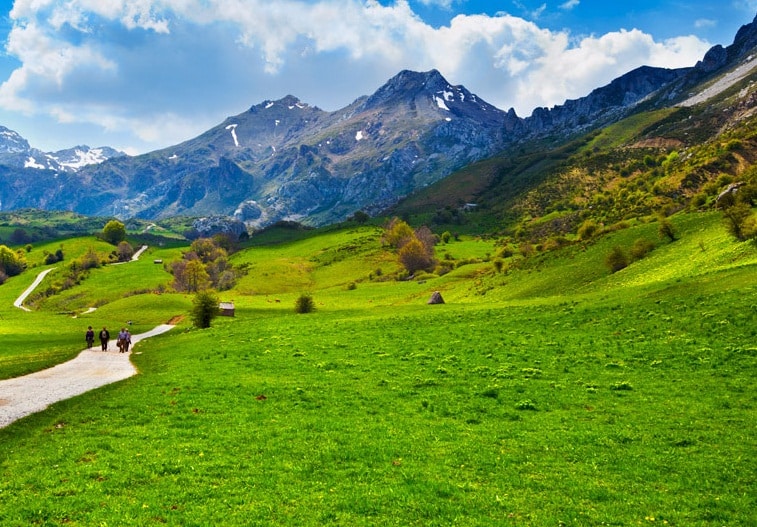
Even before the 8th century, pilgrims were already drawn by this path that followed the Milky Way to reach Finisterre or, as it was believed in those times, "the end of the world".
The routes
With the building of the cathedral, the golden age of the pilgrimages of the Way of Saint James began.
At the start, the safest routes to reach the place where the apostle Saint James's remains rest were the Northern Way and the Primitive Way, the latter being the oldest and the one King Alfonso II would use in the 9th century on the first expedition.
A little later came the French Way, used by kings Sancho the Great and Alfonso VI, which crosses the territories of Navarre and León, after they were recovered from the influence of the Moors.
The kings developed monasteries, hospitals and important structures to protect the pilgrims of the Way of Saint James and even granted privileges to the populations that settled along this route, which became the most popular.
In the 12th century, the first guide for the pilgrims of the Way of Saint James was written, the Codex Calixtinus, showing the importance of the early route to this day.
The way of salvation
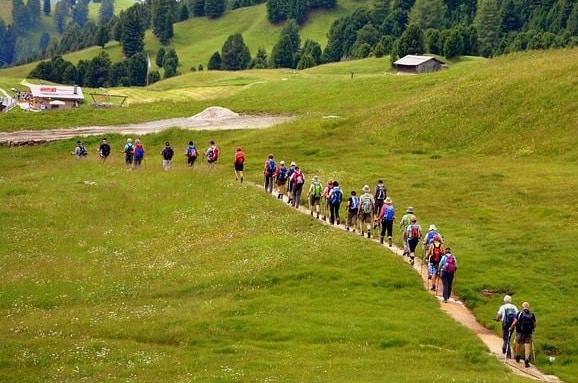
In the 12th and 13th centuries the Way of Saint James welcomed around 250,000 pilgrims each year. Some were called to this place by their Catholic faith, but there were also other reasons.
Some pilgrims walked the trails of the Way of Saint James to seek sure salvation, and others to carry out penances.
Another good reason that drove the huge number of people to visit the route at this time was the "promise of salvation". When 25 July, Saint James's day, fell on a Sunday, Pope Calixtus II declared a "Holy Year".
The Way of Saint James in modern times
By 1990, the Way of Saint James had a great resurgence thanks to the tourist promotion of this destination and the efforts of those faithful to the Way, such as the parish priest of O Cebreiro, Elías Valiña, who worked to bring about a new golden age for this route.
Today, the Way of Saint James remains a route of cultural exchange and understanding among the citizens of Europe who continue to visit its trails.
In the 1980s only 1,245 pilgrims visited Santiago de Compostela, but the numbers passed 100,000 by 1993, when it was declared a UNESCO World Heritage Site.
In 2010, its Holy Year, the Way of Saint James reached 270,000 pilgrims.
Today the Way of Saint James remains an impressive destination that blends history and spirituality.
There are a great many agencies with packages that bring tourists from all over the world together at this point on Earth.
Beyond the Way's routes, the Cathedral of Santiago de Compostela and the city's old town offer many more attractions that bring great numbers of people together year after year.
The hikers and pilgrims of the Way of Saint James continue to recount the wonderful journey along these ancient trails that connect with the oldest parts of our history as a civilisation.