
Skip to content

When to Visit Porto

Porto has hot summers, pleasantly warm springs and autumns and mild but humid winters. The main tourist season is from June to late September, while the beaches are busiest in July and August. The weather is suitable for visiting Porto and its beaches from June to mid-September, and this aligns with the high season.

The best time to go to Porto is in late spring or early autumn; when there are fewer tourists, but the weather is still glorious. Our favourite time to visit Porto is during the Santos Populares celebrations (13–24 June), when the city takes on a festive atmosphere.
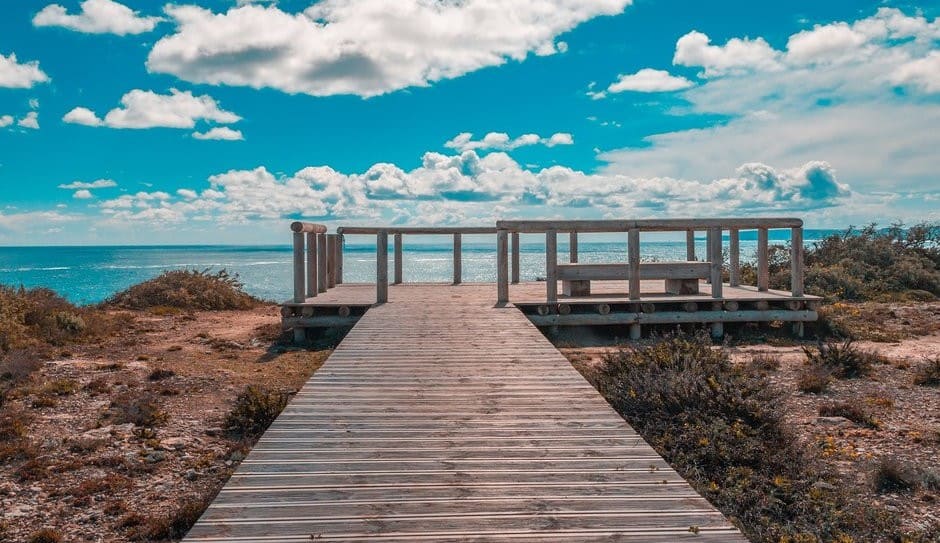
Porto, Lisbon and the AlgarveThis article will detail when to visit Porto on your holiday and what to expect from the different seasons, along with an overview of Porto’s climate.


Average weather for visiting Porto

Porto has hot summers where the daytime temperature routinely exceeds 30°C. This is the average temperature measured in the shade, so it will feel much hotter in direct sunlight.

Surprisingly, Porto is one of the wettest cities in southern Europe, and this high annual rainfall is concentrated in the winter months.

A tip: April is a very wet month, and it is better to push any plans back to May.

During summer, Porto averages 9.9 hours of sunshine a day (compared to 11.4 in Lisbon and 11.9 in the Algarve), while in winter this average drops to 4.0 hours of sunshine (Lisbon 4.6 hours, the Algarve 5.5 hours). By comparison, Rome averages 3.6 hours of sunshine a day in January, London 1.6 hours and Paris 1.6 hours.


Can you visit Porto all year round?
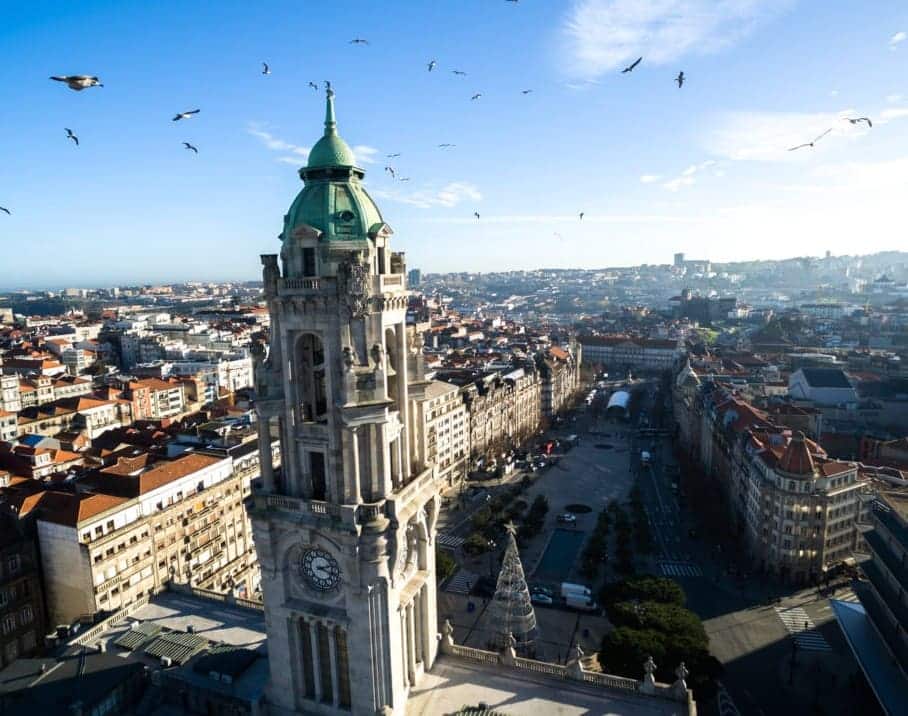
The different tourist seasons of PortoThere has recently been a massive increase in the number of tourists visiting Porto, and this popularity has led to the extension of the tourist season, so the tourist season is now almost year-round.

In our opinion, Porto is not a year-round destination, and it should never be considered a sun or a winter destination.

That said, Porto will have a significantly better winter climate than most European cities, and it will be much warmer than northern Europe/America/Canada, but there is a high chance of rain.


Porto, Lisbon and the Algarve

In general, Porto is cooler than Lisbon and the Algarve, and in winter Porto is much wetter.

Porto is the best destination for the summer months. Lisbon attracts far more visitors than Porto, but this popularity means that in summer Lisbon can feel very crowded and full of tourists. Porto has many features similar to those of Lisbon: a rich culture, fascinating tourist attractions, a lively nightlife and excellent beaches.

The Algarve has one of the best climates of continental Europe, but the region is more focused on family holidays and package holidays, and the cities do not offer the same diversity as Porto or Lisbon.


The different tourist seasons of Porto

The high season

The high season for tourism is in July and August, and during this period there is a lively and vibrant atmosphere in the city. Porto’s summer weather is hot, but not unbearable, with temperatures lessened by the proximity of the Atlantic Ocean and the cool evening breezes.

The only problem with visiting Porto in summer is that demand for accommodation and flights often exceeds supply. This means that prices are inflated too high, and if you leave it too late, they sell out completely. If you are thinking of visiting Porto during high season, always book your flights and accommodation well in advance.

The mid seasonWhen to visit Porto?
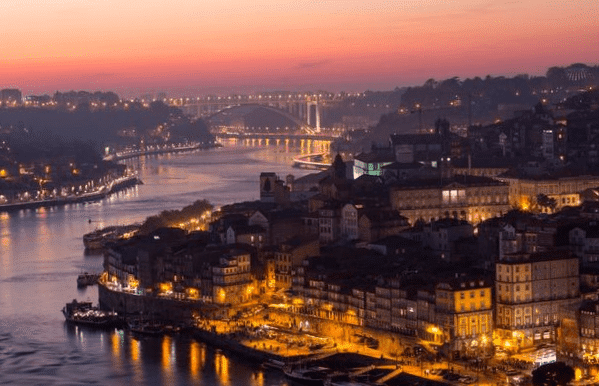
The mid season is a wonderful time to visit Porto, and it is the best time of year for sightseeing, day trips or a touring holiday in Portugal. This season offers the chance to explore the historic sights without the hordes of other tourists and is a quieter and more relaxing holiday. The mid season still offers good weather, while accommodation will be at reasonable prices.

Our tip: If you visit Porto in the mid season, plan to stay longer in the city and take day trips to Braga, Aveiro, Guimarães and Viana do Castelo.

Winter and the low season

The low season runs from October to April, and the weather becomes wetter and cooler by mid-winter. The problem with the winter season is that the weather is unpredictable: one week might be sunny and pleasant, while the next might be very wet and cold. As Porto is a big city, tourist services never close entirely in winter, but there will be less frequent services, such as boat trips or sightseeing buses. Even so, staying in Porto over Christmas will be something magical.


The Festas Santos Populares and the Festa de São João do Porto
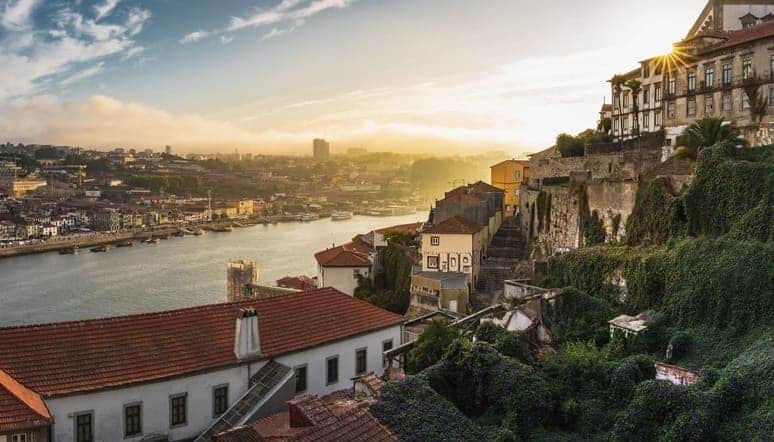
The Festas Santos Populares and the Festa de São João do PortoOur favourite time to visit Porto is during the Festas Santos Populares, which fall in the middle two weeks of June. During these festivities, Porto is decorated with tinsel and streamers, while at night there are street parties with traditional music and dancing.

The climax of the Santos Populares festivities in Porto is the night of 23 June, the Festa de São João do Porto. On this night there are big celebrations, fireworks and, strangely, everyone hits each other on the head with plastic toy hammers (historically it was a leek instead of a toy hammer). 24 June is the feast of Saint John, the patron of Porto, and there is a regatta in which traditional boats sail along the Douro river.


The cold sea

It surprises many visitors to Porto’s beaches that the sea waters are so cold, reaching only 17°C in midsummer. This cold temperature is because the waters are fed by the Atlantic Ocean.
Matosinhos, near Porto

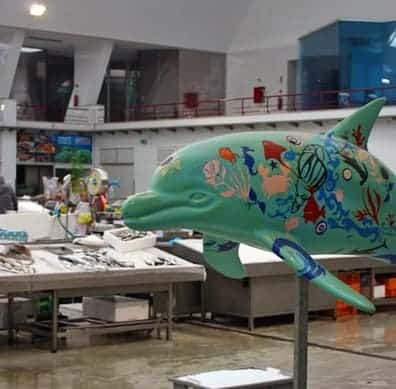
Matosinhos is an important port and fishing town, famous for its fish restaurants and its glorious sandy The Matosinhos Municipal Marketbeach. This beach is the largest sandy beach near Porto, and is adored by the city’s residents, who flock here during the summer months.
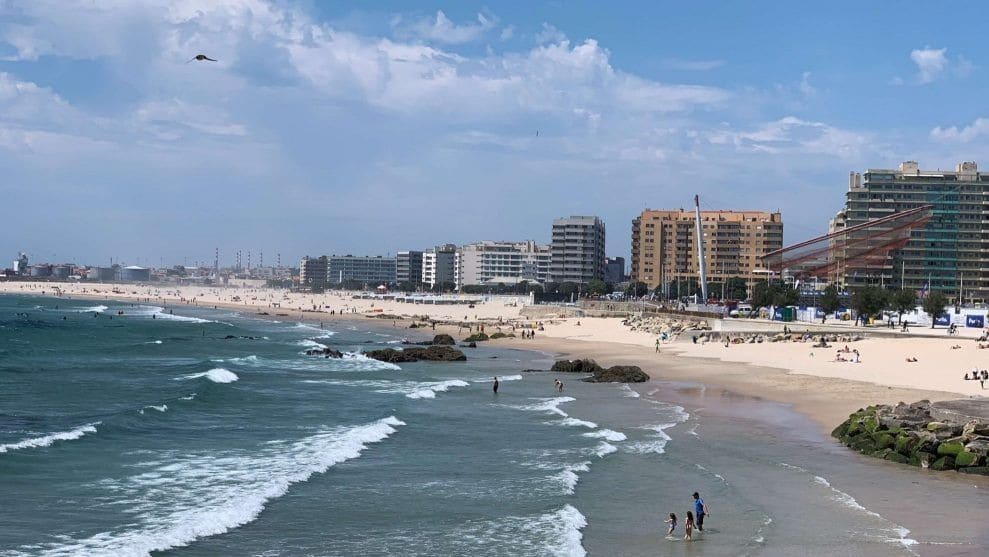
Dominating Matosinhos’s coastline is the port of Leixões, which is both the heart and the heritage of the town. From this port, fresh fish is sold at the bustling morning market, while at lunchtime the smell of grilled fish wafts out of the many outstanding seafood restaurants.

Most visitors come to Matosinhos just for the beach, but it has more to offer, including the Castelo do Queijo, the Parque da Cidade, the daily market and a selection of coastal walks. Matosinhos may not be the most picturesque of the Costa Verde towns, but it is authentically Portuguese and a pleasant destination for a day at the beach.


Matosinhos Beach, the beach near Porto

The Praia de Matosinhos is the largest beach near Porto, and it is a beautiful bay with soft sands and clean sea waters. During the summer the beach is a hive of activity, with beach sports, overexcited teenagers, families relaxing and Portuguese couples. The beach can cater for everyone, and it sits close to Porto. The only drawback is that the Praia de Matosinhos lies in the shadow of the container port and the fishing harbour, and does not offer the idyllic setting some tourists might wish for.

In summer the sea is supervised by lifeguards and is safe for children to bathe, while behind the beach there is an assortment of cafés and beach bars. This beach is always busy in summer with visitors to Porto and incredibly crowded at weekends.


The Castelo do QueijoThe Castelo do Queijo

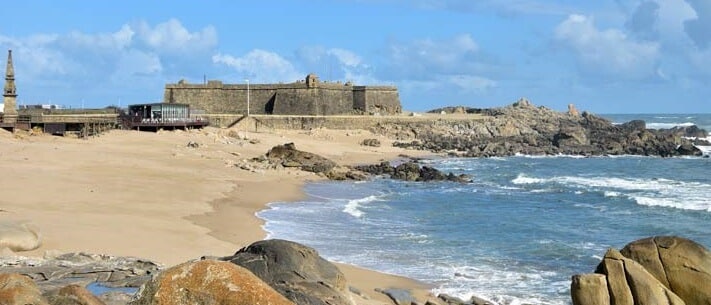
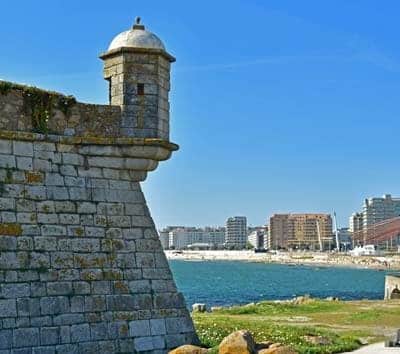
The 17th-century Castelo do Queijo stands at the southern end of the Praia de Matosinhos. The fort was built to protect Matosinhos from Spanish aggression during the Guerra da Restauração (1640 to 1668), when Portugal became independent from Spain.

The fort’s strange name refers to the rock on which it was built, which supposedly looks like a cheese. Inside the fort there is a small museum, and from the terraces there are wonderful views of the coast.


The Matosinhos Municipal Market

The Matosinhos Municipal Market is the daily market, selling local produce, fresh fish and regional crafts. The market is a fantastic place to experience typical Portuguese life and culture. Like all Portuguese markets, it is a morning event and the stalls start to close at lunchtime. The market is housed in a bright and airy building dating from the 1950s, and is also a protected national monument.


There is more than one beach near Porto

For a beach outing near Porto, most visitors head only to the Praia de Matosinhos, as it is the closest to the city centre, but there is a second sandy stretch at Matosinhos. These beaches are north of the Leixões docks, and they are as good as the Praia de Matosinhos, but they require a longer walk to reach.

The Praia de Leça da Palmeira is the main beach of this stretch of coast, with soft sands, clean waters and just as busy in summer. The unique attraction of Leça da Palmeira beach is the Piscina das Marés, saltwater pools set within a rocky outcrop north of the beach. These pools are popular with families, as the waters are Matosinhos, near Portocalm, safe and much warmer than the sea.
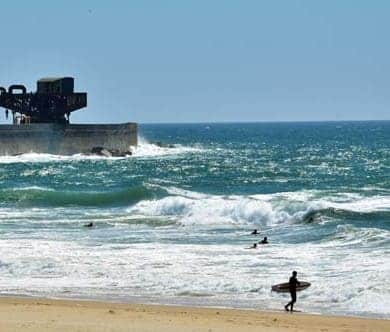
Beyond Praia de Leça there are a series of smaller beaches nestled among the rugged coast that leads to the lighthouse. These beaches include Praia Azul and Praia do Fuzelhas, but they are not ideal for swimming or bathing as they contain submerged rocks along the tide line.

The vast stretch of sand on the north side of the lighthouse would be an amazing spot for a day at the beach if it were not in the shadow of a partly submerged oil refinery and an industrial complex. The 1 km beach also bears the strange name of Praia do Aterro, Landfill Beach.


The fish restaurants of Matosinhos near Porto

Matosinhos is known for its seafood restaurants, which specialise in the fresh catch from the fishing port. The best restaurants sit just behind the fishing harbour, along the Rúa Heróis de França. The fish is cooked on outdoor grills and the smell of cooked fish fills the district. On these streets you also find fish wholesalers, offering a wide selection of fish, lobsters and shellfish.


Senhor do Padrão of Matosinhos

The monument of the Senhor do Padrão marks the spot where, according to local legend, the image of Bom Jesus de Matosinhos appeared on the beach. The stone cross and the dome-shaped structure (built in 1758) once stood at the edge of the beach and were a focal point for the prayers of fishermen and sailors. Today the Senhor do Padrão sits inside the quiet Jardim Senhor do Padrão park.


“She Changes”, the fishing net sculpture

To the south of the Praia de Matosinhos stands the “She Changes” sculpture, a series of huge red nets suspended above the roundabout. This distinctive piece of art was commissioned in 2005 and created by Janet Echelman. The work represents the fishing heritage of Matosinhos, but locals refer to it as the anemone.


Walks and hiking routesThe Porto Leixões and the Cruise Terminal

From Matosinhos, near Porto, there are two coastal walks, either south to the Foz district or north to the Leça da Palmeira lighthouse.

The southern route passes through the Parque da Cidade, the Castelo do Queijo, the lovely Pérgola da Foz, and the beaches of the Foz district.

The northern route heads through the docks, passes the Forte de Nossa Senhora das Neves, the Praia de Leça, the Leça da Palmeira lighthouse, and ends at the Miradouro da Boa Nova and the old ruined lighthouse. This is a 6 km round trip and takes two hours.


The Porto Leixões and the Cruise Terminal

The Port of Leixões is located at the mouth of the Leça river, and the dredging of the river in the early 20th century created the largest artificial port in Portugal and the main cargo terminal near Porto. In 2015 a sleek new cruise terminal was built, designed to attract cruise ships, and the centrepiece of this complex is the swirling white dome that can be seen from the beach.

History of Porto: A City of Contrasts

The unquestionable beauty of this wonderful destination has been recognised for generations since the beginning of Porto’s long history. This Portuguese city has positioned itself among the favourites of travellers from all over the world thanks to its great tourist appeal.

Its streets, architecture, restaurants and monuments have made it one of the favourite places to visit for tourists. The historical heritage it still preserves is another aspect why many decide to choose Porto for their next holiday.

For a few decades now the city has become more and more modern; however, its traditional charms remain present. If you are interested in learning a little more about the history of Porto, we recommend you keep reading so that you do not miss any detail on your visit.

Ancient History of Porto

Today, Oporto — also known as Porto in Portuguese — is one of the most important and most visited cities in Portugal. Its relevance to the country was built up little by little until reaching the prestige and importance it has today.

The history of Porto goes back to the era of Roman rule which, in that period, was present throughout the Iberian Peninsula. The Roman occupation turned this area into a key point for trade and the connection between Lisbon and Braga, but Porto’s true economic boom would come a few centuries later.

In its beginnings, when it was only a small village by the Douro river, it bore the name “Cale”. Soon after it began to be known as “Portus Cale”, or the Port of Cale, and it is precisely from this union that the country’s name, Portugal, comes.

Middle Ages

By the year 456 the Visigoths ruled Porto. King Theodoric II held control of the “Port of Cale” until it was conquered by the Arabs in 616. A hundred years later, King Alfonso I of Asturias would take the place back.

At this point in the history of Porto, the city was almost abandoned; luckily, by the year 880 it was repopulated. In 1096 the County of Portucale was formed, with Porto as its capital, and would later become independent.

Expansion of trade

Maritime trade played a decisive role in the history of Porto. During the age of discovery, Portugal, led by Henry “the Navigator”, became Europe’s most important area for maritime trade thanks to its ports.

Visit the historic centre of Porto

As one can imagine, Porto stood out among the country’s docks and became an industrial reference point for the building of ships for expeditions. This “golden” stage in the history of Porto can be considered the start of its great growth as a city.

Modern Age in the history of Porto

From 1580, Spain and Portugal formed the largest empire in the world. At that time Porto supported the Prior of Crato in his attempt to take the Portuguese throne. Years later, the city would also back the revolts that took place in Lisbon and put an end to the union between the two countries.

Even so, the time Spain reigned was very important in the history of Porto. During this period all the senses of the port flourished, above all art. The artistic movement was so notable that the 18th century is considered the “golden age” of Porto.

During this century the port developed enormously. Wine drove its economy and important buildings in Baroque and Neoclassical styles were built. These buildings have endured to the present day and are part of the appeal of the place; they also still host the largest wine cellars in Portugal.

History of Porto today

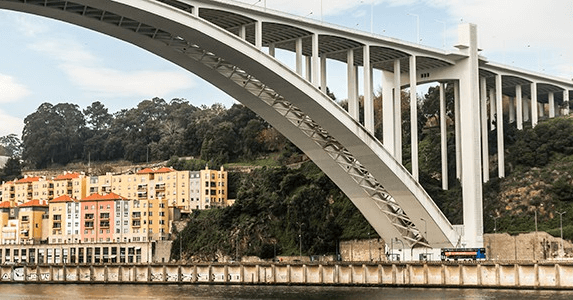
The modernisation of the city of Porto came with the end of the dictatorship in 1974. One of the best-known bridges, the Arrábida Bridge, was built, and little by little the full potential of this incredible destination would be tapped.

visit the Arrábida Bridge

With the Carnation Revolution, the movement that would open the way to democracy, Porto’s contemporary history would begin to shine. A few years later Portugal joined the European Union, a fundamental step that helped its modern development.

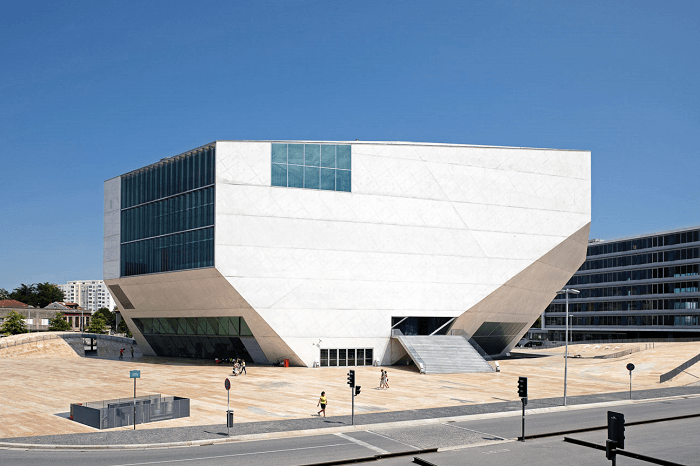
In these years it would become a cultural capital, which allowed the construction of one of its most emblematic buildings, “Casa da Música“, an auditorium located in Boavista.

Discover the Casa da Música in Porto

Although today it is not Portugal’s leading economic power, it ranks second and is a city of progress. The history of Porto is full of culture and we are now sure that you will be able to put your knowledge to use on your next visit to this charming place.


Reasons to Visit Porto: A Colonial City

Tourism is one of the favourite activities of anyone in the world. Portugal is one of the most visited countries in Europe, and so is its coastal city. This is a colonial city with wonderful architecture — do you want reasons to visit Porto? In this article we will show you a few.

Porto is a magical city full of joy and many colours. A city full of art, history, culture, food and the warmth of its people catches the eye of every tourist. It is a city that stands out for its traditions.

When you travel it is important to get to know a city a little before visiting it. That way you can know what to do and create a route. In Porto the name of Portugal is born, along with much of its history, and that is one of the reasons among many why it is a favourite city for all tourists.

3 reasons to visit Porto

There are many reasons to visit a city. But there is always a selection of things that make it more appealing for each of its visitors. There are many options to enjoy in a single city.

Cuisine

Let’s start with the food. We all fall in love through the stomach, and the cuisine of this city is very broad — one of the reasons to visit Porto and fall in love with it.

popular cuisine in Porto

Tourists can enjoy each of the typical flavours the country offers. And when we talk about Portugal, we always think of cod. You can enjoy the delicious Tripas à Moda do Porto or the Francesinhas — dishes you should not fail to try when visiting the city. There are also soups, which are one of Porto’s typical dishes, so try one! You can find them in any of the city’s restaurants.

There is always room for dessert, even if you have just had a large meal. Sweets are most people’s weakness. The pastries are of great quality, so do not fail to try the Natas, which are similar to Pastéis de Belém.

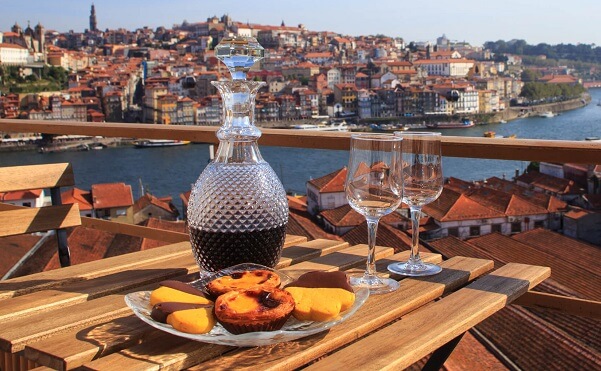
Of course, you cannot leave Porto without trying its famous wine. It is one of the wonders of this city. Its fine wine, as well as its cellars where you can enjoy a tasting of the best, and where you can also learn the process by which this wonderful drink is made.

discover Porto's most famous wine

To make the most of the food scene you can enjoy the different restaurants on the banks of the Douro river, so you can take in a spectacular view of the river and the architectural beauties around it.

Beaches

As one of Portugal’s coastal cities, you must not miss enjoying its wonderful beaches. A swim in the Atlantic Ocean is a great pleasure for everyone, all the more so when you are on holiday.

beaches to visit in Porto

You can visit Cheese Castle Beach, Homem do Leme Beach, Molhe Beach or Gondarém Beach, among the most popular. They are paradisiac rocky beaches with golden sand of great environmental value, which is why they hold the Blue Flag and become one of the reasons to visit Porto.

Historic sites

Porto is a city full of history and architecture. That is why getting to know its historic sites is one of the main reasons to visit Porto. Enjoying the architecture and landscapes of this city is to always be filled with magic.

Some of these places were built many years ago, so by visiting them you will be getting to know a great deal of Portugal’s history. Knowing our history is always important because it helps us understand many processes, and also fills us with culture.

You can also enjoy the art in this city. In places like the most important train station in Europe you can find great works of art. The same goes for many of the historic sites you will visit.

Churches and squares

churches to discover in Porto

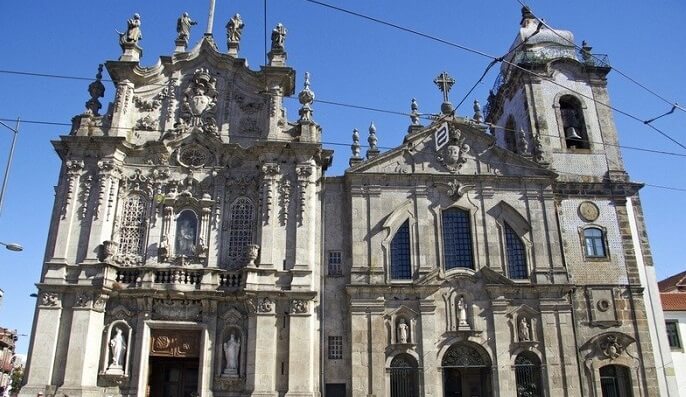
Churches and squares are a fundamental part of any city. They let us understand and get to know a place and its people, and they are among the first places to see. Among the reasons to visit Porto is to get to know the main churches and cathedrals of Europe — also places declared national heritage where you can enjoy a lovely afternoon.

What to See in Porto

Portugal has cities with great tourist potential and plenty of history. Here we present an itinerary of what to see in Porto.

This is one of the most touristy cities, even more than its neighbour Lisbon, and it stands out for its extraordinary bridges, wine production and stunning architecture that sets it apart from any coastal city.

This city is also a fishing one, which strongly marks the identity of the city and its citizens.

Places you have to see in Porto

As it is a tourist city, there are many places to see in Porto, but these are the most outstanding, and in just a weekend you can visit them all.

Historic centre of Porto

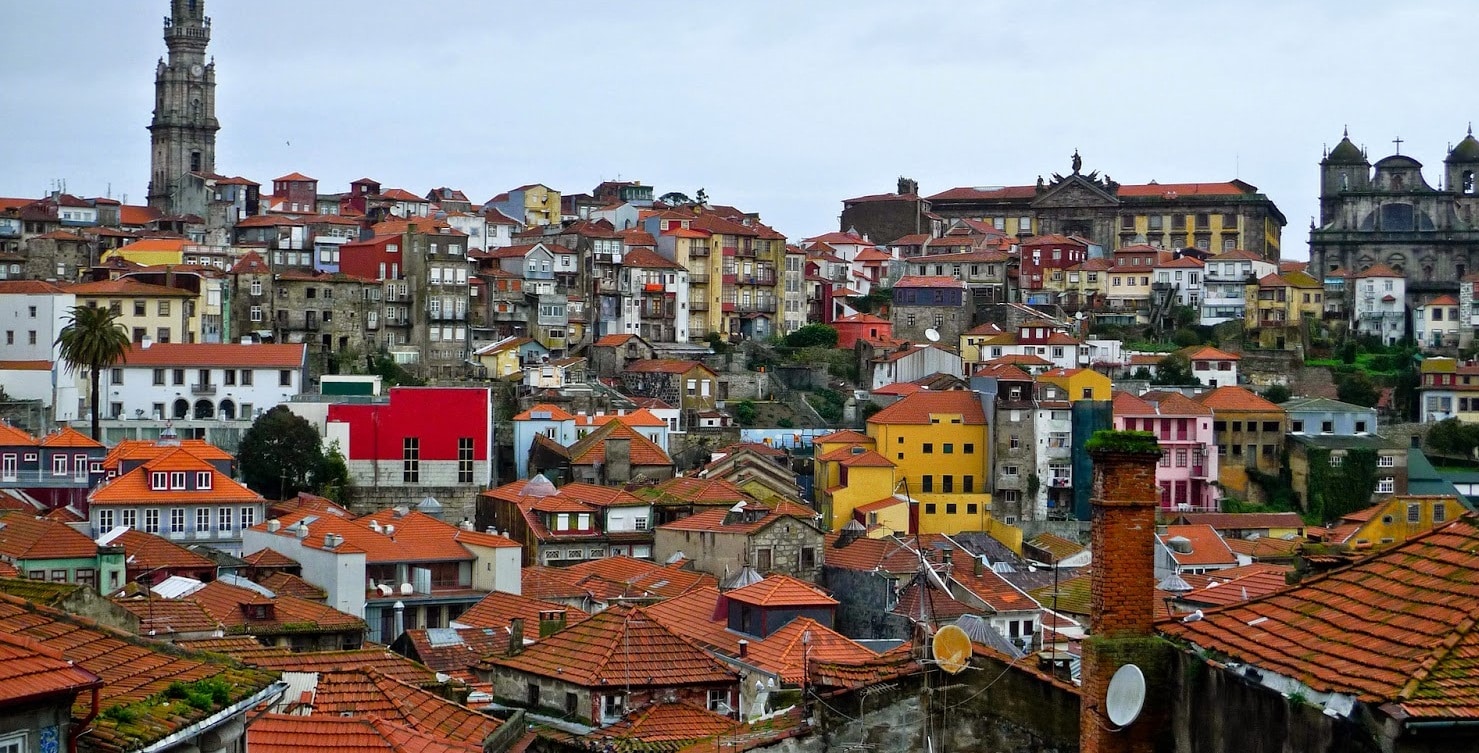
The historic centre of Porto is built on the hills of the Douro river. The sea, thanks to its greatness and beauty, allowed the development of this area.

UNESCO declared it a Cultural World Heritage Site, which is why it is one of the first places to see in Porto. It is bordered by small streets, just like a colonial space full of merchants’ houses and cafés where you can enjoy a lovely afternoon and walk through the old quarter.

Things to see in Porto

Porto Cathedral

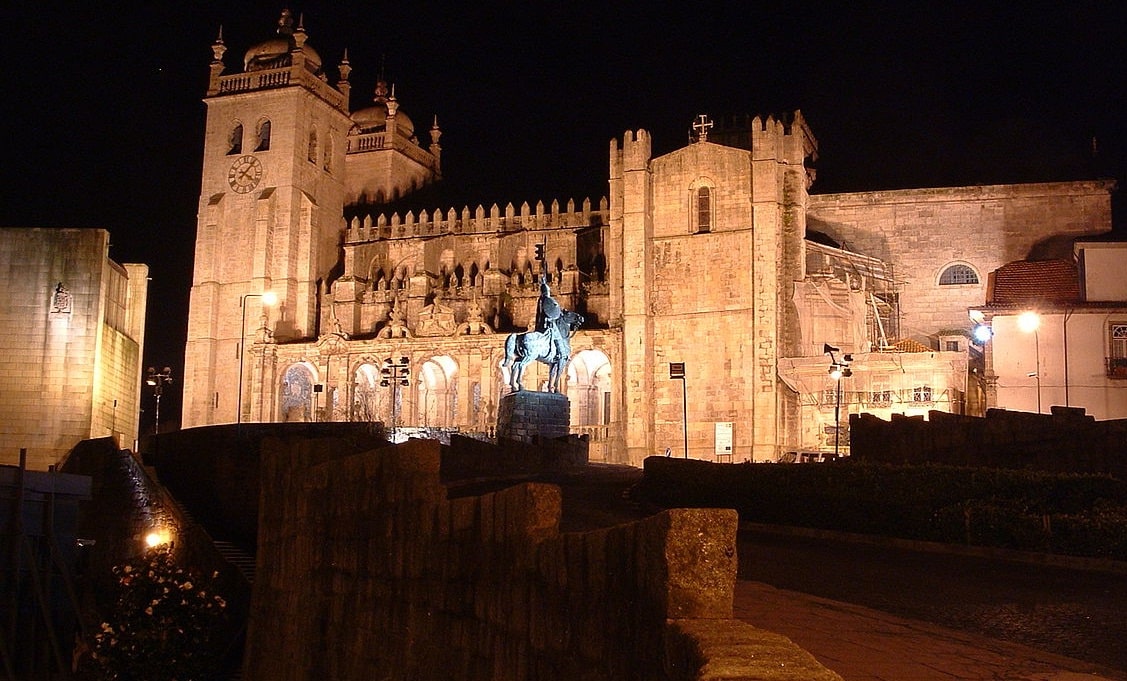
They say that when you visit a city for the first time you should visit its square and its church, so the Cathedral is a place to see in Porto, as well as being the main and oldest monument in the city.

It was built in an architectural style that varies between Romanesque, Gothic and Baroque, and its structure dates from the 12th and 13th centuries and is one of the oldest.

The main altar is a work of art, as are all the paintings inside the cathedral, by great artists and painters. This cathedral keeps its sobriety and was declared a National Monument of Portugal.

What things to see in Porto

São Bento Station

Although it may sound strange, a railway station is one of the places you have to see in Porto.

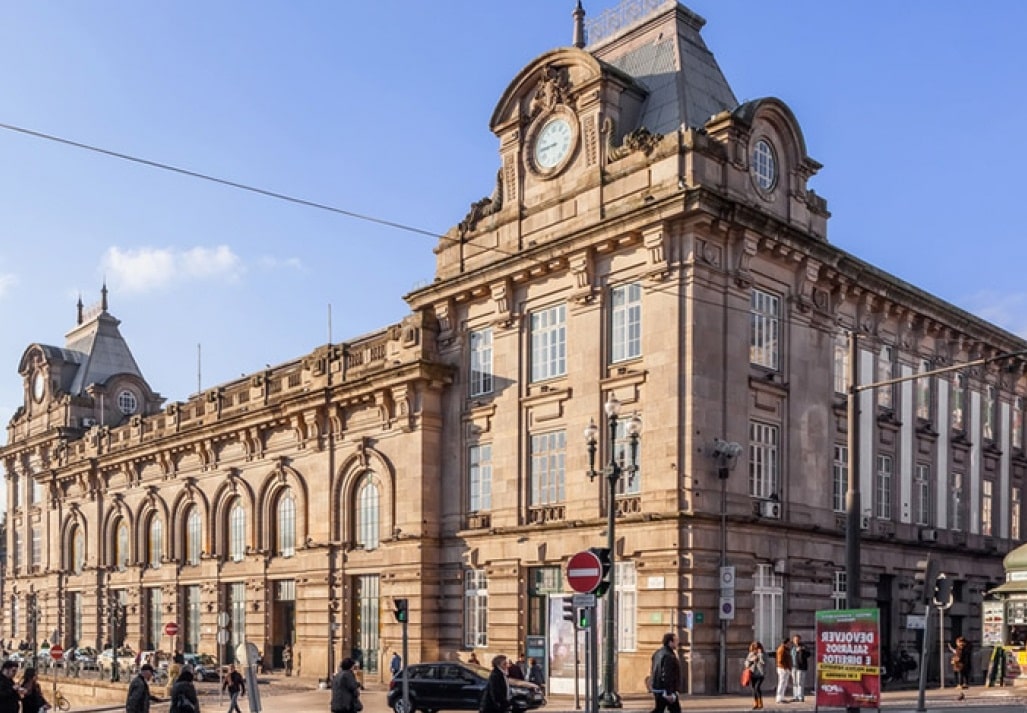
This station is rated as one of the most beautiful in Europe and the world, and it is also one of the most important works of the 20th century, by the architect José Marques da Silva.

The atrium is covered with tile panels, 20,000 to be exact, and that is one of the features that make São Bento Station recognisable, and you should see it at sunset when the sun makes them shine — it is quite a spectacle.

During your visit to the station, you should see the gallery by the painter Jorge Colaço, which depicts historical scenes from northern Portugal.

What places to see in Porto

Clérigos Tower

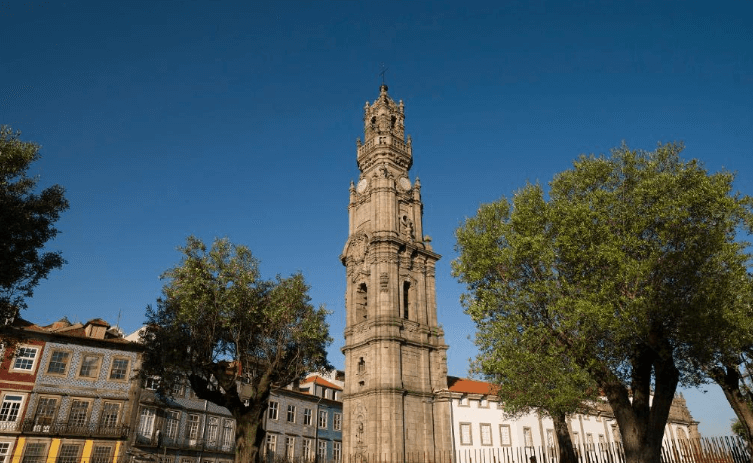
The Clérigos Tower is one of the must-see sights in Porto, one of the most emblematic landmarks of the city and the country, as it is one of the tallest in Portugal. From any point in the city you can see this tower, which stands 78 metres high and dates from the 18th century.

Any visitor or tourist can climb to the very top of the tower, and for that we recommend you bring a camera so you can capture the wonderful views this city tower offers.

For many years this tower was a reference point for boats, when Porto was a thoroughly fishing city; that is why, some years ago, the country issued a coin in honour of this architectural work.

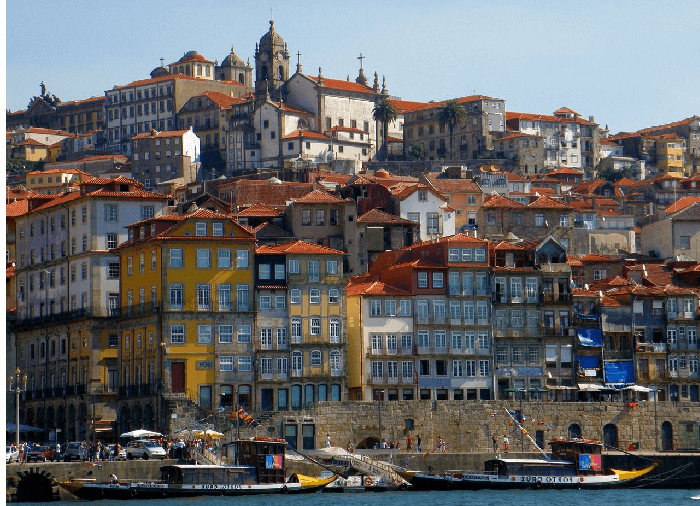
Ribeira do Douro

Among the things to see in Porto, you must visit the Ribeira do Douro. The sunsets and dusks there are a spectacle you should not miss.

Around it you can see little houses with lovely façades and very colourful tones, where you can walk, enjoy a good cod fish and a good port — the wine.

What things to see in Porto

Dom Luís Bridge

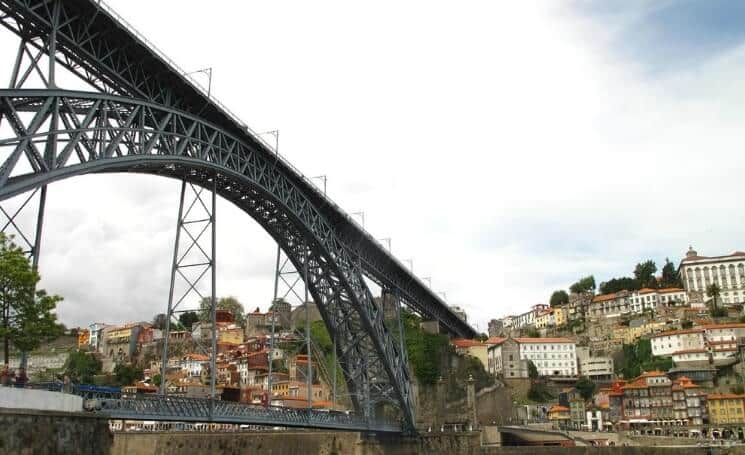
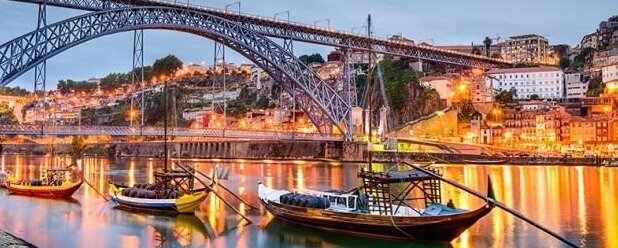
You can take the chance to visit the Dom Luís Bridge, an icon of Porto built by a partner of the famous Gustave Eiffel, which connects to the town of Vila Nova de Gaia.

This bridge has two levels and we recommend crossing it at sunset to watch the sun go down — it is one of the wonders to see in Porto.

Cruise

One of the things to see in Porto is everything related to its river, and for that you can take the six-bridge cruise, where you set off from the wine cellar area on the Vila Nova de Gaia bank, pass under all the wonderful bridges of the city, and reach the mouth of the river.

There are also night-time options; it is one of the most romantic, with unrivalled views of Porto at night.

Wine cellars

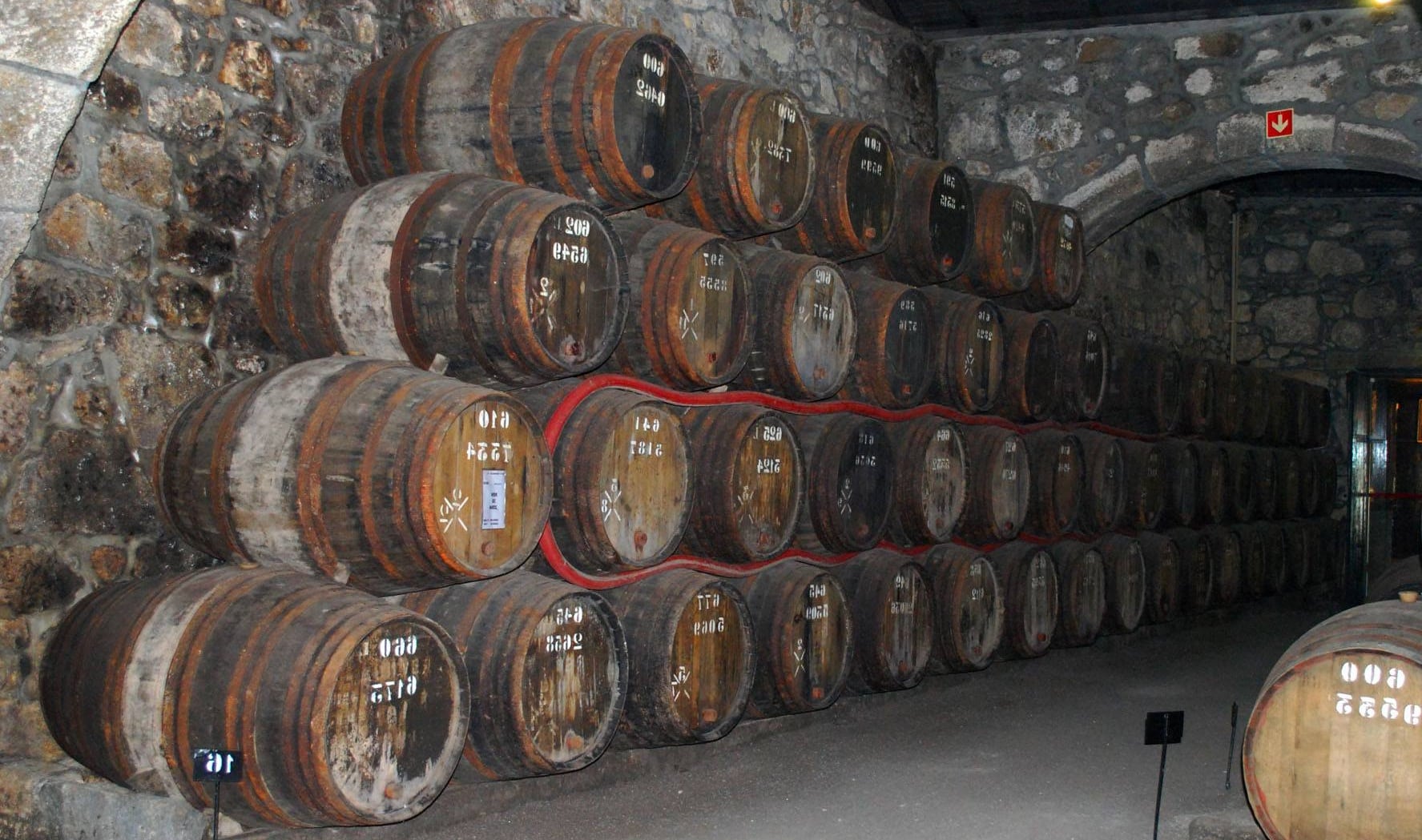
One of the icons of this city is wine, and so you must visit the wine cellars of Vila Nova de Gaia — it is one of the essential places to see in Porto.

In the city there are various cellars where you can learn the whole wine-making process and end with a wine tasting.

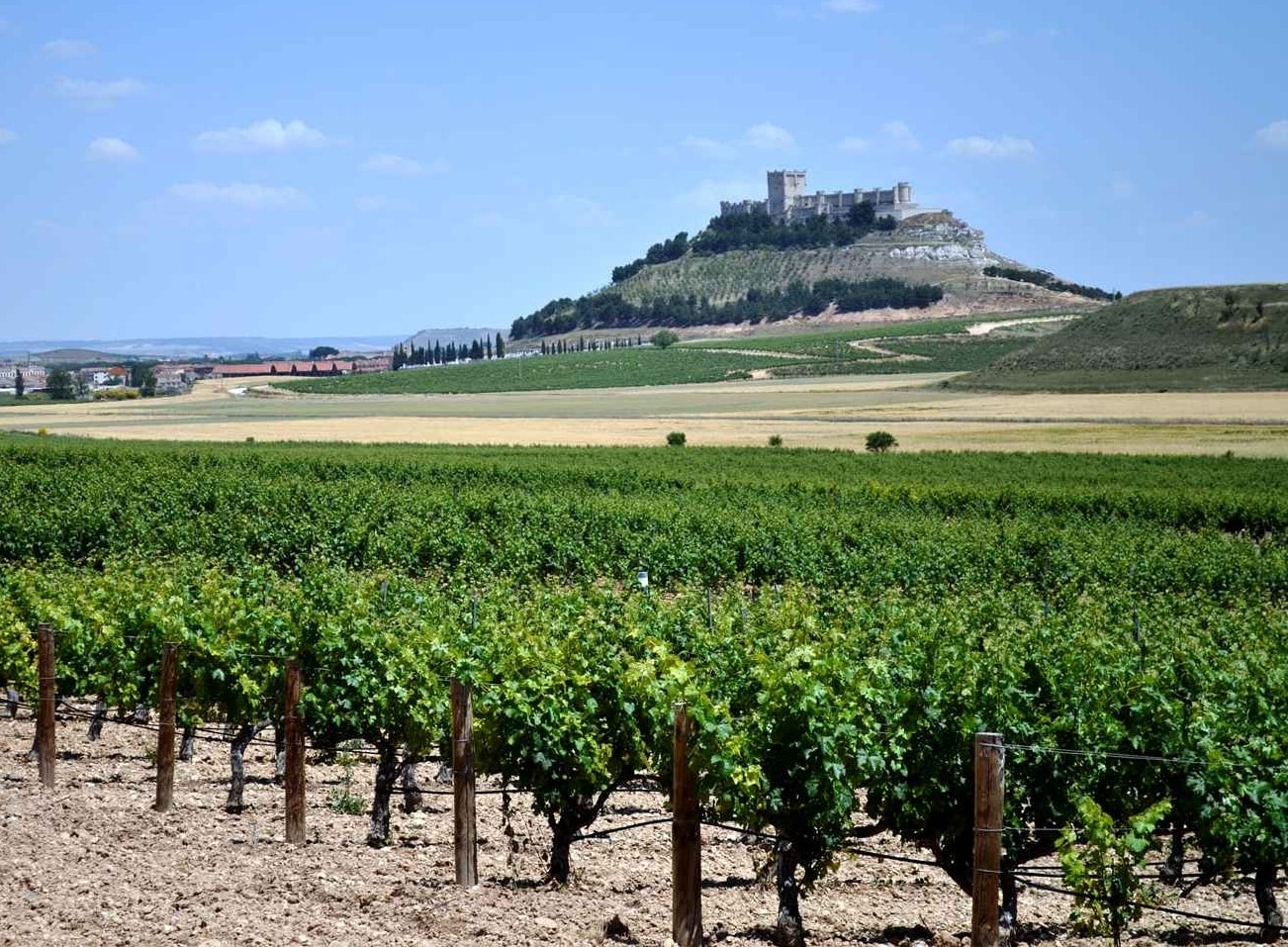
If you have a little more time and want to know more, you can visit the vineyards from which the wine is harvested.

On the river, during the tour, you can see the typical boats that used to carry the wine.

Wine in Porto

Lello Bookshop

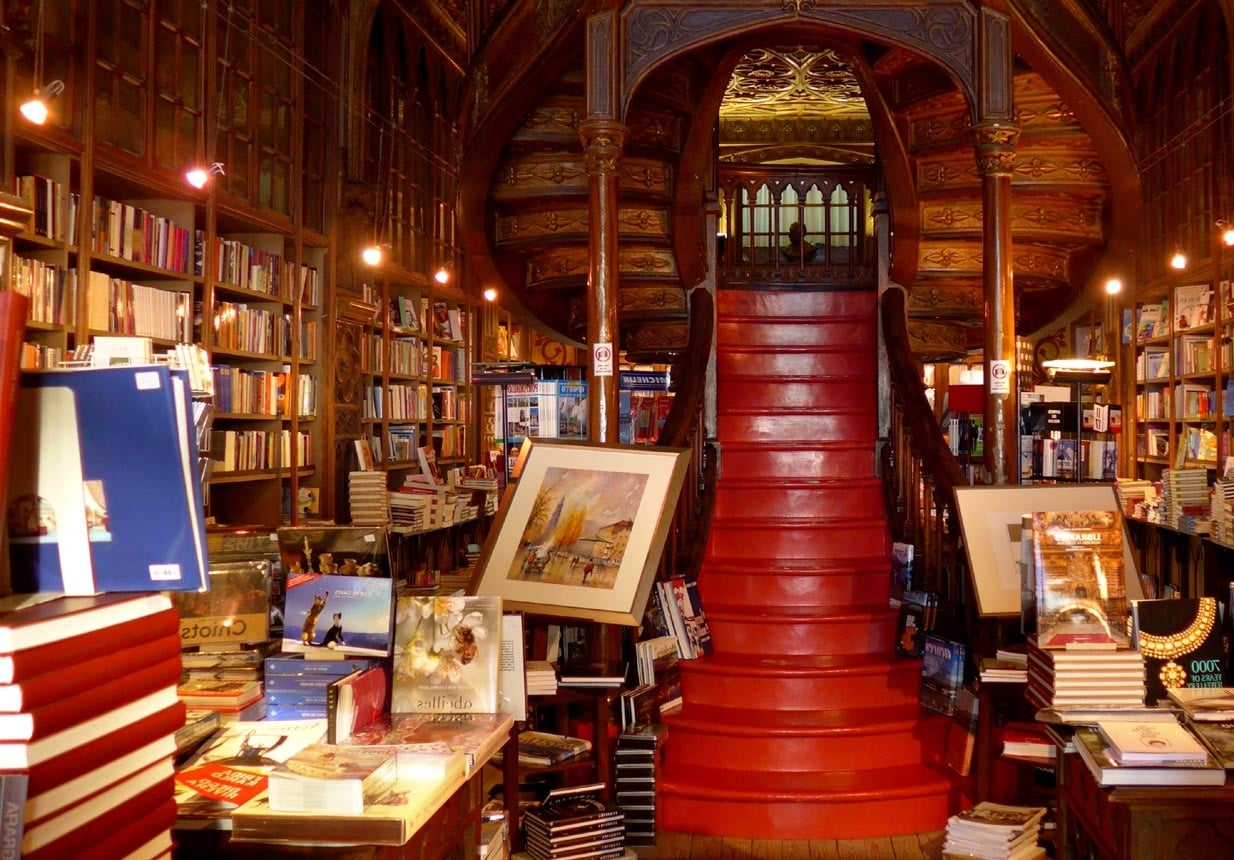
The Lello Bookshop is one of the most beautiful, so much so that it was a source of inspiration for the famous British writer J.K. Rowling, and some scenes of her Harry Potter novels were set in this place.

It is one of the most beautiful places to see in Porto; it has been around for 100 years and was built by the Lello brothers.

They created a two-storey space full of vast quantities of books, and visitors highlight its lovely staircases, carved ceilings, and Modernist and neo-Gothic details that make it one of the most beautiful bookshops in the world. Even if you are not an avid reader, you should visit this great architectural space.


What to Do in Porto

Portugal is a country with many tourist spots. But the favourite city is one of the most historic, and the one from which the country gets its name; that is why we will show you what to do in Porto.

This city amazes all its visitors with its stunning architecture, which sets it apart from any coastal city; its imposing bridges are an everlasting source of inspiration for those who visit, and its wine production is one of the most fascinating.

Tradition is an important part of Porto and its people, so as you walk through it you will breathe the historic air that surrounds this fishing city. How much you enjoy the city depends on the time you have, but the food, wine and places will delight you; April or September are the best months to discover this destination.

What to do in Porto outdoors

As a coastal and fishing city, there are plenty of outdoor activities to enjoy. Among the things to do in Porto, walking is one of them, so we recommend bringing comfortable clothes and shoes to enjoy the city to the full.

Historic centre of Porto

It is always a good idea to visit a place declared a Cultural World Heritage Site by UNESCO; that is Porto’s historic centre, built on the hills of the Douro river.

Walking this historic space is ideal for strolling through the small streets of this colonial setting; as you do, you can enjoy the streets full of little cafés where you can sit down for a lovely afternoon and see the houses full of merchants spread across the centre.

The development of the historic centre is due to the beauty and greatness of the sea, which can be enjoyed from the medieval district; sitting in one of those cafés you can take in that view that turns into one of the magical places. Remember that from the historic centre you can reach all the other monuments of the city.

Porto viewpoint

One of the features of this city is its romanticism, which is why many couples visit it and look for what to do in Porto.

The viewpoint offers you a much more complete view of the city, as well as letting you enjoy a magical sunset here, where you will be able to capture magical photographs. If you are a couple looking for a place full of romance, this is it.

As you visit, you will find many people who, like you, are enjoying it, photographing it, and living the moment.

Dom Luís Bridge

The bridges in Porto are one of the icons of the city, as they are so monumental, besides being an architectural gem. The Dom Luís Bridge is one of the most outstanding and visited.

This is because it was built by the partner of the famous Gustave Eiffel, who designed the tower of his name in Paris, France. This viaduct connects Porto with the town of Vila Nova de Gaia, where you can enjoy the best vineyards.

The Dom Luís Bridge has two levels, one for cars and the other to cross on foot. The latter is one of the wonders you can enjoy, especially at sunset, while the sun sets over the sea and welcomes the night, when you can enjoy another moment of the city.

dom luis bridge porto

Ribeira do Douro

The Ribeira do Douro is a place where you can enjoy the colonial feel of the hundreds of houses painted in very colourful tones. If you ask anyone about what to do in Porto, the first thing they will tell you is to taste the wine or go to a vineyard.

From the Ribeira you can visit the vineyards and get top-quality wines and drink them straight from the barrel; it is a completely different experience that you cannot miss.

3 must-do things in Porto

As a historic city, it is a must in your routine of what to do in Porto to visit the monuments of the city, built many years ago and carrying a lot of tradition that marks the identity of the citizens.

Porto Cathedral

Porto Cathedral is one of the places you cannot miss in the city. It is one of the most visited monuments in the city, as it is the main and oldest church. It has also been declared a National Monument of Portugal.

The structure dates from the 12th and 13th centuries with a blend of architectural styles: Romanesque, Gothic and Baroque; which makes it all the more interesting to see, as it is a complete spectacle of art.

The Cathedral is a great work of art, from the main altar to the great number of paintings by great artists of the time. Remember that this church is a sober place and respect should be maintained, as it is a religious site.

São Bento Station

Among the monuments to visit there is a railway station. Yes, a station…

But this place holds many secrets, as it is considered one of the most beautiful in all of Europe, because it is one of the most important architectural works of the 20th century and was built by the architect José Marques da Silva.

The most striking feature of this station is the 20,000 tiles that cover the atrium. Visitors prefer to go in the afternoon when the sun makes the tiles shine.

At the station there is also an art gallery by the painter Jorge Colaço that you should not miss.

Clérigos Tower

When you visit this city, there are many things to do in Porto. Visiting the monuments is a must; one of the most emblematic is the Clérigos Tower, one of the tallest in the country.

This work was a reference point for boats for many years; its height means it can be seen from any point, as it is 78 metres high and dates from the 18th century. Anyone who wants can climb to the highest point and take in the wonderful view this place offers.

clerigos tower porto

Romantic things to do in Porto

Remember that, being one of the most romantic cities in Portugal, it is one of the favourite places for many new couples; among the favourite activities of what to do in Porto are:

Cruise

The river is an essential part of Porto as a coastal city. So you can take advantage of the six-bridge cruise and enjoy each of the architectural wonders of the city.

You can take it from the cellar area on the Vila Nova de Gaia bank. You can do it at night for a much more romantic evening. This cruise has become a favourite spot for new couples who want to spend a moment alone or are celebrating their anniversaries or any special date.

romantic cruise porto

Wine cellars

Visiting the wine cellars and vineyards is the first thing to do in Porto if you are a lover of this drink. Wine is one of the most special drinks in this city, so there are different cellars to visit.

In these spaces you can learn the whole wine-making process, ending in a tasting of everything produced there. You can also spend a whole day at a vineyard, where you can learn all about wine extraction.

After visiting these cellars you will become an expert wine taster — and not just of any wine, of the best from Portugal.