
Skip to content

Excursion to Porto from Galicia: Wineries, Douro River and Heritage

An excursion to Porto from Galicia is a perfect getaway for those seeking history, wine, culture and unforgettable landscapes in a single trip. This Portuguese city on the Douro is one of the most attractive destinations in northern Portugal — more and more Galicians come to discover its charms over one or several days. Porto perfectly blends food, architecture and wine tradition.

Excursion to Porto: a city with a Portuguese soul

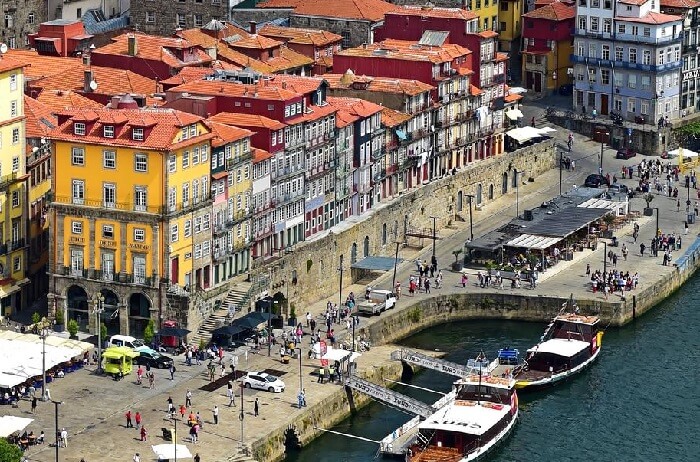
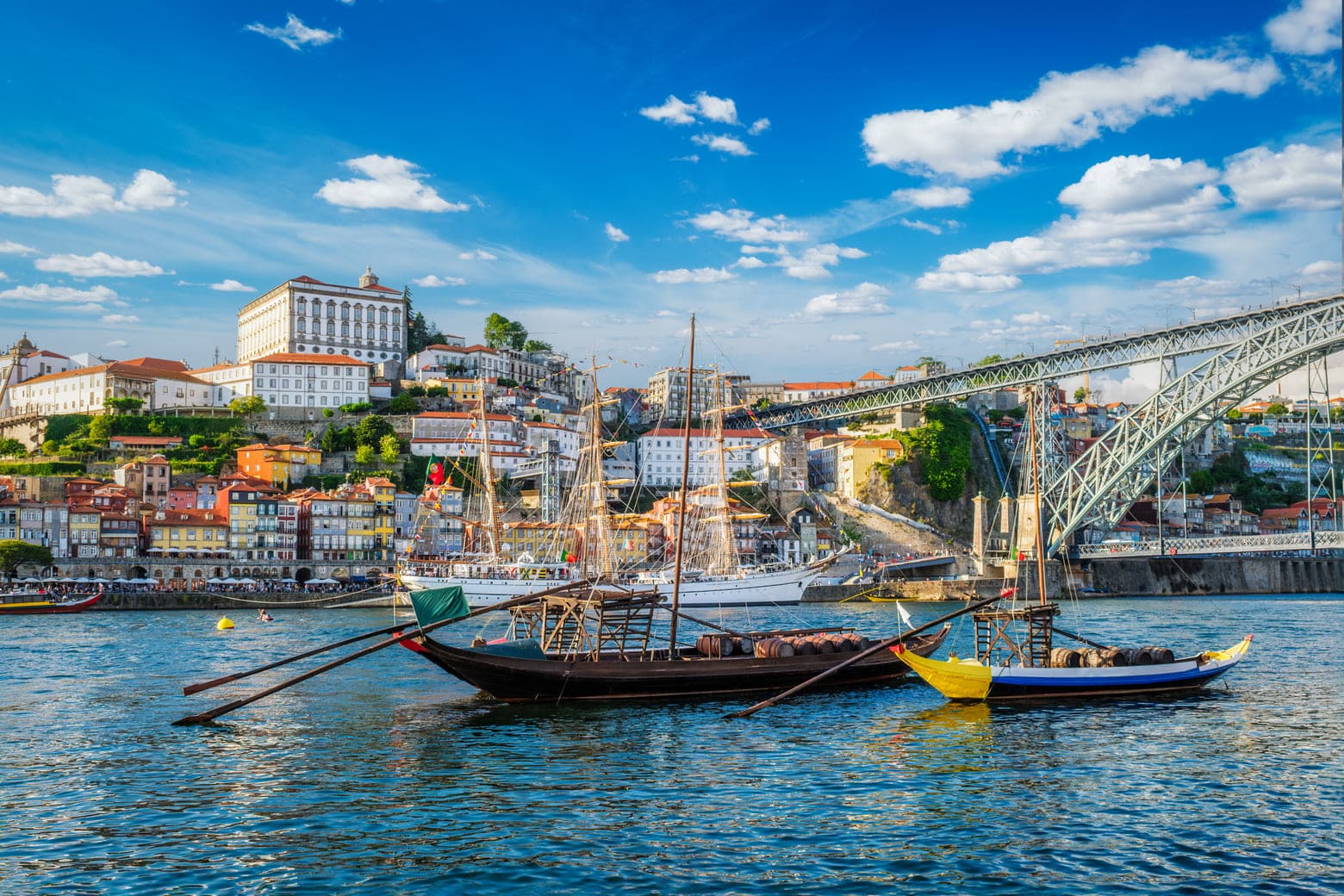
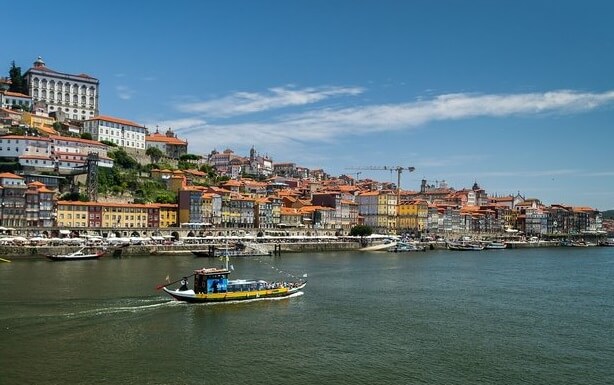
Porto charms from the first moment with its mix of tradition, modernity and a unique, welcoming atmosphere. Strolling the Ribeira neighbourhood — UNESCO World Heritage — is unforgettable: colourful facades, washing hanging from balconies, cobbled streets and everyday life pulsing in every corner.

The Luís I Bridge and Douro views

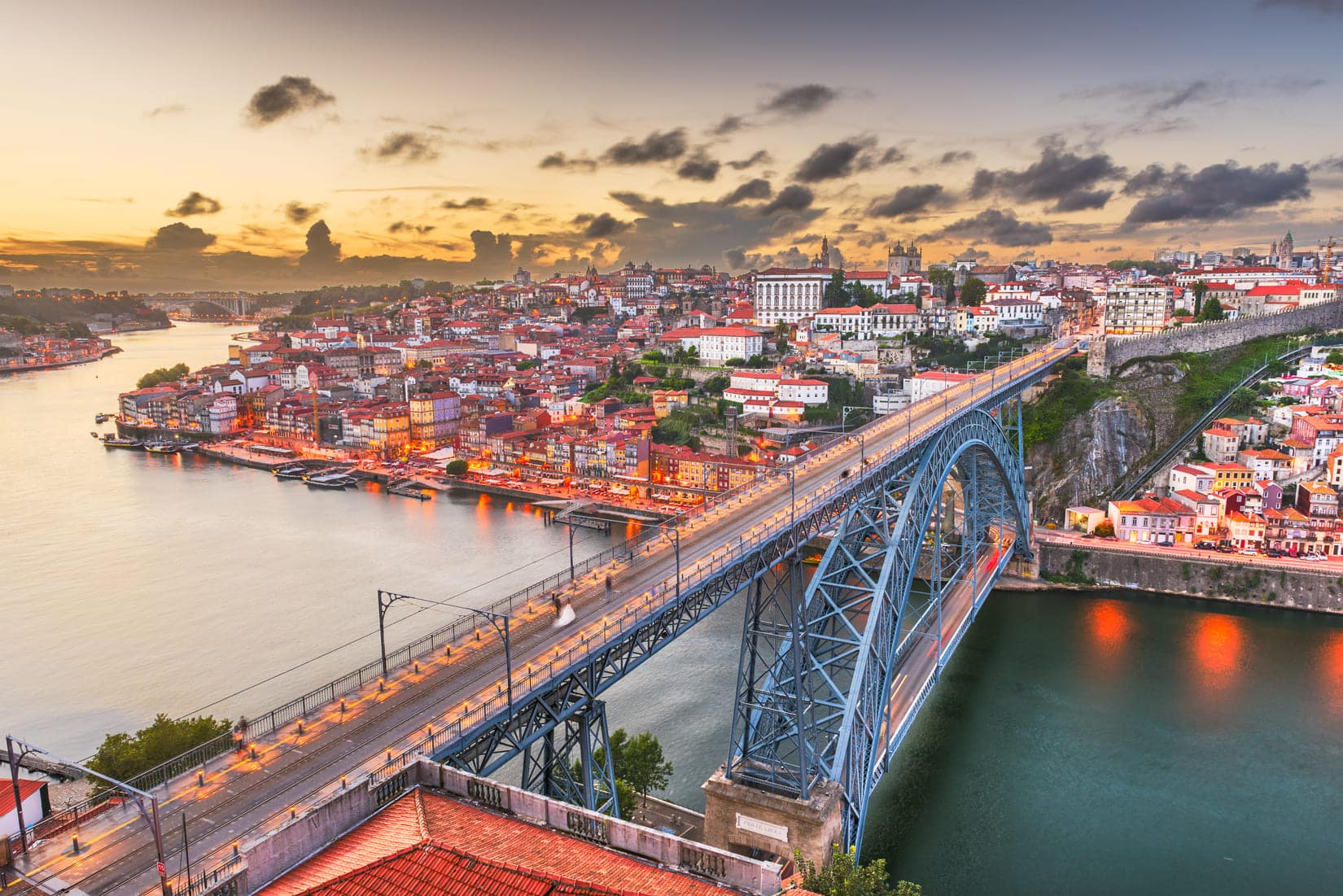
One of Porto’s most recognisable icons is the Luís I Bridge connecting the city with Vila Nova de Gaia across the Douro. Walking its upper level gives one of the best panoramic views of the old town, red rooftops and wine boats. A Porto excursion isn’t complete without crossing it and capturing the perfect postcard.

Wineries and Port wine: liquid tradition
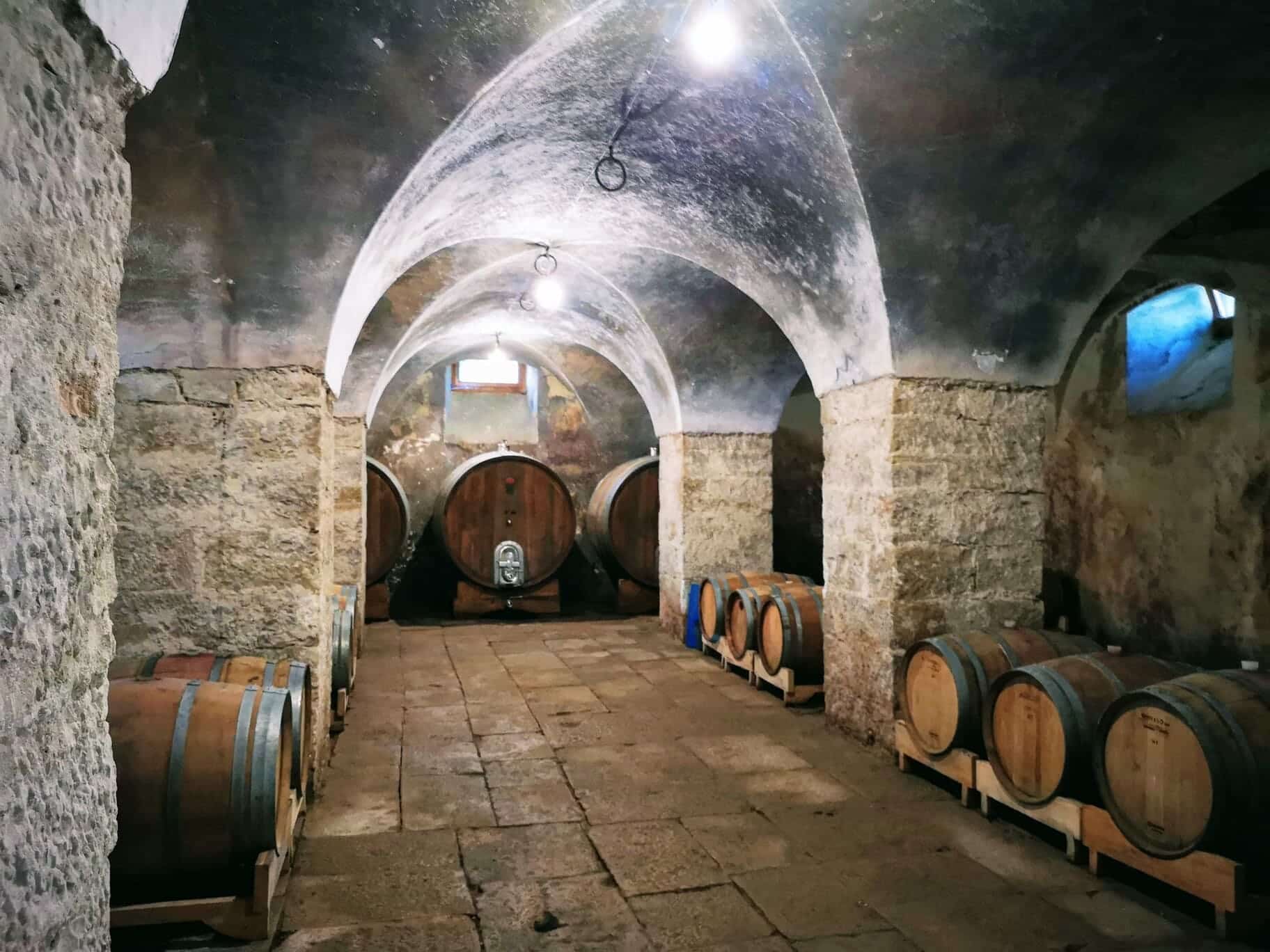
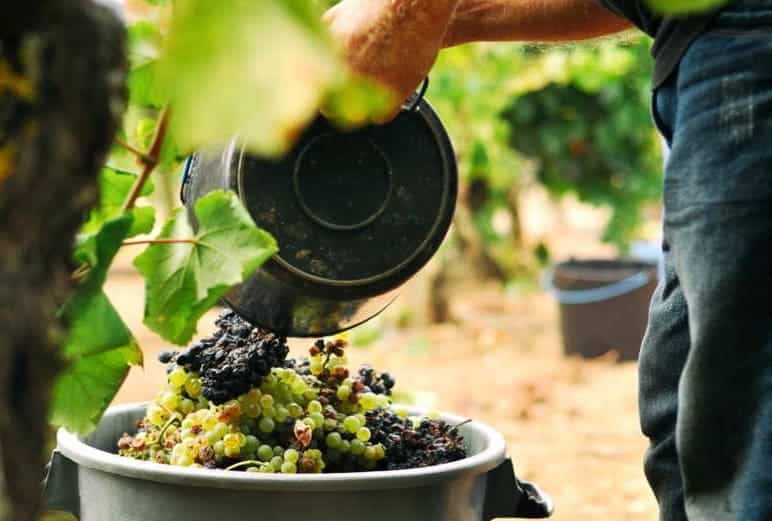
wineries on your Porto excursion

Port wine is one of the city’s most representative products. In Vila Nova de Gaia, facing the old town, are many of the oldest wineries — taste and learn about how this fortified wine is made.

Experiences for all tastes

Guided visits for everyone — from classic tastings to immersive experiences with pairings and cultural shows. Some wineries combine centuries-old tradition with technological innovation, offering tours in several languages.

A trip on the Douro river

The Douro also offers unforgettable river outings — from one-hour cruises to day-long excursions into wine country.

Six Bridges Cruises

A popular option: cruises along the six bridges between Porto and Gaia. Stunning views with local engineering history. Available year-round.

Heritage, churches and food

Architectural and artistic heritage in the historic centre — São Bento Station (over 20,000 tiles), the Sé Cathedral or the Church of São Francisco (Baroque interior). And a feast for the palate.

Must-try dishes

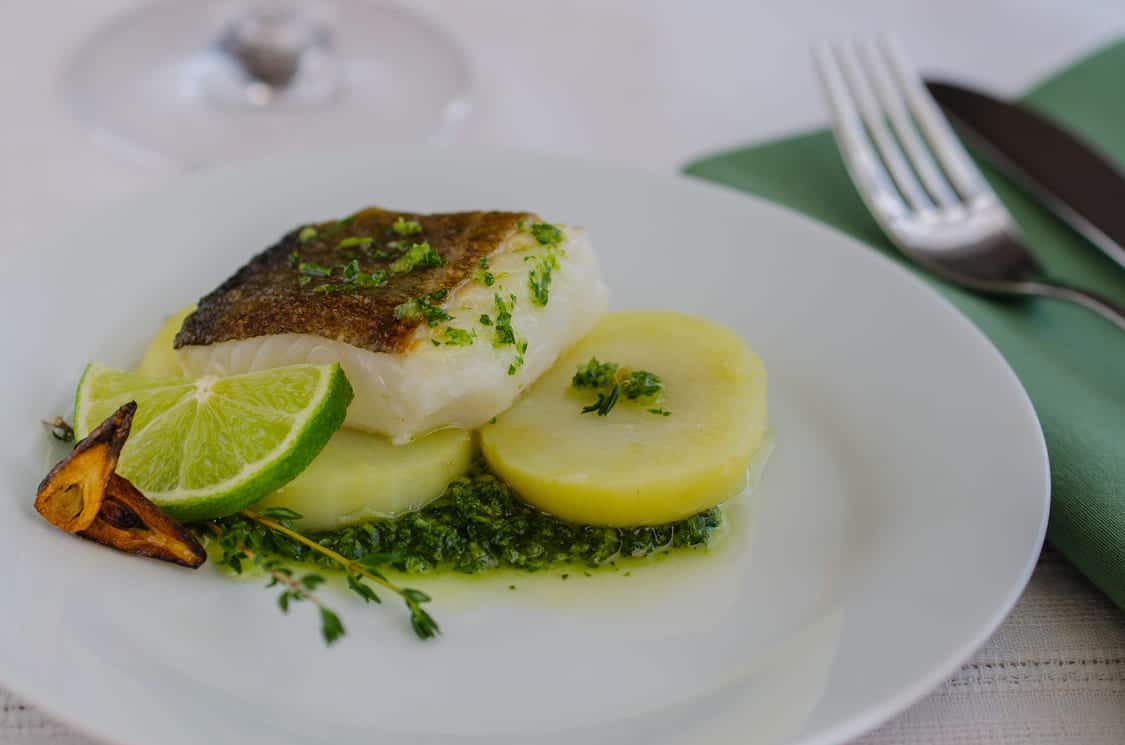
Francesinha, grilled cod, tripas à moda do Porto and pastéis de nata. From traditional taverns to Michelin-starred restaurants — prices accessible to all budgets.
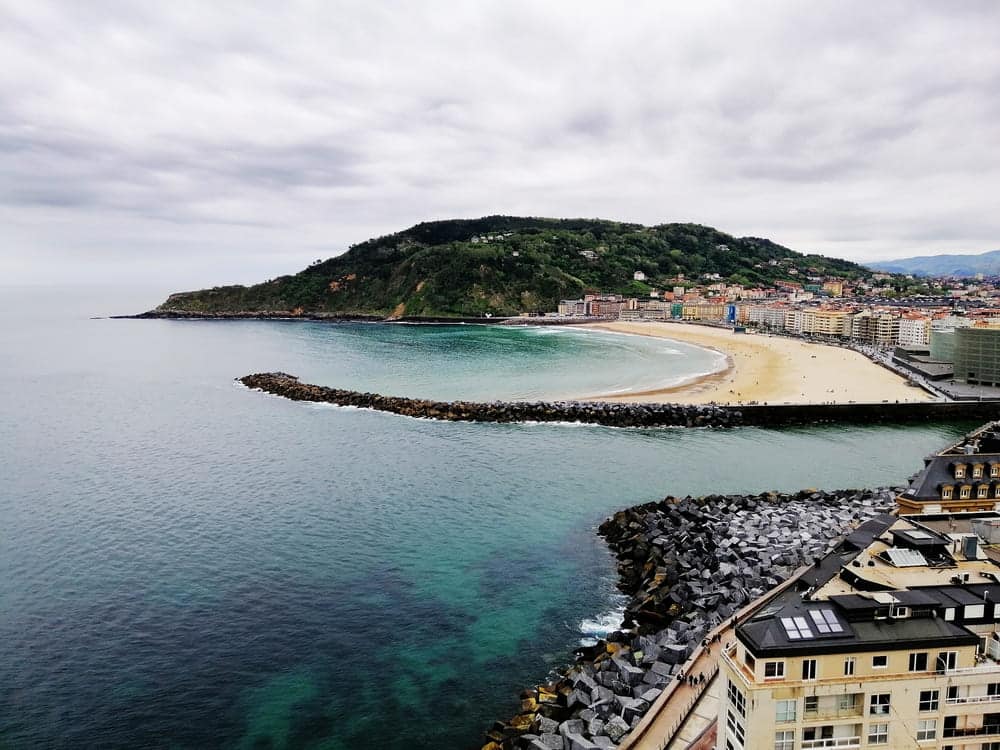
excursion to Porto and its beaches

FAQs about the Porto excursion

  • How long from Galicia to Porto? Vigo to Porto is about 1h45–2h by car depending on traffic. Train, bus or organised excursions also available.
  • Passport or DNI? DNI is enough — no border controls within Schengen.
  • Organised excursions from Galicia? Yes — many Galician agencies offer day trips with transport, guide and free time.
  • Essential for a day? Ribeira, Luís I Bridge, wineries and a Douro cruise. Add a typical meal and time to wander.

Tips for enjoying Porto

Comfortable shoes, check visit schedules and leave room for improvisation. Take it slow — the city’s energy shines when explored on foot.

Best time to visit

Spring and autumn for mild weather and fewer tourists. Summer is lively; winter brings melancholic riverside charm.
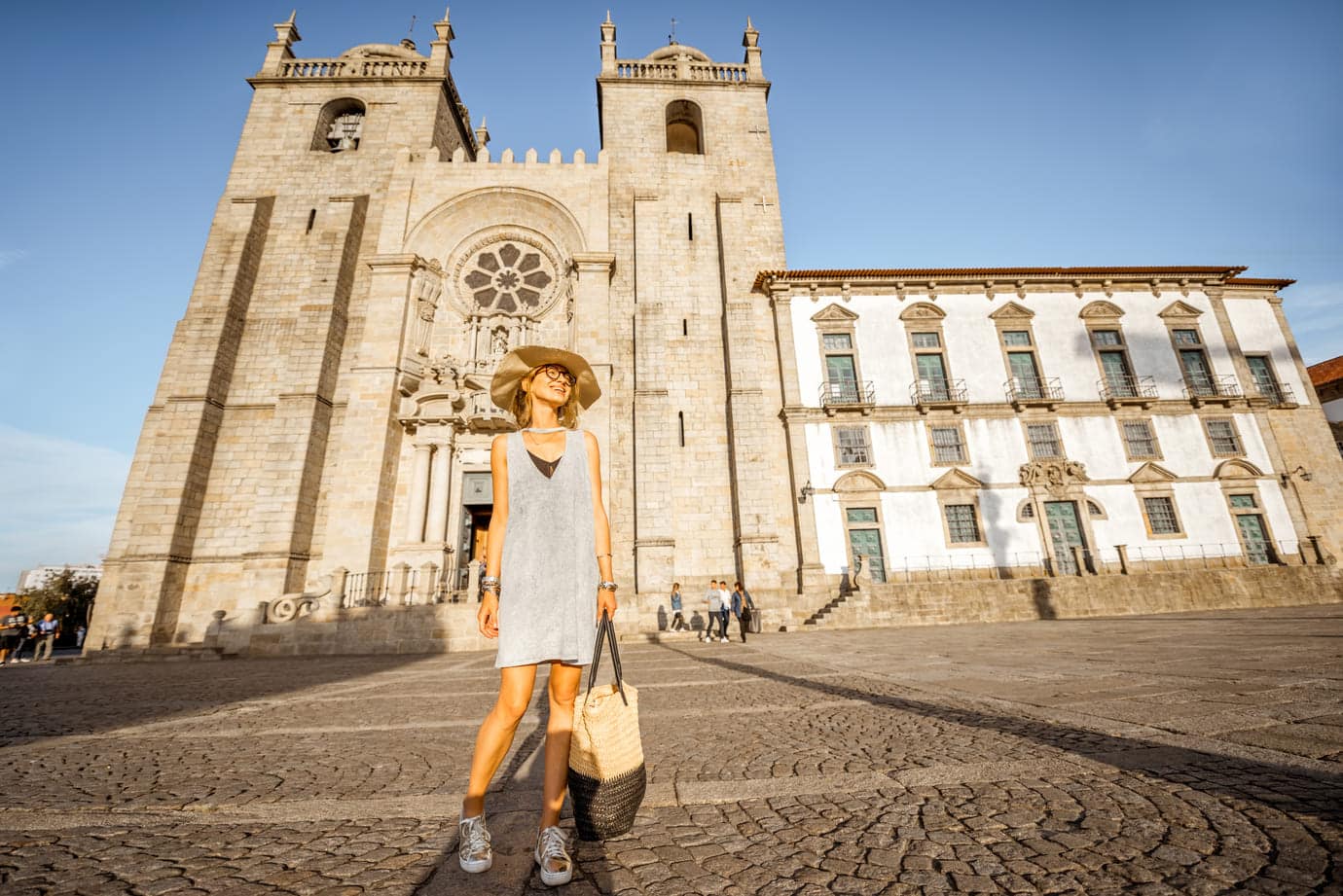
excursion to Porto

An unmissable getaway

A Porto excursion from Galicia opens a window to history, flavour, art and unique landscapes. More than a trip — an experience that combines the best of Portugal with the soul of the Atlantic north.
Beaches in Porto: The Best Coves and Sands Near the City

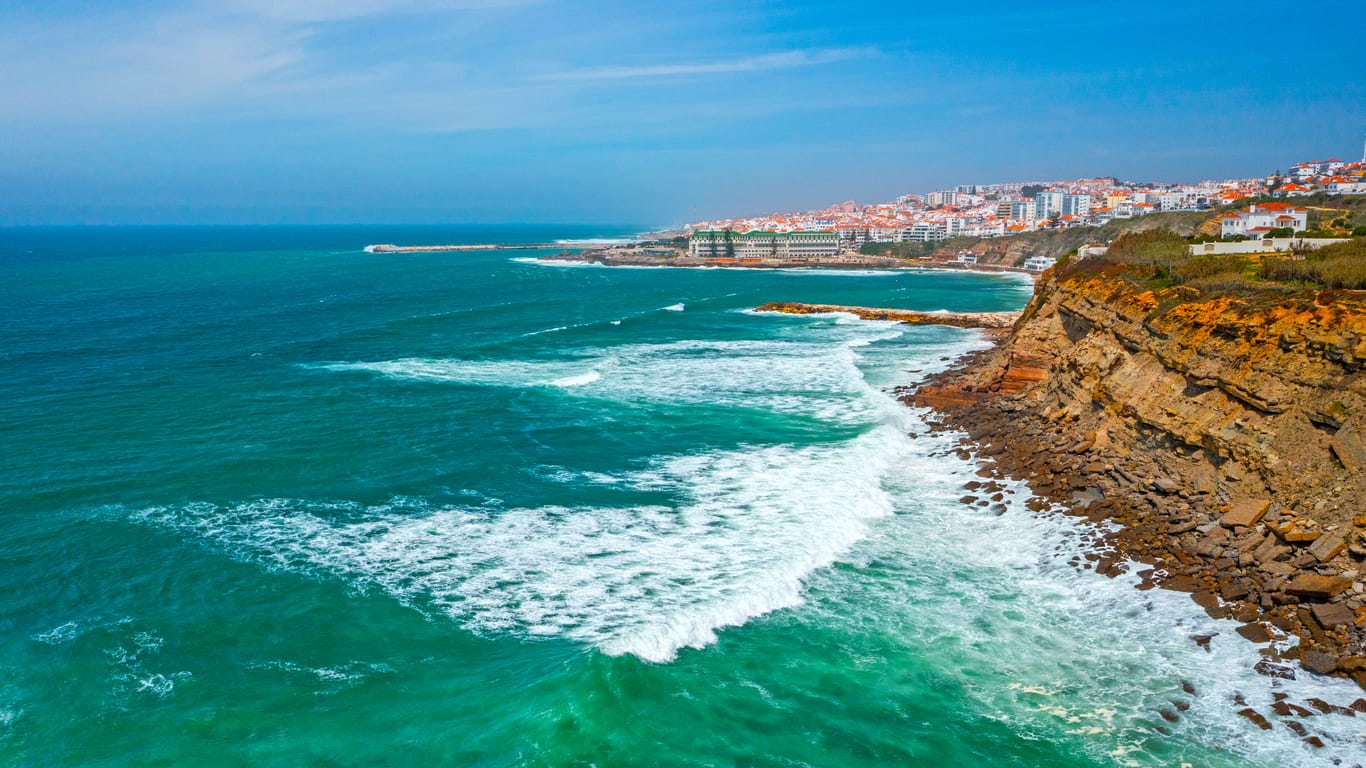
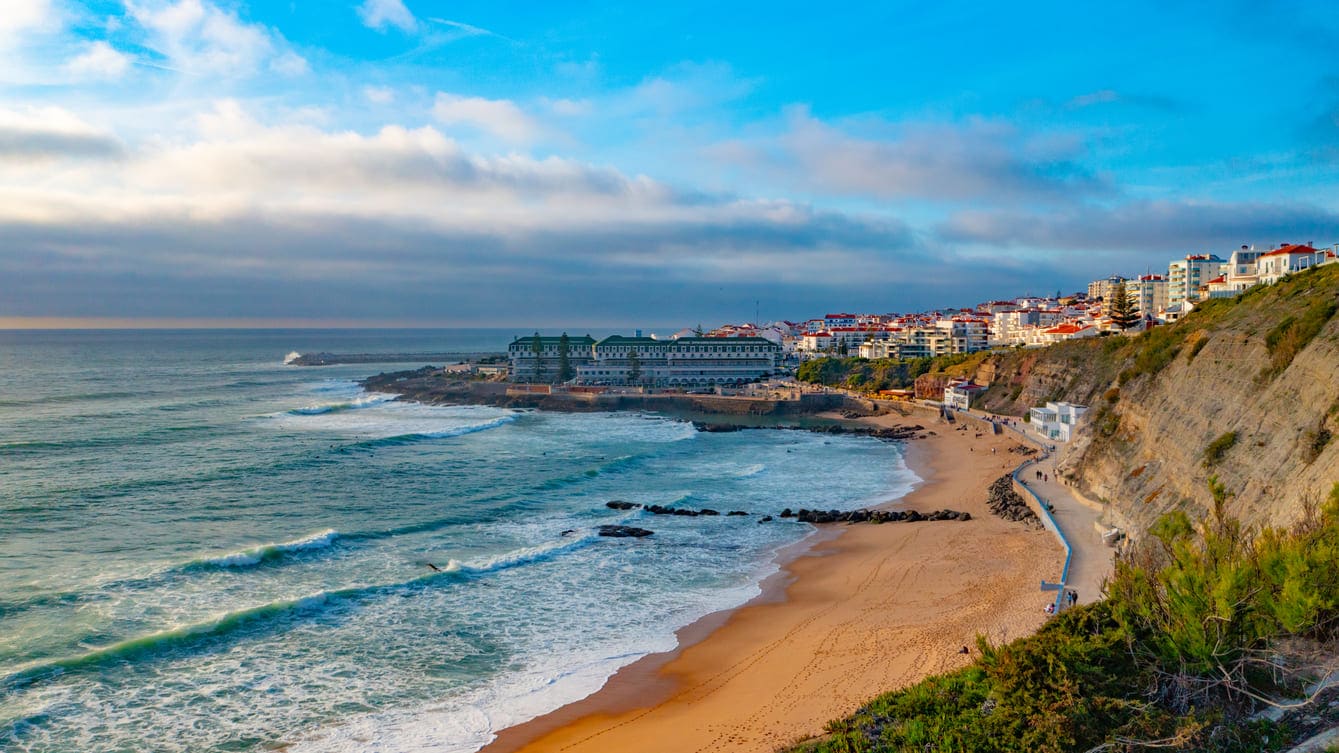
Looking for beaches in Porto? This Portuguese city stands out not only for architecture and food, but also for its Atlantic coast and sands ideal for unwinding. Minutes from the historic centre lie urban beaches, hidden coves and Blue Flag areas that make Porto a perfect destination to combine culture and sea.

How to reach the beaches from Porto

The main beaches are easily reached by public transport, bike or car. From the centre, take the historic Tram 1, the metro to Matosinhos or a bus to Foz do Douro. A seafront promenade connects many beaches — ideal to walk or cycle while enjoying Atlantic views.

Praia de Matosinhos: the most popular

Matosinhos is the best known with everything needed for a full day by the sea. Wide, urban and with a Blue Flag — great for families, surfers and sports lovers. Lifeguards, showers, gear rental and many bars and restaurants on the seafront. Closest to the centre thanks to the metro.

beaches in Porto

Praia do Carneiro and Praia dos Ingleses

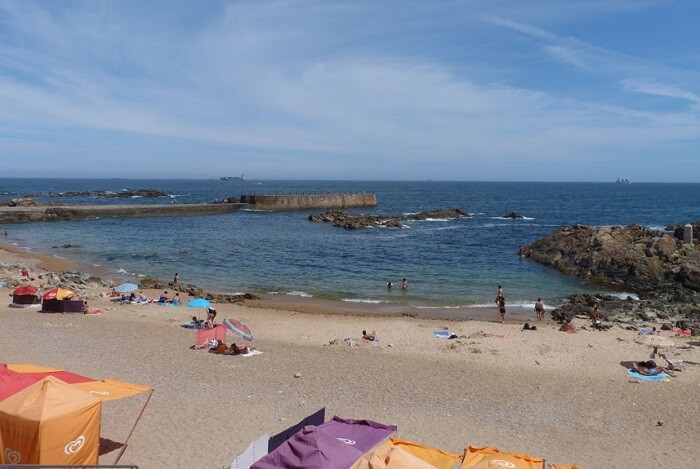
At the mouth of the Douro lie two of Porto’s most charming and quiet beaches: Carneiro and Ingleses. Praia do Carneiro features the historic Felgueiras lighthouse; Praia dos Ingleses is perfect for sunset on its terraces. Both are in Foz do Douro — one of the city’s most elegant areas with a very local feel.

Foz do Douro: the most sophisticated spot

Foz do Douro hosts some of Porto’s best beaches plus charming cafés and spectacular ocean views. Ideal for a more exclusive, quiet environment with sands like Praia do Molhe or Praia da Luz. Walk the promenade among gardens, sculptures and viewpoints.

beaches in Porto

Praia da Luz

Praia da Luz combines style and serenity — favoured by locals and discerning tourists. Small and well-kept, surrounded by chill-out bars and restaurants. Great for a sunset drink, reading or simply unwinding away from busier beaches.

Surf and water sports on Porto’s beaches

Several beaches are famous for waves perfect for all surf levels. Matosinhos is the surf hub with schools to rent gear or take lessons. Bodyboard, stand-up paddle or kitesurf too.

Hidden coves and less touristy beaches in Porto

If you prefer quiet, less-known spots, also explore Praia do Homem do Leme (less crowded, basic facilities) or head north to Lavra or Angeiras for wilder sands frequented by locals.

Praia de Lavadores

South of the Douro, Lavadores stands out for rock formations and natural setting. A bit further out — perfect for those seeking a different, less crowded landscape. Nearby parking and some cafés.

beaches in Porto

Best time to visit Porto’s beaches

All year — but June to September is most pleasant for swimming. Atlantic climate keeps water cool even in summer; sunny days let you enjoy the setting fully. Spring and autumn are great for walks along the coast.

Useful tips for your visit

Bring sun protection even on cloudy days; check sea conditions for water sports; wear comfortable shoes if hopping beaches; carry warm clothes — wind can be strong.

Beaches in Porto: enjoy unforgettable landscapes

From busy Matosinhos to the hidden coves of Foz or Lavadores, Porto proves it’s much more than wineries and tiles. Its coast is a treasure for those who look beyond the historic centre.

Excursion to Porto from Santiago de Compostela: a Trip Between Two Cultures

An excursion to Porto from Santiago de Compostela is a great way to discover two historic cities in one trip. Though in different countries, Galicia and northern Portugal share cultural roots, similar landscapes and a hospitality that wins you over. Perfect for adding an international touch to your stay in Santiago.

Why do this excursion

It lets you cross the border in a day and know one of Portugal’s most beautiful cities without worrying about logistics. Everything is organised: transport, guide, key stops and free time. Porto is vibrant — history, food and charm-filled corners.

From Santiago to Porto: a comfortable trip with views

from Santiago to Porto, comfortable trip with views

About 2.5 hours by road, with spectacular views. The trip crosses areas of great natural and cultural value in both Galicia and northern Portugal — part of the experience.

Natural and historic border

The excursion is also a chance to know the historic relationship between Galicia and Portugal. Over centuries, both have shared traditions, trade and language — still felt in architecture, food and way of life.

What to see on the excursion

Porto captivates with its decadent aesthetic, vitality and unmistakable riverside character. The excursion includes landmarks of the historic centre, a UNESCO World Heritage Site.

Ribeira and the Douro river

The soul of Porto on the Douro banks — a must-stop. Colourful facades, lively terraces and spectacular views of the Port wine cellars across the river.

Dom Luís I Bridge

Designed by an Eiffel disciple, this metal bridge connects the two riverbanks and is a city symbol. Walking it offers unmatched views — river and “rabelos” barges still navigating it.

São Bento Station

Famous for its tile panels — an architectural gem reflecting Portuguese history and culture. One of the visit’s most surprising stops.

Portuguese cuisine: flavour with personality

Portuguese cuisine

One of the most awaited moments is lunch. Porto is famous for francesinha, grilled cod or pastel de nata — tastable in typical, charming spots.

Free time to explore

The excursion usually offers enough free time to walk the centre, buy souvenirs or eat at your own pace — personalise part of the experience and connect with the city your way.

Excursion from Santiago: ideal for a full day

Designed to enjoy without rush. Early morning departure, return in the late afternoon — several effective hours on site.

What’s included?

Typically: round-trip transport, Spanish-speaking guide and on-site assistance. Some excursions add winery visits, wine tastings or monument tickets, depending on the experience.

Documents needed?

Yes — bring DNI or passport, even within Schengen. Carry European health card or travel insurance too.

Tips for the traveller

Comfortable shoes, light clothes and a jacket — weather can vary. Don’t forget camera or phone with space — Porto is photogenic.

Best time to visit Porto

Spring and autumn — mild temperatures, fewer tourists. Summer is lively but central hours can be intense.

excursion to Porto from Santiago de Compostela

An enriching, different, contrast-filled day worth living. A trip that joins cultures, languages and landscapes in one day.

10 Getaways Across Galicia and Portugal to Welcome Autumn

Autumn is starting and getaways across Galicia and Portugal are perfect. Enjoying well-earned holidays in these areas will give you fun, unforgettable memories.

The 10 best places in Galicia and Portugal

Organise your itinerary in advance and consider a specialist tour company. Here are 10 getaways to consider:

1. A Costa da Morte

The Coast of Death is one of the best places this season. Not the ideal time for the waves, but perfect for indescribable landscapes. Visit Vilán lighthouse or the Sanctuary of A Barca.

2. Pontevedra

A tour around Pontevedra is one of the best getaways across Galicia and Portugal. Recent restoration efforts make it a top destination.

3. Chaves

Right north of Portugal. A historic city with thermal waters and architecture like the medieval castle and Homenagem Tower.

10 getaways across Galicia and Portugal

4. Terras de Santiago

Eight routes to Compostela for hiking lovers. You’ll see faith and religiosity along the famous Camino.

5. Ponte de Lima

A small city 74 km from Galicia. Photos at the medieval bridge, tour the old town, visit the Museo do Brinquedo.

6. Manzaneda

A small village to live autumn exceptionally. The centenary chestnut of Pumbariño has over a thousand years of history — a National Monument. Spectacular European groves.

10 best places in Galicia and Portugal

7. San Andrés de Teixido

One of the tallest cliffs on the continent. Getting there isn’t easy — expert guides recommended.

8. Alto Douro Vinhateiro

Cradle of the best Oporto wine in Portugal. Wine tastings and cruise tours.

9. O Barco de Valdeorras

For more vineyards. Visit local wineries and learn about their wine.

10. A Fonsagrada

In Lugo. Mountain landscapes, river views in autumn and mushrooms from the woods.

A Fonsagrada

Autumn is the right season for spectacular views and guaranteed entertainment.

History of the Pastéis de Belém: the classic Portuguese pastries

If you have taken a route through Porto or anywhere in Portugal, you will undoubtedly have come across the famous Pastéis de Belém. Displayed in every bakery window with their flaky crusts, custard centres and carefully caramelised tops. You can find them everywhere in Portugal. They are cheap, delicious and absolutely everywhere. Below, we will explore the history of the Pastéis de Belém and why they became so famous in the country.


History of the Pastéis de Belém

If you want to dive into the history of the Pastéis de Belém and the details of this sugary delight, you have come to the right place. Once you know its history and cultural meaning, you will think twice before wolfing them down in two bites. A pastry as symbolic and historic as this deserves to be savoured.


What are pastéis de nata?

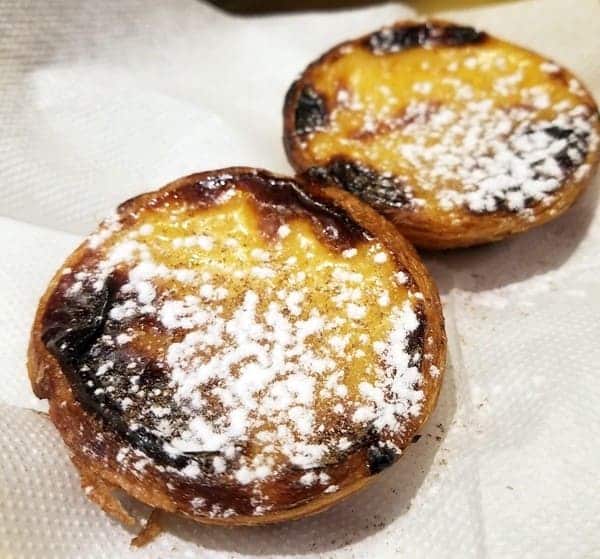
pastéis de BelémThese pastéis de nata are a traditional Portuguese pastry that can be described as a kind of egg tart. They look a little like small nests, with a thick outer layer of puff pastry and a filling of rich yellow custard. The top of the custard is caramelised, with dark brown or black spots and a slightly different texture from the filling below.
The term “pastéis de nata” is a Portuguese expression that means “cream pastries”. Pastéis is the plural of the word “pastel”, so if you hear or see “pastel de nata” instead, it just refers to a single pastry rather than several.


What about the Pastéis de Belém?

Pastéis de nata are sometimes also called pastéis de Belém. But what is the difference and why the two names? It all comes down to time, place and the history of the Pastéis de Belém. The most famous place to eat pastéis de nata in Lisbon is the Santa Maria de Belém district, and specifically the Fábrica de Pastéis de Belém.Belém pastry shop

Some might argue that the pastries made at the Fábrica are in a class of their own, and that therefore the two names refer to different things. But the simplest explanation is that pastéis de nata is the generic term, while pastéis de Belém became popular due to the prestige of that particular bakery. Although the latter technically refers to those made there, it is often used as a synonym for pastéis de nata in general.


Where are pastéis de nata made?

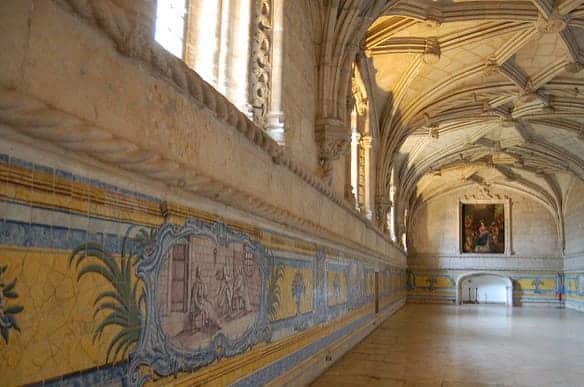
Delving further into the history of the Pastéis de Belém, there is another reason why pastéis de nata are sometimes called pastéis de Belém: they were invented in this area of Lisbon. According to the story, the monks of the Jerónimos Monastery of Belém were the first to make and distribute the iconic egg tarts. The monks used egg whites to starch clothes and fabrics and were left with a surplus of leftover yolks. Rather than waste them, they often used them to make pastries and cakes.


Mosteiro dos Jerónimos

Jerónimos MonasteryContinuing with the history of the Pastéis de Belém, after the Liberal Revolution of 1820, the monks faced a problem. Across Portugal religious institutions were being closed and they barely had any funding left. To bring in some extra money, they started selling pastéis de Belém.

In the end, the monastery closed anyway, and at that point the monks sold the recipe to the local sugar refinery. Sensing the goldmine they had in their hands, the refinery owners opened the Fábrica de Pastéis de Belém in 1837… and the rest is the history of the Pastéis de Belém.


How are pastéis de nata made?

Pastéis de nata are certainly a simple pleasure: buttery pastry, creamy custard and not much more. However, it takes much more effort and skill than one might expect to achieve the ideal pastry.


Making the perfect crust

First, there is the dough that forms the pastry crust. If you have ever tried to make your own pastries, you know how delicate the process can be. After mixing the ingredients, you have to work the dough to the right consistency, adding butter as you go to create the perfect texture.

This takes time, and there are no shortcuts if you want the real thing. Amateur chefs may be tempted to use store-bought pastry dough, but the result, while still tasty, will not be as impressive or authentic.History of the Pastéis de Belém, the classic Portuguese pastries

Filling with essential ingredients

After perfecting the dough, it is time to make the filling. This involves combining a few essential ingredients: flour, milk, sugar, cinnamon, vanilla and, of course, egg yolks. But do not think you can just throw it all into a bowl, whisk it and call it done. Creating custard that is both creamy and light is a delicate process, involving careful heating and timing.

Baking and assembly

Once that is done, the tarts are assembled and baked. This is where the magic happens: the filling thickens, the crust turns crisp, and those distinctive golden-brown spots appear on top of the custard. Once out of the oven, they are sprinkled with cinnamon and powdered sugar. And just like that, the star of Portugal’s bakeries is born.


If you did not know the history of the Pastéis de Belém, we hope that on your next tour of Galicia or Portugal, you will not hesitate to taste one of these Portuguese delicacies to round off your visit.

Where to Stay in Porto: the best accommodation

When visiting a city, whether on holiday or for any other reason, accommodation is always important. Here we offer a short guide on where to stay in Porto; this guide considers some points such as best areas, proximity, comfort and other details you should take into account.

Although Porto is a small city where taxis and Uber are not very expensive and there is a good public transport service, it is easy to get around from any part of the city.

This is one of Portugal’s most important cities, with many beautiful spots to enjoy and discover, in addition to its landscapes and history that captivate all visiting tourists.

discover where to stay in Porto

Tips when choosing where to stay in Porto

Before choosing a place to stay in Porto, you should research the city and the hotel or hostel you are going to pick. These are the tips you should take into account:

  • Safety: You should be safe in the place where you are going to rest. One key point is being able to leave your valuables and have them kept safe, so that while you explore Porto you do not worry about them.
  • Facilities: Within the facilities, you have to consider cleanliness, a place with various areas including a restaurant, bar, pool — all depending on what you are looking for.
  • Location: Location is important because of getting around. Our comfort and movement depend on this. Always stay near where you are going to travel and do tourism.
  • Budget: Take your budget into account, but include comfort and the services on offer. You must optimise the budget according to what you want and the days you will spend at your destination.

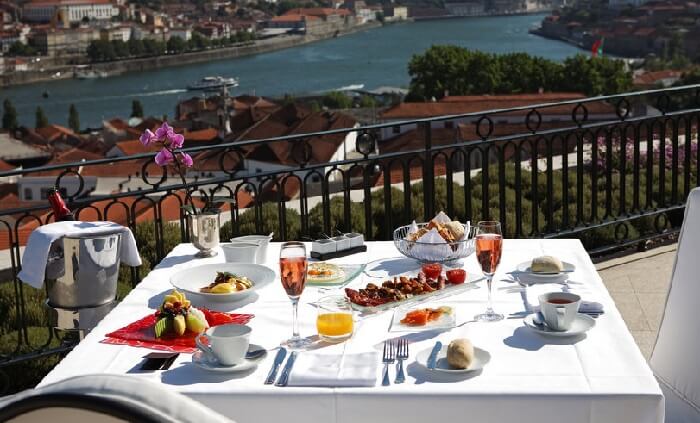
enjoy the best hotel breakfasts in Porto

Remember to research the place where you are going to book a room beforehand. Their websites are an excellent option, as are review pages of other people who have stayed in the same place.

Best areas to stay in Porto

The best areas to stay in Porto depend on what you are looking to do — the city centre if you want to visit more historic places, or also if you want to head more to the beaches. Each area suits a type of tourism. Here are some of our suggestions:

discover the best hotels in Porto

Centre

In the centre of Porto you can find some very good hotels that can serve you during your visit:

  • Hotel Pão de Açucar: Very close to the São Bento train station.
  • Grande Hotel de Paris: Located in the political centre.
  • Hotel Infante de Sagres: In Porto’s central square, near the cathedral.
  • Best Western: Near the Plaza de la República.

These areas are quite typical, with old buildings and dark streets. They are also well patrolled and you can go out for a walk and meet Porto’s residents, enjoy the city’s traditional nightlife, have a coffee and enjoy the festivities.

In the economic centre you can enjoy many more services, and there are large companies based in the area. It is also a middle-and-upper-class residential area. The buildings you find here are modern.

Outside the city

The area outside the centre is where you can find the largest number of hotels. As we said, transport is not hard to come by, so you can stay in areas a little further from the centre.

In the beach area you will find these hotels: they offer good prices and service and are recommended for tourists.

  • Hotel Porto Mar – Matosinhos
  • Pensao Central – Matosinhos
  • Senhor de Matosinhos
  • Surfivor Porto Surf Hostel

enjoy accommodation on Porto's beaches

On the outskirts of the city:

  • Hotel Antas
  • Cliphotel Gaia Porto
  • Hotel Pousada de Porto
  • Star Inn Porto Low Cost Design Hotel – Porto

Apartments to stay in Porto

The good thing about Porto is that it helps you find well-priced accommodation; one such option is apartments, ideal for families and large groups. Also for those looking for longer stays.

You can save money because they tend to be a little cheaper, and you can cook in them. They are well suited to large family groups, especially when there are small children who need more space and amenities.

Porto at Christmas

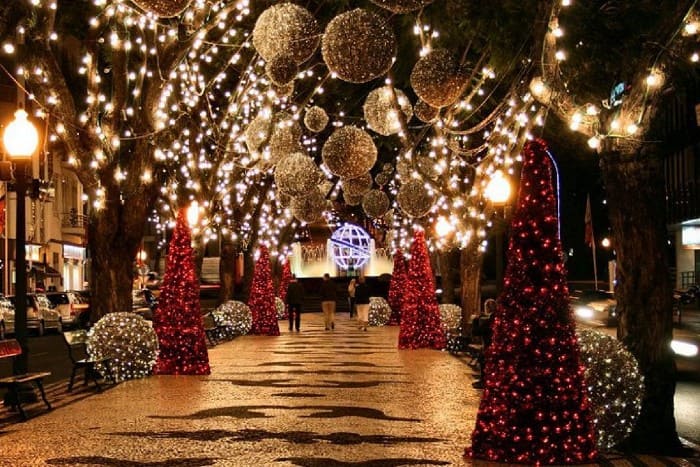
Visit Porto at Christmas. Christmas is a magical time to tour Portugal and discover this city and the north of the country, a region full of traditions and artisan wonders, delicious traditional and Porto wines, and to enjoy the festive atmosphere.

A visit just before Christmas is the perfect time to finish your gift list. But enjoying Porto at Christmas and New Year will be something you will never forget, on top of enjoying the wonderful traditions and the thrilling fireworks.

Why go to Porto at Christmas

Why go to Porto at Christmas

  • Three times awarded Best Destination in Europe.
  • Thousands of charms to discover in the capital of the north of Portugal.
  • Besides history and culture, Porto is also leisure, fun and nightlife.
  • Advent traditions and cuisine

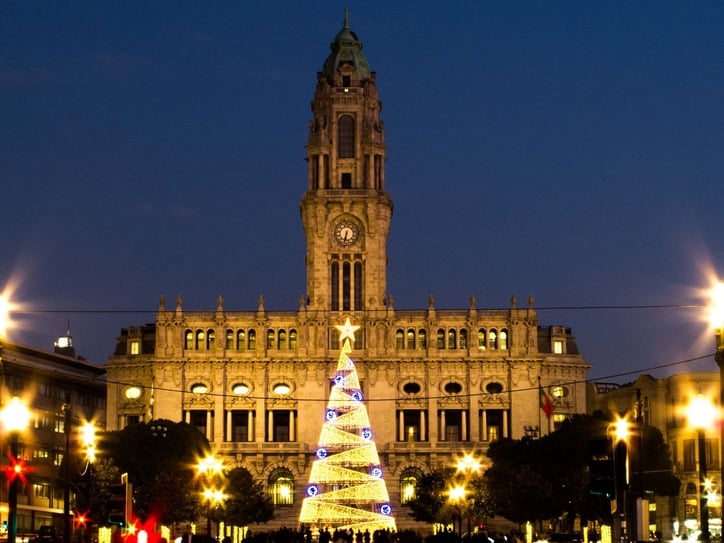
The streets of all of northern Portugal already glow with Christmas lights when the end of November arrives. In Porto, monuments such as the iconic Baroque Clérigos Tower and the impressive Porto City Hall at Christmas are clad in festive decorations, and the city is lit with colourful lights. The historic Avenida dos Aliados brims with Christmas cheer; here you will find one of the two open-air seasonal skating rinks in Porto and the city’s Christmas tree.

What to do in Porto at ChristmasChristmas is one of the best and most fascinating times of the year to visit the historic centre of Porto, walk along its wide avenues and enjoy its lovely cobbled streets, as well as shopping at its craft stores and admiring the seasonal delights such as shiny royal cakes with pieces of fruit. You cannot miss a visit to the huge and beautiful Lello bookshop, the historic bookshop that is said to have inspired J. K. Rowling to design the Hogwarts library, as well as a visit to the Ribeira boutiques.

By mid-December, we find Porto at Christmas with many street fairs and the Porto Craft Fair, where artists exhibit their creations. If you cross the river and head to Vila Nova de Gaia you can taste wonderful Port wines and other seasonal drinks at one of the many historic inns of the Porto producers along the riverbank, with their names printed on the rooftops.


Christmas Eve

In Portugal, gifts arrive at midnight on 24 December. On Christmas Eve, families gather for the traditional feast of cod, potatoes and vegetables before attending the traditional Midnight Mass. In churches, each member of the congregation kisses the baby Jesus before placing him in the manger.


Recommendations

  • Enjoy the traditional Christmas Eve feast of cod, potatoes, vegetables and olive oil.
  • Enjoy francesinhas, custard cakes and other local delights.
  • Listen to traditional Christmas music, “Janeiras”, during the first days of January.
  • Try the traditional Epiphany delicacy: the Bolo Rei (king cake).


Christmas and Boxing Day

Shops, restaurants and tourist attractions close early on 24 December and reopen on 26 December. So, if you are staying in Porto at Christmas, make sure you buy enough supplies — or book a table at a hotel restaurant in advance.

On 25 December, the traditional lunch dish is Roupa Velha. It is a dish made from the leftovers from the night before, before the meat is baked for dinner. Traditionally, the meat was lamb or kid in most regions of northern Portugal, but today turkey is very popular. The tables are heaped with sweets, nuts and fruit to nibble on, as well as holly decorations and colourful ribbons.


Happy New Year

New Year is a family celebration, with parties and fireworks. Welcome the New Year with good luck by eating 12 grapes at midnight. Many Portuguese cities have impressive New Year fireworks and, in that sense, Porto at Christmas is no exception.

Porto at ChristmasHead to the banks of the Douro river to stand among the crowds watching the colourful fireworks over the river, near Ribeira. Or, at the Avenida dos Aliados next to the City Hall, where there are also more concerts and fireworks in central Porto. Without a doubt, these are the best places to watch the New Year fireworks in Porto.
Restaurants will be packed, so book in advance. Or how about enjoying a cruise along the Douro river? A perfect way to enjoy the riverside fireworks from the comfort of your own deck.


Epiphany

Three Kings’ Day, on 6 January, is almost as important as Christmas Eve and Christmas Day; it marks the Epiphany and the arrival of the Magi to meet Jesus. Some Portuguese children receive gifts on this day, to symbolise the gifts offered by the Kings to the baby Jesus.

This is the ideal day to enjoy a warm and freshly baked Bolo Rei from a local bakery. This ring of soft dough with a heavenly aroma, Port wine and dried and candied fruit is a colourful treat, traditionally filled with symbolic delights.

Home-made versions may contain a lucky charm, a bean hidden inside; whoever finds it will take on the task of baking the cake the following year.


What to do in Porto at Christmas

Christmas in Porto

Beyond all we have already mentioned, if you are staying a few days in Porto, you cannot overlook other “less typical of Christmas” things:

  • Visit the World Heritage sites
  • Get to know the landscape where Port wine is born
  • Take the chance to visit Porto’s wine cellars and the city’s historic centre.

At this time, moreover, Porto’s streets are not only full of the rich aromas of fruitcakes, but they also blend with the sounds of the Janeiras choir, the traditional January songs — do not return from Porto without having seen this fabulous show.

The Famous Francesinha of Porto: The Legendary Sandwich

Have you heard of a Francesinha? If you have been to Porto, the answer is probably yes. This famous local dish appears on menus all over the city and the country. Ask anyone what you should eat on a trip to Porto or to northern Portugal, and they will most likely tell you to try the famous Francesinha of Porto.

So, what exactly is this mysterious mountain of bread, meat and cheese? Is it worth dedicating an entire meal to it?

It is debatable. First, if you are not in the mood for meat, do not bother. And if you are not a fan of heavy, rich meals, perhaps you should try a bite of another delicious dish instead. But if you really want the full experience and a little challenge, order one for yourself. It will be a meal to remember.

The secret is in the sauce

What is a Francesinha?

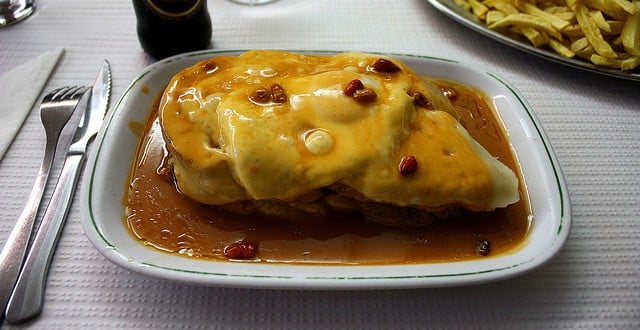
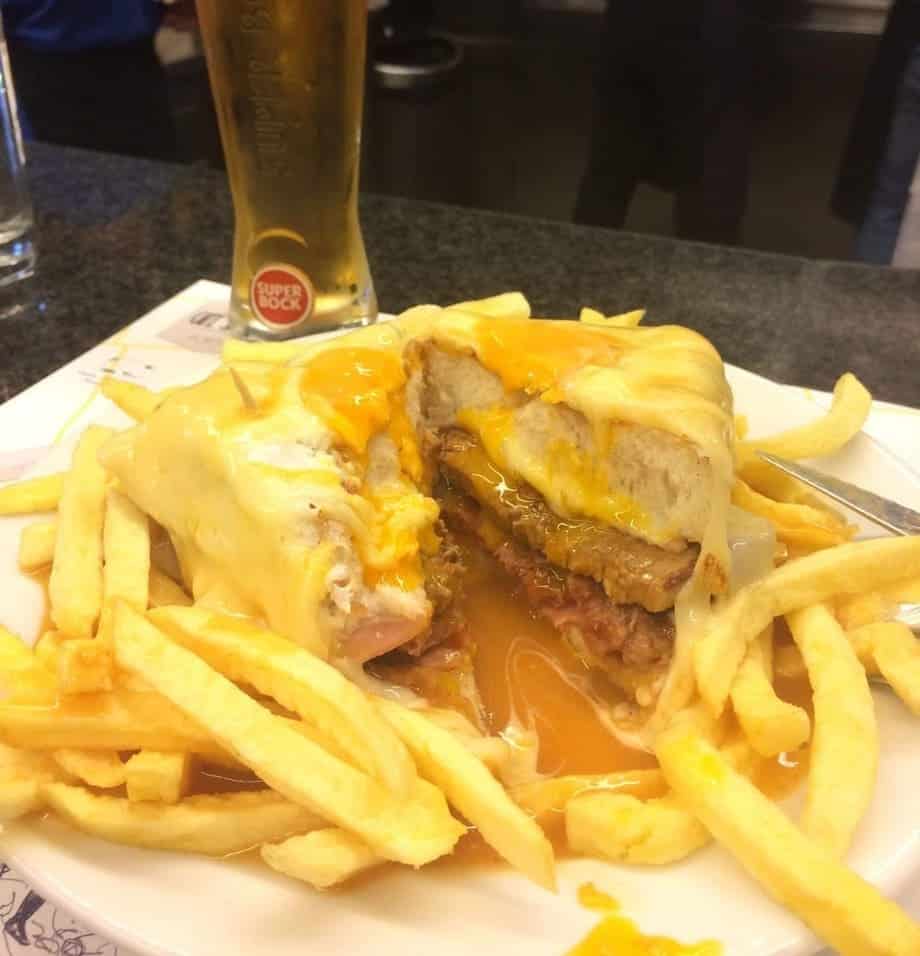
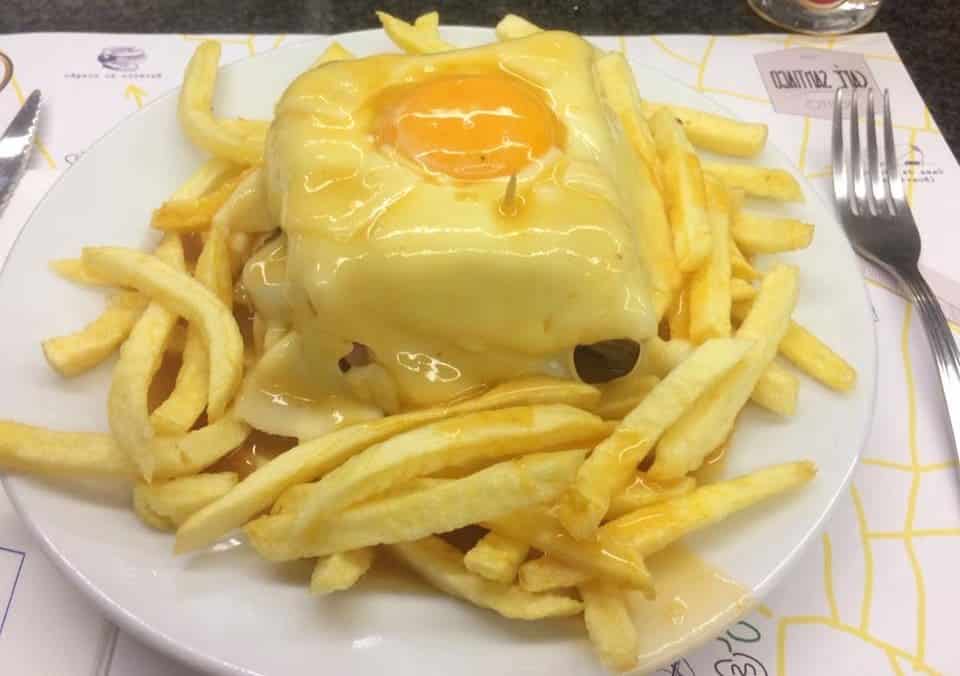
To put it simply, a Porto Francesinha is an enormous sandwich. It is made up of several layers: bread, cheese, ham, fresh sausage, smoke-cured pork sausage, beef steak, more bread, and finally a fried egg (although the specific fillings may vary). All of it is covered with melted cheese and a rich, savoury sauce. And, just in case, chips are piled around the sandwich to round off this masterpiece.


The secret is in the sauce

The sauce is the most important element of a Francesinha, and what really makes it unique. Its main ingredients include beer, broth, tomato, onion, garlic and various spices. There are also some secret ingredients that vary from place to place; you can try it with a touch of Port wine or even whisky. All of this is thickened with cornstarch to create a dense, soupy brew that soaks into the sandwich and is the perfect dip for chips.


Whose idea was the famous Porto Francesinha?

What is a Francesinha?You can blame Daniel da Silva for dreaming up this sandwich. In the 1950s, he moved to Portugal after living in France and Belgium. He wanted to adapt the French touch to local tastes, so he added a ton of extra meat and the legendary beer-based sauce. He called it “Francesinha” to reflect this French inspiration; the name literally means “Frenchwoman” or “little French girl”. A few decades later, it is now considered one of the most traditional dishes of Portugal.
 

Where to eat a Porto Francesinha?

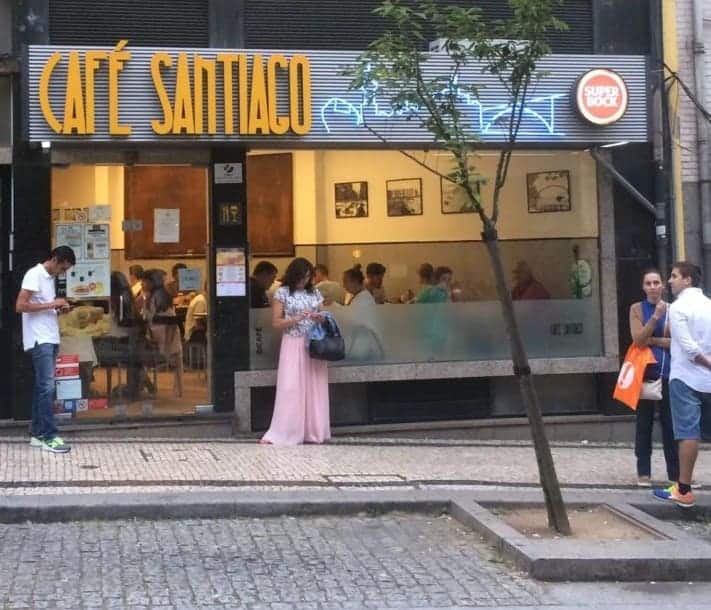
Café Santiago is one of the best places to try a Francesinha, one of Portugal’s most famous dishes.Where to eat a Porto Francesinha?

You will not regret this choice. Café Santiago is a local institution and, although they serve other things, the Porto Francesinha is the star. It is truly huge, with all the classic ingredients, but no extra bells and whistles. Sit at the shiny metal bar and order a Super Bock beer to go with it; people say it helps you digest the enormous amount of food. A cold beer is the ideal accompaniment to this feast.

If you are looking for a Porto Francesinha, there is no shortage of options. Almost every restaurant and café catering to tourists serves one. Other places with a good reputation are Lado B and Churrasqueira Lameiras, but you will see everyone has a different opinion on who is the true Francesinha king.


New twists on the Francesinha

Although the original recipe leaves nothing to be desired, many creative chefs have decided to put their own spin on this classic dish. Some places prepare the Porto Francesinha with roast pork, seafood, chicken or mushrooms. Others even offer a vegetarian version, which is hard to imagine, but probably delicious in its own right. Some restaurants are known for serving extra-large Francesinhas, such as Restaurante Cunha, while others give the option of ordering half a portion.

The fillings vary from place to place, as does the assembly of the sandwich itself. But, of course, the biggest variable is the special sauce. Every café and every cook has its own secret recipe. Some are spicier than others, or lighter on tomato. The colour of the sauce can vary from bright orange to deeper red. What do they all have in common? An intense, unique flavour you will not find anywhere else.

The famous Francesinha of Porto: the legendary sandwich


And you, have you tried a Porto Francesinha? What do you think of this iconic Portuguese dish? But if you have not tried it yet, it is without doubt one of the reasons why you should visit Porto.

Vinho Verde from Porto

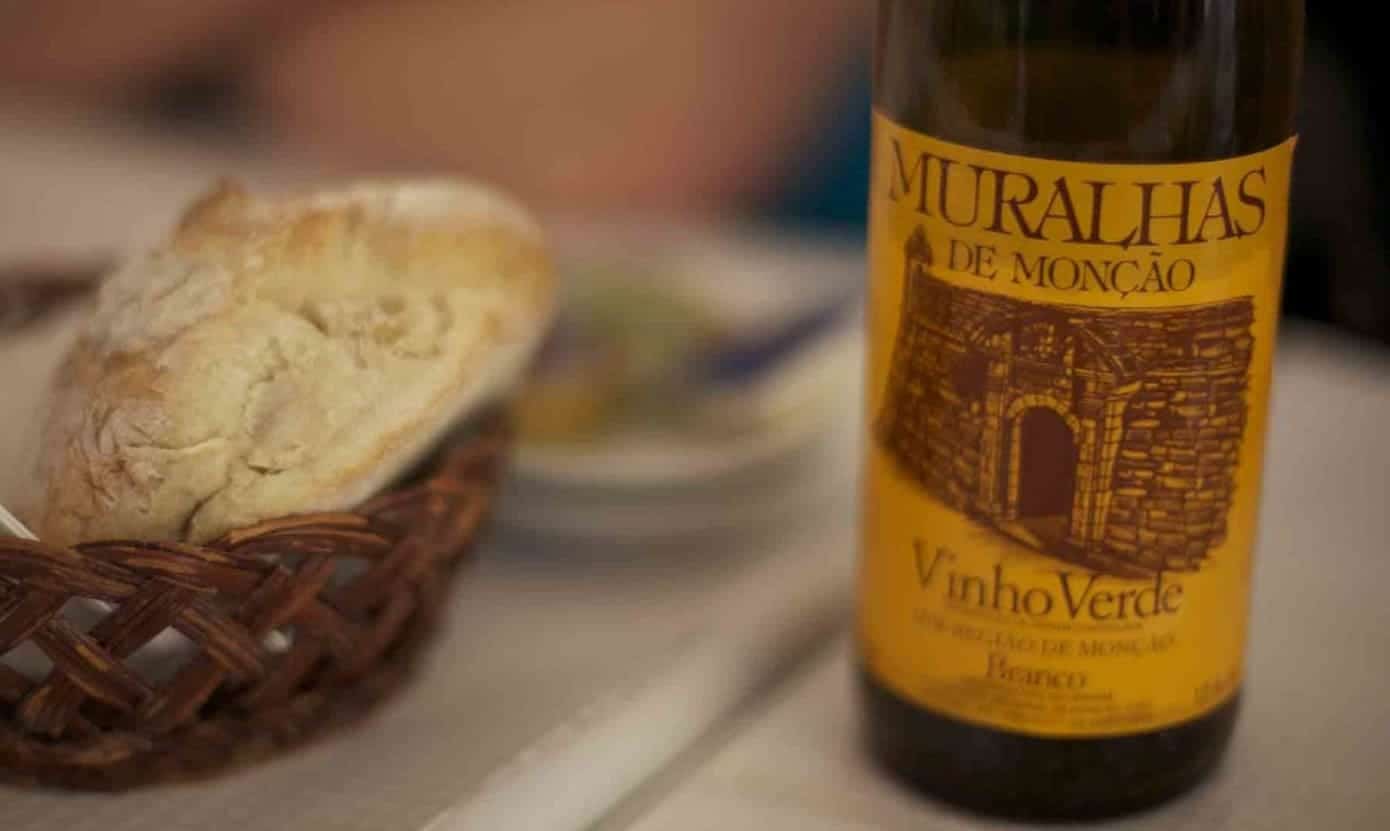
Porto’s Vinho Verde is a crisp, aromatic, low-alcohol wine that is often lightly sparkling. Despite the translation, Vinho Verde is never green: it is usually a white wine, although it is also possible to find red Vinho Verde and rosé Vinho Verde.

“Verde” means, more than anything to do with its colour, that it is young. In fact, the only thing that makes a Vinho Verde a Vinho Verde is that it comes from the Vinho Verde region, in northern Portugal.


EXPORTING VINHO VERDEEXPORTING VINHO VERDE

You will find Vinho Verde in every supermarket in Portugal, and on almost every menu in every Portuguese restaurant. It used to be hard to find outside Portugal, and you often had to look for it in a specialist shop. Today, most wine shops usually carry bottles of this great wine.

Fortunately, some of the commercial producers in Portugal had already started to modernise their methods just before the Vinho Verde boom, otherwise it might have been very hard to get a bottle outside Portugal.


THE EVOLUTION OF THIS MAGNIFICENT WINE

Its evolution is tied to history. Not long ago, the Vinho Verde region was characterised almost exclusively by small holdings. People grew their vines in a very disorderly way: on the sides of fences, pillars, telephone poles and trees, so that they could use the fields to grow vegetables and let their animals graze. Naturally, all this led to very small yields and everything had to be harvested by hand.

In recent years, the Vinho Verde region has changed considerably, as both Portugal and the rest of the world have grown to appreciate this wonderful wine more and more. Although this has meant that several large vineyards have dominated the shelves of Portuguese supermarkets, as well as the export market, that does not mean that small producers no longer exist. They do. The majority of the region is still made up of small producers who work together with local cooperatives. Large producers, such as Aveleda, are probably the exception, but they dominate much of the market.

Although recent years have been marked by modernisation, that does not mean all the romance has gone. The popularity of Porto’s Vinho Verde has led various vineyards to experiment and create Vinho Verde wines that did not really exist before, such as single-varietal Vinho Verdes or oak-aged ones.


So is it not really green?

The different types of Vinho VerdeVerde, as mentioned, does not mean the wine is really green. If you were worried about having to drink something the colour of pond water, this is probably a relief. Or maybe a disappointment.
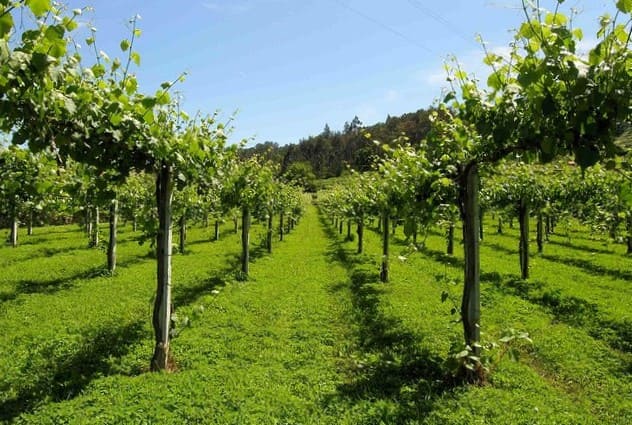
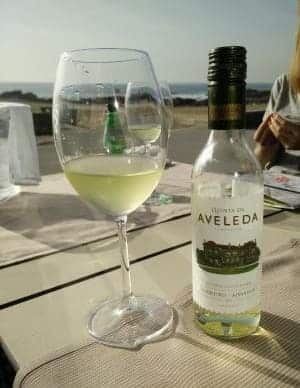
Porto’s Vinho Verde is usually a white wine, although it is not always the case. You can also get red and rosé Vinho Verde.

Although there are several theories about where the name Vinho Verde comes from, the most accepted is that it means young. The bottles are released about 3-6 months after harvest, which means the wine is not really aged.

It is rare for a Porto Vinho Verde to be oak-aged, although some producers have started to experiment. Vinification is only done in stainless steel tanks.


The different types of Vinho Verde

Because Vinho Verde is the name of the region, that means there can be many different variations.

White Vinho Verde tastes different from the others, and not only because of the price. There are certain features of white Vinho Verde that most whites share: it is a light, crisp and aromatic wine that often has bubbles and can be slightly sweet.

When it comes to a white Vinho Verde, Loureiro tends to be floral, Trajadura tends to have a steely taste, Arinto tends to be mineral, Avesso also tends to be mineral, but with creamy notes blended in, and Alvarinho (the same grape as Spain’s Albariño) tends to be mineral and slightly fragrant.


FEATURES OF WHITE VINHO VERDE

Vinho Verde is the name of the region

Vinho Verde is the name of the region. It is a DOC region in the far north of Portugal, above Porto and reaching the Spanish-Portuguese border.

The Vinho Verde region is then divided into smaller sub-regions: Monção, Melgaço, Lima, Basto, Cávado, Ave, Amarante, Baião, Sousa and Paiva.


Vinho Verde often has bubbles

One feature of Porto’s Vinho Verde is that it often has bubbles. Not on the same level as champagne or cava, but enough to be noticeable.THE EVOLUTION OF THIS MAGNIFICENT WINE

Traditionally these bubbles were more accidental than anything. It happened when some carbon dioxide was trapped in the bottle. Today, the bubbles are usually added manually through artificial carbonation.

From 1999, some producers are now producing sparkling Vinho Verde wines.


Vinho Verde has a fairly low alcohol level

Vinho Verde wines are usually very low in alcohol, between 8.5{0c4b52101edf59c43bd9ea9c33002dad18a168785976cd7d994d2e239557c454} and 11{0c4b52101edf59c43bd9ea9c33002dad18a168785976cd7d994d2e239557c454} on average. Even at its highest, 11{0c4b52101edf59c43bd9ea9c33002dad18a168785976cd7d994d2e239557c454} is still quite light, which makes it popular for drinking at lunchtime. Vinho Verde made with Alvarinho, for example, often tends to be higher in alcohol (typically 11.5 to 14{0c4b52101edf59c43bd9ea9c33002dad18a168785976cd7d994d2e239557c454}).


Vinho Verde from PortoWhat foods pair well with Porto’s Vinho Verde?
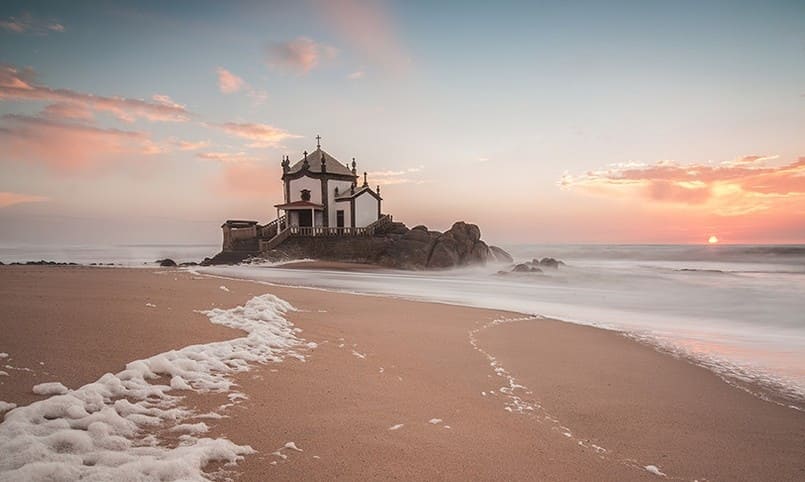
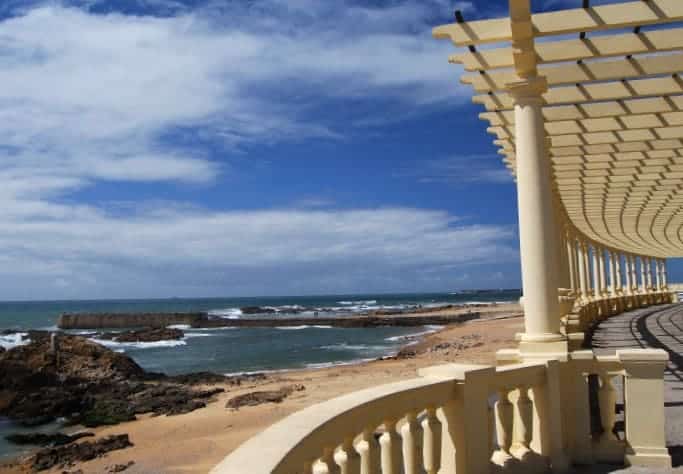
Porto’s Vinho Verde pairs very well with seafood. So if you visit a seafood restaurant to try Portugal’s fantastic variety of seafood, this is probably the wine you will end up drinking.

In addition, as it is normally drunk in summer and often at lunchtime, it tends to go well with “summer food” such as chicken and salads, rather than stews and heavier meals.


The beaches of Porto

The beaches of Porto will surprise you with their quality, many of which are easily reached by public transport.

The city is rarely thought of as a beach destination, but it sits at the heart of the Costa Verde, a rugged coastline of golden beaches, rocky headlands and dramatic natural scenery. Porto’s proximity to these wonderful beaches is not widely advertised, and many visitors do not realise that a trip to Porto in summer can also include day trips to the beaches.


Overview of the beaches of Porto

If you are planning a trip to Porto, you should keep in mind this overview of the best beaches in Porto:

  • The best small beach within the Porto city limits — Praia do Homem do Leme (6 km)
  • The largest and most popular beach near Porto — Praia de Matosinhos (8 km)
  • The best beach to the north of Porto — Póvoa de Varzim (30 km)
  • The best beach to the south of Porto — Praia do Senhor da Pedra (14 km from Porto)
  • Only beach town — Costa Nova with its striped beach houses


The 10 best beaches of Porto are:

1) Praia do Senhor da Pedra (Miramar)The weather at the beach
2) Praia Redonda (Póvoa de Varzim)
3) Praia da Azurara (Vila do Conde)
4) Praia das Sereias (Espinho)
5) Praia da Ladeira Norte (Vila do Conde)
6) Praia das Pedras do Corgo (Lavra)
7) Praia da Aguda (Aguda)
8) Praia de Matosinhos
9) Praia do Homem do Leme (Porto)
10) Praia do Carneiro (Porto)


Where do we go for a beach trip?

For a simple day at the beach we head to the Praia do Senhor da Pedra or to Praia da Aguda.

Where do we go for a beach trip?These two beaches sit side by side, and offer golden sands, clean sea waters and a pleasant low-key Portuguese feel. Both beaches are reached by the train to Aveiro, which leaves from São Bento station.
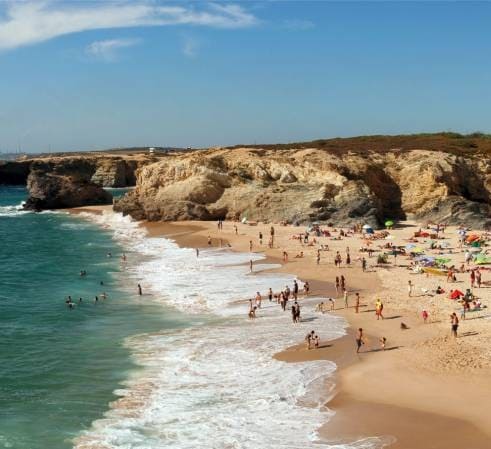
For a day trip to Porto’s beaches, we can combine a beach and a pretty town, and for that we will head to Vila do Conde and to Praia da Azurara.

For a half day at the beach, which is near Porto, we head to Praia do Homem do Leme or Praia de Matosinhos. Matosinhos is a great beach with a very lively atmosphere and lots of bars and restaurants, but it overlooks the cruise terminal and the fishing docks, so it is not the most picturesque of spots.

When we are with families and children, we take them to Praia de Leça da Palmeira, as there is a fine beach and the Piscina das Marés.


The weather at the beach

The weather is suitable for spending time at the beaches of Porto from May to mid-September. Bear in mind that the sea water is always cold, reaching a maximum of 19°C in midsummer.

If you plan to spend long periods in the sea you will want a wetsuit. The region can experience strong sea breezes blowing from the Atlantic Ocean.


Main areas of the beaches of Porto

Beaches close to Porto (Foz do Douro beaches)

The beaches closest to Porto line up along the Foz do Douro and Nevogilde districts of the city. These are smaller beaches, set between rocky outcrops and steep headlands, and all tend to be very similar.


The Foz do Douro beaches

The Matosinhos beachesThe Praia do Carneiro is the southernmost of the Foz beaches and the closest to the mouth of the Douro river. The Fortaleza de São João da Foz dominates the beach, and a long groyne stretches from the Douro estuary.
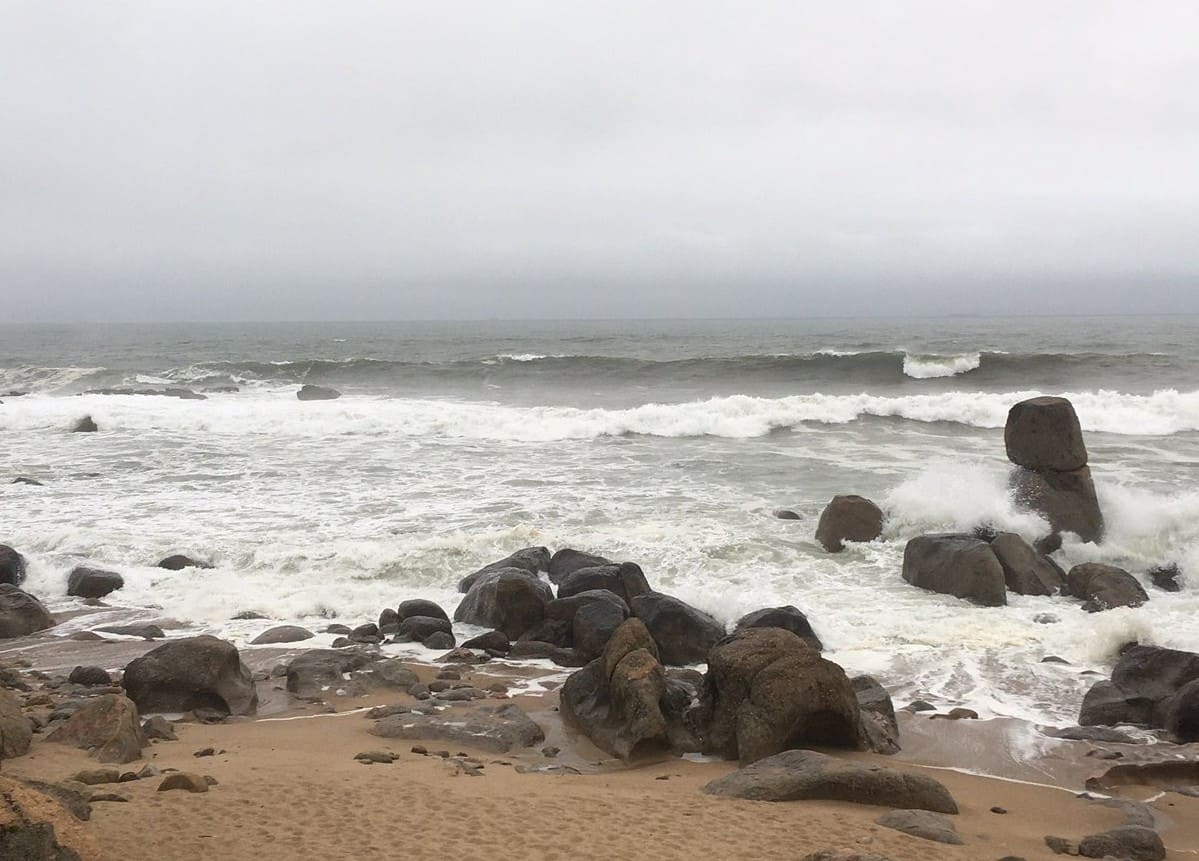
North of Praia do Carneiro lie the beaches of Praia do Ourigo, Praia dos Ingleses and Praia da Luz. These three are a continuation of Praia do Carneiro and are therefore very similar.

The next stretch of sand are the beaches of Praia de Gondarém and Praia do Molhe. On the north side of the Molhe de Carreiros sea defence is the last beach, the Praia do Homem do Leme.

The most notable feature near Praia do Molhe is the Pérgola da Foz, a Neoclassical pergola inspired by the Promenade des Anglais in Nice.

The Pérgola da Foz is regarded as one of the most romantic spots in Porto and a beautiful setting to watch the sunset over the ocean.


The Matosinhos beaches

The beaches of PortoMatosinhos is a town famous for its fresh fish and its busy fishing port.

The larger beach, Praia de Matosinhos, lies south of the docks, while Praia de Leça da Palmeira lies north of the port. During summer these two beaches are the most popular in Porto, and there is a real buzz to them. For a guide to Matosinhos.

The only drawback of the Matosinhos beaches is that the fishing port and the docks dominate the landscape. These beaches are excellent for a day at the beach, but they do not have the idyllic setting or the wow factor that some tourists may wish for on their holidays.

We recommend that, if you are new to Porto and looking for a pretty beach, you travel further afield, to Aguda, Espinho or Vila do Conde. Alternatively, if you just want a good beach close to Porto, then Praia de Matosinhos would be a sensible choice. This view is shared by most of Porto, since on summer weekends most of the city descends on the Matosinhos beaches.


Beaches a little further from Porto

The coastline south of Porto is a continuous sandy beach stretching for over 17 km and including the towns of Miramar, Aguda, Granja, Francelos and Espinho. This coastline is characteristic of the Costa Verde, with vast sandy beaches and huge Atlantic waves that make them ideal for surfing. Espinho is the largest resort of this stretch of coast and is connected by the Porto-Aveiro railway.

To the north of Porto are the towns of Vila do Conde and Póvoa de Varzim. Vila do Conde is a charming town that has preserved its historic centre and lies on a 6 km strip of sand, while Póvoa de Varzim is a much more modern town with an equally fine beach.