

How to Visit A Toxa from Santiago or Vigo
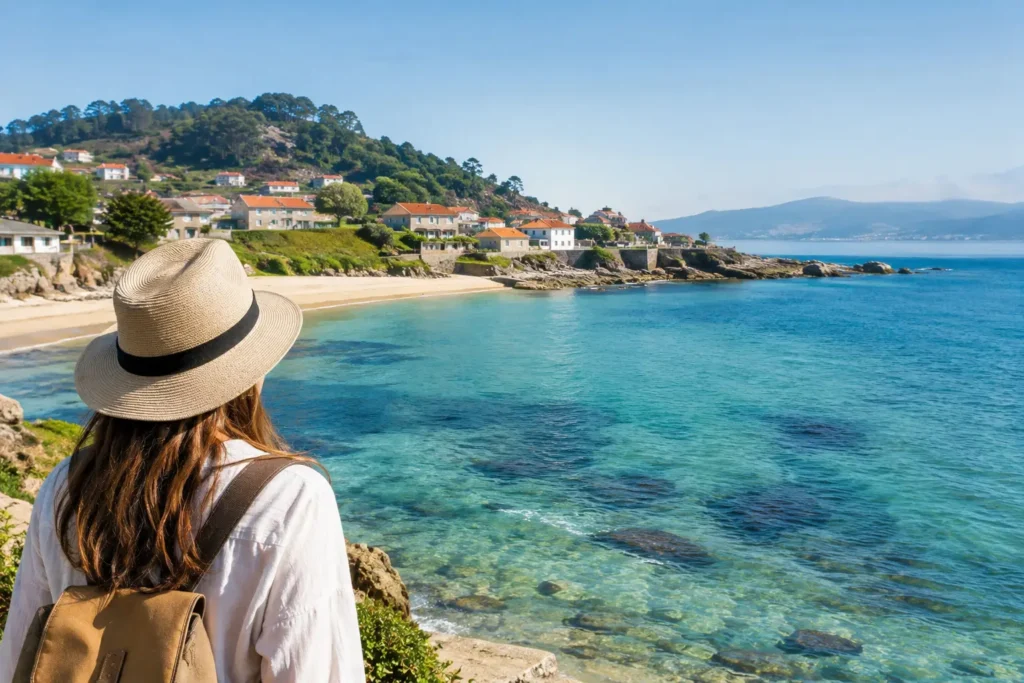
A Toxa is the kind of place that rewards an unhurried visit: a small island of pine trees, elegant spa tradition, shell-covered architecture, and views over the Rías Baixas. If you are deciding how to visit A Toxa, the simplest choice depends on where you are staying, how much time you have, and whether you want to drive or leave the route planning to a local guide.
Connected to the fishing town of O Grove by a bridge, A Toxa is easy to reach by car and fits naturally into a day exploring Galicia’s southern coast. It is often paired with Cambados, Combarro, O Grove, and a mussel boat trip through the estuary - a very good combination for travelers who want scenery, seafood, history, and local character in one day.
Where is A Toxa?
A Toxa, also known as La Toja, is a small island in the municipality of O Grove, in the province of Pontevedra. It sits on the Ría de Arousa, one of Galicia’s most productive shellfish-growing estuaries. The island is connected to the mainland by a short bridge, so there is no ferry to arrange and no complicated arrival process.
The island has long been associated with thermal waters and wellness. Its name is familiar across Spain thanks to traditional soaps and spa products, but the destination itself is more than a resort stop. A Toxa offers a peaceful contrast to the working harbor, seafood restaurants, and lively summer atmosphere of nearby O Grove.
For travelers based in Santiago de Compostela, A Toxa is usually a full-day outing. From Vigo, Pontevedra, or the Rías Baixas coast, it can be a shorter excursion, especially if you have a car. The appeal is not just the island itself, but the coastal route around it.
How to visit A Toxa by car
Driving gives you the most freedom to set your own pace. From Santiago de Compostela, plan roughly one and a half hours each way, depending on traffic and your exact departure point. From Vigo, the journey is generally a little shorter, while Pontevedra is particularly convenient for a half-day visit.
The drive takes you toward the Rías Baixas, a landscape of vineyards, tidal inlets, fishing towns, and low green hills. Once you reach O Grove, follow signs for A Toxa or La Toja and cross the bridge onto the island. Parking is available in different areas, though spaces can be limited in summer, on weekends, and during holiday periods.
A self-drive visit works well if you enjoy stopping where you like. You can begin in Cambados, known for its historic stone streets and Albariño wine culture, continue to O Grove for lunch, visit A Toxa, and finish in Combarro, where traditional granaries stand beside the water. The trade-off is that someone in your group needs to drive, and popular parking areas can take time during high season.
Can you visit A Toxa by public transportation?
It is possible to reach the O Grove area by bus from larger Galician cities, but it is not usually the easiest option for a first-time visitor. Routes and schedules vary by season, and local connections may not line up well with the time you want to spend on the island.
If you are traveling without a car, check current bus schedules before committing to the plan and allow extra time for connections. Once in O Grove, A Toxa is nearby, but relying on public transportation can limit your ability to combine the island with other Rías Baixas highlights. For many visitors staying in Santiago, an organized day trip is a more comfortable way to see the region without spending the day watching the clock.
What to see on A Toxa
A Toxa is compact. You do not need a packed itinerary, and that is part of its charm. Allow time to walk, look out over the water, and enjoy the change of pace after busier towns and cities.
The Shell Chapel
The island’s most recognizable sight is the Chapel of San Caralampio and San Sebastián, commonly called the Shell Chapel. Its exterior is covered in scallop shells, creating a texture that feels distinctly Galician and makes it one of the most photographed buildings in the area.
Take a closer look rather than only stopping for a photo. The chapel is small, but its unusual façade connects naturally with Galicia’s maritime identity and the scallop shell symbolism seen along the Camino de Santiago.
The island’s spa heritage
A Toxa became famous for the mineral-rich waters discovered here in the 19th century. The island’s grand hotel and spa tradition still shape its atmosphere, with landscaped areas, elegant buildings, and a quieter, more refined feel than nearby O Grove.
A spa treatment can be a pleasant addition if you are staying locally and have time to reserve in advance. It is less practical on a full-day route from Santiago, where most travelers prefer to use their time for villages, viewpoints, and a leisurely seafood lunch. Choose based on the kind of day you want: wellness and relaxation, or a broader introduction to the Rías Baixas.
Coastal walks and views
Walk around the island’s roads and waterfront areas for views across the estuary. The scenery changes with the tide, the weather, and the fishing activity on the water. On clear days, the light over the ría is one of the reasons this corner of Galicia is so memorable.
You may also find small beaches and sheltered corners nearby. They are especially appealing in late spring and early fall, when the weather can be pleasant without the busiest summer crowds.
Combine A Toxa with O Grove and the Rías Baixas
Visiting A Toxa alone can take one to two relaxed hours. To make the journey worthwhile from Santiago or A Coruña, combine it with the surrounding coast. O Grove is known for seafood and shellfish, while Cambados is closely linked to Albariño wine and historic architecture. Combarro adds a different scene, with narrow lanes, granite homes, and traditional hórreos by the waterfront.
A boat ride on the Ría de Arousa is another popular addition. These outings often explain how mussels, oysters, and scallops are cultivated on floating platforms called bateas. Some include tastings, making them a good choice for food-focused travelers. Weather, sea conditions, and seasonal operating schedules can affect availability, so it is wise not to build an entire day around one departure unless it is confirmed.
This is why a guided Rías Baixas excursion can be especially useful. Transportation, timing, and the logical order of stops are already organized, leaving you free to enjoy the landscape and hear the stories behind the places you are seeing. With Tour Galicia, travelers can visit with local guides who know when a viewpoint is at its best, where traffic tends to build, and how to make the most of a full day from Santiago.
When is the best time to go?
A Toxa can be visited year-round, but the experience changes significantly by season. Summer brings long days, warm temperatures, beach time, and a livelier atmosphere. It also brings more visitors, fuller parking lots, and higher demand for restaurants and activities.
May, June, September, and early October are excellent months for many travelers. Temperatures are often comfortable for walking, the coast looks green, and the roads are generally less crowded. Autumn is also attractive for travelers interested in food and wine, while winter offers a quieter, more atmospheric side of the estuary. Expect more rain and shorter daylight hours, but do not dismiss a clear winter day on the coast.
For photographs, morning and late afternoon usually offer softer light. If you are joining a day tour, the order of stops will be set by the route and conditions, which can be helpful when weather shifts quickly.
Practical tips before you go
Bring comfortable shoes, even if you are arriving by car. A Toxa is not demanding to explore, but you will enjoy it more if you can walk without rushing. A light waterproof layer is useful in every season, because Galicia’s coastal weather can change quickly.
For lunch, decide whether you want a formal seafood meal in O Grove or a flexible stop elsewhere on the route. In peak season, reserving ahead is sensible, particularly for larger groups. If you have dietary requirements, tell your restaurant or tour provider in advance rather than assuming every traditional menu will be easy to adapt.
Cruise passengers calling at Vigo should be particularly careful with timing. A Toxa is reachable as part of a well-planned shore excursion, but it is not a destination for improvising with limited hours ashore. Choose transportation that clearly accounts for port departure and return times.
A Toxa is best enjoyed as a pause in the rhythm of the Rías Baixas: stroll past the Shell Chapel, breathe in the salt air, then continue along the coast with time for a glass of Albariño or a plate of local shellfish.