

Tour Finisterre from Santiago: What to Expect
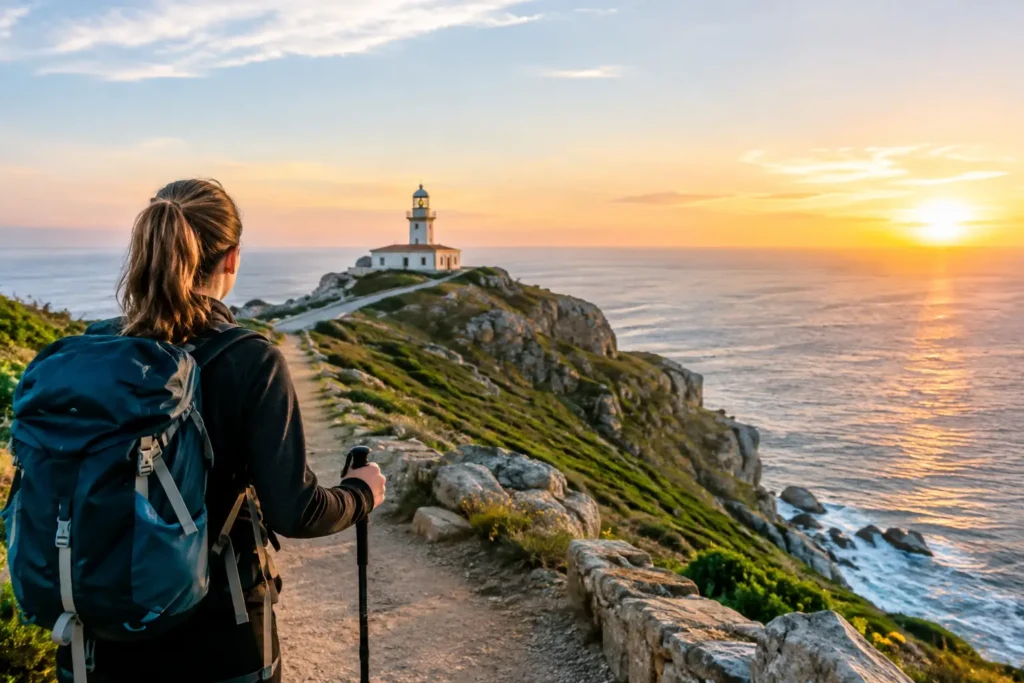
The road west from Santiago does not lead to a single viewpoint. It leads through stone villages, green valleys, fishing towns, and a coastline shaped by the Atlantic. A tour Finisterre from Santiago is one of the best ways to experience this side of Galicia in one day, without renting a car or trying to coordinate an ambitious route on unfamiliar roads.
Finisterre, also known by its Galician name Fisterra, has long held a powerful place in the imagination of travelers. Romans believed this was the end of the known world, and many Camino de Santiago pilgrims still continue here after reaching Compostela. But the journey is much more than a final photo at the lighthouse. It is a full-day route through the Costa da Morte, where history, seafood traditions, beaches, and dramatic cliffs give every stop its own character.
Why take a tour Finisterre from Santiago?
Finisterre is about 55 miles from Santiago, but the distance does not tell the whole story. The most rewarding route is not a quick drive straight to the cape. It follows the coast and includes places that are difficult to combine efficiently without a car: the medieval town of Muros, the waterfall at Ézaro, the town of Finisterre, and the lighthouse at Cape Finisterre.
A guided day trip makes that itinerary simple. Transportation, timing, and parking are organized, leaving you free to enjoy the scenery with a local guide who can explain why the coast is called Costa da Morte, or Coast of Death. The name comes from the dangerous waters and historic shipwrecks along this exposed shoreline, not from a gloomy atmosphere. On a clear day, the route feels open, bright, and intensely alive.
For travelers based in Santiago, this is especially convenient. You can stay in the city center, enjoy breakfast near the Cathedral, and head out for a full coastal experience without changing hotels. It is a practical choice for couples, families, groups of friends, and independent travelers who want to see more of Galicia in limited time.
What you can expect during the day
A Finisterre and Costa da Morte excursion from Santiago generally lasts a full day. Exact stops and timings can vary with traffic, season, weather, and local access conditions, but the rhythm is designed to balance guided explanation with time to explore independently.
The road toward the Atlantic
Leaving Santiago, the landscape changes gradually. The dense urban fabric gives way to countryside, woodland, farmland, and small communities built in granite. This first part of the journey offers useful context: Galicia is not only defined by its cities and famous pilgrimage routes. Its identity is also tied to the sea, rural life, and the deep connection between local products and the landscape.
With a guide who knows the area, the drive becomes part of the experience rather than simply transit time. You may hear about local traditions, the Camino’s extension to Fisterra, Galician language and culture, or the fishing economy that continues to shape the coastal towns.
Muros, a historic fishing town
Muros is often one of the first coastal stops. Its old town retains the feel of a traditional maritime settlement, with arcaded streets, narrow lanes, stone houses, and a harbor full of small boats. It is a good place to slow down, take photos, or enjoy a coffee while the Atlantic comes into view.
This is not a museum town. It is a working community with a daily rhythm, which is part of its appeal. Depending on the schedule, you may have free time to walk along the waterfront or browse the local shops. If your priority is shopping or a long café stop, remember that this is one section of a day packed with destinations, so time is usually limited.
Ézaro Waterfall and the Xallas River
The Ézaro Waterfall is one of the route’s most distinctive sights. Here, the Xallas River reaches the sea in a cascade near the coast, creating a dramatic contrast between freshwater, rock, and salt air. The surrounding viewpoints also reveal the broad sweep of the shoreline.
Conditions matter here. After rain, the landscape can look especially lush and the water may be more forceful. In summer, the light and views may be clearer, though popular stops can be busier. Galicia’s weather is part of the experience, so a cloudy day should not be seen as a failed day trip. Mist and changing skies often make the Costa da Morte feel even more atmospheric.
Finisterre village and lunch time
The town of Finisterre sits below the cape and is closely linked to fishing, seafood, and the Camino. Many full-day tours allow time here for lunch, usually at your own expense, so you can choose a restaurant according to your preferences and pace.
Seafood is the obvious local specialty, from octopus and clams to grilled fish, but it is not the only option. Travelers who prefer meat dishes, vegetarian choices, or a lighter meal can usually find alternatives. If you have dietary requirements, it is wise to mention them when booking and to ask restaurant staff directly about ingredients.
A long sit-down lunch can be a pleasure, but it means less free time in town. If the lighthouse is your main goal, choose a place with efficient service and leave enough time to walk around the harbor afterward.
Cape Finisterre and its lighthouse
The final stretch to Cape Finisterre is the moment many visitors remember most. The lighthouse stands high above the Atlantic, with cliffs falling away toward a horizon that seems almost endless. This is the symbolic endpoint for countless Camino walkers, although the official Camino distance marker is a little farther along the cape.
You do not need to be a pilgrim to appreciate the place. Stand near the cliffs, watch the waves below, and look west. The emotional pull comes from the setting itself: you have reached a point where land appears to give way completely to ocean.
Weather can affect visibility, wind, and access to some outdoor areas. Bring a layer even in warmer months, as the cape is often cooler and windier than Santiago. In winter or on rainy days, waterproof footwear and a jacket make a real difference.
Is a guided excursion the right choice for you?
A guided tour is the easiest option if you are visiting Galicia without a car, have one free day in Santiago, or prefer not to manage rural roads and parking. It is also a strong choice if you want local context rather than only a list of locations on a map. Tour Galicia organizes routes with local guides and coordinated transportation, making it easier to focus on the places rather than the logistics.
Driving independently gives you more control over how long you stay at each stop. It can be worthwhile for travelers who want to hike, photograph at sunset, visit smaller beaches, or spend the night on the coast. The trade-off is that you will need to plan the route carefully, designate a driver, and accept that a full itinerary may feel rushed.
A shared day trip works best when you value a well-organized overview. A private experience may be better for families with young children, travelers with reduced mobility, photographers, or groups with particular interests such as gastronomy, Camino history, or coastal nature.
Practical tips before you go
Wear comfortable shoes with good grip. Most stops are accessible, but cobblestones, uneven paths, and wet surfaces are common. A light waterproof jacket is useful throughout the year, while sunscreen and sunglasses are still worthwhile on sunny days.
Bring water, especially during summer, and keep some room on your phone or camera. The scenery changes constantly, from harbor streets and river views to open cliffs. If you are prone to motion sickness, consider taking your usual precautions before the journey, as the route includes winding coastal roads.
When choosing an excursion, check the departure point in Santiago, total duration, language of the guide, included stops, and cancellation policy. These details shape the day more than a vague promise of a visit to Finisterre. A clear itinerary and confirmed meeting instructions let you start the morning relaxed.
The best approach is simple: arrive with a warm layer, comfortable shoes, and enough curiosity to look beyond the lighthouse. The real reward of the route is seeing how Santiago’s pilgrimage roads, Galicia’s villages, and the Atlantic all meet at the edge of Finisterre.