

How to Plan a Cruise Port Day Without Stress
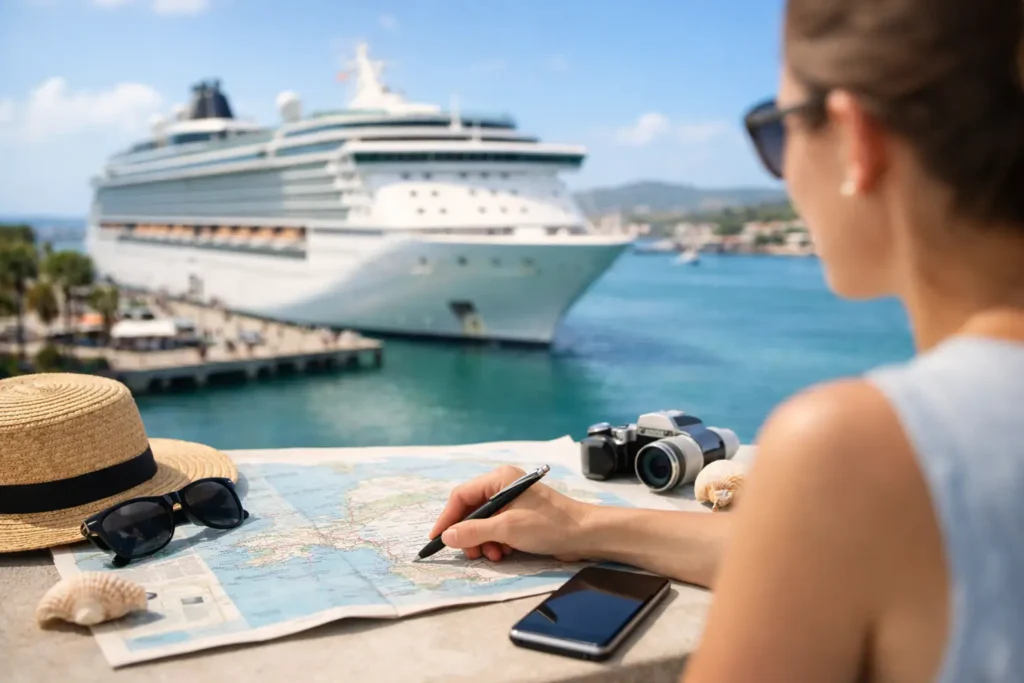
A cruise stop can feel generous on the itinerary and surprisingly short in real life. Once the ship is cleared, you walk ashore, find your meeting point, and account for the return buffer, a seven-hour call may leave only a few hours for exploring. Knowing how to plan a cruise port day means choosing an experience you can enjoy fully, not spending the afternoon watching the clock.
For travelers arriving in Galicia, that balance matters. A Coruña and Vigo are gateways to historic old towns, Atlantic viewpoints, seafood markets, and landscapes that deserve more than a rushed photo. The best port day has a clear plan, local context, and enough time to return to the ship comfortably.
Start with your real time ashore
Your cruise itinerary lists arrival and departure times, but those are not automatically your sightseeing hours. Ships may need time for local clearance, and passengers on upper decks or with later tender groups can disembark after the published arrival. Boarding also closes before the ship departs, often 30 to 60 minutes earlier.
Use the all-aboard time shown in your cruise app, daily program, or onboard announcements as your non-negotiable deadline. Then work backward. If all aboard is 5:30 p.m., plan to be back at the port area by 4:45 p.m. or earlier. This buffer protects you against traffic, a delayed taxi, a wrong turn, or simply the temptation to stay for one more coffee.
Keep an eye on the time zone as well. Cruise ships sometimes follow ship time rather than local time, especially when crossing regions. Check this before leaving the vessel and set your phone accordingly. A beautiful day in Galicia should not end with an expensive lesson in timekeeping.
How to plan a cruise port day around one priority
The easiest way to overfill a port day is to treat it like a full vacation day. Instead, choose one main goal: a historic walk, a coastal excursion, a food-focused visit, or a scenic viewpoint. Build the rest of the day around that choice.
In A Coruña, travelers can combine the waterfront with the Old Town, María Pita Square, and local tapas at a relaxed pace. If the weather is clear and your schedule allows, the Tower of Hercules area adds a dramatic Atlantic perspective. Trying to add remote villages, a long lunch, and several museums on a short stop is usually where the plan starts to fail.
Vigo invites a different type of day. The old quarter, port views, and local gastronomy work well for independent exploration. With more time, the Rías Baixas coastline or nearby villages can be a rewarding choice, but only with transport designed around a cruise schedule. The distance itself is not the only consideration. Road conditions, group timing, and the exact return point all matter.
A good question is not, “What can I fit in?” It is, “What will make this stop feel memorable without making it stressful?” One well-paced experience with time to enjoy the place is usually the better answer.
Decide between independent exploring and an organized excursion
Both options can work. The right choice depends on your confidence, your port time, the size of your group, and how far you want to travel from the ship.
Independent exploration is ideal when the city center is close to the terminal and you want freedom to linger. A Coruña’s central areas are especially suitable for walking. Bring downloaded maps, a charged phone, a card that works abroad, and the port address saved in your phone. Make sure you know whether your ship docks directly at the terminal or uses a shuttle service.
An organized shore excursion is often the more comfortable option for destinations beyond the city. It removes the need to coordinate transportation, interpret local schedules, or calculate every connection. A well-run local excursion should state its meeting point, duration, what is included, and its return timing clearly.
Cruise-line excursions offer the reassurance of a ship-controlled schedule, but they may be larger and less flexible. Independent local operators can provide smaller groups and deeper local knowledge, particularly for cultural routes and scenic areas. If you book locally, choose a provider experienced with cruise passengers and confirm that the itinerary is designed for your vessel’s call time. Tour Galicia, for example, organizes cruise-focused departures from A Coruña and Vigo with timings planned around the limited hours in port.
The trade-off is simple: the farther you go, the more valuable coordinated transport and a professional guide become.
Leave room for Galicia, not just logistics
A port day should not be reduced to transportation between landmarks. Galicia rewards travelers who make space for its character: stone streets softened by rain, the salt air along the Atlantic, a market counter piled with shellfish, and stories that turn a building or lookout into a place you remember.
When reviewing an excursion, look beyond the headline destination. Consider whether there is free time to explore, restroom stops, walking difficulty, and whether the guide can communicate in your language. For families, travelers with limited mobility, or anyone who prefers a gentler pace, these details shape the day more than a long list of stops.
Weather deserves its own place in the plan. Galicia’s green landscapes exist for a reason, and rain can arrive even in warmer months. Pack a light waterproof layer and comfortable shoes with grip. On a windy coastal day, a viewpoint may feel much colder than the temperature suggests. A small day bag with water, sunscreen, medication, and a portable charger covers most practical needs without weighing you down.
Check the details before you book
The best cruise-day bookings are transparent. Before confirming, compare the published duration with your actual time ashore, including the walk from the ship to the meeting point. Do not rely only on phrases such as “half day” or “afternoon tour.” Look for exact start and end times.
You should also verify the cancellation policy, group size, language, accessibility, and what happens if the ship changes its arrival time or skips port because of weather. Cruise itineraries can change, and clear conditions give you more confidence before you reserve.
Ask these practical questions when the answer is not visible:
- Is the meeting point walkable from my cruise terminal?
- What time will the tour return to the port area?
- Is the itinerary suitable for my ship’s arrival and all-aboard time?
- How much walking, stairs, or uneven ground should I expect?
- Is there time for a snack, shopping, or independent exploring afterward?
These questions are not overly cautious. They are what allow you to enjoy the day instead of managing avoidable surprises.
Build a simple return plan
Even travelers on an organized excursion should know their route back to the ship. Take a photo of the terminal, keep your cruise card and identification with you, and save the ship’s port agent contact details from the daily program. If you are exploring independently, identify a backup taxi location or transportation option before you begin sightseeing.
Avoid scheduling a restaurant reservation or attraction entry for the final hour before all aboard. Delays are more likely when everyone is returning to the port at once. Plan your last stop close to the waterfront, or leave enough time for a calm walk back along the harbor.
It is also wise to carry a small amount of euros. Cards are widely accepted in Galicia, but cash can be useful for a quick coffee, a small purchase, or a taxi in an unexpected situation. Keep your important documents secure and bring only what you need ashore.
Make the day feel like your own
Cruise travel offers a rare chance to wake up in a new place, but the clock can make every decision feel rushed. A thoughtful plan changes that. Choose one experience that fits your interests, trust realistic timings, and let local knowledge handle the details that are hard to see from an itinerary.
Whether you spend your stop tracing the streets of A Coruña, tasting the flavors of Vigo, or heading out toward Galicia’s coast with a guide who knows it well, leave a little room for surprise. The best port days are not the ones with the most pins on a map. They are the ones that let you step back onboard with stories, photos, and the quiet certainty that you experienced the place properly.