

Rias Baixas or Ribeira Sacra: Which to Choose?
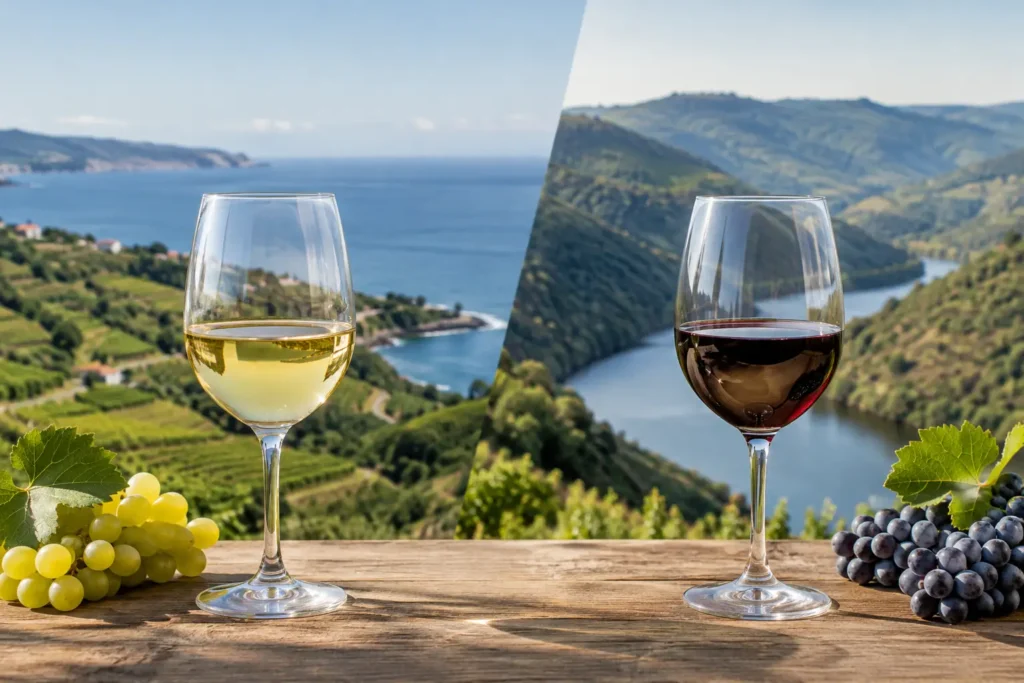
The choice between Rias Baixas or Ribeira Sacra is not really about which destination is better. Both offer some of Galicia’s most memorable landscapes, exceptional local food, and a strong connection to wine. The real question is what kind of day you want: Atlantic beaches, fishing villages, and Albariño, or river canyons, vineyards, monasteries, and red wine.
For travelers staying in Santiago de Compostela, both are popular full-day excursions. Yet they feel very different once you are on the road. Rias Baixas is bright, coastal, and sociable. Ribeira Sacra is quieter, more dramatic, and shaped by steep valleys and centuries of monastic history.
Rias Baixas or Ribeira Sacra: the quick choice
Choose Rias Baixas if you picture Galicia as an Atlantic escape. It is the better fit for travelers who want coastal scenery, fresh seafood, beach stops, boat trips when available, and a relaxed introduction to Albariño wine country. The route often combines several experiences in one day: a historic town such as Combarro, the waterfront atmosphere of O Grove, views toward A Toxa, and a winery visit in the Salnés Valley.
Choose Ribeira Sacra if the landscape is your priority. This is Galicia at its most cinematic: deep river valleys, terraced vineyards climbing steep slopes, stone villages, and Romanesque monasteries in secluded settings. It is an especially rewarding choice for wine lovers, photographers, history fans, and travelers who prefer a less coastal, more contemplative day.
If you only have time for one excursion, think about your travel style rather than trying to see the entire region at once. Galicia rewards unhurried days.
What makes Rias Baixas special
Rias Baixas is a network of estuaries along Galicia’s southern coast. The sea reaches inland between green hills, creating sheltered waters, islands, sandy beaches, and the fishing ports that supply many of the region’s best seafood restaurants.
The appeal is immediate. You can walk through the granite streets and traditional hórreos of Combarro, see the water from the promenades around O Grove, and enjoy the elegant gardens and spa-town character of A Toxa. The scenery changes quickly but keeps a coastal rhythm throughout the day.
Wine is another major reason to visit. The Rias Baixas Denomination of Origin is known for Albariño, a crisp white wine that pairs naturally with oysters, mussels, scallops, and fish. A winery visit gives useful context to the landscape: the humid Atlantic climate, granite soils, and carefully tended vines all influence what ends up in the glass.
This is generally the easier choice for mixed groups. Families, friends, couples, and first-time visitors to Galicia often enjoy the variety. There is culture, food, scenery, and free time without needing a deep interest in wine or religious heritage.
Best for travelers who want the coast
Rias Baixas works particularly well in spring and summer, when the long daylight hours make the coast shine. That said, it is not only a warm-weather destination. In cooler months, the harbors are calmer, the seafood is still excellent, and the green landscape has a different kind of beauty.
The trade-off is that popular coastal stops can feel busier, especially in high season. If your ideal day is silence, remote viewpoints, and fewer visitors, Ribeira Sacra may suit you better.
Why Ribeira Sacra feels different
Ribeira Sacra lies inland, around the Sil and Miño rivers, where water has carved deep canyons through the landscape. The roads descend and rise through vineyards and forests before opening onto wide views from lookout points known locally as miradores.
Its name, meaning “sacred riverbank,” reflects the area’s remarkable concentration of monasteries and churches. For centuries, religious communities settled in these valleys, leaving behind Romanesque architecture that feels inseparable from the surrounding hillsides. A visit here is not simply about ticking off monuments. It is about seeing how history, geography, and rural life have shaped one another.
The vineyards are equally distinctive. Many are planted on extremely steep terraces above the rivers, where much of the work must still be done by hand. This is often called heroic viticulture, and once you see the slopes, the phrase makes sense. Ribeira Sacra wines include fresh, expressive reds made primarily from Mencía, along with whites that deserve attention as well.
A river cruise through the Sil Canyon, when included in an itinerary and conditions allow, is one of the most memorable ways to understand the scale of the place. From the water, the terraces and cliffs appear even more impressive.
Best for scenery, wine, and heritage
Ribeira Sacra is a strong choice for travelers who already know they enjoy wine regions, historic sites, or dramatic natural landscapes. It can also be the better option if you are visiting Galicia in fall, when vineyard colors add gold and red tones to the hillsides.
The trade-off is pace. Distances and winding roads are part of the experience, so this is not the day to expect frequent urban stops or long stretches of independent shopping time. It is best enjoyed with a well-organized route, especially if you do not plan to rent a car.
Travel time and practical planning from Santiago
Both destinations are realistic day trips from Santiago de Compostela, but they require a full day. Rias Baixas is usually the more straightforward coastal outing from the city, while Ribeira Sacra demands a little more time on the road depending on the route, river cruise schedule, and stops included.
For visitors without a car, a guided day trip removes the main complications: navigating rural roads, finding parking in small towns, arranging winery visits, and keeping track of timing. This matters in Ribeira Sacra, where viewpoints and monasteries are spread across a large area, but it is also useful in Rias Baixas during busy coastal periods.
When comparing tours, look beyond the headline destination. Check whether transportation, a guide, winery admission, tastings, boat travel, and free time are included. The itinerary matters because the regions are broad, and a good route should balance travel time with time outside the vehicle.
Tour Galicia offers organized excursions designed for travelers who want to experience these places with local guides and coordinated transportation from Santiago. For a short stay, that structure can turn a complicated map into a genuinely relaxing day.
Which destination is better for food and wine?
There is no wrong answer, but the flavors are different. Rias Baixas is the natural choice for seafood. Think shellfish, grilled fish, octopus, and Albariño served cold beside the water. It feels fresh, informal, and closely tied to the Atlantic.
Ribeira Sacra has a more inland character. Its food often features seasonal produce, local meats, chestnuts, and hearty Galician cooking, accompanied by Mencía or other wines from the area. A winery visit here is more focused on the challenge of growing grapes on steep river terraces.
If a seafood lunch and white wine sound like your perfect vacation meal, choose Rias Baixas. If you are curious about small-production reds and vineyard landscapes that demand a second look, choose Ribeira Sacra.
The best choice by season and travel style
In summer, Rias Baixas has a natural advantage for travelers who want beach atmosphere and lively waterfront towns. Ribeira Sacra remains beautiful, but the heat can feel stronger away from the coast, particularly at exposed viewpoints.
In spring, either destination is an excellent choice. Rias Baixas is lush and breezy, while Ribeira Sacra is green, peaceful, and full of new growth in the vineyards. Fall favors Ribeira Sacra for wine-focused travelers, although the coastal seafood season makes Rias Baixas appealing year-round.
For cruise passengers calling at Vigo, Rias Baixas is often the more practical match because of its location in southern Galicia. For travelers based in Santiago with a full free day, the decision comes down to the experience you want to remember: salt air and Albariño, or canyon views and Mencía.
Give yourself permission to choose one without regret. The best excursion is the one that matches your pace, interests, and the Galicia you came to feel firsthand.