

Vigo Cruise Guide for a Great Day Ashore
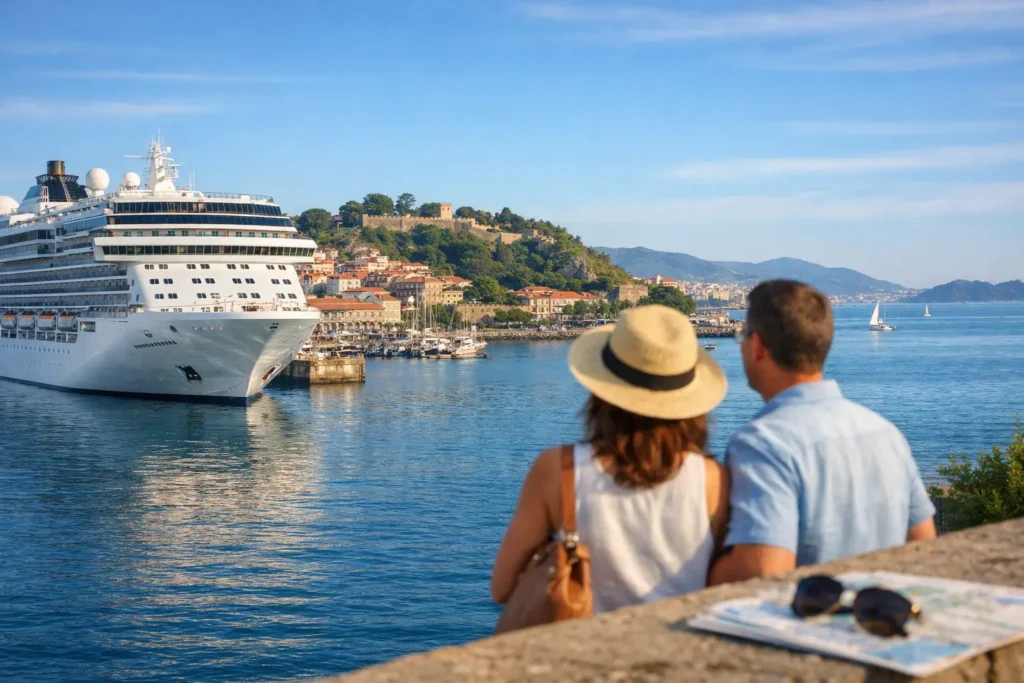
The advantage of arriving in Vigo by cruise ship is immediate: the port sits beside the city, not miles away from it. This Vigo cruise guide is designed to help you use every hour well, whether you want to walk through the old town, taste local seafood, see the Atlantic coast, or join an organized shore excursion with a guaranteed plan for getting back to the port on time.
Vigo is Galicia’s largest city, a working Atlantic port with a strong maritime character. It is less polished than some postcard-perfect destinations, but that is part of its appeal. Here, fishing boats, oyster bars, historic stone streets, and broad views over the Ría de Vigo all belong to the same day.
Vigo cruise guide: start with your time ashore
Before choosing an itinerary, check your all-aboard time rather than focusing only on the ship’s arrival. Cruise schedules can change, and the time available after disembarkation is usually shorter than it looks on paper. Aim to be back in the port area with a comfortable margin, particularly if you are traveling independently.
The cruise terminal is centrally located, close to the waterfront and within walking distance of Vigo’s historic quarter. That makes the city a good choice for passengers who prefer an easy day without long transfers. If your ship is in port for only five or six hours, staying in Vigo is often the sensible option. With eight hours or more, a guided trip beyond the city can add coastal scenery, vineyards, or historic towns to the experience.
The best plan depends on your priorities. Vigo itself works well for culture, food, and views. The wider Rías Baixas region is better for travelers who want a more scenic introduction to southern Galicia. A private or cruise-focused group tour is especially useful when you want to leave the city without having to calculate train times, parking, or the return journey.
A walking route from the port to old Vigo
From the terminal, begin along the waterfront near the marina. The sea is never far from view in Vigo, and the harbor gives context to the city’s identity as one of Europe’s major fishing ports. Continue toward Casco Vello, the old town, where narrow lanes climb gently away from the water.
Praza da Constitución is a natural stopping point, framed by traditional buildings and outdoor cafés. Nearby, the streets around Praza da Pedra retain a historic atmosphere, though they can be lively when ships are in port. This is also one of the best areas to pause for oysters, served simply with lemon and often paired with a glass of local Albariño wine.
From the old town, walk uphill toward the Castro Fortress. The climb takes some effort, so it may not suit every visitor, but the reward is one of Vigo’s defining views: the city below, the ría stretching toward the Atlantic, and the Cíes Islands on the horizon when visibility is clear. If mobility is a concern, a taxi is a practical alternative for reaching higher viewpoints.
Allow around three hours for this route at an unhurried pace, including time for photos and a drink. It is a satisfying half-day plan because it combines Vigo’s harbor, history, and landscape without creating a stressful schedule.
What to eat during a short stop
Seafood is the obvious choice, and for good reason. Vigo’s fish market and port activity shape the local cooking. Oysters are the classic quick taste, but grilled scallops, clams, octopus, mussels, and fresh fish are also excellent options.
For a full sit-down lunch, remember that service can be slower than many American travelers expect, especially in busy restaurants. Tell the staff you are returning to a cruise ship and confirm how much time you have. If your schedule is tight, choose a lighter meal of tapas or seafood plates rather than planning a long lunch with several courses.
When an organized shore excursion is the better choice
A self-guided walk is easy in central Vigo. The trade-off is that you will see only one side of the destination. Galicia’s most memorable landscapes often begin outside the city, where coastal roads lead to small fishing towns, beaches, vineyards, and viewpoints over the estuaries.
An organized cruise excursion makes sense when your ship has a longer call and you want to see more without taking on the logistics yourself. Look for a tour designed specifically around cruise schedules, with a clear meeting point near the terminal, transportation included, and a planned return before the all-aboard time. Those details matter more than squeezing one extra stop into the day.
With a local guide, the journey becomes part of the experience. You can understand why the rías are so important to Galicia’s seafood culture, recognize the shellfish platforms in the water, and hear the stories behind coastal villages that may otherwise look like a pleasant but unexplained view from the bus window.
Tour Galicia offers shore experiences for cruise passengers departing from Vigo, built around limited port time and guided by people who know the region. For couples, families, and small groups, this can be the comfortable middle ground between staying close to the ship and trying to organize an ambitious day independently.
Day-trip ideas from Vigo port
The right destination depends on your docking hours, weather, and travel style. Southern Galicia is compact enough for rewarding excursions, but coastal roads and photo stops take time. A good itinerary leaves room for the unexpected rather than treating every minute as fixed.
The Rías Baixas and coastal Galicia
The Rías Baixas are the drowned river valleys that give this part of Galicia its distinctive coastline. Their calm waters support mussel farms and fishing communities, while inland hills are home to Albariño vineyards. A well-planned route may combine a coastal viewpoint, a traditional town, and time to appreciate the landscape without spending the day rushing between attractions.
This is a strong choice for first-time visitors to Galicia. It offers the region’s essential ingredients - Atlantic scenery, local food traditions, green countryside, and small-town character - in one accessible outing.
Baiona and the southern coast
Baiona, south of Vigo near the Portuguese border, is known for its seafront, historic center, and the Monterreal fortress area. It has a relaxed holiday atmosphere and works particularly well for travelers who want ocean views and a walkable town rather than a museum-heavy day.
It is also a good alternative when the weather is mild and clear. The coast is beautiful in softer light, but strong rain or fog can limit the views that make this route special. On a wet day, Vigo’s old town, museums, and food scene may be the more enjoyable use of your time.
The Cíes Islands: beautiful, but plan carefully
The Cíes Islands are part of the Atlantic Islands National Park and are often the image travelers associate with the Vigo estuary. Their beaches and hiking trails are exceptional, but they are not always the best choice for a cruise stop.
Ferry schedules, visitor limits, seasonal operations, and weather conditions all affect access. You also need enough time for the crossing, walking on the island, and a reliable return. Consider Cíes only if your ship’s schedule is generous and every transport detail is confirmed in advance. For a short port call, seeing the islands from Vigo or from a coastal viewpoint is usually the wiser decision.
Practical tips for cruise passengers in Vigo
Vigo is generally easy to navigate, but its hills surprise many visitors. Wear comfortable shoes with grip, especially if you plan to explore Casco Vello or walk up to Castro Fortress. The waterfront is relatively flat, while the historic streets rise quickly.
Bring a light rain layer at any time of year. Galicia’s green landscape comes from frequent rain, and conditions can change over the course of a day. In summer, sunscreen and water are equally useful, particularly on exposed coastal routes.
Spanish is the local language alongside Galician, and English is common in tourism-facing businesses, though less so in small local establishments. A few simple greetings are always appreciated. Credit cards are widely accepted, but carrying a small amount of cash can be helpful for cafés or minor purchases.
Most importantly, keep your passport or required ship identification with you, follow the boarding instructions from your cruise line, and build in return time. Independent travelers should account for traffic and taxi availability. Travelers on a cruise-focused excursion should still confirm the meeting time and location before leaving the terminal.
A good day in Vigo does not have to be packed. Choose a route that fits your port hours, leave time for a plate of seafood or a quiet waterfront view, and let Galicia show itself at its own pace - with someone who knows it when the schedule is tight.