
8 Excursions From Santiago Worth a Full Day
Santiago de Compostela is more than the finish line of the Camino. Stay an extra day or two and the city becomes an excellent base for seeing Galicia’s wild Atlantic coast, island landscapes, vineyard valleys, and historic towns. The best excursions from Santiago make that easy: you can leave from the city center in the morning, travel with a local guide, and return without the pressure of driving unfamiliar rural roads or arranging several connections.
Galicia is larger and more varied than many first-time visitors expect. A map may make a destination look close, but narrow coastal roads, changing weather, and dispersed landmarks can turn a self-drive day into a logistical puzzle. An organized day trip lets you focus on the places themselves, with enough time for viewpoints, local stories, and a relaxed lunch stop.
Choosing Excursions From Santiago That Fit Your Trip
The right day trip depends on what you want to remember most about Galicia. For dramatic scenery and coastal legends, head west toward Finisterre and the Costa da Morte. For estuaries, fishing villages, and a more relaxed maritime atmosphere, choose the Rías Baixas. Ribeira Sacra is the strongest choice for wine-country landscapes and Romanesque heritage, while the north coast offers a longer but rewarding day around Lugo, Ribadeo, and Playa de las Catedrales.
Before booking, check the total duration, departure point, language, and what is included. Full-day tours often involve several hours on the road, but that is part of what makes them valuable: Galicia’s most memorable places are spread far beyond Santiago. If you have only one free day, choose the itinerary that matches your interests rather than trying to see every region at once.
1. Finisterre and the Costa da Morte
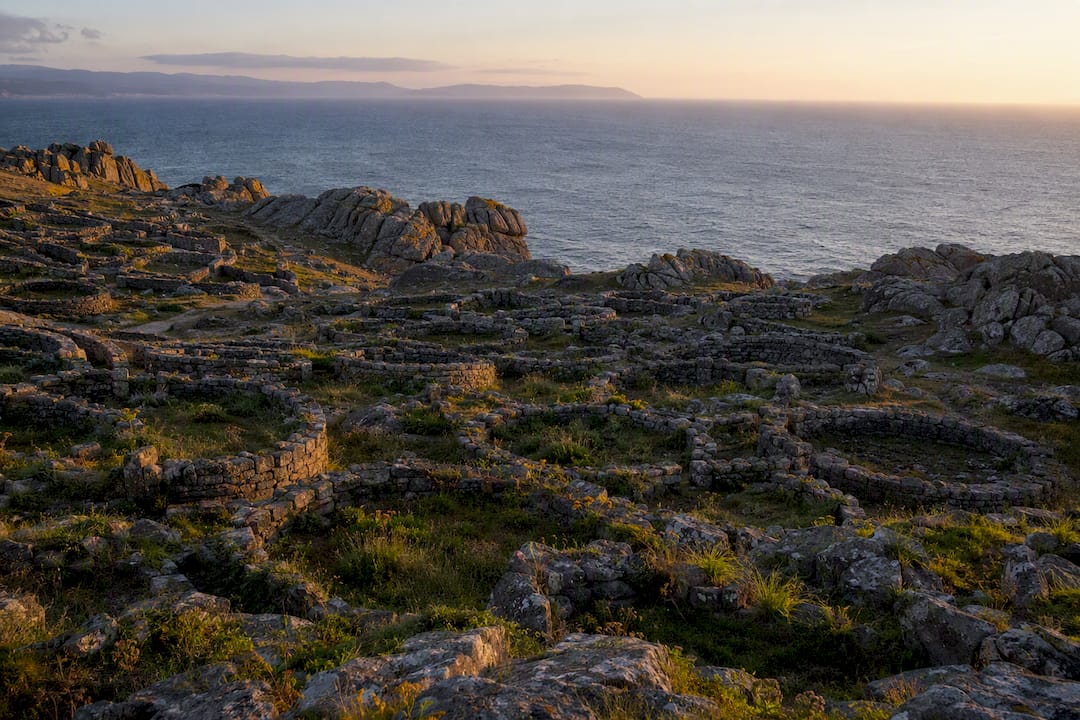
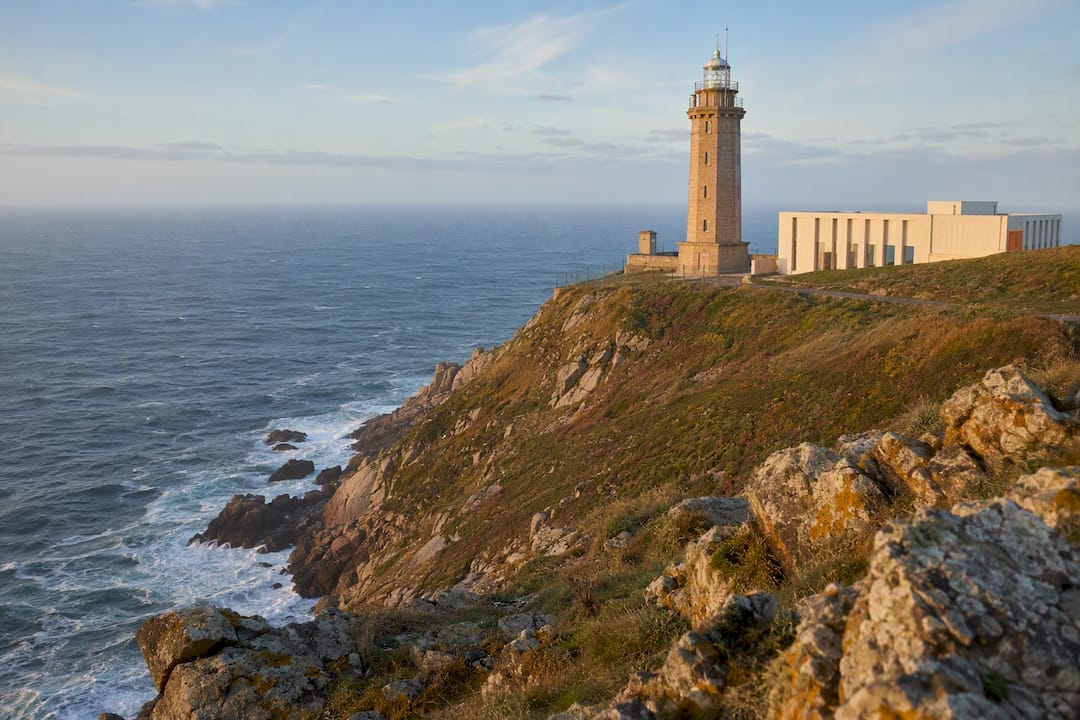
For many visitors, this is the essential excursion from Santiago de Compostela. The route leads through the landscapes of western Galicia to the coast once believed to be the end of the known world. At Cape Finisterre, the Atlantic horizon feels immense, especially when the wind picks up around the lighthouse.
The appeal is not only the cape. A well-planned Costa da Morte route can include the stone granary at Carnota, the waterfall at Ézaro, coastal villages, beaches, and viewpoints shaped by powerful tides. This is a full day with frequent changes of scenery, from green inland valleys to exposed cliffs and fishing harbors.
It suits travelers who want iconic landscapes and a sense of place. Conditions can change quickly on the coast, so bring a windproof layer even in warmer months. The light after rain can be spectacular, but comfortable shoes are more useful than formal ones.
2. Rías Baixas, Combarro, and A Toxa
Southwest of Santiago, the Rías Baixas combines calmer water, seafood traditions, historic towns, and postcard-worthy granite architecture. It is a strong option for couples, families, and anyone who prefers coastal charm to long walks at exposed headlands.
Combarro is often a highlight. Its waterfront is lined with traditional stone houses, raised granaries known as hórreos, and narrow lanes that invite a slow stroll. Nearby, the island of A Toxa adds gardens, seaside views, and the distinctive shell-covered chapel that has become one of the area’s best-known sights.
Depending on the route, a stop in O Grove or another coastal town can add time for lunch and local seafood. This is not a food tour in itself, and menus vary by stop, but it is an excellent day to try Galician specialties such as octopus, mussels, clams, or fresh fish. Travelers visiting in summer should expect livelier towns and busier promenades; spring and early fall often offer a quieter pace.
3. Ribeira Sacra and the Sil River Canyons
Ribeira Sacra shows a very different Galicia. Instead of open ocean, you find deep river canyons, terraced vineyards, forested slopes, and centuries-old monasteries. The Sil River cuts through the landscape below viewpoints that make the journey worthwhile even for visitors with little interest in wine.
This excursion is particularly appealing if you enjoy scenery with a cultural layer. The region’s steep vineyards are part of a demanding tradition known as heroic viticulture, where growing grapes on narrow terraces requires extraordinary manual work. A local guide can add context that is easy to miss when simply stopping at a viewpoint.
Many itineraries include a river cruise, although this can depend on the season and operating conditions. If a boat ride matters to you, confirm it before booking. The road sections can be winding, so travelers prone to motion sickness may prefer the Rías Baixas or Finisterre route instead.
4. Lugo and Its Roman Walls
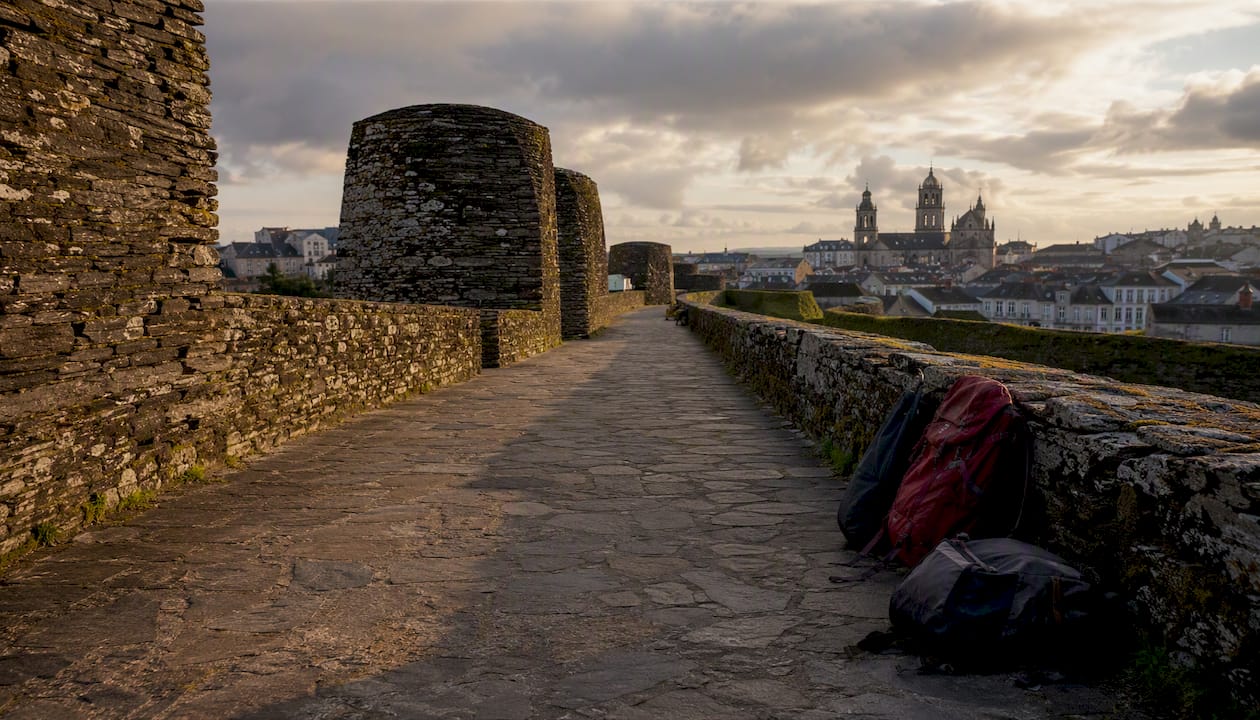
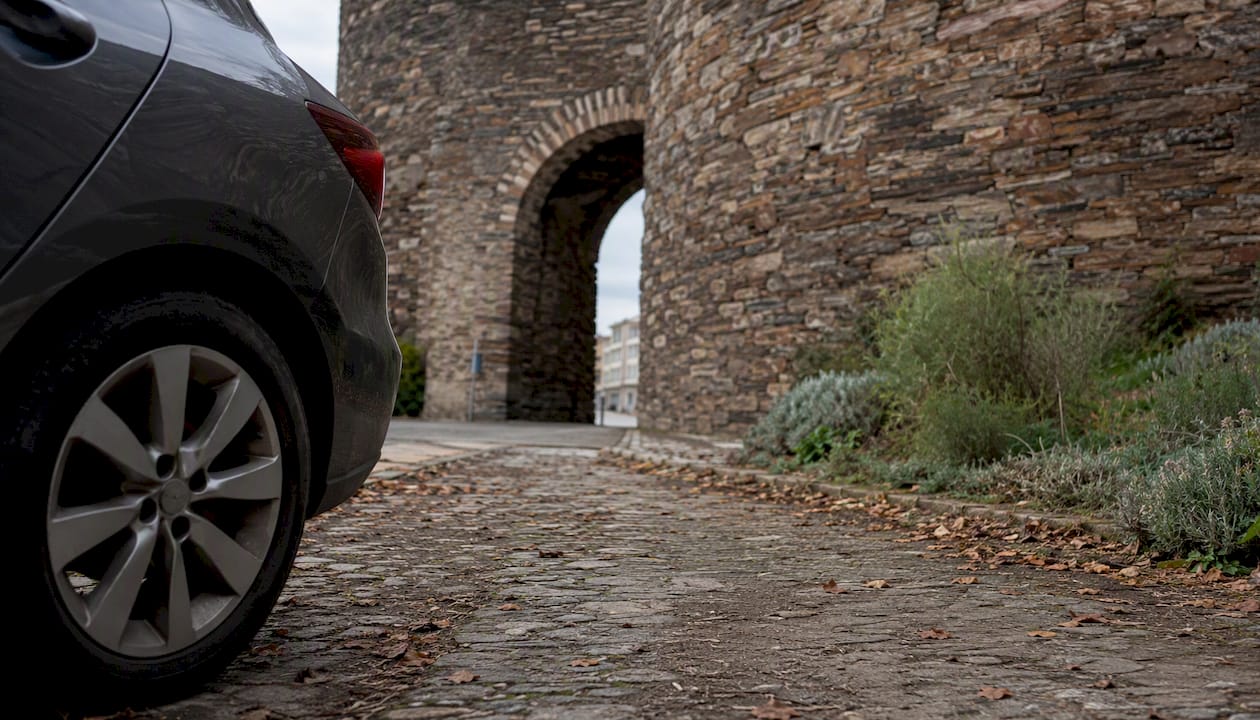
Lugo makes a rewarding change from coastal routes. Its Roman wall completely surrounds the historic center and remains one of the most remarkable surviving examples in Europe. Walking along the top gives you a different perspective on the city, with towers, gates, rooftops, and green spaces appearing along the way.
This is a good choice for travelers interested in history but looking for a manageable, lived-in city rather than a museum-like stop. Inside the walls, you can find the cathedral, small squares, tapas bars, and streets that reward unhurried exploration.
A Lugo itinerary may be combined with northern Galicia landmarks, which creates a long day but adds variety. If Roman history is your priority, choose an excursion with enough free time in the old town instead of one designed mainly around the coast.
5. Playa de las Catedrales and Ribadeo
On Galicia’s northern coast, Playa de las Catedrales is famous for the arches, caves, and rock formations revealed by low tide. The beach can be extraordinary, but timing is not optional here. Access to the sand and the visual experience both depend on tidal conditions, and reservations may be required during certain periods.
That is why an organized trip can be especially helpful. The itinerary is built around the tide rather than guesswork, while Ribadeo offers a pleasant complement with its estuary, historic center, and coastal character. It is a longer excursion from Santiago, best for travelers prepared for a full day and early departure.
Do not expect to spend hours swimming or sunbathing at this stop. Think of it as a geological landscape to walk through when conditions allow. If the sea is rough or the tide is high, the cliffs are still impressive from above, but the experience is different.
6. A Coruña and Betanzos
A Coruña offers an urban coastal day with a strong maritime identity. The city is known for its long waterfront, glass-fronted galleries, historic streets, and the Tower of Hercules, a Roman lighthouse still in operation. It works well for visitors who want a mix of monument, city life, and sea views without committing to a remote coastal route.
Betanzos adds a smaller historic contrast, with medieval streets, churches, and a reputation for one of Galicia’s most celebrated Spanish omelets. It is a natural pairing for travelers who enjoy architecture and local food traditions. The pace is generally gentler than a multi-stop Costa da Morte itinerary.
7. The Best Choice for Your Travel Style
Choose Finisterre and the Costa da Morte for the Atlantic coast at its most dramatic. Choose Rías Baixas for villages, estuaries, and a relaxed day near the water. Choose Ribeira Sacra for canyon views, vineyards, and monasteries. Lugo suits history lovers, while Playa de las Catedrales is for travelers happy to go farther north for a landscape shaped by the tide.
If you are traveling with children or prefer shorter driving stretches, Rías Baixas or A Coruña and Betanzos can be more comfortable. If your time in Santiago is limited, a full-day guided tour also gives you the advantage of clear meeting times, coordinated transportation, and a planned return to the city. That matters when you have dinner reservations, a train the next morning, or simply do not want your vacation day spent studying road signs.
8. A Few Practical Tips Before You Go
Galician weather deserves respect, not anxiety. Pack layers, a rain jacket, and shoes with grip for any coastal or canyon itinerary. Summer can be warm, but breezes at Finisterre and changing conditions at Playa de las Catedrales are common.
Bring water and a small snack, although full-day trips usually include time to buy lunch. Keep some flexibility around meal times, since the best viewpoint or traffic conditions may shape the order of stops. For the most comfortable experience, reserve in advance during spring, summer, holidays, and Camino peak dates.
Traveling with guides who know Galicia means more than reaching a famous photo stop. You get the stories behind a lighthouse, a monastery, a vineyard terrace, or a line of stone granaries beside the sea. Choose the route that feels most like your kind of day, then leave Santiago with room in your schedule for the unexpected view that makes Galicia stay with you.