

Excursions in Galicia for a Day Well Spent
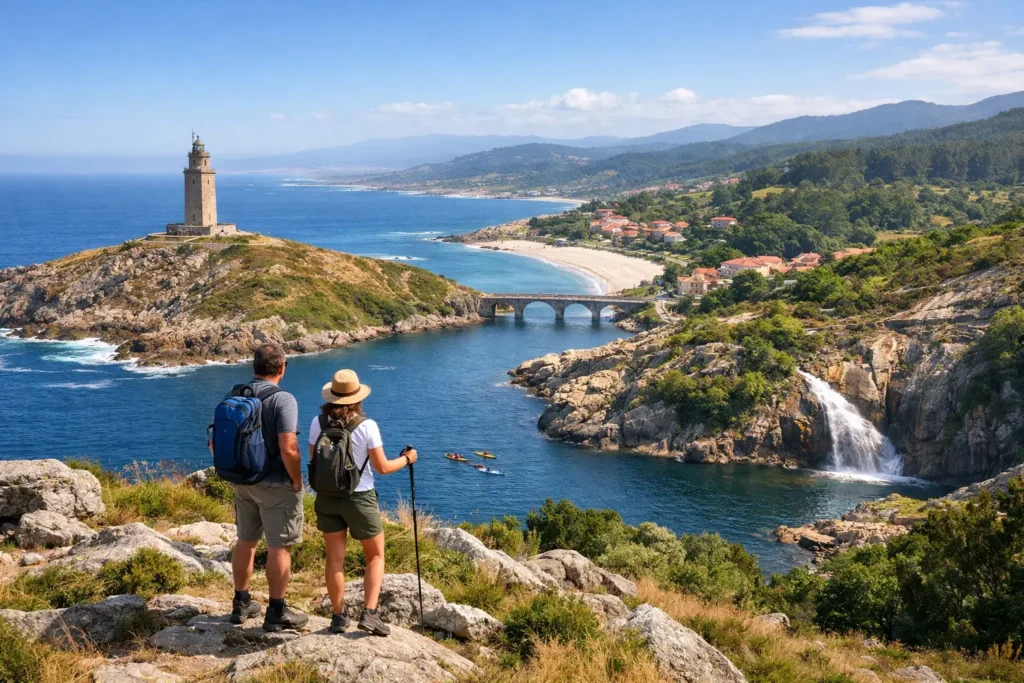
Santiago de Compostela is easy to fall for, but Galicia begins to reveal its full character once you leave the old streets behind. The best excursions in Galicia put a lighthouse at the end of the road, a vineyard above a river canyon, or a quiet fishing village on the itinerary - without making you spend your vacation decoding road signs, parking rules, or changing transportation plans.
For travelers staying in Santiago, A Coruña, or arriving by cruise ship in Vigo, a guided day trip makes it possible to see more of the region while keeping the day relaxed. Galicia is large, green, and full of places that are better understood with someone who knows why a tiny stone church matters, where the best viewpoint is, and how the weather changes the coast.
How to Choose Excursions in Galicia
The right route depends less on which destination is considered "best" and more on what you want your day to feel like. Galicia offers dramatic Atlantic scenery, historic cities, wine landscapes, seafood traditions, and Roman heritage, but most visitors have time for only one or two full-day experiences.
If it is your first visit and you are based in Santiago de Compostela, the route to Finisterre and the Costa da Morte is often the natural choice. It combines the symbolic end of the Camino with beaches, cliffs, fishing villages, and a coastline whose name reflects its long maritime history. It is a full day with several stops, so organized transportation is especially valuable.
Travelers who prefer calmer scenery and a more food-and-wine-oriented atmosphere may enjoy the Rías Baixas or Ribeira Sacra. The first is about estuaries, seaside towns, mussel rafts, and coastal Galicia. The second trades ocean views for vineyards, monasteries, and the steep canyons of the Sil and Miño rivers.
For a shorter break from city sightseeing, a half-day cultural visit can be a better fit. A guided walk through Santiago’s historic center, A Coruña, Lugo, or Betanzos offers depth without requiring a long road journey. This can be the smarter choice for families with younger children, travelers arriving late, or anyone who wants time for an unhurried dinner afterward.
The Coastal Routes That Show Galicia at Its Wildest
Finisterre and the Costa da Morte
Finisterre is not simply a final photo stop. For centuries, this western edge of Galicia was viewed as the end of the known world, and its powerful setting still makes an impression. The route from Santiago typically brings together several sides of the coast: waterfalls or river landscapes inland, traditional villages, wide beaches, and the lighthouse at Cape Finisterre.
The trade-off is distance. A Costa da Morte day trip involves time on the road, but it is also the most efficient way to see a varied stretch of Galicia in one day. Going with a local guide means the journey becomes part of the experience, with stories about shipwrecks, pilgrimage routes, local customs, and the people who have lived beside this unforgiving Atlantic shore.
This route suits couples, friend groups, and independent travelers who want a memorable full day beyond Santiago. Bring a light waterproof layer even in summer. The weather is part of the Costa da Morte’s personality, and a misty viewpoint can be just as striking as a bright blue afternoon.
Rías Baixas and A Toxa
The Rías Baixas has a softer rhythm. Its rías - deep coastal inlets where freshwater meets the Atlantic - create sheltered waters, fishing ports, and a landscape closely tied to shellfish farming. It is a good option for visitors drawn to seafood, seaside promenades, and the everyday culture of Galicia’s coastal towns.
A route that includes O Grove and A Toxa adds a different perspective. A Toxa is known for its spa tradition and distinctive shell-covered chapel, while the surrounding area offers broad water views and an easygoing pace. This is not the trip to choose for towering cliffs or rugged hiking landscapes. Choose it when you want to understand why food, water, and local life are so closely connected here.
Inland Galicia: Ribeira Sacra and Roman Lugo
Ribeira Sacra for Vineyards and River Canyons
Ribeira Sacra is one of Galicia’s most rewarding day trips for travelers who want scenery with a quieter, more contemplative character. The region’s terraced vineyards appear on steep slopes above the Sil River, a remarkable example of the difficult work behind its renowned wines. Romanesque monasteries add another layer to the landscape, which feels remote without being inaccessible on an organized route.
This trip is particularly appealing in spring, early summer, and fall, when the vineyards and forests bring changing color to the canyon views. Summer can be beautiful too, although popular viewpoints and river cruises may be busier. Because roads through the region are winding and the stops are spread out, a planned excursion lets you enjoy the views instead of concentrating on navigation.
Ribeira Sacra works well for adults traveling as couples or with friends, especially those with an interest in photography, wine, heritage, and natural landscapes. It may be less ideal for travelers looking for a fast-paced beach day or extensive free time in a large town.
Lugo for History You Can Walk On
Lugo offers something rare in Spain: a complete Roman wall that still surrounds the historic city center. Walking its elevated circuit gives visitors a clear sense of the city’s scale and past, while the streets inside lead to the cathedral, plazas, and places to pause for lunch.
Compared with a long coastal tour, Lugo is a more urban and historical excursion. It is a strong choice if the forecast calls for unsettled weather, if you enjoy architecture and archaeology, or if you want a destination that is easy to explore on foot once you arrive. Add Ribadeo or the northern coast only if you have enough time for a longer itinerary; each place deserves more than a quick stop.
Playa de las Catedrales: Plan Around the Tide
Playa de las Catedrales, or the Beach of the Cathedrals, is one of Galicia’s most recognizable natural landmarks. Its stone arches, caves, and narrow passages are shaped by the Cantabrian Sea, creating the effect of a vast coastal cathedral. But the essential detail is practical: the beach is best visited at low tide.
That timing affects every good visit. At high tide, much of the sand and many formations cannot be accessed. Depending on the season, visitor access may also require advance planning. A guided excursion helps coordinate the schedule with the tide, while also combining the visit with Ribadeo or other northern coastal stops.
Wear shoes with good grip rather than beach flip-flops. Wet rock, uneven sand, and sea spray are part of the setting. And although the arches are the headline, look beyond them: the cliffs, changing light, and sound of the water make this coast worth slowing down for.
Excursions From A Coruña and Vigo for Cruise Travelers
A port stop requires a different kind of planning. The key question is not only where you want to go, but how much time you have between disembarkation and the required return to the ship. A great destination is not worth the stress of an uncertain transfer back to the port.
From A Coruña, cultural routes can focus on the city itself, nearby Betanzos, or selected inland destinations depending on the length of the call. From Vigo, the Rías Baixas and nearby coastal towns are logical choices. The best shore excursions use clear meeting points, transportation matched to the ship’s schedule, and a realistic itinerary that leaves a buffer for the return.
This is where a local operator matters. Tour Galicia designs cruise-focused departures from A Coruña and Vigo around limited port time, helping visitors make the most of a few hours without turning the day into a race. Before booking, confirm the meeting location, duration, language, and return timing shown for your specific departure.
What a Well-Organized Day Trip Should Include
A day excursion should make travel easier, not add another layer of planning. Look for an itinerary that clearly explains departure time, meeting point, expected duration, major stops, and what is or is not included. Small-group travel can offer a more personal experience, while larger shared departures may provide more date options and a lower price. The better choice depends on your budget and how much interaction you want with your guide.
Local guides also change the experience. Galicia’s history is not always displayed on a signboard. It is present in the scallop shell on a pilgrim’s backpack, the boats in a ría, the granite houses of a village, and the vines clinging to an impossible slope. A guide who knows the territory can connect those details and adjust advice to the day’s weather, traffic, or seasonal conditions.
For added flexibility, check cancellation terms before confirming your place. Plans change, especially when flights, cruise schedules, or Camino stages are involved. Clear conditions and immediate booking confirmation remove uncertainty before your trip begins.
Galicia rewards travelers who leave space for surprise: an ocean view after a bend in the road, a plate of fresh seafood in a small port, or a story that makes an ancient wall feel close again. Choose the route that fits your time, let someone local handle the logistics, and keep your attention where it belongs - on the place in front of you.