

A Galicia Shore Excursion Planning Guide
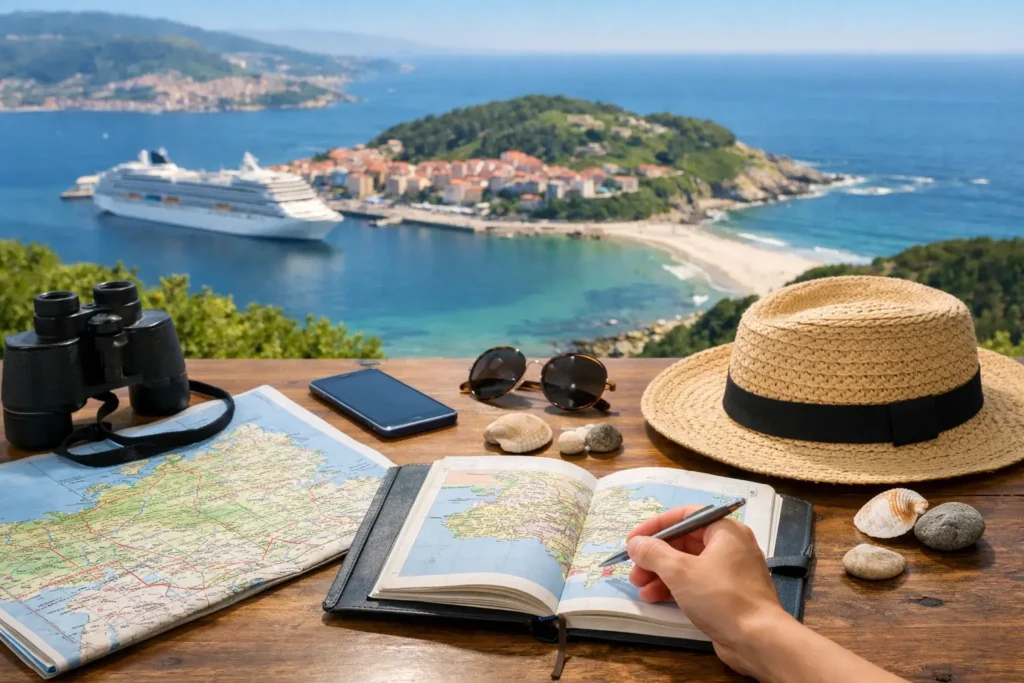
A cruise stop in Galicia can feel deceptively simple: the ship docks, the coast is nearby, and the day is yours. But Galicia is larger and more varied than many visitors expect. This Galicia shore excursion planning guide helps you make the most of a limited port call, whether you arrive in Vigo or A Coruña, without turning your day ashore into a race against the clock.
The best excursion is not always the one that covers the greatest number of places. It is the one that matches your port, your available time, your interests, and the pace you want for the day. With transport organized and a guide who knows the region, you can spend less time checking maps and more time enjoying Galicia.
Start With Your Port and Ship Schedule
Galicia's main cruise ports offer very different starting points. Vigo is the natural gateway to the Rías Baixas, while A Coruña places you closer to the Atlantic city, historic Betanzos, and several northern coastal and inland routes. Before choosing an activity, confirm your ship's arrival time, all-aboard time, and the actual time you will be ready to leave the terminal.
Do not plan around the docking time alone. Disembarkation can take time, especially on larger ships, and you should always allow a comfortable margin for getting back to the port. A well-designed shore excursion should include clear meeting instructions, coordinated transportation, and an itinerary built around cruise schedules.
It also pays to check where the meeting point is located. Some excursions meet directly at or close to the cruise terminal, while others may use a central point a short walk away. If you have mobility needs, are traveling with children, or prefer to avoid unnecessary transfers, this small detail can make a meaningful difference.
If You Arrive in Vigo
Vigo sits on one of Galicia's most attractive estuaries, with the Cíes Islands visible offshore on clear days and the green landscapes of the Rías Baixas stretching south and inland. It is an excellent port for travelers who want a mix of coastal scenery, fishing villages, vineyards, and local food traditions.
A day trip from Vigo can focus on the Rías Baixas and its relaxed Atlantic character. Depending on the route, you may visit places associated with Albariño wine, see traditional granaries, walk through historic town centers, or enjoy views over the estuaries. These are good choices for travelers looking for scenery and culture without spending the entire day in a major city.
If your time ashore is short, choose a route with fewer stops and less driving. It is tempting to add every possible viewpoint, village, and winery to the schedule, but a rushed itinerary can leave little room to enjoy any of them. A smaller, well-paced route often feels more memorable.
If You Arrive in A Coruña
A Coruña combines an urban waterfront with deep Atlantic history. The city itself is worth your attention, particularly if this is your first time in northwestern Spain. Its sea-facing promenade, historic center, and the Tower of Hercules area offer a strong introduction to Galicia without requiring a long journey from port.
For visitors who want to go beyond the city, a guided day can include destinations such as Betanzos or other corners of the province. The best option depends on your ship's hours and whether you are drawn more to history, architecture, coastal landscapes, or regional gastronomy.
A Coruña is also a practical choice for travelers who prefer to avoid spending much of the day on a bus. A city-focused visit gives you more time on foot, more flexibility for a café stop, and less dependence on road conditions. On the other hand, if you have a longer call and want to see Galicia beyond the port city, a full-day organized route can provide a broader sense of the region.
Choose the Experience You Actually Want
Galicia rewards travelers who choose a clear theme rather than trying to see everything. Think first about what you want to remember from the day: dramatic coastlines, old stone towns, food and wine, religious history, or a combination of landscapes and local stories.
For many cruise passengers, a scenic route is the easiest choice. Galicia's appeal is often found between destinations: the changing light over an estuary, eucalyptus-lined roads, stone houses, fishing boats, and the sudden appearance of the Atlantic. A local guide gives those views context, explaining how the sea, pilgrimage routes, farming, and emigration have shaped the region.
Cultural travelers may prefer historic centers and heritage sites. Galicia has a distinct identity within Spain, expressed through its language, architecture, traditions, and relationship with the Camino de Santiago. A guided visit helps you notice the details that can be missed on an independent walk, from Roman foundations and medieval streets to the meaning of a local festival or market.
Food-focused visitors should keep expectations realistic. A shore excursion is not necessarily a long lunch, particularly when return timing matters. Still, routes through coastal Galicia can introduce you to the products that define the region: seafood, empanada, local cheeses, Albariño, and seasonal produce. Ask whether free time for lunch or a tasting is included, rather than assuming it will be part of the day.
Build in Time for Galicia's Weather
Galicia's green landscapes exist for a reason. The weather can change quickly, especially near the coast, and a misty morning can become a bright afternoon. Rain should not automatically discourage you from booking an excursion. In fact, many of Galicia's towns, forests, and coastal viewpoints remain beautiful under softer skies.
The practical answer is to dress in layers and bring a light waterproof jacket, even in warmer months. Comfortable walking shoes are more useful than formal footwear, as historic streets can be uneven and viewpoints may involve short walks. Sun protection is still worthwhile because clear Atlantic light can be surprisingly strong.
Weather may affect the visibility at certain scenic stops, but it rarely removes the value of a guided day. If a viewpoint is covered in fog, a knowledgeable guide can adapt the emphasis toward local history, food, villages, or another stop that works better in the conditions.
Why Organized Transport Matters on a Port Day
Renting a car can look appealing, especially for independent travelers. It gives you freedom, but it also gives you responsibility for navigation, parking, tolls, road timing, and returning the vehicle before you need to be back at the ship. In an unfamiliar region, those details can consume the very time you hoped to save.
Public transportation is useful for some city visits, but it is not always designed around the needs of cruise schedules or routes with multiple rural stops. Taxis can work for short distances, though they are less practical for full-day sightseeing across several destinations.
An organized excursion removes those moving parts. You have a planned route, a defined meeting place, transport sized for the group, and a guide who can adjust the day when traffic, weather, or local conditions call for it. For cruise passengers, that reassurance is often as valuable as the itinerary itself.
Tour Galicia designs shore experiences from Vigo and A Coruña with the limited timing of a port call in mind. Traveling with local guides also means you hear the stories behind the places you see, not just the names on a map.
Questions to Ask Before You Reserve
Before booking, look beyond the destination name. Check the total duration, departure time, estimated return time, meeting point, language, and whether the activity is suitable for your group. If you are traveling with a stroller, use a wheelchair, have limited mobility, or need a child seat, contact the operator before reserving so the day can be planned properly.
Read the cancellation conditions as well. Cruise itineraries can change because of weather or operational decisions, and flexible terms offer useful peace of mind. Clear confirmation details are equally important: you should know exactly where to go, what to bring, and how to identify your guide.
It is also sensible to avoid booking two activities that compete for the same afternoon. Leave room for the unexpected, whether that is a delayed disembarkation, a longer lunch, or simply the wish to spend a few extra minutes looking out over the Atlantic.
Make Your Return to the Ship Stress-Free
The final part of a successful shore day is not glamorous, but it matters most: return early enough to feel calm. Keep your ship card, identification, excursion confirmation, and a charged phone with you. Note the ship's all-aboard time rather than relying on the departure time printed in a general itinerary.
When you choose an excursion that respects the clock, Galicia does not feel like a place you merely passed through. It becomes a day of salt air, stone streets, generous landscapes, and stories shared by people who know the region. Reserve with enough time to plan well, then let the coast set the pace.