
Skip to content

Galicia Wineries Worth Planning a Day Around

A visit to Galicia wineries is not simply a stop for a glass of wine. Here, vineyards climb slate terraces above river canyons, run almost to the Atlantic coastline, and grow beside old stone villages. The setting changes dramatically from one wine region to another, which is why the best winery day is usually one built around a single area rather than trying to cover all of Galicia at once.

For travelers staying in Santiago de Compostela, A Coruña, Vigo, or the Rías Baixas coast, wine country can be an easy and rewarding addition to a Galicia itinerary. The key is choosing the right denomination, allowing enough time for travel, and booking visits in advance, especially in high season.

The wine regions travelers should know

Galicia has five official Denominations of Origin, but most visitors focus on three: Rías Baixas, Ribeira Sacra, and Valdeorras. Each offers a different landscape, grape variety, and style of visit.

Rías Baixas: Albariño near the Atlantic

Rías Baixas is Galicia’s best-known wine region and the most convenient choice for many visitors based in Vigo, Pontevedra, Santiago, or the coast. Its signature grape is Albariño, a white wine known for bright acidity, citrus notes, stone fruit, and a saline edge that reflects the nearby Atlantic.

The Val do Salnés subzone, around Cambados and the Arousa estuary, is the classic place to understand Albariño. Vineyards are often trained high on granite posts, helping the grapes stay dry in Galicia’s humid climate. A tasting here is especially enjoyable when combined with seafood, whether oysters, clams, mussels, or scallops.

This is the easiest region for a relaxed winery outing. The roads are generally manageable, villages are close together, and coastal scenery gives the day more than one highlight. It is a good option for first-time visitors who want wine, local food, and time in places such as Cambados, Combarro, or A Toxa.

Ribeira Sacra: vineyards on impossible slopes

Ribeira Sacra feels entirely different. Between the Sil and Miño rivers, vineyards are planted on steep terraces that can look almost vertical from the water. This is known as heroic viticulture because much of the work must still be done by hand.

The region is particularly associated with Mencía, a red grape that can produce fresh, elegant wines with red-fruit aromas, floral notes, and mineral character. White wines are also made here, often from Godello and other local varieties, but Mencía is the grape most travelers come to know.

A Ribeira Sacra winery visit works best as part of a full-day route. Travel times are longer than in Rías Baixas, and the landscape deserves time: river viewpoints, monasteries, small villages, and, when conditions allow, a boat ride through the Sil Canyon. The trade-off is simple: it takes more planning, but few wine regions in Spain offer such dramatic scenery.

Valdeorras: Godello with a mountain backdrop

In eastern Galicia, closer to the border with Castile and León, Valdeorras is the place to seek out Godello. This white grape makes textured wines with orchard-fruit aromas, freshness, and enough structure to pair well with substantial meals.

Valdeorras tends to suit travelers who already have a strong interest in wine or are continuing through inland Galicia. It is farther from the main visitor bases, so it is less practical for a quick excursion from Santiago. Still, those with a rental car or a private itinerary often find it one of the region’s most rewarding wine areas.

How to choose Galicia wineries for your itinerary

Start with where you are staying and how much time you have. Rías Baixas is usually the most straightforward winery region from Vigo or Santiago, while Ribeira Sacra is ideal when you can dedicate a full day to inland Galicia. If you are arriving by cruise ship, be realistic about your port schedule. A winery experience can be memorable, but it must leave a generous margin for returning to the ship.

It also helps to decide what kind of visit you want. Some wineries offer a brief guided tour followed by a tasting, while others build the experience around vineyards, food pairings, historic estates, or walks through the property. Larger wineries may have more frequent tour times and multilingual staff. Small family producers can feel more personal, but appointments may be limited and English-language visits may need to be arranged ahead of time.

Do not choose based only on a famous name. A well-run tasting with a local host, clear explanation, and wines that reflect the region can be more memorable than a rushed visit to a larger facility. Ask what is included, how long the tour lasts, whether transportation is provided, and whether the winery is accessible if mobility is a concern.

What a winery visit in Galicia is really like

Most visits begin with an introduction to the estate and the local climate. Galicia’s weather matters in every bottle: rain, humidity, Atlantic influence, granite soils, and steep slopes all shape how vines are managed and when grapes are harvested.

You may see stainless-steel tanks for fresh white wines, oak barrels for selected styles, and bottling areas. In Ribeira Sacra, the vineyard itself is often the main lesson. Standing above the Sil River makes it immediately clear why harvesting these terraces requires so much manual work.

The tasting usually includes two to four wines. In Rías Baixas, that may mean different expressions of Albariño, from young and vibrant to lees-aged and more complex. In Ribeira Sacra, a tasting might compare Mencía wines from different slopes or soils. There is no need to know wine terminology before you arrive. A good guide will explain the essentials in a clear, approachable way.

Wine is best understood at the table, so look for visits that include local products when possible. Albariño and shellfish are a natural pairing, while Mencía can work beautifully with Galician beef, mushrooms, cured meats, or aged cheeses. If you have dietary requirements, confirm them when booking rather than assuming options will be available.

Practical tips for a smooth wine day

Reservations are essential. Many wineries do not accept walk-ins, particularly during weekends, harvest season, and summer. Booking ahead also gives you a better chance of finding a visit in your preferred language.

Plan for transportation before confirming the tasting. If you are driving, appoint a designated driver and remember that rural roads may be narrow, winding, and slower than expected. A guided day trip or private driver removes that concern and lets everyone enjoy the tasting. For visitors who prefer not to rent a car, organized transportation is often the most comfortable way to reach rural wine country with confidence.

Aim for no more than two winery visits in a day. Three may sound appealing, but the experience quickly becomes rushed, especially when travel, lunch, and scenic stops are included. One excellent winery, a long local lunch, and time to enjoy the landscape often make for a better day than trying to taste everything.

Wear comfortable shoes, particularly in Ribeira Sacra, where vineyard paths and viewpoints can be uneven. Bring a light layer even in summer, as Atlantic weather can change quickly. If you plan to buy bottles, ask about shipping options or luggage restrictions before making your selection.

Pair wine country with the Galicia you came to see

The strongest winery days combine wine with place. In Rías Baixas, that might mean a morning tasting followed by a seafood lunch and an afternoon beside the estuary. In Ribeira Sacra, it could mean a viewpoint over the canyon, a monastery visit, and a winery tasting that explains the terraces below.

Tour Galicia can help travelers who want an organized route with local guidance, transportation, and the freedom to enjoy the experience without watching the road. For independent travelers, the same principle applies: leave room in the schedule for the landscape, the meal, and the conversation that happens after the final pour.

Choose one region, book the visit with time to spare, and let Galicia’s vineyards set the pace. The bottle you take home may be excellent, but the lasting memory is likely to be the view from the vineyard where you first tasted it.


Choose your Galician wine landscape

Discover heroic viticulture in Ribeira Sacra or Albariño country in Rías Baixas on a guided day trip from Santiago.
Eat Like an Authentic Local of Santiago de Compostela

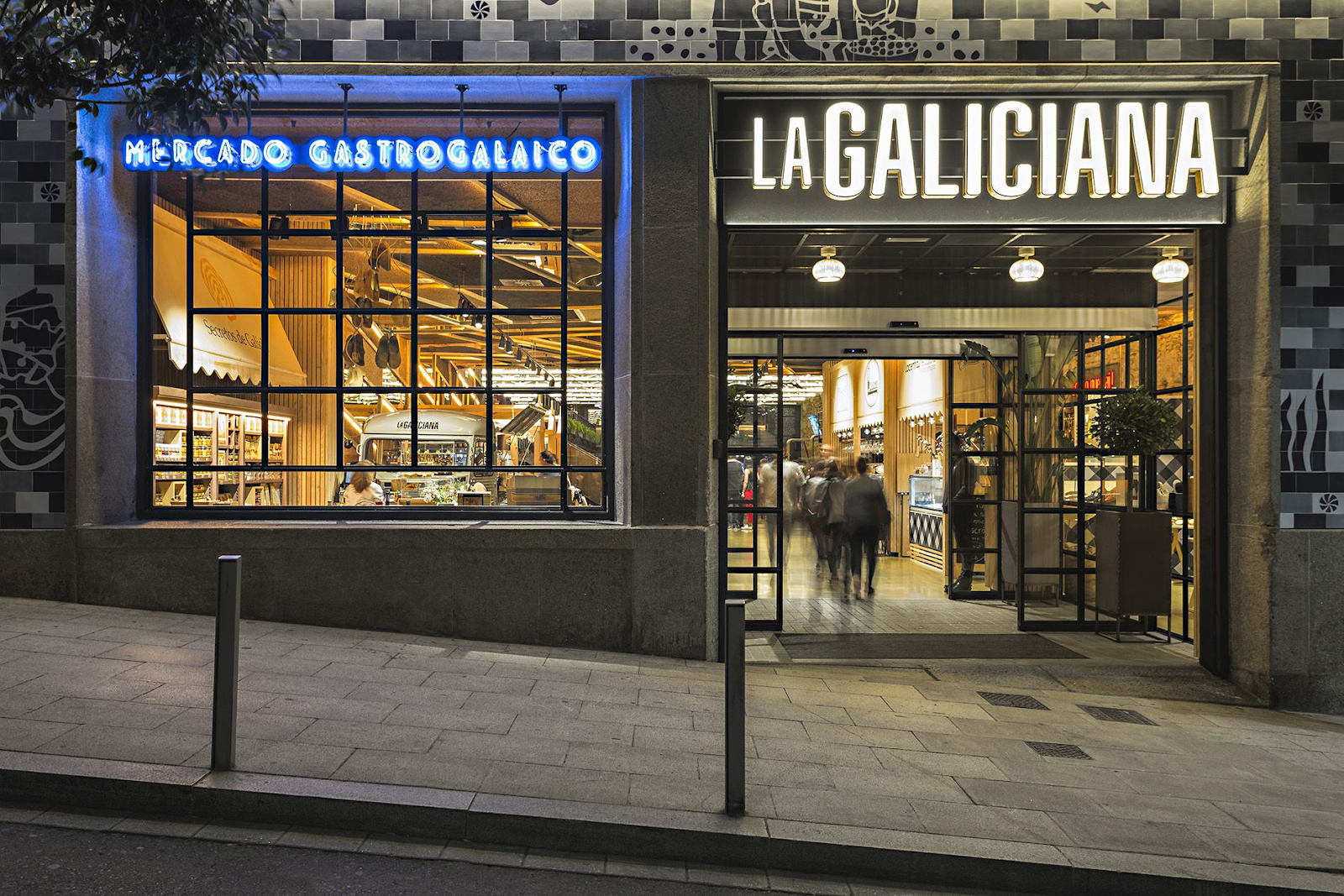
La Galiciana
Discover a one-of-a-kind food space: a market of more than 1,200 m² set in a restored industrial building over 60 years old. Enjoy two floors with 16 stalls that offer a wide range of culinary proposals for every taste.

Forget arguing about where to eat: this market is the perfect solution for groups with different preferences. From traditional Galician dishes to more innovative options, you will find the ideal pick for every palate here.

One tip: do not leave without trying their exquisite cheesecake, one of the market’s signature offerings that will leave an unforgettable taste in your mouth.

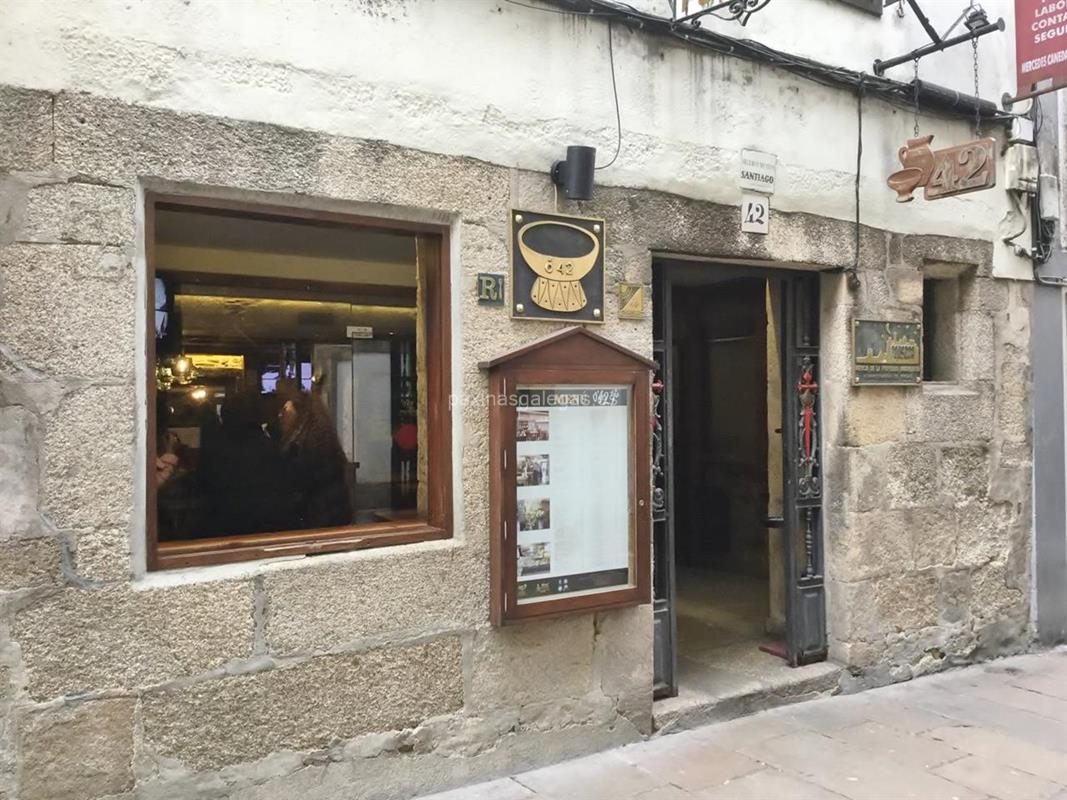
O 42
Love seafood? Mesón Restaurante O’42 is your spot in Santiago de Compostela. Enjoy fresh, top-quality produce with a range of options that will win you over.

Beyond seafood: let yourself be surprised by their exquisite octopus, considered one of the best in town. And if you are after traditional flavours, do not miss their cod, a house speciality you will love.

Options for everyone: choose between à la carte or the affordable daily set menu.

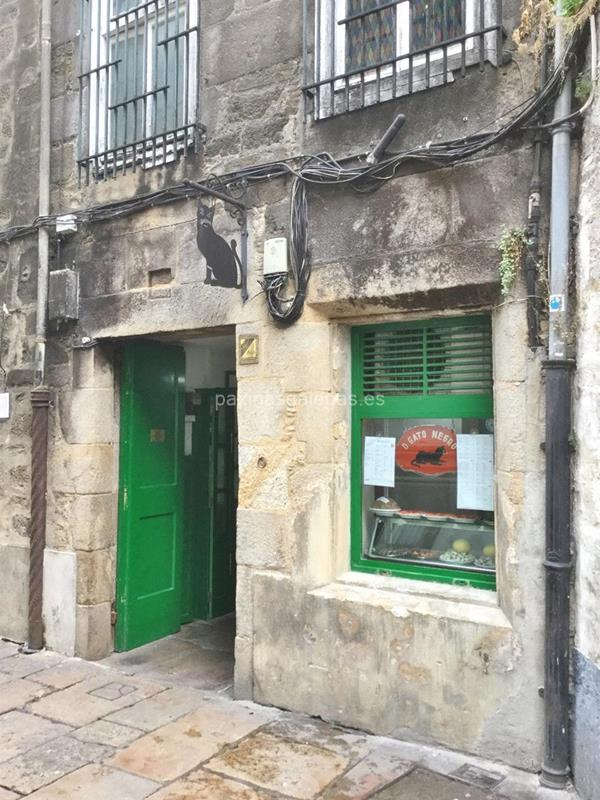
Taberna O Gato Negro
If you are looking for an authentic, well-priced experience, O Gato Negro is your spot for seafood in Santiago de Compostela. Located on one of the back streets behind the Cathedral, this traditional restaurant offers a family atmosphere and a wide variety of fresh shellfish.

Beyond seafood: do not miss their delicious sardines, a house speciality you will love. O Gato Negro is a charming corner that will win you over with its traditional flavour and excellent value for money.

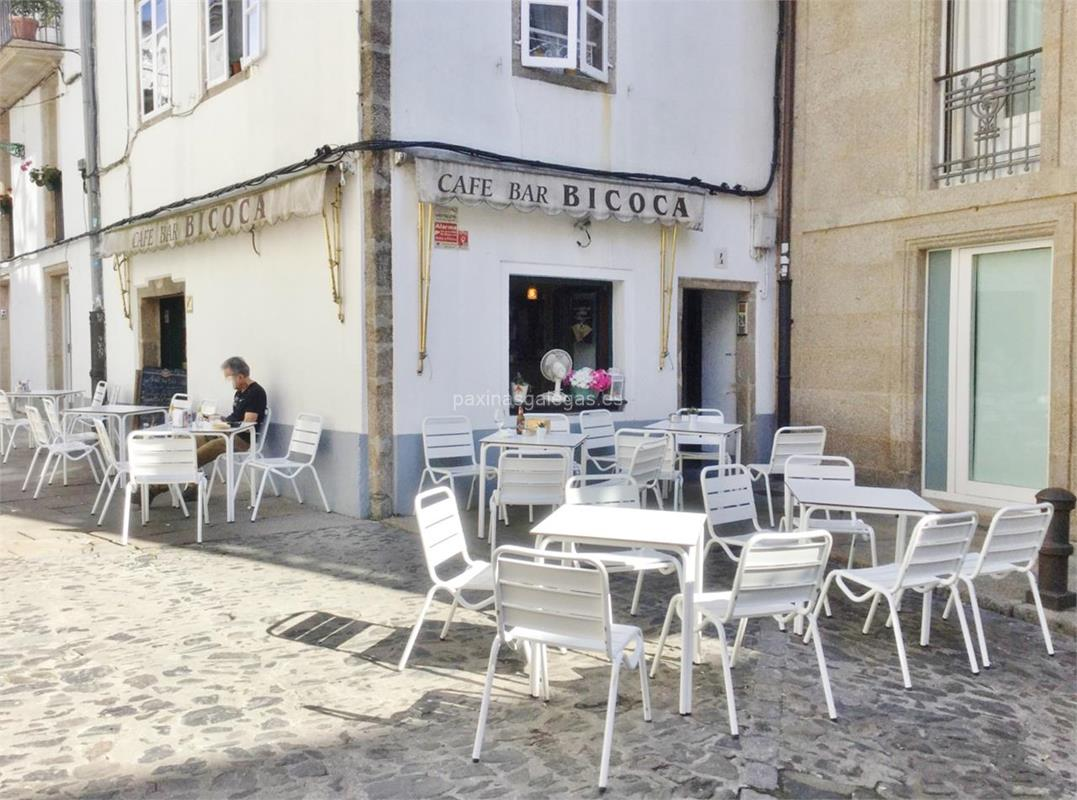
Bicoca
Looking for a full dining experience without breaking the bank? El Bicoca is your spot in Santiago de Compostela. This cosy restaurant offers a wide variety of dishes made with fresh, quality ingredients.

A charming setting: let yourself be wrapped in the warm atmosphere created by its rustic décor. El Bicoca is the perfect place to enjoy a lunch or dinner with family or friends.

Options for everyone: its varied menu has something for every taste, from traditional Galician dishes to more innovative options. And if you are after a more budget-friendly choice, do not miss their daily menu at an incredibly accessible price.

The Best Seafood Restaurants in Galicia

Seafood is what Galicia does best — and being surrounded by the Atlantic and the Bay of Biscay, no surprise. From classic cod and hake to octopus, spider crab and clams. Here’s a selection of some of the best seafood restaurants in Galicia, in Santiago de Compostela, A Coruña and Vigo.

seafood in Galicia

Seafood restaurants in Galicia

Marisquería Terra Nosa

A classy seafood restaurant in Santiago de Compostela, started as a traditional tavern in 1976. Today bright and elegant, with starters like cuttlefish with onion, anchovy fillet, freshly caught squid and the classic Galician octopus. Mains include razor clams, wild turbot, prawns, grouper, spider crabs and the Basque delicacy goose barnacles.

Rua Nova de Abaixo, 5, 15706 Santiago de Compostela, A Coruña.

O Gato Negro

Hidden in a small alley of Santiago, a small popular tavern — “The Black Cat”. A bit narrow and crowded, but worth it for the fresh seafood: soft clams, crabs, sardine empanadas and great octopus dishes.

Rúa da Raíña s/n, Santiago de Compostela, 15702, Spain.

best restaurants in Galicia

Restaurante O Fado

On a peninsula by the water in A Coruña. Specialities: razor clams, baked cod, seafood rice, goose barnacles, clams in seafood sauce.

Paseo Marítimo 9, A Coruña, 15002, Spain.

Maruja Limón

In Vigo — Michelin-starred, run by chefs Inés Abril and Rafa Centeno. Seasonal tasting menus in a relaxed setting with intimate spaces in wood and natural stone.

Rúa Montero Ríos 4, Vigo.

Maruja Limón Vigo seafood restaurant

O Porton

Near central Vigo on Rúa da Ostras or Rúa da Pescadería. Homey and relaxed. Huge seafood platters, seafood rice and big sharing portions. Try the marinated mussels, octopus with paprika and squid tapas.

Rúa Pescadería, 1 Bajo, 36202 Vigo, Pontevedra.

Pulpeira O Fiuza

In A Coruña, the city’s classic spot for Galician-style octopus. Small and basic, with old wine-barrel tables for standing. Octopus-only seafood, plus cold cuts and aromatic Ribeiro wines.

Av. Navarra, 33 BAJO, 15002 A Coruña.

Tira do Cordel

In Finisterre on the Costa da Morte. In an old salting factory from 1812. Specialises in grilled fish over hot embers, plus lobster, king crab, goose barnacles and scallops.

Lugar de San Roque, 2, 15155 Fisterra, A Coruña.

best seafood restaurants in Galicia

This list is just a tiny sample of places to enjoy this great Galician delicacy. We encourage you to discover more on your route.

5 traditional Galician dishes

Galician cuisine is one of the most outstanding in all of Spain. You cannot travel here without trying the traditional Galician dishes. It is very varied food and that is where its popularity lies, as well as in the generous portions — nobody is left hungry! On your tour of this region you will know you are going to eat well in every town you visit.

The seafood is of unmatched quality, as are its excellent cheeses, which are perfect for an afternoon of tapas and wine while enjoying some of the beautiful landscapes of Galicia.

Food tourism is a great option because it is the best way to get to know Galicia, through the palate. Everything varies depending on the region you visit, but on the coast you should try delicious mussels or octopus. Inland, you will find many more traditional Galician dishes with centuries of history.

discover traditional Galician dishes

5 traditional Galician dishes

For everyone who wants to escape to Galicia, here is a list of 5 traditional Galician dishes you cannot miss. By tasting each of these dishes you can travel around the whole region with your palate. These are the most sought-after dishes you have to try.

Pulpo á feira

Seafood is one of the most popular things in Galicia. But octopus is one of the most prominent. There are different ways to prepare it, but this is one of the favourites among traditional Galician dishes because it is how it turns out best.

Tasting this dish involves cooking the octopus with plenty of bay leaf, oil and paprika. It is quite a process: it must be served on a wooden plate, and with toothpicks you pick up each slice of octopus and bread to dip in the oil and try this delicious dish.

try the best pulpo á feira

The Galician empanada

One of the most popular traditional Galician dishes in the world. Who does not love a good Galician empanada? The most important thing is to try it in Galicia, straight from the most typical spots.

Galicians like to make it clear that not all the empanadas you see outside Galicia are the original ones. This dish stands out for being always large — the smallest are the size of a plate. The dough recipe and the filling can vary depending on personal taste.

learn how to make the Galician empanada

This empanada takes any filling, but remember that everything must be well sautéed with its oil, onion and peppers. The bonito-and-peppers version is the most traditional of all; however, the meat, cod or octopus ones are quite popular in Galicia.

Galician stew (cocido gallego)

The Galician stew is one of the dishes you must not miss. It is a hearty and abundant dish that takes time to make. If you want to try a grandmother’s dish, this is one — one of her specialties.

Pork belly, chorizo, pork and beef, hen, vegetables, chickpeas, cabbage, among others. This dish varies depending on the region of Galicia you find yourself in. Making it is quite a ritual — enjoy it.

Galician broth (caldo gallego)

On winter days, this dish must not be missing among traditional Galician dishes. The broth contains pork, chorizo, cabbage and a touch of unto, which is pork fat. The burst of calories is all you need in winter.

The Galician broth varies depending on how it is prepared, but it is ideal for cold days, as well as for the day after. It is a simple dish to make but provides all the calories you need, and is also quite complete.

Tripe (Callos)

Callos is one of the most popular traditional Galician dishes. It is one of the pampering dishes for winter days. Like most Galician dishes, it varies by area. It is a spoon dish, as it is known.

discover tripe with chickpeas

It is a combination of pulses with various kinds of meat, garlic and chickpeas. Callos are made from pork tripe. The dish is so popular that “festas dos callos” are held in different villages of Galicia.

That is why it is a dish you must include on your visit to Galicia when you take this food tour. There are many traditional Galician dishes, so you have to travel with an open mind — and an open palate too.

Essential Traditional Galician Dishes

Galicia is the region of Spain in the north-western corner, bordered by Portugal, the Atlantic Ocean and the regions of Asturias and Castile and León. Galicia has a unique cuisine that is less about paella and gazpacho and more about boiled octopus, fresh seafood dishes and good stews. In Galicia, each portion is usually twice the size of anywhere else in Spain, so you will not go hungry.

It is well known that there is no greater pleasure on this planet than eating; delighting in an exquisite dish made with the best ingredients, and above all with love and dedication, is an experience hard to explain. Spain is famous, among other things, for its expertise in Galician cuisine.

This region, with so much to offer visitors, is renowned for the exquisite recipes prepared in its towns and villages. Do not hesitate to come and discover the fine dining tradition of this Spanish autonomous community.

The most typical dishes of Galicia

What stands out, without doubt, is the quality, flavour and colour of the ingredients used. Spanish gastronomy is exquisite in general, and especially in this region, where the use of fish and shellfish in combination with meat and poultry turns its dishes into true pleasures fit for the gods.

In previous articles we already mentioned some of the best-known recipes of Galicia, such as empanada, octopus or Galician stew, but today we focus on other traditional Galician dishes, standout products and Galician desserts that we consider essential on your trip around Galicia.

TRADITIONAL GALICIAN DISHES

LACÓN CON GRELOS (HAM WITH TURNIP GREENS)

This is one of the simplest traditional Galician dishes to prepare: it is made with pork shoulder and grelos (the tender shoots that appear just before the turnip plant flowers), and to give it a

What to eat in Galicia: lacón con grelos

Galician touch, boiled potatoes and paprika are added. It can also be served with chorizo or sausages, which are a good combination too.

It is a winter classic in Galicia, when the turnips are young and tender. The meat used is the lower part of the front ham. It is usually cured with salt and soaked for 24 hours before boiling, making it tender and tasty.

ZORZA GALLEGA

The best traditional Galician dishesThis is not one of the most popular traditional Galician dishes, but it is one of the most traditional. It is made with minced or chopped pork, fried and mixed with ingredients such as garlic, oregano, parsley, white wine and paprika. It is usually served with chips.

Its origins go back to the process of making chorizo. The mix of meat and spices was fried to check the seasoning and flavour before stuffing it into pork casings. And that is how Zorza was born.

HAKE GALICIAN STYLE

Hake cooked this way is another traditional Galician dish not to be missed on your trip around Galicia. Besides hake, it contains potatoes, peas, peppers and onions. It is seasoned with sweet paprika, garlic, bay leaves, salt and pepper.

TYPICAL GALICIAN INGREDIENTS

Beyond traditional Galician dishes, this region has typical ingredients that, every time we taste them, remind us of the wonderful film-worthy landscapes of Galicia.

PADRÓN PEPPERS

These are long, small peppers, roasted, steamed or fried and served with olive oil and sea salt. These juicy, unusual peppers are ordered as tapas and can now be found all over Spain. Their name comes from the area of Galicia they originate from, where a festival is held in their honour every year. They have a curious feature: one in ten peppers is spicy, hence the typical saying: “Padrón peppers — some are hot, some are not”.

ARZÚA-ULLOA AND TETILLA CHEESE

Tetilla cheese from GaliciaThis is a very traditional soft, creamy cheese, with a slightly sweet, herbaceous flavour. It is often eaten with quince paste as a dessert. Its flavour is similar to its cousin Queixo de Tetilla, which has a unique appearance and a pointed shape.


It is made with raw or pasteurised milk and has a maturing period of between six days and four months. Unlike Tetilla cheese, this one has a soft, flexible rind and a disc shape. Its unusual name holds Protected Designation of Origin status. It is usually eaten with honey collected from the hives of Arzúa, where the cheese is produced.

TYPICAL GALICIAN DESSERTS

And what would a list of traditional Galician dishes be without some desserts? Here are some of the most notable:

SANTIAGO ALMOND CAKE (TARTA DE SANTIAGO)

Tarta de Santiago, traditional Galician dish

A traditional sweet of Galician cuisine from Santiago de Compostela, the capital. Its main ingredients are almonds, eggs, cinnamon and lemon. The cross, symbol of the city’s cathedral, is drawn on top with icing sugar. It is a perfect sweet to go with tea or coffee, or simply as dessert.

FILLOAS

Filloas are a mix of flour, milk and egg; they are white and resemble crêpes or pancakes, typical of carnival days, although nowadays you can find them all year round.

They are served filled with honey, cream, chocolate, quince paste or any other kind of sweet cream; however, they can also be savoury, with cheese or cream.

LEITE FRITA (FRIED MILK)

Fried milk is a milk custard that is coated and fried, then sprinkled with sugar and cinnamon.